
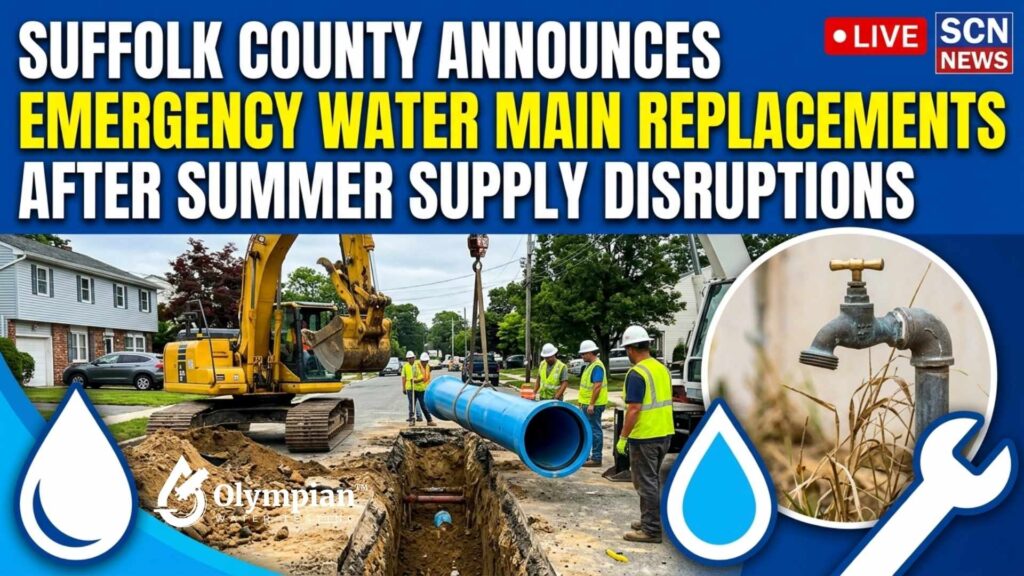
Understanding Suffolk County’s Summer Water Supply Disruptions
When temperatures soared, Suffolk County’s aging pipelines faced unprecedented stress. The county turned to MGF’s approach, balancing environmental needs with essential upgrades. This strategy aimed to prevent further strain on already overworked lines, ensuring a steady supply for homes and businesses.
Overview of the Recent Shortages
Property owners experienced erratic pressure and sudden cutoffs, mainly during peak usage times. The rapid decline in reservoir levels exposed the vulnerability of local systems. Engineers identified aging components in key supply routes as a major contributor, highlighting the need for responsible upgrades to safeguard water resources.
Immediate Effects on Local Residents
Residents faced daily inconveniences, from lukewarm showers to delayed laundry. Concerns about contamination and future disruptions grew. This highlighted the critical need for emergency water replacement and a commitment to providing consistent, safe water for all.
Causes Behind the Infrastructure Strain
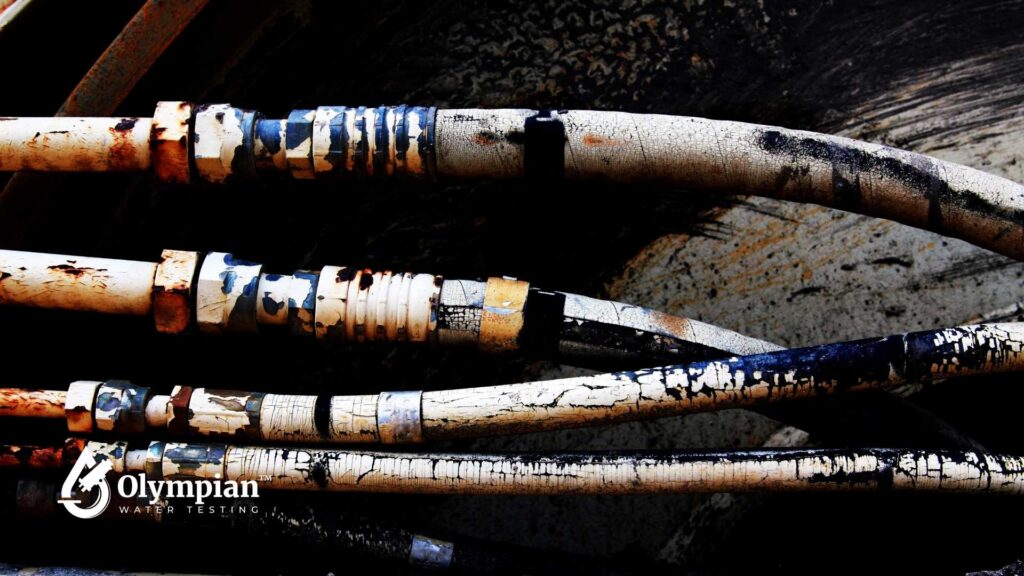
Aging pipes face constant challenges when water demand surges. Old materials are prone to cracking or collapsing under increased pressure. The rapid growth of populations adds to the stress, as more households need reliable water during peak times.
Unchecked expansion, limited upgrades, and budget constraints create a vicious cycle. Local agencies are grappling with the escalating concerns of summer water disruptions.
Environmental limitations hinder swift construction efforts in some areas. Protected wetlands and limited building space slow down pipeline repairs. Leaders draw parallels with a restricted development project, highlighting how tight land boundaries impact water delivery.
Insufficient maintenance programs exacerbate these issues. Oversight gaps and reduced funding lead to slower replacement schedules. Acknowledging these underlying causes may inspire solutions to protect regional access and mitigate future summer water disruptions.
|
Key Factors |
Description |
|
Population Growth |
Rising demand for consistent water supply |
|
Aging Infrastructure |
Outdated pipes prone to damage under stress |
|
Environmental Constraints |
Protected wetlands and limited land obstruct rapid repairs |
Immediate Solutions and Emergency Protocols
Officials in Suffolk County are mobilizing vital support teams to keep critical infrastructure running during this challenging period. This approach aims to safeguard drinking water safety by distributing resources and monitoring vital supply lines. One major water main break update demonstrated how swift action can restore normal flow and reduce further disruptions.
Protecting daily routines requires steady cooperation among local agencies and public health representatives. Coordinated planning helps maintain basic services while permanent repairs advance.
Emergency Response Teams
These specialized groups collaborate with city planners, health inspectors, and engineering experts. They often join forces to secure emergency pumps, deploy backup generators, and inspect pipeline integrity. Their swift reaction keeps the public informed and prevents larger setbacks.
- Regular site checks of pressure levels
- Rapid relocation of essential resources
- Close coordination with community leaders
Temporary Water Rationing Measures
Short-term limits on usage help preserve reserves. Residents receive guidance on conserving supplies, which safeguards drinking water safety for everyone. Smaller inflow volumes can balance system strain until larger-scale solutions finish. These transitional measures call for public understanding to keep water service steady and dependable.
Water Main Replacement: Suffolk County’s Strategic Plan
Suffolk County is launching a strategic plan to bolster key pipelines ahead of increased demand. MGF’s design approach, celebrated for its meticulous engineering, sets a benchmark for building resilient systems. Extensive surveys pinpoint areas at high risk of leaks, prompting swift interventions where needed.
Steps in this effort include:
- Reviewing historical maintenance records to identify frequent trouble spots
- Partnering with reputable contractors for expert installation
- Integrating modern materials that boost durability
This initiative is a cornerstone for infrastructure upgrades in public utilities. Suffolk County seeks to ensure steady water supply, even during peak usage. Upgrades include new pipelines, advanced coatings, and enhanced monitoring tools. By focusing on efficient design, the county is working towards a more reliable and sustainable water system for all residents.
Expected Timeline for Project Completion
County officials predict construction will kick off shortly, with upgrades set for specific areas in a well-planned sequence. Engineers have crafted this timeline to ease the burden on neighborhoods reliant on consistent water supply. Each phase targets a manageable section, avoiding unexpected disruptions and ensuring public safety.
Phased Replacement Approach
The strategy involves crews tackling designated pipelines in a sequence, focusing on the most vulnerable segments first. This method ensures uninterrupted water service and stable pressure across the county. Surveyors will identify priority zones, then work with contractors to prepare equipment and materials for on-site work. Smaller teams will handle initial tasks, keeping communities updated on service windows.
Short-Term vs. Long-Term Goals

Short-term goals include ending supply disruptions and ensuring reliable water flow, even during peak demand. Officials aim to quickly regain residents’ trust, who have recently faced low-pressure issues. Long-term objectives involve strengthening the pipeline infrastructure, reducing maintenance needs, and creating a more durable network for the future. By carefully pacing each phase, the county is dedicated to maintaining public safety at every development stage.
Funding Sources and Budget Allocation
Suffolk County’s water overhaul demands a diverse investment strategy, focusing on reliability. State, federal grants, and local funds are key components of this plan. This approach is seen as a practical way to manage costs while improving water main engineering for longer life.
Diversifying funding sources reduces risk and eases the financial burden on taxpayers. A balanced budget ensures public services are maintained while enabling infrastructure updates. This strategy keeps projects moving without overwhelming local residents.
Government Grants and Local Funding
Public agencies allocate substantial funds for urgent municipal projects. Suffolk County accesses these through a formal application process. Local officials craft each proposal to secure timely support. The community values the high priority given to water main engineering, ensuring clean water and steady access.
Private Partnerships

Independent companies contribute by investing in technology, logistics, and personnel. Their involvement accelerates refurbishments and fosters future collaborations. Successful partnerships enhance innovation and streamline operations.
Projected Financial Impact
Experts foresee substantial savings in maintenance costs. Faster upgrades reduce unexpected shutdowns, protect local businesses, and boost employment. This opportunity strengthens the community’s dedication to high service standards.
|
Funding Source |
Approximate Contribution |
Key Focus |
|
Government Grants |
40% |
Infrastructure Renewal |
|
Local Funding |
30% |
Essential Upgrades |
|
Private Investments |
30% |
Innovation & Technology |
Community Impact and Public Response
Residents are keenly interested in the upcoming improvements. Some are concerned about street closures and service adjustments. Yet, many welcome the focus on securing water reliability. Transparent communication builds trust, and public updates keep everyone involved.
Suffolk County is hosting meetings to help people manage their daily routines during the work. Shared understanding reduces anxiety caused by rerouted traffic or minor interruptions. This planning aims to keep neighborhoods informed about the benefits of long-term water solutions for households and businesses.
- Open forums offer real-time answers to community questions.
- Educational workshops highlight practical tips for smart usage.
- Regular bulletins keep residents aware of upcoming schedules.
Officials are working closely with local groups to address unique needs. These joint efforts foster mutual respect. They ensure families, schools, and commercial hubs adapt smoothly and feel prepared for future changes. Durable infrastructure often resonates positively when people recognize the short-term effort leading to long-term water solutions.
|
Community Initiative |
Outcome |
|
Regular Town Halls |
Stronger public engagement |
|
Local Media Updates |
Greater awareness of project timelines |
|
Online Feedback Portals |
Continuous resident input for improvements |
Ensuring Consistent Water Quality
Upgraded pipelines require thorough checks to ensure reliable service. Engineers from MGF introduce meticulous solutions to maintain clean water in restricted environments. Specialized staff monitor installations to confirm every component meets required standards. This preserves safety for local communities.
Inspection and Testing Protocols
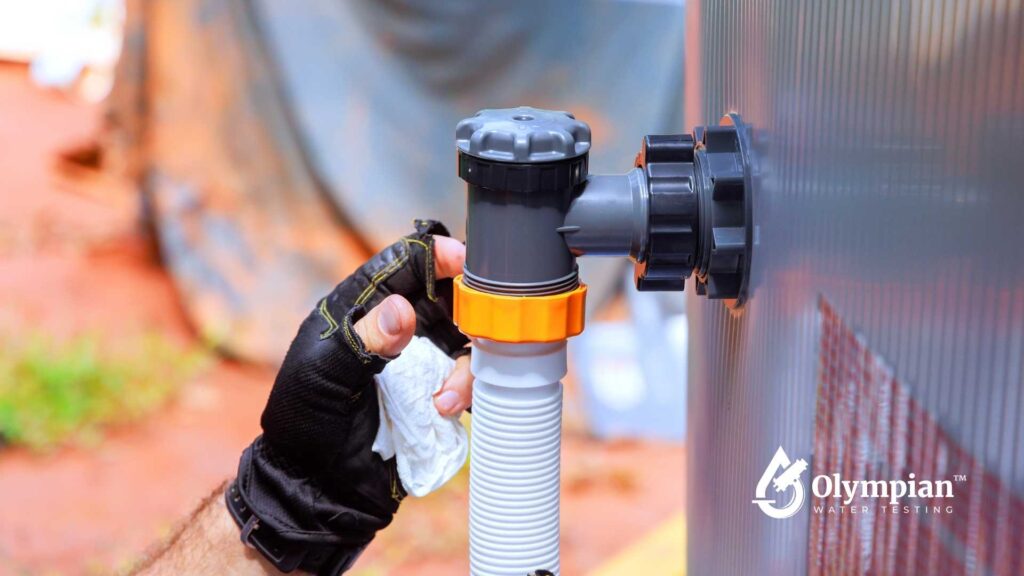
Sampling and pressure checks confirm sediment, bacteria, and other substances stay within limits. Modern sensors track key indicators, providing real-time data. Technicians then resolve issues before they affect drinking water quality.
Multiple testing points bolstered by automated alerts offer swift detection of contaminants. This ensures water quality remains consistent.
Public Health and Safety Measures
Backup chlorination systems and robust emergency procedures act as safeguards against unexpected shifts. Public outreach campaigns educate residents on proper water usage. They also encourage prompt reporting of abnormalities.
Maintaining this network often requires a sizable budget for water projects. This ensures consistent monitoring, reliable equipment, and trained personnel. Protecting public health remains the driving force behind these measures. It reinforces trust in every drop reaching local households.
Additional Security and Contingency Measures
Local leaders have strengthened safeguards against water system failures. Backup power solutions, like standby generators, ensure operations continue when the grid fails. Emergency teams provide swift support, aiming to protect consumers from supply disruptions.
Leaders studied MGF’s flood risk management, guiding them to identify and fortify vulnerable areas. This includes coordinated risk assessments covering everything from pipe breaks to severe storms. Such proactive measures aim to safeguard residents and ensure continuous service.
Regular assessments of equipment and supply routes offer early warnings of impending threats. Drinking water trucks and alternative pipelines serve as a backup during shortages. These steps enhance preparedness, boosting confidence and fostering a positive community impact.
|
Security Measures |
Description |
Expected Benefit |
|
Backup Power |
Standby generators for water pumps |
Uninterrupted supply in grid failures |
|
Emergency Water Routes |
Dedicated paths for quick deliveries |
Stable flow during crisis |
|
Vulnerability Reviews |
Frequent checks on infrastructure |
Preventive actions before issues arise |
Long-Term Benefits for Suffolk County Residents
This initiative aims to introduce a modern water system, ensuring daily life remains uninterrupted. The updated pipelines significantly reduce unexpected service interruptions. This improvement boosts public trust and strengthens the local economy.
Enhanced networks lead to fewer breaks and leaks, supporting community growth. This is a significant step towards a more resilient future.
Improved Reliability of Water Services
Access to clean tap water is essential for healthy homes and a thriving environment. Reliable water services are vital for schools, small businesses, and medical facilities. They operate smoothly without the costly setbacks of frequent disruptions.
This reliability extends across Suffolk County, alleviating the stress of emergency repairs. It ensures a more stable environment for all residents.
Enhanced Infrastructure Resilience
Stronger infrastructure foundations reduce the strain on critical operations. Residents can rest assured, knowing essential systems are intact. This stability leads to better economic outcomes, as fewer interruptions save money over time.
- Fewer disruptions in peak demand times
- Lower repair expenses for both public and private sectors
- Greater confidence in sustainable upgrades
For those interested in preserving local resources, visit clean Long Island’s water. Investing in modern pipes now safeguards future generations. It fosters true stability across the county.
Looking Ahead to Suffolk County’s Sustainable Water Future
Local officials are making strides, blending innovative engineering with a deep respect for nature. MGF’s project exemplifies how forward-thinking designs can maintain ecological balance and build community trust. By analyzing real-world outcomes, planners can pinpoint the most effective ways to boost infrastructure resilience.
Teams are delving into advanced leak detection techniques to cut down on waste and protect water quality. They aim to select materials that minimize environmental harm while ensuring durability. This objective aligns with a broader effort to conserve resources and safeguard sensitive ecosystems.
As the population grows, Suffolk County leaders remain dedicated to adaptable strategies. They draw insights from global examples to refine their approach for the future. With a focus on infrastructure resilience, residents can anticipate a reliable water supply. This will support public health, economic vitality, and environmental stewardship.