
Understanding PFAS and Their Impact on Water Sources
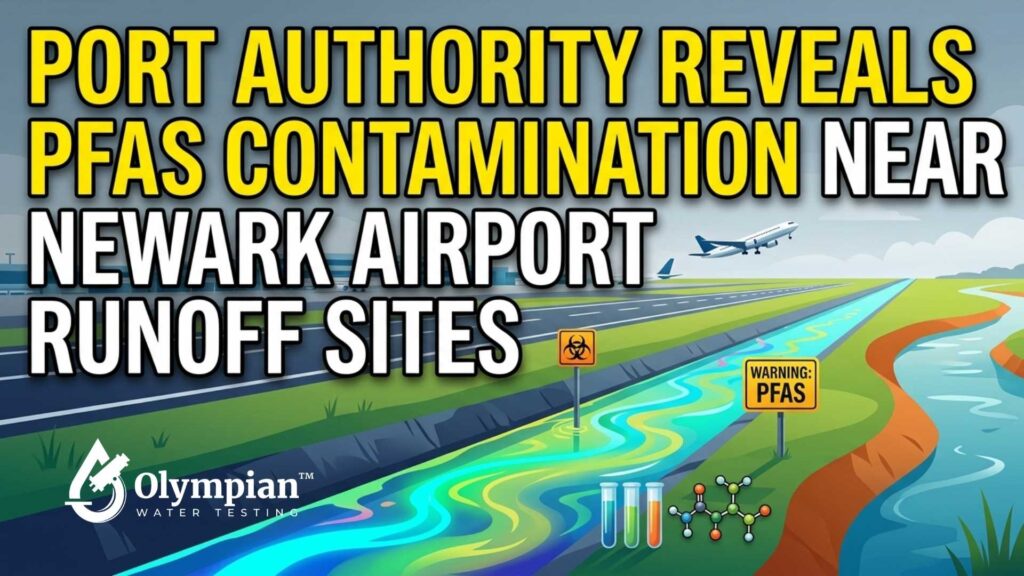
Communities are grappling with the issue of PFAS exposure in their daily lives. These chemicals persist in soil and drinking water, raising concerns about environmental contamination near major airports. Scientists attribute their long-lasting presence to their resistance to natural breakdown, highlighting their ongoing impact on public health.
Chemical Properties and Persistence
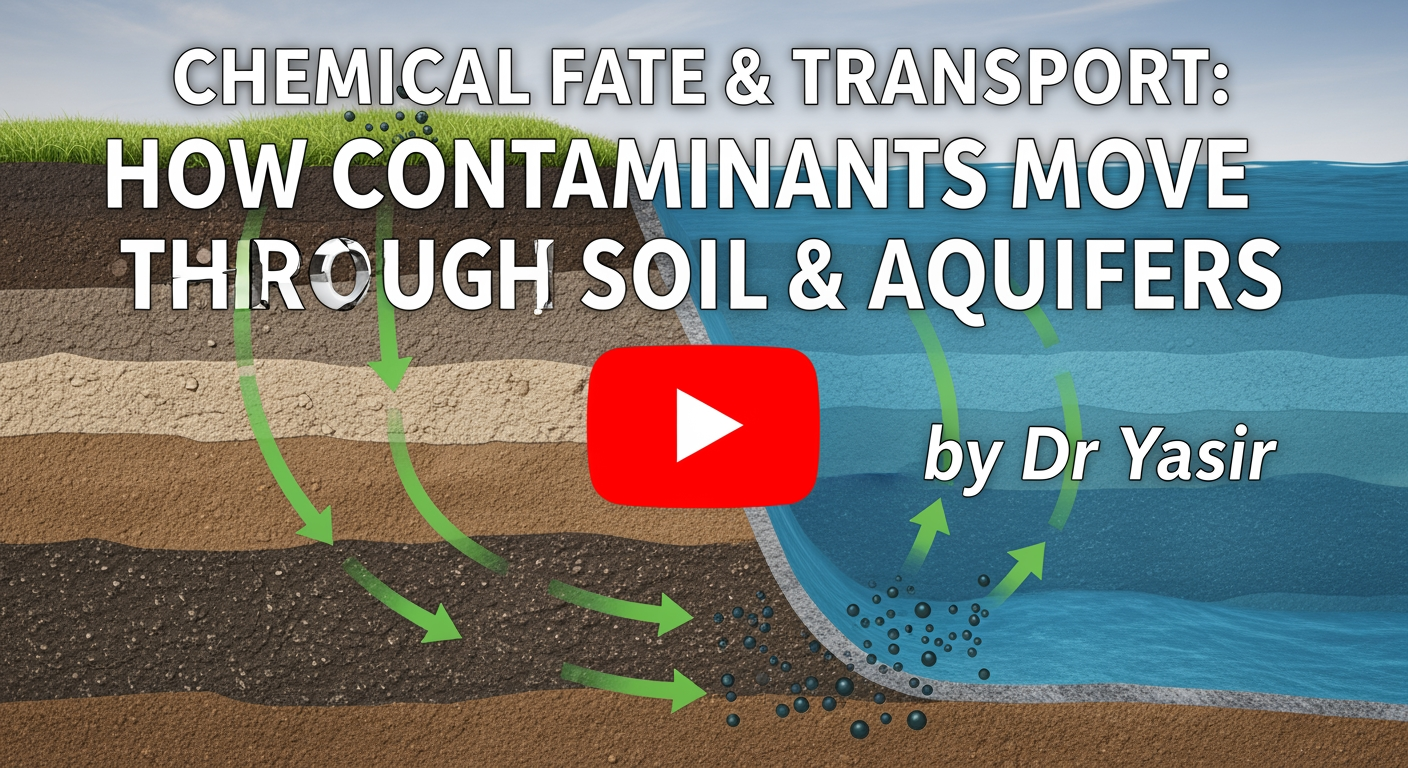
PFAS substances are known for their strong carbon-fluorine bonds, making them resistant to water and oil. They can move through runoff paths and settle in groundwater. Once in the human body, they tend to accumulate due to limited degradation, leading to concerns about their persistence.
This persistence is why regular testing of sites near airports is critical. Researchers observe impacts on ecosystems, urging vigilant monitoring. Such efforts are necessary to understand and mitigate these effects.
EPA Regulations and Guidelines

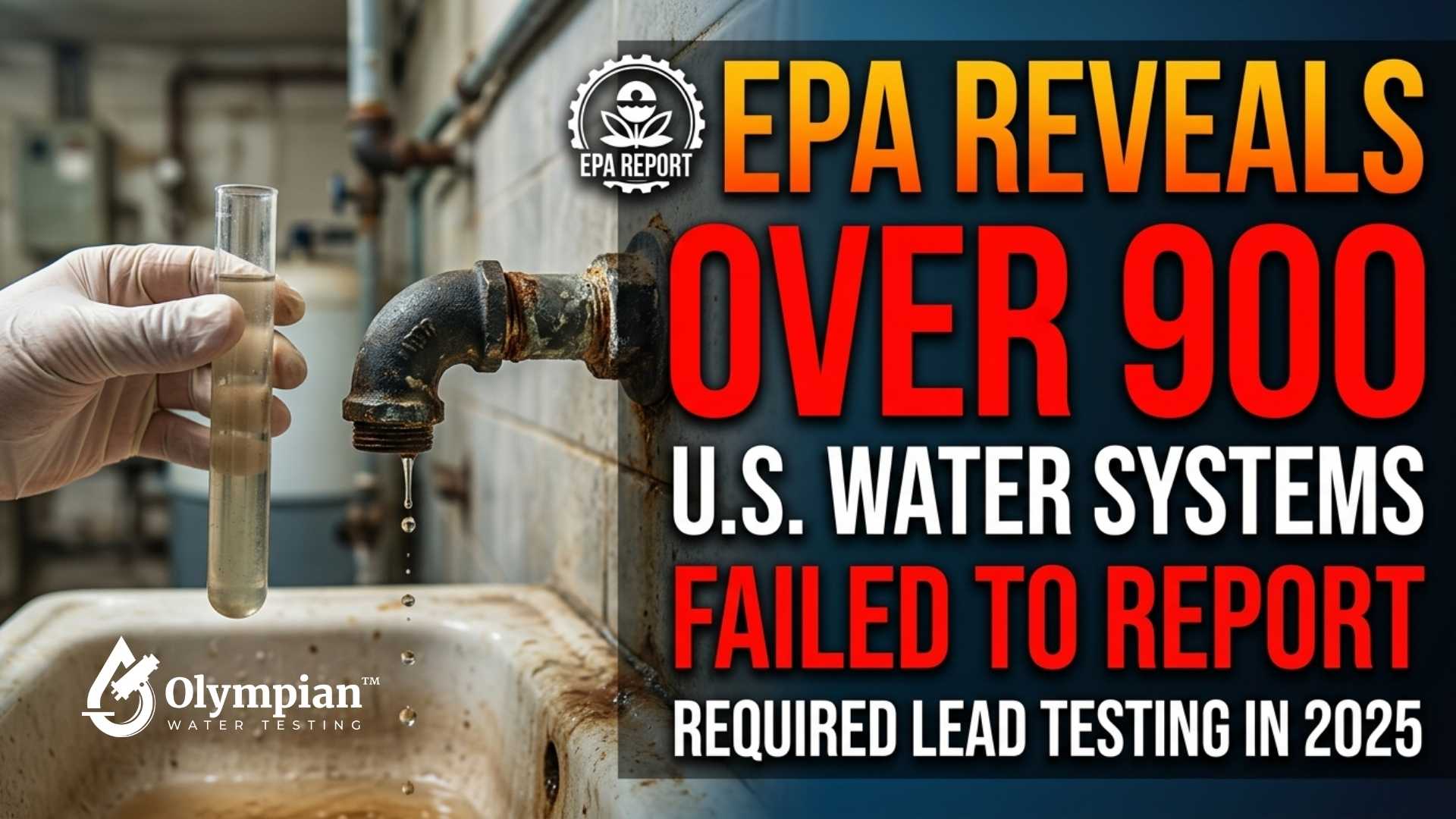
The Environmental Protection Agency is establishing enforceable limits for multiple PFAS compounds in drinking water. The focus is on immediate reporting of PFAS exposure to expedite cleanup efforts. Those responsible for environmental contamination will face accountability through updates to the National Primary Drinking Water Regulation.
These actions aim to safeguard public health, not just in Newark but across the nation. The goal is to ensure clean drinking water for all.
Prevalence of PFAS in Airport Runoff
Airfields use specialized equipment and fluids for emergencies. Water runoff from these areas can carry chemicals, including PFAS. Newark Airport’s persistent discharge is linked to training exercises, where toxic firefighting foam controls flames. The Environmental Protection Agency’s research shows how these substances accumulate, prompting health officials to investigate their long-term effects on local water sources.
Airports are hotspots for chemical spills, raising important safety questions. Officials are now focused on reducing water contamination risks from these compounds.
Why Airports Are Hotspots
They store large amounts of toxic firefighting foam for drills and emergencies. This foam contains persistent compounds that can leak into drainage systems. The Federal Aviation Administration has documented repeated spill incidents, showing how PFAS can migrate into soil and water tables.
Historical Contamination Factors
Past reviews by the Port Authority of New York and New Jersey reveal decades of foam use in training programs. Even small leaks have built up harmful substances in airport runoff. Studies at major hubs like Los Angeles International show similar patterns, indicating a need for ongoing monitoring and stricter guidelines.
Port Authority’s Role in Monitoring Newark Airport

The Port Authority is responsible for conducting critical tests to measure chemical levels at Newark Airport. Its teams collect samples from drainage points to assess contamination levels. They document any findings that could affect the PFAS water supply. These monitoring procedures aim to identify threats and comply with PFAS regulations.
Water reports guide the next steps if contamination exceeds safe limits. Field data confirm if mitigation is needed to protect public resources. The Port Authority works with agencies to set thresholds and provide timely updates. This ensures the safety of nearby communities and maintains transparency when new concerns arise.
Efforts often include:
- Coordinating with laboratories to validate test results
- Scheduling ongoing reviews to track PFAS levels
- Cooperating with regional bodies to address any emerging risks
These strategies highlight the Port Authority’s dedication to ensuring a safe PFAS water supply. They also uphold PFAS regulations. Public welfare is always the priority when findings indicate the need for further action.
Tracking Forever Chemicals in Groundwater Testing
Groundwater assessments are critical in identifying contamination from persistent substances. Field teams measure chemical concentrations to protect public health and support legal processes. This becomes vital when mounting evidence leads to PFAS lawsuits against entities responsible for polluting local water supplies.
Sampling and Analytical Techniques
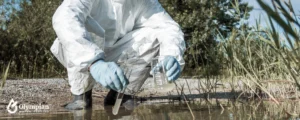
Experts use approved procedures to capture samples from wells in areas with different soil types. Each step requires strict protocols to avoid cross-contamination and maintain sample integrity. Laboratories employ sensitive instruments to detect trace amounts of forever chemicals.
Findings guide remediation plans and help determine the extent of contamination. This impacts communities near airports and industrial sites.
Collaboration with Environmental Agencies
State officials, federal regulators, and local health departments work together for transparent testing programs. Teams share data in real time, enabling swift action if levels reach concerning thresholds. Water authorities collaborate with the Environmental Protection Agency to refine testing guidelines.
They ensure consistent reporting standards. This collective approach encourages accountability. It leads to solutions that aim to safeguard neighborhoods and bolster public trust.
Identifying High-Risk Sites Near Newark Airport

Airfields, industrial lots, and refueling zones are identified as high-risk areas for contamination. Changes in water flow and past disposal practices can lead to unexpected contamination. It’s essential to conduct thorough research to identify these trouble spots.
The risk of PFAS exposure increases where firefighting agents or industrial substances are frequently used. This can cause environmental damage that spreads beyond the airport. Contaminated water can infiltrate local aquifers, posing a threat to nearby communities. Detailed mapping is critical to protect public health.
Mapping Contamination Hotspots
Authorities gather geological data and field reports to identify areas with high chemical levels. Runways, de-icing stations, and maintenance facilities are often found to have higher concentrations of these compounds. Accurate maps enable teams to focus on the most critical cleanup efforts.
- Runways and tarmac zones
- De-icing regions
- Industrial maintenance spots
- Refueling sites
Potential Exposure Pathways
PFAS exposure can occur through ingestion, inhalation, or skin contact in contaminated areas. Drinking water from wells near these sites may be risky. Continuous monitoring guides protective actions and minimizes environmental damage in at-risk communities. This allows agencies to implement strategies that enhance water quality and protect public health.
|
Location |
Primary Concern |
Risk Level |
|
Runways |
Firefighting Foam Residues |
High |
|
Maintenance Areas |
Industrial Chemicals |
Moderate |
|
Refueling Zones |
Fuel Spills |
Moderate |
|
De-Icing Pads |
De-Icing Fluids |
High |
Remediation Efforts and Technology
Newark Airport is committed to purifying its water, focusing on controlling toxins and protecting nearby communities. The core of this effort is PFAS remediation, backed by ongoing research and practical strategies. Recent studies, as seen in this research update, reveal new avenues for water purification.
Activated Carbon Filtration Methods

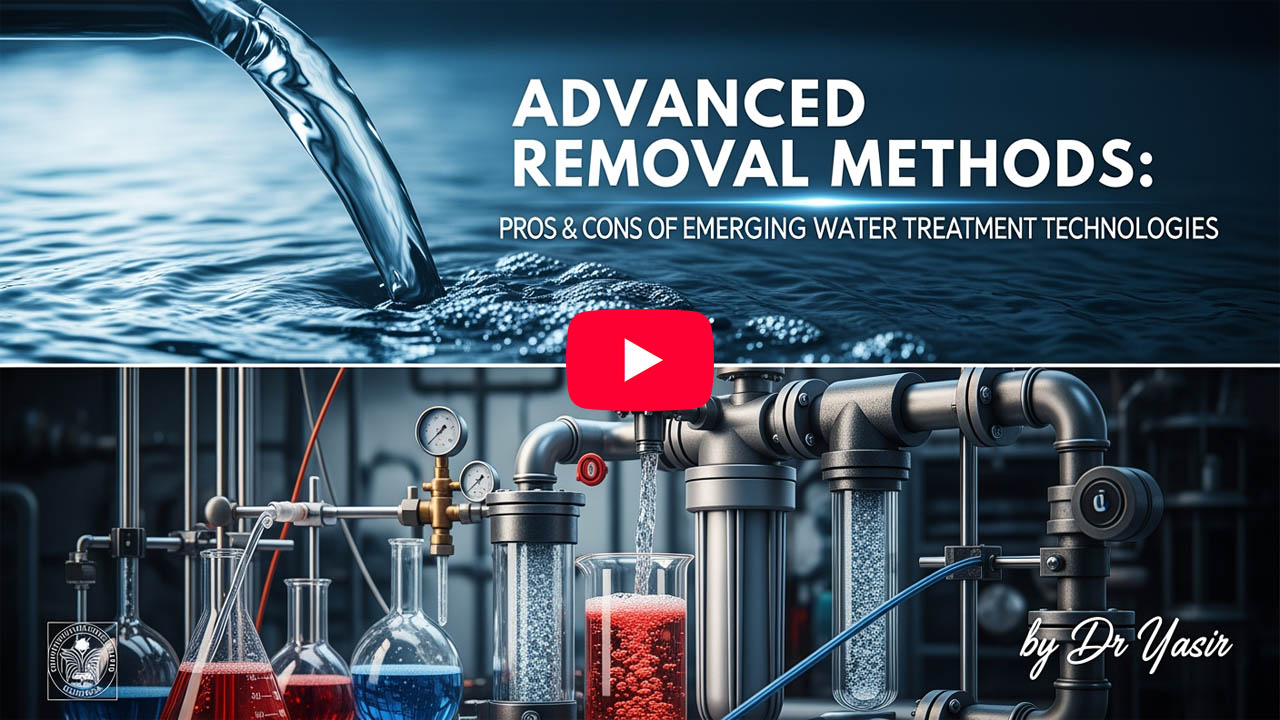
Activated carbon filtration is a reliable method for removing harmful chemicals from groundwater. It effectively captures PFAS particles, but requires regular maintenance and filter replacements. The use of granular activated carbon (GAC) has shown promising results in reducing contamination levels over time.
Alternate Treatment Options
Ion exchange resins, high-temperature incineration, and advanced oxidation processes each offer unique advantages and limitations. Some methods focus on isolating specific compounds, while others break them down at high temperatures. Each technique has its own maintenance needs, cost considerations, and operational demands.
Long-Term Sustainability Considerations
Long-term remediation projects require consistent funding and adaptable planning. A balanced strategy often combines activated carbon filtration with other methods to tackle water quality issues on a large scale. Teams weigh the effectiveness of each approach, considering new technologies and budget constraints to guide the airport’s future steps.
|
Method |
Key Benefit |
Challenge |
|
Granular Activated Carbon |
Wide PFAS removal |
Frequent filter changes |
|
Ion Exchange Resins |
Targets specific PFAS |
Potentially higher costs |
|
High-Temperature Incineration |
Reduces contaminants thoroughly |
Significant energy use |
|
Advanced Oxidation |
Accelerates destruction |
Complex reactions |
Port Authority’s Communication with Local Communities
Concerns about PFAS contamination near Newark Airport have grown. This has led to legal actions and demands for transparency. Port Authority action seeks to alleviate these fears by organizing public forums. These forums give residents a platform to ask questions about the ongoing cleanup efforts.
Stakeholders are looking for updates on test results and risk assessments. They value clear information about health risks. Local leaders are pushing for community awareness campaigns. These campaigns aim to educate people on how to minimize exposure to these chemicals.
Now, public dashboards track contamination levels in real-time. They aim to show the progress in cleaning up the area. This transparency helps residents feel more connected to the effort to protect their water resources. It also helps alleviate the anxiety caused by ongoing legal battles.
Consistent, truthful communication is key to addressing environmental concerns. By focusing on community awareness and Port Authority action, Newark is moving towards safer water sources.
Public Health Implications of PFAS Exposure
PFAS have been present in water supplies for decades, posing dangers for those near Newark Airport sites. These substances accumulate in blood and tissues, affecting health over time. They are linked to thyroid disorders, infertility, and immune system disruptions.
Health Risks and Vulnerable Populations
Medical research shows PFAS can increase cancer risk with prolonged exposure. Pregnant women, children, and those with weakened immune systems are at higher risk. These groups face more severe health outcomes.
Ongoing Research Studies
Recent studies aim to understand PFAS’s long-term effects, guiding exposure limits. Public awareness campaigns push for testing and community involvement. This effort seeks to improve living conditions and reduce risks.
Balancing Economic Growth and Environmental Protection
Port Authority initiatives showcase how airports can support jobs and travel while minimizing public resource strain. Newark’s air traffic volume boosts revenue and aids local businesses. Yet, communities demand stronger defenses against forever chemicals. Planners envision new opportunities in upgraded infrastructure and smart land use, aiming to safeguard waterways.
Stakeholders believe in responsible growth as a means to maintain airline service and cleaner neighborhoods. Strategic funding, resilient materials, and modern waste systems protect open spaces. Airlines aim for streamlined processes to cut emissions, benefiting both profits and community health. This cooperation is seen as true environmental stewardship.
- Protect economic interests by sustaining safe passenger capacity
- Invest in pollution controls that shield public health
- Engage local voices for collaborative decision-making
|
Strategy |
Economic Outcome |
Environmental Benefit |
|
Infrastructure Upgrades |
Boosts Capacity |
Reduces Hazardous Runoff |
|
Resource Conservation |
Long-Term Savings |
Preserves Local Ecosystems |
How Federal and State Regulations Influence Airport PFAS Policies
Airports face evolving mandates due to compounds that persist in soil and water. The U.S. Environmental Protection Agency has issued new guidelines, raising concerns about PFAS usage at airports. State regulations, on the other hand, are pushing for even stricter standards, often exceeding federal limits.
Legislators have allocated funds to tackle these chemicals, creating a complex legal landscape. This necessitates collaboration among facility managers, engineers, and health experts. A 2024 update on PFAS contamination guidelines for airports shows the ongoing evolution of policies.
Evolving Legal Framework
Some states have established their own maximum contaminant levels to safeguard communities. New proposals aim to lower these thresholds, compelling airports to reassess their cleanup methods to avoid penalties.
Resource Allocation for Cleanup
Effective funding mechanisms support sampling, site surveys, and remediation efforts. Grants enable local agencies to test well water and install filtration systems. States often distribute funds through competitive programs, guiding airports toward safer operations.
|
Agency |
Focus |
Budget Priority |
|
EPA |
National PFAS Standards |
High |
|
State Agencies |
Local MCL Enforcement |
Moderate |
|
Congress |
Appropriations Bills |
Varies |
A Future Without PFAS: Moving Toward Cleaner Airports
Efforts to combat forever chemicals are underway, focusing on military bases, factories, and consumer products. This push is aimed at protecting public health. Scientists are working on new technologies to break down these substances at a molecular level. This will help in the global fight against PFAS.
Airports are leading the way by embracing new technologies and preventing pollution runoff. Some airports have already implemented advanced filtration systems or safer alternatives to older chemicals. These steps contribute to a cleaner environment for travelers and nearby communities.
The urgency to eliminate forever chemicals is growing among regulators, corporations, and communities. This shared determination is driving stricter regulations and innovative solutions. Newark and other major airports may soon adopt significant measures to eliminate PFAS. This move will pave the way for a healthier aviation industry in the United States.