Newark Confronts Lead Pipe Crisis, Replaces 24,000 Water Lines in Record Time
Reading Time: 2 minutes
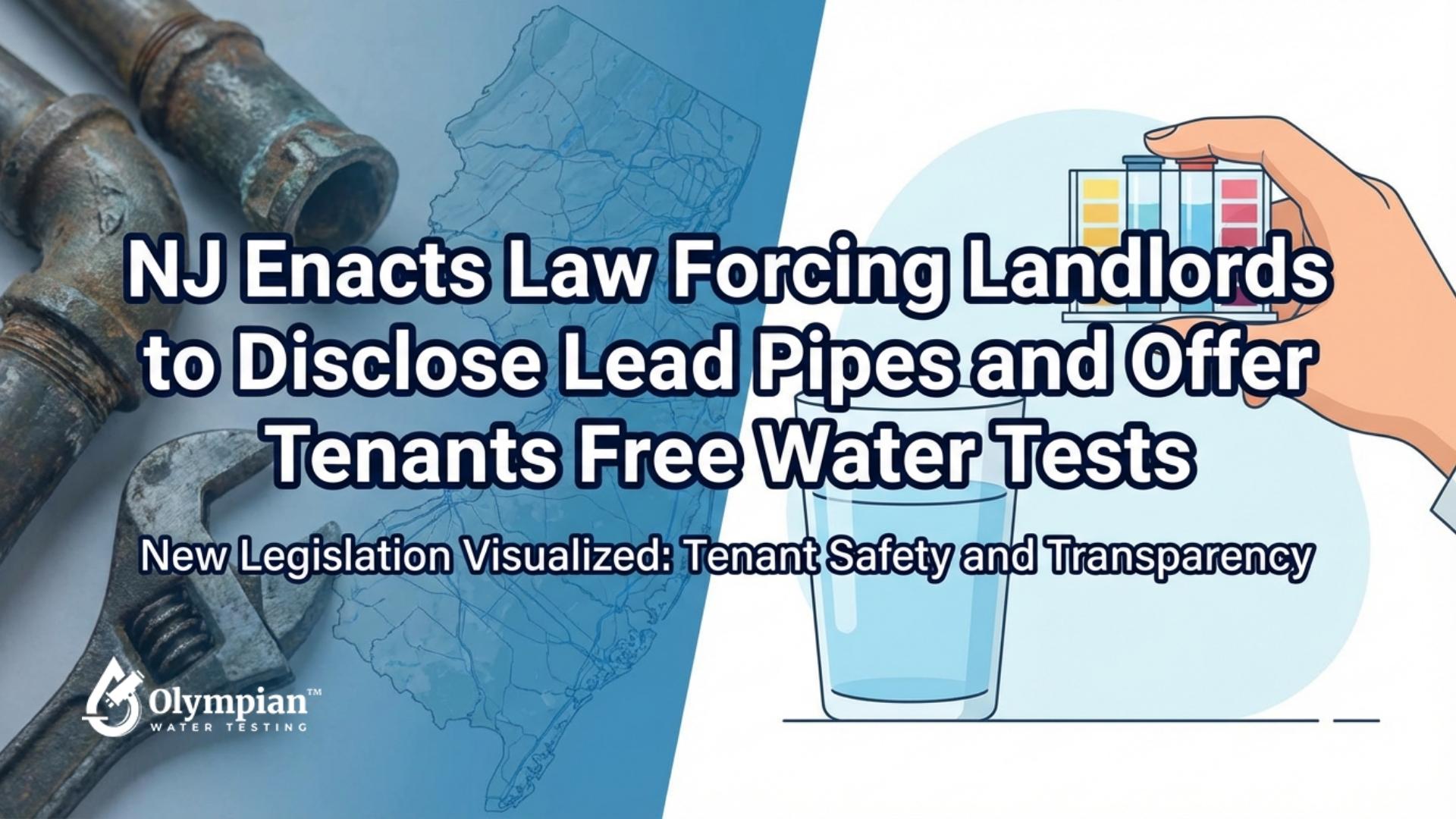
Newark, New Jersey — Newark has emerged as a model for cities nationwide in tackling the lead pipe crisis head-on, achieving the replacement of 24,000 hazardous water lines in just over two years—far ahead of the original 15-year timeline.
Facing dangerously high levels of lead in its drinking water due to aging infrastructure, Newark initiated an ambitious $195 million project to replace the old, lead-containing pipes that had long been a threat to public health. The project, however, encountered a significant hurdle: the requirement to obtain permission from property owners to access their land, a task complicated by Newark’s high proportion of rental properties.
Kareem Adeen, Newark’s Water Director, recognized the urgency of the situation and took decisive action to cut through the bureaucratic red tape. “Lead is a public health issue,” Adeen stated. “Acknowledging this, we passed an ordinance granting the city right of entry to properties, allowing us to bypass the need for individual homeowner consent.”
This legal adjustment, coupled with a robust public outreach campaign, helped build trust and transparency with residents. “We made sure the community was informed and involved at every step,” Adeen said. “Our block-by-block approach was key to our success.”
Initially slated to take 15 years, the project was completed in just 30 months, even as the COVID-19 pandemic posed additional challenges. Prior to the pandemic, crews were replacing up to 120 lead pipes daily. Even as the pandemic unfolded, the work continued at a slightly reduced but safe pace, allowing the city to achieve its goal well ahead of schedule.
Adeen’s deep connection to Newark, where he began his career filling potholes in the early 1990s, played a crucial role in the project’s success. His dedication to ensuring safe water access led him to meticulously study and digitize maps dating back to the 19th century, enabling the city to effectively locate and replace outdated lines.
The success of Newark’s lead pipe replacement program underscores the critical need for investment in water infrastructure across the country. Adeen highlighted the importance of sustained funding, pointing to the infrastructure bill passed by Congress as a step in the right direction, but emphasized that more action is needed.
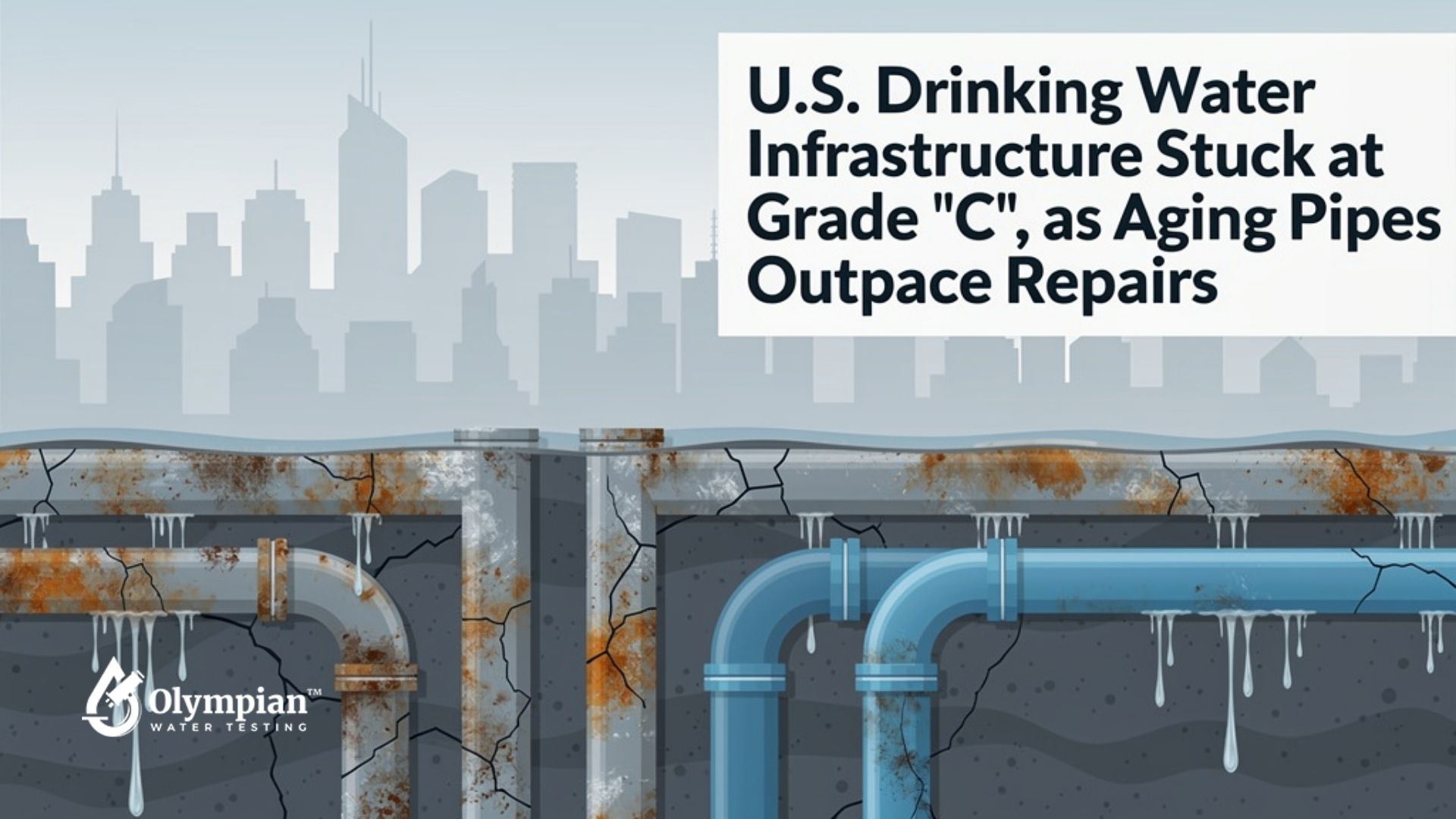
“The American Society of Civil Engineers gave the nation a ‘D’ grade for water infrastructure,” Adeen remarked. “In the richest country in the world, we must address the real cost of water to ensure safe access for all.”
Newark’s experience serves as a powerful example of what can be achieved when local governments prioritize public health, cut through bureaucratic obstacles, and engage their communities in meaningful ways. The city’s swift and effective response to the lead crisis may offer a blueprint for other municipalities facing similar challenges.
Share this on social media: