

Understanding the Scope of Water Contamination Risks
Many older homes in Connecticut have plumbing that may corrode over time. This introduces harmful substances into tap water. Pipes installed before modern guidelines can pose unexpected problems for residents.
Types of Contaminants Found in Older Plumbing
Lead is often the primary concern, but older lines can release copper, iron, and other metals into drinking water. Certain pathogens flourish in worn-out fixtures, increasing the danger for households that lack regular testing. Official guidance on reducing health hazards is available in this government resource.
Impact on Vulnerable Populations
Young children and pregnant women face a heightened risk of complications when exposed to contaminated water. Low-income renters encounter additional challenges because aging buildings might not receive timely upgrades. Experts from the Centers for Disease Control and Prevention emphasize that sustained relief hinges on awareness, proactive testing, and responsible property management.
Significance of Pre-1986 Housing and Plumbing Regulations

In 1986, federal legislation banned lead service lines and set strict limits on high-lead fixtures. Many older homes, built before 1986, use materials that can release harmful particles into drinking water. This change in policy is a critical step in maintaining public health, focusing on families at higher risk.
Replacing outdated pipes is a complex and expensive task. Local utilities, in partnership with Connecticut’s Department of Public Health, aim to find and upgrade these lines. Recently, the American Water Works Association made an important statement:
“Ensuring safe infrastructure is a priority, and older plumbing demands thorough assessment for the sake of every resident.”
Modern guidelines from the Environmental Protection Agency highlight the need for ongoing monitoring of water systems. Homes built before 1986 are under closer scrutiny, as many rental units from that era have aging plumbing. Connecticut’s free testing program helps renters identify possible hazards, ensuring community health and peace of mind.
Lead testing: Why It Matters
This critical step protects communities from a hidden danger that can persist in pipes and fixtures. Water may look fine, but lead can be present without detection. Health bodies like the Centers for Disease Control and Prevention stress the need for regular tests. This is to mitigate the risks that affect families nationwide.
Public Health Concerns
Exposure to lead can hinder young children’s development, causing learning issues and behavioral problems. Pregnant women are at risk of complications that can impact their health for life. Adults may also face health issues, including heart and kidney problems. Lead testing early on has helped communities identify and address these threats before they become severe.
Environmental Justice Dimensions
Neighborhoods with economic challenges often have outdated infrastructure, leading to higher contamination rates. Residents in these areas rely on frequent testing to uncover hidden dangers. Organizations like the Environmental Protection Agency support this effort by providing free or low-cost testing. This helps to address disparities and drive necessary changes in vulnerable communities.
Connecticut’s Free Water Testing Program: Who Qualifies?
The state has launched a free testing initiative to reduce lead and contaminant exposure. It targets tenants in older homes with limited financial means. Those meeting specific criteria are given priority for free analysis. The aim is to protect public health and enhance living conditions for families with pre-1986 plumbing.
Renters and Income Thresholds
Renters in pre-1986 buildings often face financial challenges. To qualify, participants must show they earn below state-set thresholds. They may need to provide income proof, such as tax returns. The Connecticut Department of Public Health oversees the program, focusing on those at highest risk.
Landlord Responsibilities
Landlords must ensure a safe living environment. They allow water line inspections and share relevant records, like plumbing upgrades. If contamination is found, landlords must arrange for prompt repairs. This cooperation helps maintain a safer environment for renters and fosters cleaner neighborhoods in Connecticut.
How to Apply for Free Water Testing Assistance

This process allows renters in Connecticut to confirm their eligibility for safe drinking water checks. Candidates must meet key criteria based on income levels, building age, and rental details. Collaboration with local nonprofits ensures a smoother path for families living in pre-1986 units.
Required Documentation
Applicants should gather proof of income eligibility, evidence of building construction dates, and their current rental contracts. Copies of valid government-issued identification help confirm residency. These records verify a household’s status and support timely reviews by designated agencies.
Application Timeline
Each participant must submit complete requests before the designated deadline. State offices review details in batches, aiming to speed up water testing for at-risk communities. Responses arrive faster when forms are accurate and all items are clearly labeled. Local nonprofits often provide guidance and may offer in-person help at neighborhood centers.
The Role of Government Agencies and NGOs in Water Safety
Local and state organizations unite to tackle lead and other health threats. The Connecticut Department of Public Health, along with municipal housing authorities and water utilities, enforces rules and conducts tests in at-risk homes.
Nonprofit groups provide educational resources to families about hidden dangers. They distribute water filters, offer tenant rights guidance, and raise awareness in areas with old infrastructure. These partnerships often remove obstacles and accelerate the upgrade of service lines.
- Workshops to answer questions about contaminants
- Emergency filter programs for short-term relief
- Legislative advocacy that pushes for stricter enforcement
These efforts merge official policies with grassroots actions. They drive stronger code enforcement, advocate for safe upgrades, and set realistic deadlines for compliance. The table below showcases key players and their main objectives in achieving cleaner water:
|
Organization |
Focus |
Community Support |
|
Connecticut Department of Public Health |
Regulation & Oversight |
Water testing standards, lead prevention |
|
Local Water Utilities |
Infrastructure Maintenance |
Pipe replacements, emergency monitoring |
|
Environmental NGOs |
Public Outreach |
Free filter distribution, legal aid resources |
Common Misconceptions About Lead Exposure
Many myths exist about the safety of brief or occasional lead contact. Medical studies, including those from the Centers for Disease Control and Prevention, show that even small amounts can accumulate in the body. This buildup can harm brain development in children and physical health in adults.
False Beliefs About Short-Term Exposure

Some believe boiling tap water removes toxic metals. While heat kills bacteria, it does not filter out lead. Flushing pipes is another common tip, but it only temporarily reduces exposure. Repeated use of older pipes poses a risk without a lasting solution.
Realistic Methods to Reduce Risk
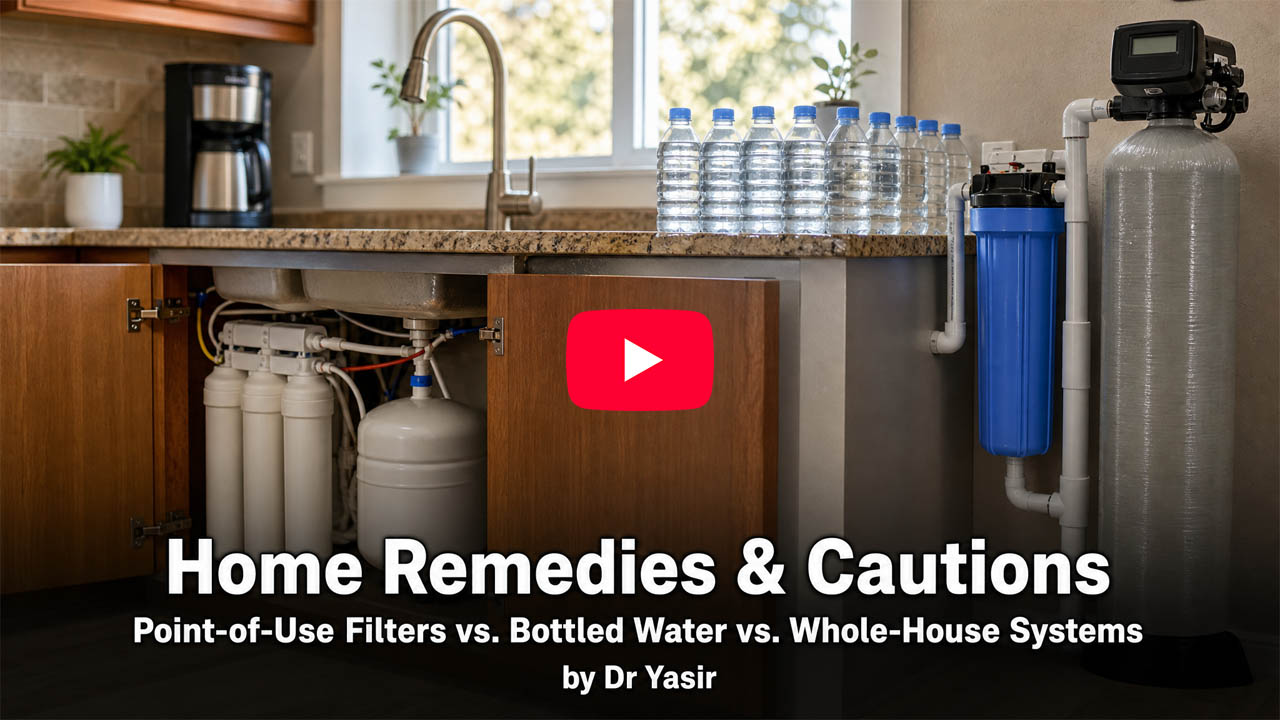
Filtration systems from brands like Brita, PUR, and Culligan can help. Corrosion control measures or replacing pipes offer better protection. Residents can contact local health programs for testing options. Regular checks and proper equipment are essential for long-term safety.
|
Method |
Key Benefit |
Maintenance |
|
Filtration Pitchers |
Reduces lead at point of use |
Replace filters regularly |
|
Corrosion Control |
Prevents metal leaching |
Professional inspection |
|
Pipe Replacement |
Eliminates lead sources |
One-time full installation |
Tips for Maintaining Safe Drinking Water at Home
Ensuring tap water quality is essential for families in older homes. Regular checks for contamination can prevent major issues. Simple actions taken often boost confidence in using water daily.
Routine Upkeep and Plumbing Checks
Damaged pipes and old fixtures can lead to lead contamination. Certified plumbers skilled in older systems can spot corrosion early. Signs like peeling seals around faucets or valves indicate deeper problems. Quick repairs can prevent significant contamination. Local agencies often offer resources for finding approved plumbers.
Using Water Filters and Testing Kits
High-quality filters, meeting NSF/ANSI Standards 53 or 58, protect against lead. Models attach to faucets or fit under cabinets. Testing kits allow for quick water quality checks. If levels are high, labs recognized by state health departments can confirm. Regular checks and targeted filtration ensure safe drinking water for all.
Cost Factors and Funding Options Beyond Free Testing

Replacing old lead lines can be a significant financial burden, hitting low-income areas hardest. Connecticut’s free testing initiative helps identify issues, but it doesn’t cover the cost of long-term repairs. This creates a pressing need for innovative funding solutions that cater to all households.
Various funding options are being explored, including state-backed grants and zero-interest loans for critical repairs. The EPA offers support for major material costs, while local nonprofits assist those who qualify based on income. Public-private partnerships can also play a role, with city departments and philanthropic groups collaborating to upgrade essential infrastructure.
When considering these funding options, property owners must evaluate each based on urgency, total costs, and eligibility. A holistic approach ensures that detection is just the beginning. Complete solutions protect families from lead risks and benefit the community in the long run.
- State grants for urgent replacements
- Nonprofit assistance for income-limited applicants
- EPA-supported loans to offset high repair bills
Long-Term Health Implications of Lead Contamination
Lead exposure poses significant risks to families across the United States. Regular testing in older homes is essential to uncover hidden dangers. Public health organizations, including the Centers for Disease Control and Prevention (CDC), stress the importance of early intervention for all age groups.
Scientific studies reveal how quickly lead can harm physical health. Children and adults need specific strategies to protect themselves, given the prevalence of aging water systems.
Neurological Effects on Children
Young brains are vulnerable to even small amounts of lead in water or paint. Research indicates that exposure can hinder focus, learning, and classroom performance. Timely testing and safe renovation efforts are critical to prevent harm.
Potential Adult Health Concerns

Adults may face high blood pressure, kidney disease, or memory issues due to long-term exposure. Monitoring residential plumbing can mitigate these risks. Regular upkeep and abatement programs are vital to safeguard families from long-term complications.
|
Age Group |
Primary Risks |
Prevention |
|
Children |
Brain Development Problems |
Frequent Tests, Safe Renovation |
|
Adults |
Organ Damage, Memory Loss |
Regular Water Checks, Abatement |
Looking Ahead to a Lead-Free Future
Connecticut is charting a course toward cleaner drinking water, relying on stable funding, unity among agencies, and unwavering determination. The federal government has mandated that utility providers replace outdated service lines. This move aims to address issues in older homes, such as corroded pipes that pose health risks. Experts advocate for outreach programs in underserved areas to keep residents informed and engaged.
New housing policies are being implemented to reduce hazards and address disparities for low-income renters. It’s essential to maintain consistent water testing to help families identify risks and choose appropriate solutions. Community partners and experts highlight the path toward a healthier future as a model for effective action. Each step brings Connecticut closer to a future where families have access to clean drinking water at every tap, ensuring peace of mind for all, from newborns to seniors.