
The Scope of Saltwater Intrusion in Coastal Louisiana
In coastal Louisiana, the weakening of the Mississippi River’s current intensifies salinity challenges. The Army Corps of Engineers notes that droughts reduce the river’s flow, allowing the saltwater wedge to advance inland. This denser mass threatens the region’s water supply by infiltrating beneath the surface, mixing with fresh water.
The low-lying terrain and fragile wetlands exacerbate the issue. Communities face shallow elevations, making it easy for brackish pools to spread. Areas that once relied on the river’s strength now face increased salinity in irrigation systems and other critical channels.
Geographic Factors Contributing to Saltwater Intrusion
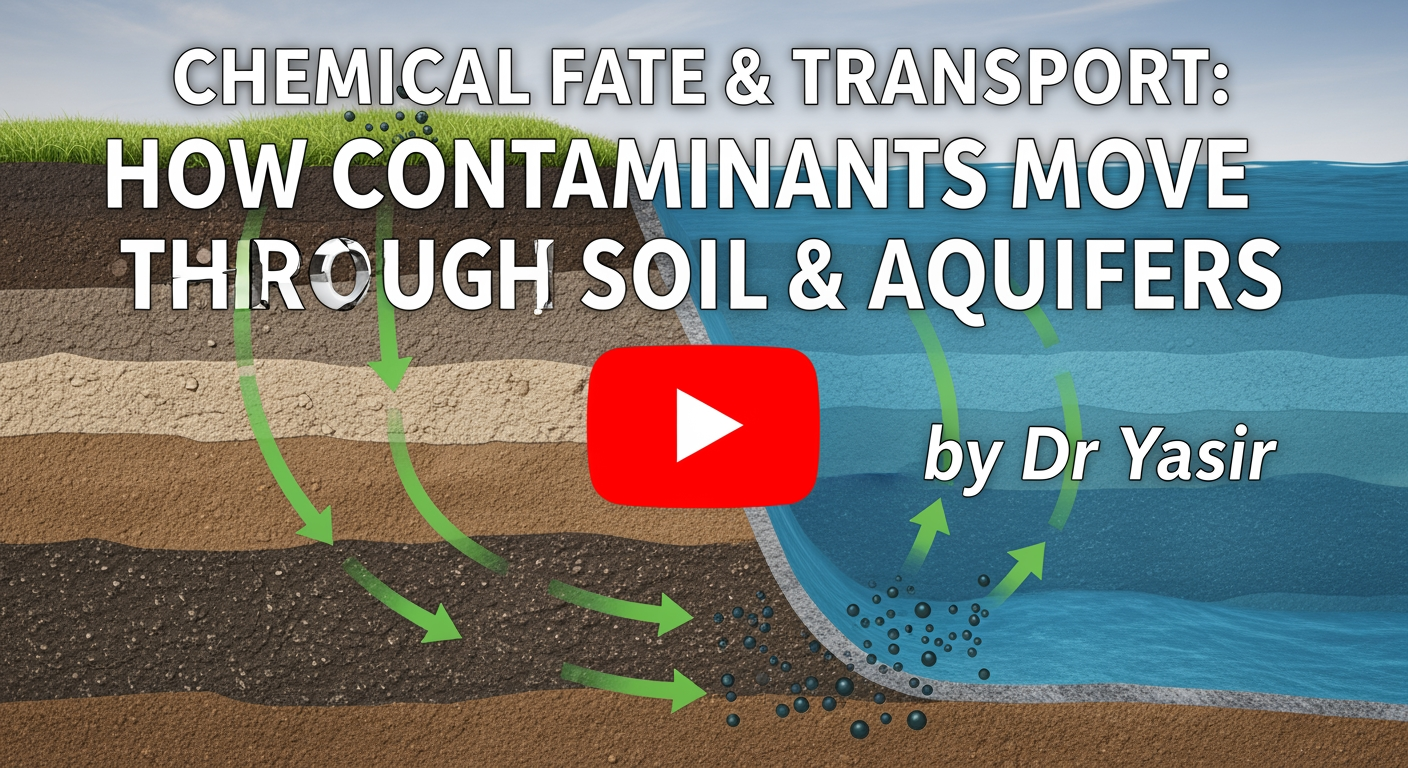
Marshy areas near the Gulf of Mexico serve as natural entry points for saltwater. Sediment loss and coastal erosion create inlets, allowing saltwater to move inland. This altered terrain enables the saltwater wedge to penetrate further, destabilizing soil and disrupting local ecosystems.
Climate Influence on Rising Salinity Levels
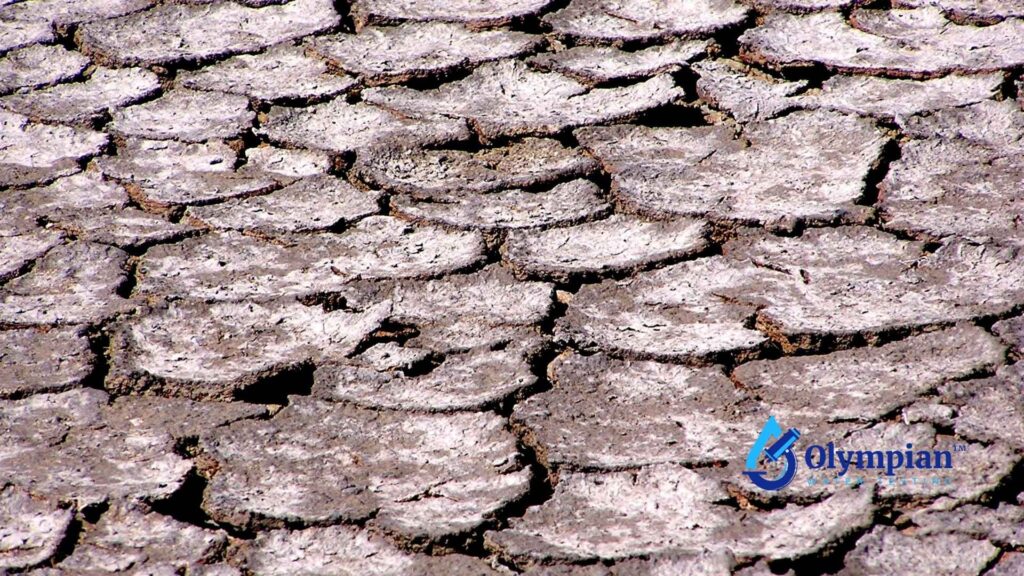
Dry spells reduce rainfall in the Mississippi River Basin, making it harder to counter Gulf waters. Shifting precipitation patterns stress the water supply, failing to replenish surface levels. Higher temperatures also increase evaporation, widening the path for incoming salt.
|
Key Factor |
Description |
Impact |
|
Reduced River Flow |
Lowered water volume due to drought |
Greater saltwater intrusion risk |
|
Coastal Terrain |
Low elevation with fragile marshes |
Increased salinity infiltration |
|
Climate Patterns |
Higher temperatures, less rainfall |
Depleted water supply levels |
Why Officials Declared a State of Emergency
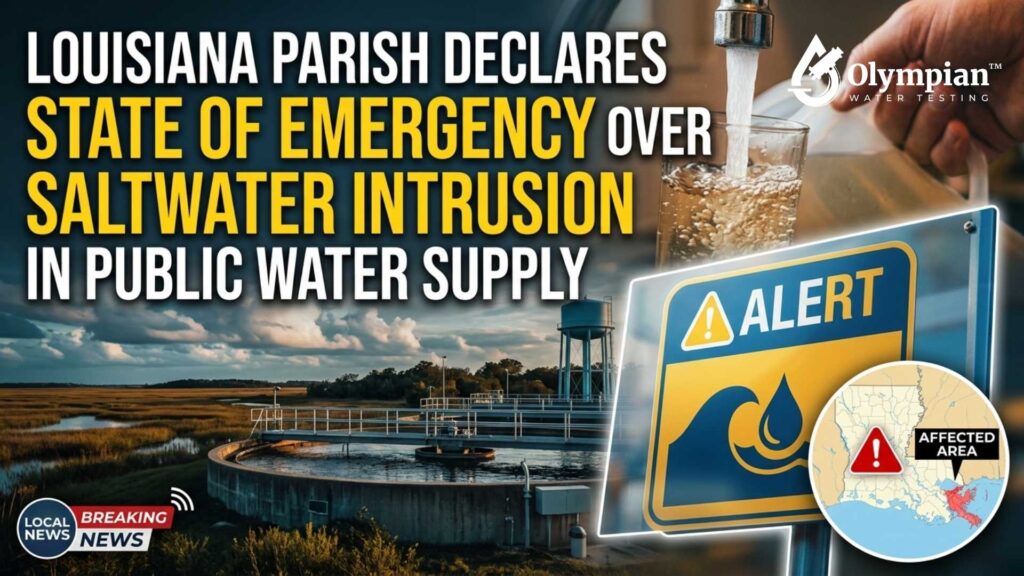
The advancing wedge of salt-laden water prompted local leaders to take drastic steps. In September 2025, Plaquemines Parish Council extended the official order when real-time tests showed salt levels exceeding safe thresholds. The rapid rise in salinity jeopardized the region’s water supply and placed countless homes in coastal Louisiana at risk of contamination.
“We witnessed a surge in salinity that demanded immediate action,” said Governor John Bel Edwards. “Swift support from state and federal partners can prevent communities from losing access to clean water.”
Leaders fear that persistent seepage will overwhelm older treatment systems if left unchecked. Reinforcements include advanced filtration methods and coordinated patrols to confirm that eachwater supplyintake remains secure. Residents acrosscoastal Louisianarely on these measures for safe drinking water as parish officials work to contain further intrusion. The emergency declaration paves the way for faster funding and efficient collaboration among agencies.
Main Health and Environmental Risks
When Mississippi River levels fluctuate, saltwater moves further inland. This poses significant challenges for communities reliant on clean water. Issues include corroded pipes, reduced crop yields, and increased treatment costs.
The Environmental Protection Agency (EPA) highlights the decline in water quality due to rising salt levels. This can lead to parched crops and dry skin among residents. Medical expenses and irrigation system repairs also escalate during these periods.
Impacts on Drinking Water Safety

Residents on municipal water face increased sodium and chloride levels in their drinking water. This is a concern for those with kidney issues and those on low-salt diets. While filters and desalination can mitigate these effects, they require significant investment and maintenance.
Threats to Aquatic Ecosystems
Freshwater species face stress as brackish habitats encroach. Native fish lose vital spawning areas, and certain plants struggle to adapt. Local agencies monitor salinity levels to protect the region’s ecological balance.
|
Problem Area |
Possible Effects |
|
Water Supply |
Corrosion, elevated health risks |
|
Marine Life |
Migration of salt-tolerant species, loss of native fish |
Immediate Responses and Contingency Plans
The U.S. Army Corps of Engineers has initiated a vital project to halt the salt wedge by constructing an underwater barrier. This strategic sill draws inspiration from past successes in 1988 and subsequent years. It aims to safeguard the water supply for tens of thousands dependent on the Mississippi River. As rainfall returns downstream, operators expect salinity levels to naturally decrease.
Local leaders and federal agencies are focusing on short-term solutions to protect communities from health risks. Water treatment facilities are adjusting their purification methods. They may also deploy temporary reverse osmosis units if salt levels rise further. Public officials closely monitor salinity readings to determine if enhanced filtration protocols are needed to maintain safety standards.
Several municipalities have started distributing bottled water to residents in high-risk areas. These efforts aim to minimize disruptions until natural conditions improve or more lasting solutions are implemented. Teams on the ground are committed to these efforts, knowing each protective measure is essential for community well-being.
Exploring Funding and Resource Allocation
Local leaders are committed to investing in life-saving projects. They rely on Parish Council minutes for guidance, often making budget amendments for water plant repairs and emergency declarations. Dedicated funds ensure the public water supply remains resilient. Yet, escalating demands necessitate careful planning and decisive action.
Federal Aid vs. State Resources
Grants from national agencies and state programs provide critical relief. Delays can hinder these efforts, prompting parishes like Plaquemines to allocate extra revenue for equipment upgrades and advanced filtration systems. This approach strengthens infrastructure defense against saltwater threats. The Louisiana Department of Health works with public officials to secure funding and reinforce pipelines.
Community Partnerships and Volunteer Initiatives
Local organizations coordinate water distribution efforts with volunteer teams and donated supplies. They form alliances with churches, nonprofits, and small businesses to expedite relief in resource-scarce areas. Neighbor-led programs often adapt quicker than larger institutions in emergencies. A shared focus on infrastructure defense and maintaining a clean water supply fosters safer communities and stability.
water supply Challenges for Local Communities
Local residents are now dealing with rising salt levels in their tap water. This issue affects towns heavily reliant on well water. City officials closely monitor these changes and consider upgrading facilities. They aim to adopt new water treatment technologies to combat these problems.
Stabilizing essential services is a top priority. Securing federal funding is key to achieving these goals quickly.
Public Awareness and Education
Community campaigns are underway to raise awareness about water contamination. Workshops at parish centers teach people about water conservation. This education is vital for maintaining safe water resources.
Infrastructure Upgrades and Maintenance

Engineers are working to reduce leaks and strengthen water lines under key roads. Documenting these efforts could attract federal funding from FEMA. This funding is critical for accelerating repairs.
Yet, careful planning and oversight are essential to ensure the long-term success of these projects.
Mitigation Strategies for Long-Term Resilience
Local leaders are exploring ways to protect communities from rising salinity. They aim to lessen damage by strengthening protective barriers and safeguarding sensitive habitats. Experts advocate for a balanced strategy that prioritizes public health and economic stability.
Urban Planning Solutions
Planners are pinpointing areas for drainage enhancements to safeguard the water supply. They consider the use of elevated structures and levees to block saltwater intrusion. In this resource, researchers dive into the financial implications of investing in resilient networks.
Marsh and Wetland Restoration Efforts
Marsh restoration is a key focus for eco-conscious groups. Communities see reviving natural buffers as a way to hold back saltwater and support local fisheries. Biologists stress the importance of planting native vegetation and managing sediment flow to recover lost terrain.
- Collect data on coastal erosion rates
- Adopt best practices for habitat preservation
- Engage residents through public workshops
|
Strategy |
Outcome |
|
Sediment Diversion |
Restores coastal landforms |
|
Elevated Structures |
Prevents flood damage |
Monitoring and Regulation for Ongoing Protection
The Army Corps of Engineers measures salinity levels along the Mississippi River, providing timely updates on saltwater threats. This regular monitoring ensures the water supply remains safe for households and businesses. It also allows public officials to plan ahead with early alerts.
New systems employ real-time sensors and predictive modeling to catch rising salt concentrations early. This proactive approach enhances climate resilience by forecasting and mitigating infrastructure damage. Local authorities often refer to federal directives to ensure consistent procedures across regions.
Regulatory rules enforce tighter usage limits during critical phases, protecting communities from sudden salinity increases. Projects that focus on climate resilience help maintain a stable water supply during environmental stress.
- Frequent data collection at key monitoring points
- Shared evaluations between local and federal agencies
- Stringent usage limits in high-risk periods
|
Technique |
Application |
Result |
|
Salinity Gauges |
Track changing salt levels |
Rapid detection and response |
|
Predictive Modeling |
Analyze future risks |
Accurate advance warnings |
|
Usage Controls |
Restrict withdrawals |
Stable water quality |
Securing a Sustainable Future for Louisiana’s Communities
State officials focus on advanced engineering to safeguard critical infrastructure. They highlight investments in new pipelines, modern water treatment plants, and enhanced pumping stations. The support for these projects is widespread, aiming to protect the water supply from saltwater intrusion.
Public meetings underscore the necessity of strengthening zoning laws. They emphasize the importance of creating safe, clean living environments for all households. This is essential for the well-being of Louisiana’s communities.
Local agencies, such as the Louisiana Department of Environmental Quality, collaborate with communities. They promote alternative water sources through public workshops. These workshops encourage innovative ideas in rainwater harvesting and smart irrigation systems.
These efforts aim to preserve drinking water quality and lessen reliance on vulnerable coastlines. Leaders work with the Environmental Protection Agency to expand research on coastal resilience solutions. This collaboration is vital for the region’s future.
Economic stability is linked to the health of wetlands and fisheries. Tour guides and fishing crews depend on stable water conditions. This ensures they can serve visitors and families effectively.
City planners advocate for public education campaigns. These campaigns help residents understand ongoing risks. Engineering firms and nonprofits work together to secure restoration grants.
By supporting marsh renewal and responsible land use, the region can maintain drinking water quality. Local universities assist with pilot programs to measure water salinity and monitor coastal basins. These efforts are critical for long-term sustainability.