
Overview of the Local Advisory
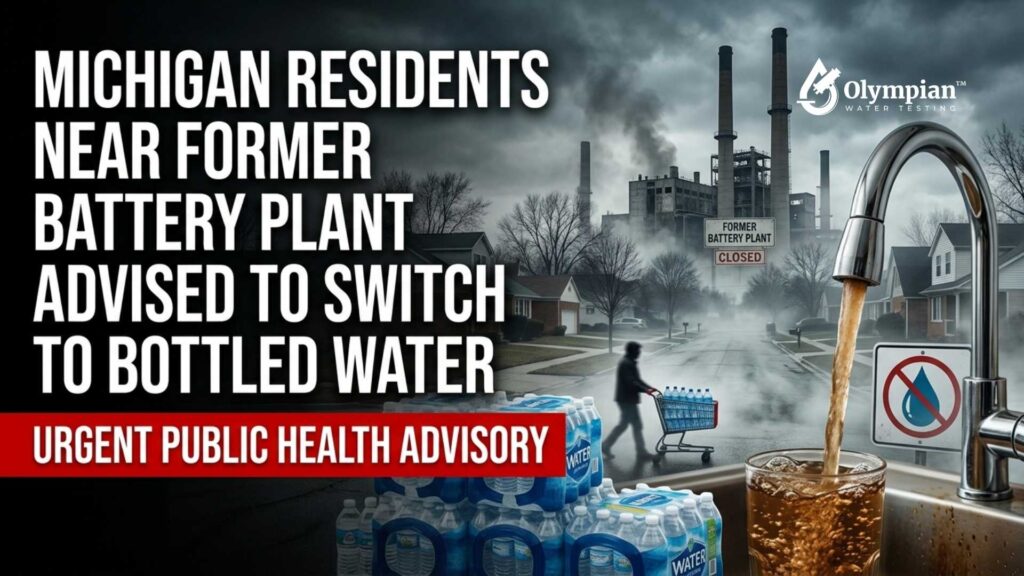
Local officials have issued guidance urging residents to be cautious around older industrial sites. Public hearings showed a strong interest in BESS facilities, raising concerns about property values and well water safety. Neighbors worry about leaks or spills that could harm local wells and streams.
Residents view these issues as part of a broader environmental concern. They point to environmental issues in areas once used for heavy manufacturing. The surge in questions about groundwater pollution has prompted officials to emphasize the importance of home water quality tests.
“People want reassurance,” said one public health officer. “They seek clear answers about what’s in their drinking water.”
A genuine community response has mobilized local groups for testing events and help lines. Officials recommend using bottled water until experts confirm wells are free from contaminants. Activists believe thorough oversight of BESS proposals is essential to protect water sources. This approach highlights the need for clear guidance on how daily activities and industrial projects impact water safety. New findings continue to shape water safety measures, providing greater transparency in local advisories.
Historical Use of the Former Battery Plant
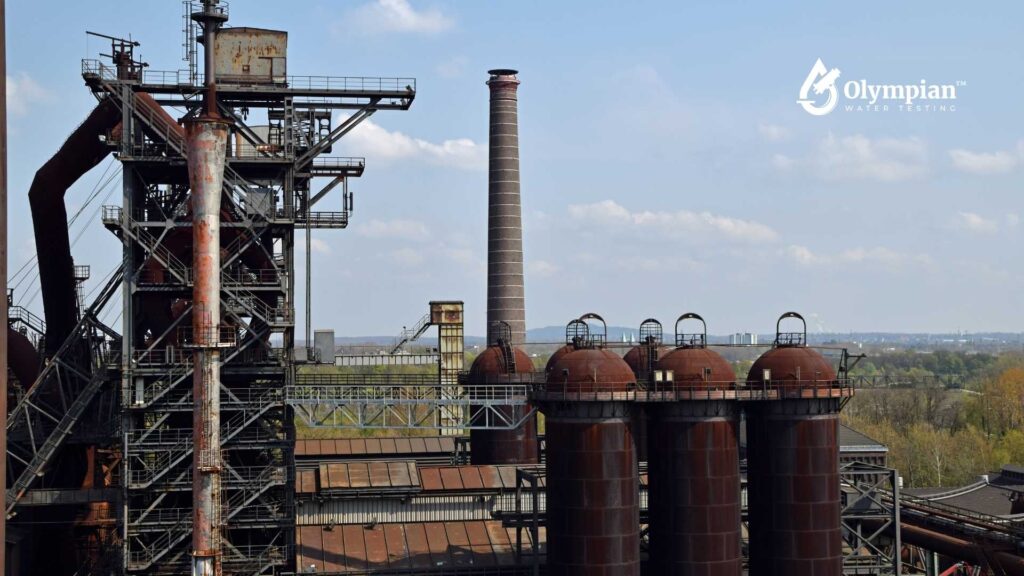
In the past, this facility was a key site for battery assembly lines. It produced advanced cells, including early lithium-ion batteries. The operations involved large amounts of chemicals, some of which contaminated the surrounding land. This led to concerns about industrial pollution’s impact on local water sources.
The facility’s history of handling chemicals left behind hazards. Soil in nearby areas showed signs of metals and solvents. Public discussions raised fears of water contamination, prompting many to question safety. The discovery of unusual readings in private wells heightened concerns, calling for stricter oversight to protect families.
Why Battery Production Impacts Groundwater
Production processes often involve acids, heavy metals, and organic compounds. Even small leaks or improper disposal can contaminate soil. These contaminants can then move through underground layers, posing risks to wells and municipal water systems.
Manufacturers are exploring ways to reduce seepage, such as using reinforced liners and real-time monitoring. This effort aims to protect local resources and minimize risks for future generations. Regular inspections by local water authorities help mitigate environmental hazards associated with production.
Signs of Water Contamination
Tap water can show subtle signs before major issues arise. Cloudiness, unusual odors, or strange flavors might signal toxic chemicals. PFAS exposure often goes unnoticed, making it critical to notice taste and smell changes. Taking prompt action is key to recognizing when professional testing is necessary for peace of mind.
Some contaminants introduce a metallic tang, while others have a rotten-egg scent. Industrial runoff or battery byproducts can alter water quality without visible sediment. Being vigilant about these signs can help prevent prolonged water contamination in household supplies.
- Metallic or bitter taste
- Unusual discoloration
- Foul or musty odor
Odor and Taste Changes
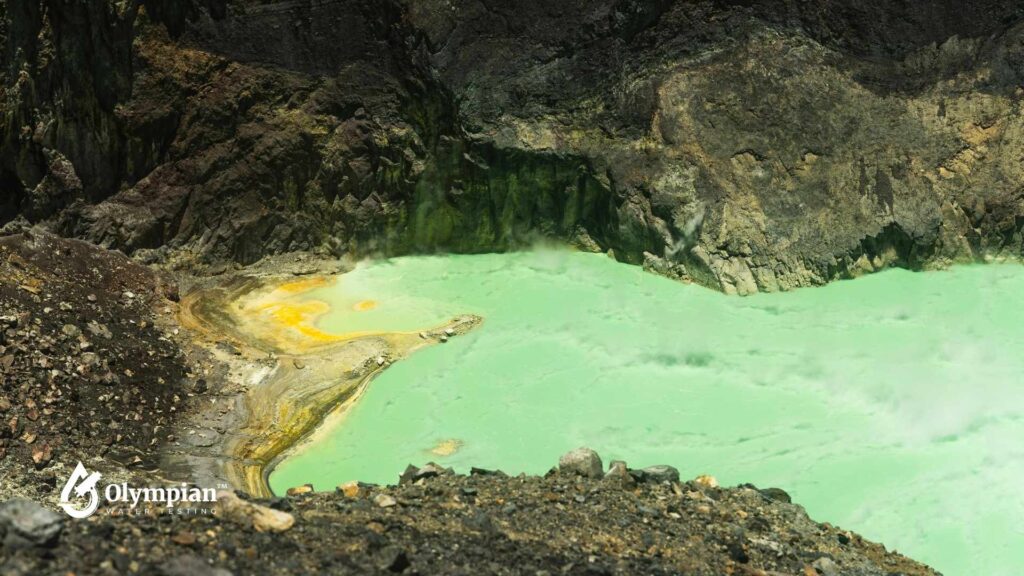
Strange smells or flavors are early warning signs of trouble. Residents might notice a strong sulfur-like aroma or a sharp chemical taste. Quick action, like scheduling lab analysis, is essential to protect health and prevent further damage.
Potential Health Risks
Exposure to harmful pollutants can lead to digestive issues, developmental complications, or long-term health problems. Early signs might be subtle, highlighting the need for vigilance. Recognizing small changes in water quality is vital for timely intervention and safer living conditions.
“The Environmental Protection Agency recommends investigating any sudden changes in water’s smell or appearance to ensure public well-being.”
Government Response and Testing Efforts
State officials have increased inspections to tackle ongoing environmental issues. Water sampling teams regularly survey affected neighborhoods. They check private wells for groundwater pollution signs. These findings are then shared with public health experts, who suggest ways to protect drinking water.
“We are determined to preserve the safety of local water sources,” a spokesperson from the Michigan Department of Environment, Great Lakes, and Energy declared.
The government is also hosting public forums to gather input on updating ordinances. This aims to protect families from future dangers. Experts advise homeowners to stay updated on contaminants and seek advice from trusted sources. For safe drinking water guidelines, visit this official source.
Local Agency Involvement
Comstock and Blendon Township planning commissions have put BESS discussions on hold. This shows their involvement in assessing risks. They are working with environmental specialists to track chemical hotspots and answer community questions.
By delaying development until more information is available, these commissions demonstrate their commitment to transparency. They prioritize public health in their processes.
Why Bottled Water Is Recommended
Residents across various townships have been advised to switch to bottled water due to industrial contamination threats. A bottled water advisory is a quick response to safeguard communities from water pollution. It immediately reduces exposure to harmful chemicals, metals, or pollutants, ensuring drinking water safety.
Bottled water serves as a reliable alternative, bypassing damaged water systems. It offers a solution when industrial runoff is suspected in local water. This measure provides temporary relief while investigations determine the contamination source. It also paves the way for necessary repairs to enhance water quality in the long run.
- Stops frequent ingestion of chemical residue
- Offers immediate peace of mind when contamination is suspected
- Gives officials time to plan large-scale improvements
- Protects households expecting short-term relief but seeking long-term solutions
While bottled water is not a permanent fix, it ensures families’ safety while authorities assess water conditions. This precaution empowers households to make informed decisions. It fosters collaboration between state officials, health experts, and communities to protect water resources for future generations. Together, they seek guidance from the U.S. Environmental Protection Agency for effective remediation and purification strategies.
Water Filtration Methods to Consider
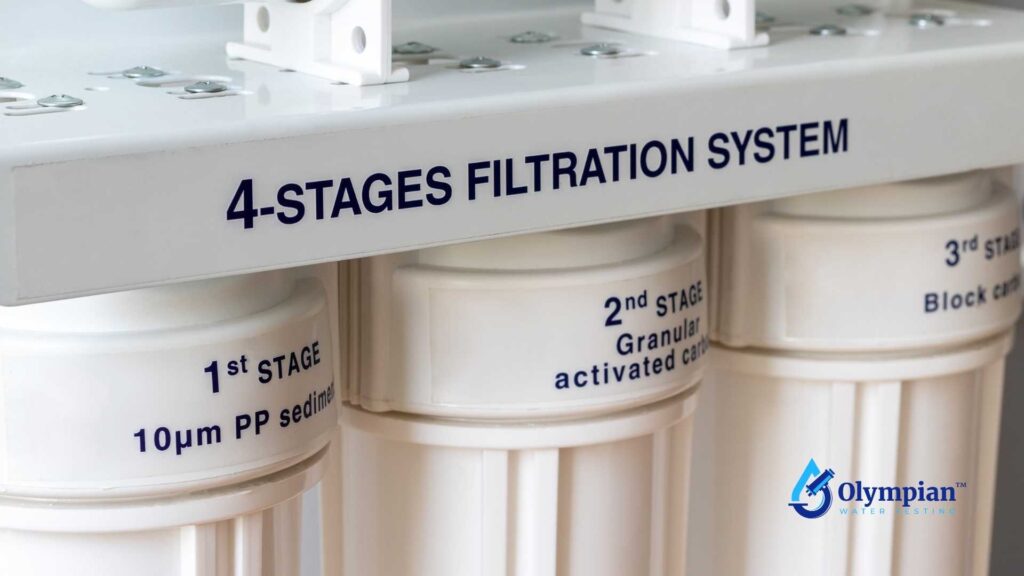
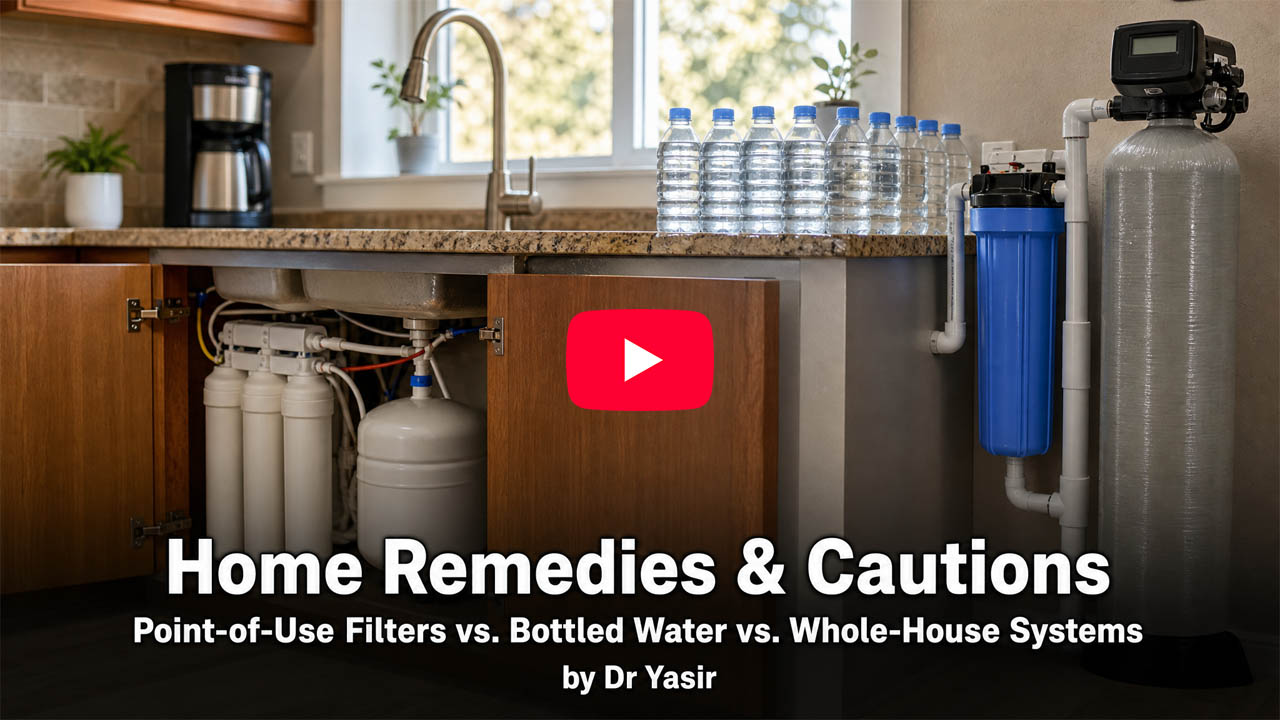
Residents aiming for household water protection often weigh different water filtration options. Selecting the right system can reduce PFAS exposure and may support cleaner water. This is important for those concerned about septic systems linked to groundwater concerns. Many households look for filtration units that balance cost and performance.
Activated Carbon Filters
Activated carbon excels at trapping many volatile compounds. It can significantly cut back on certain contaminants by attracting them to its porous surface. Models from established brands come in pitchers or point-of-use devices. Regular cartridge replacement is needed to maintain thorough purification.
Users appreciate the simplicity of these filters in removing sediment and improving taste.
Reverse Osmosis Options
Reverse osmosis pushes water through semi-permeable membranes. This technology often tackles smaller pollutants compared to carbon-based systems. It does require specialized parts, which may drive cost upward. Some units operate under the sink, while others are installed at a main supply point.
Despite the extra investment, the process catches impurities that slip through standard filters.
Filtration Method | Key Benefits | Potential Drawbacks |
Activated Carbon | Reduces odors, improves taste, easy to install | Frequent filter replacements, not as thorough on very fine particles |
Reverse Osmosis | Removes a wide spectrum of contaminants | Higher cost, complex setup, slower flow rate |
Understanding Water Contamination Near the Former Battery Plant

Groundwater pollution is a pressing issue near the former battery plant. Community hearings reveal that remnants from lithium-ion battery facilities can seep into soil layers. This situation causes residents to constantly worry about industrial pollution entering their wells. The presence of toxins in these water sources poses significant health risks.
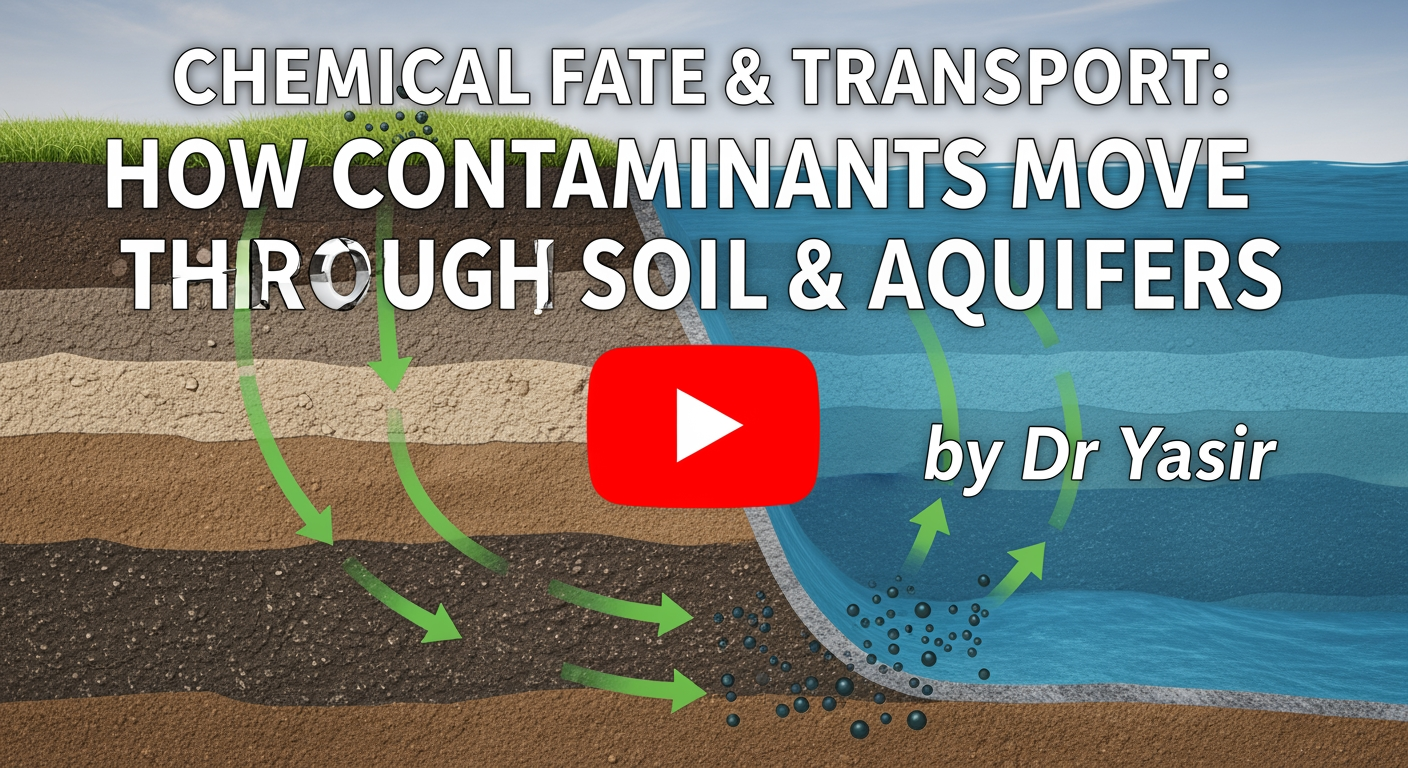
Experts note that contaminants move through bedrock fractures and porous soils. This makes pinpointing contamination sources challenging. Records show that septic systems can also contribute to unwanted leaks. For more information on how battery waste pollutes the environment, visit this resource.
How Pollutants Spread Underground
Community leaders are working to understand these pathways to develop effective cleanup plans. Small cracks in underground layers enable water to carry harmful substances far from their original source. Local initiatives push for regular well testing, as early detection is critical for family safety. Collaboration between environmental agencies and homeowners is essential to mitigate further damage.
A statewide panel emphasizes the importance of ongoing education on safe waste disposal. Public events focus on proper disposal of older battery units. Community workshops aim to teach responsible handling of hazardous materials, aiming to lower health risks in nearby areas.
Tips for Choosing Safe Drinking Water
Many families look for ways to ensure drinking water safety near industrial sites. Testing is essential, as one contaminated well doesn’t mean all neighbors are at risk. Labs accredited by the Environmental Protection Agency can identify specific dangers.
"Regular testing is the best way to identify contaminants before they impact health."
Experts stress that water contamination can stem from heavy metals or PFAS exposure. Both require swift action to safeguard public health. Families might explore filtration options or opt for bottled water if advisories are issued.
Choosing the right method is vital for household water protection. Here are some steps to follow:
- Look into local water quality reports to understand possible pollutants.
- Install certified in-home filters (like NSF-approved) to remove harmful substances.
- Choose bottled water that has been regularly tested if filtration is not an option.
Community Involvement and Local Support Groups

Town halls in Comstock Township, Blendon Township, and Cadillac have seen large crowds. People come together to form advocacy networks, conduct independent investigations, and demand clear strategies from officials. They view a local community response as essential in tackling environmental issues near the former plant.
Grassroots coalitions work with legal experts and respected nonprofits. They analyze lab results, discuss possible health risks, and highlight the dangers of contaminated water. Their efforts lead to new ideas for better oversight and safer groundwater practices.
Resources for Affected Families
Collectives provide direct support to those in need. They organize donation drives for water filtration systems, share updates on treatment methods, and list resources for families affected. Some groups collaborate with water experts to offer free or low-cost testing clinics. This helps residents confirm the safety of their wells, giving them peace of mind.
Comparisons to Other Contaminated Sites Nationwide
Across the United States, communities grapple with water issues stemming from widespread contamination. In states like New Hampshire and Wisconsin, residents have uncovered hidden dangers in their private wells. The presence of PFAS exposure became apparent after years of factory waste and firefighting foam runoff.
The Environmental Protection Agency is actively investigating the impact of industrial pollution on public health. Their focus often falls on metal finishing operations or landfill sites where toxic chemicals can contaminate groundwater. These cases highlight that no community is immune to environmental hazards.
Some neighborhoods have taken to grassroots efforts to push for stricter oversight of manufacturing plants and better testing standards. Local governments have responded by enforcing stronger waste-disposal rules to prevent further contamination. Fresh studies emphasize the shared goal of safeguarding household water, underscoring the critical need for effective measures. This collective effort showcases the ongoing concern for water safety, mirroring the experiences tied to the former battery plant’s legacy.
Steps to Protect Your Household Water Supply
The pursuit of safe drinking water is a critical endeavor, more so in areas with industrial activities. Families across the nation prioritize safeguarding their water sources. The recent discovery of PFAS in unexpected locations near industrial sites has raised alarm. This has led to discussions about installing new filters, connecting to municipal water lines, and combating water contamination.
Regular Testing Suggestions

Regular water testing, ideally every year or two, is essential to catch pollutants early. Private wells, situated near industrial areas or septic systems, are at higher risk. Simple tests can uncover changes in water odor, bacteria levels, or chemical presence. Early detection is key to preventing health issues and boosting confidence in local water quality.
Emergency Preparedness Measures
Communities develop emergency plans for sudden leaks or spills. Residents in Comstock and Blendon Townships stock up on bottled water and familiarize themselves with evacuation routes. Being prepared includes staying updated on local alerts and investing in water purification systems like activated carbon filters. These measures protect families from unforeseen water quality threats.
Moving Forward with Greater Awareness
In Michigan, community actions highlight the power of collective voices in shaping local decisions. Government bodies carefully consider health impacts before greenlighting industrial projects. This process raises awareness about water contamination caused by PFAS exposure, prompting a community-wide response.
People are now more aware of the dangers posed by environmental concerns. This awareness fuels a movement to protect families from the risks associated with former battery plants. It emphasizes the critical need for stringent regulations in these areas.
Residents are proactive, testing their wells, installing filtration systems, and seeking expert advice. The Michigan Department of Environment, Great Lakes, and Energy (EGLE) organizes community forums to explore solutions. This surge in awareness is seen as a step towards cleaner water and a healthier environment.
It also brings to the forefront the health risks linked to unregulated chemicals. The community demands stricter standards from industry leaders. This collective effort strengthens neighborhood bonds, as people share resources and advocate for long-term safety.