
Understanding the New EPA Report
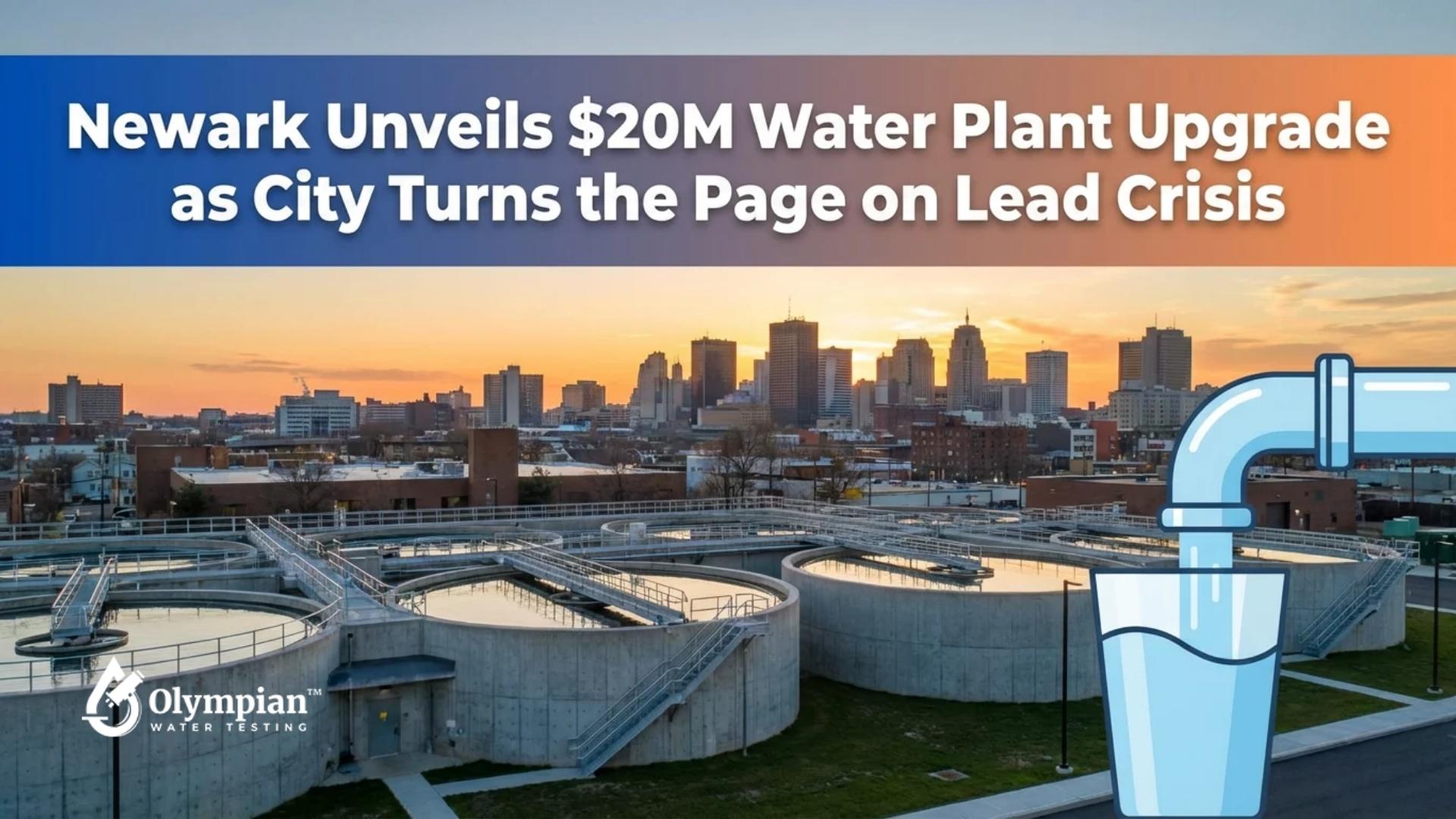
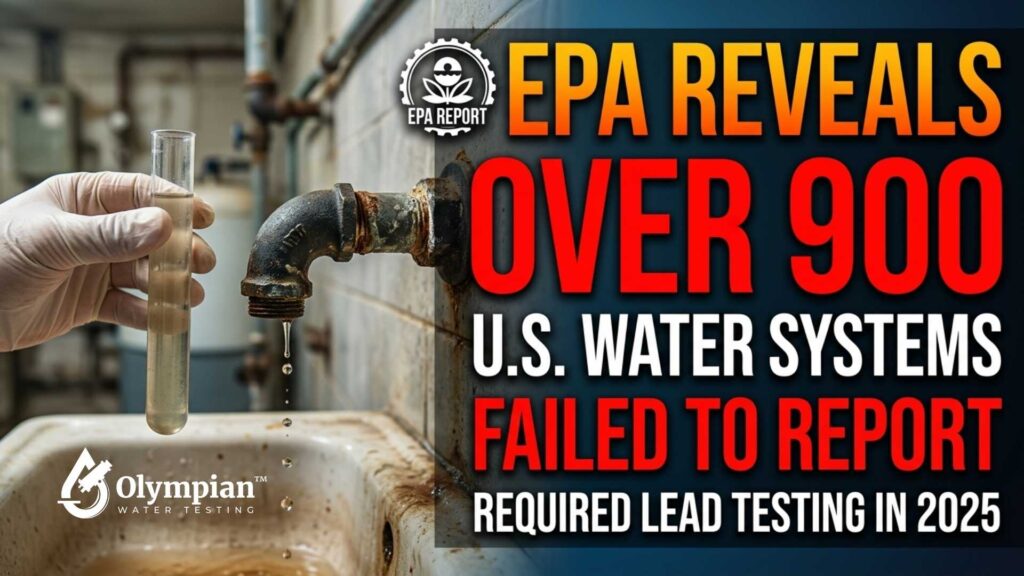
The Environmental Protection Agency has released a report that poses significant challenges for municipalities across the nation. City officials are now reevaluating their infrastructure, focusing on aging pipelines, such as those in New York City. The existence of undocumented lines in both urban and rural areas raises concerns about oversight and resource allocation.
Concerns about lapses in reporting are growing across the country. The federal regulations are under scrutiny in Congress, with differing opinions on stricter guidelines. The public health implications are critical, yet decisions hinge on accurate data and leadership.
For more insights, refer to understanding the EPA’s Lead and Copper Rule. These regulations stress the importance of timely detection of contaminants. Experts recommend a strategic plan for lead service line replacement to safeguard residents and uphold water supply trust.
|
Key Focus |
Significance |
|
Congressional Challenges |
Debates on revised rules and funding |
|
Lead Service Line Replacement |
Reduces contamination risks and boosts confidence |
|
Public Health Impact |
Protects vulnerable populations and supports long-term well-being |
Why Compliance with Federal Guidelines Matters

Meeting mandatory benchmarks ensures water systems are accountable. This helps protect families from harmful toxins. Lead contamination is a serious threat, prompting agencies to conduct thorough testing and accurate reporting. Following EPA lead regulations is a critical step in safeguarding public health.
Potential Health Consequences
Children are highly susceptible to elevated lead levels. Even minor increases in blood lead levels can harm their cognitive development. Adults may face fertility issues and nerve damage. Key risks include:
- Impaired brain and nervous system function
- Increased risk of cardiovascular problems
- Long-term impact on kidney health
Economic Impacts on Water Systems
Operators who disregard EPA lead regulations face significant financial burdens. These include legal fees, medical costs, and infrastructure overhauls. Federal grants can help with line replacement projects if compliance is met. Early upgrades reduce the need for urgent repairs and maintain community trust.
Lead Contamination Risks
Lead contamination enters drinking water through corroded pipes in aging infrastructure. Cities like New York have found numerous homes with high lead levels. Metro Detroit communities also face similar concerns, with levels near or above new safety thresholds.
Regular testing and quick repairs are essential for maintaining water quality in areas with old pipes. Experts stress the need to identify risks early to prevent major problems.
High-Risk Populations
Children and pregnant women are at a higher risk from lead exposure. Schools and daycare centers with old plumbing require special precautions. Early intervention in these settings is critical to safeguard the health of young individuals.
Infrastructure Vulnerabilities
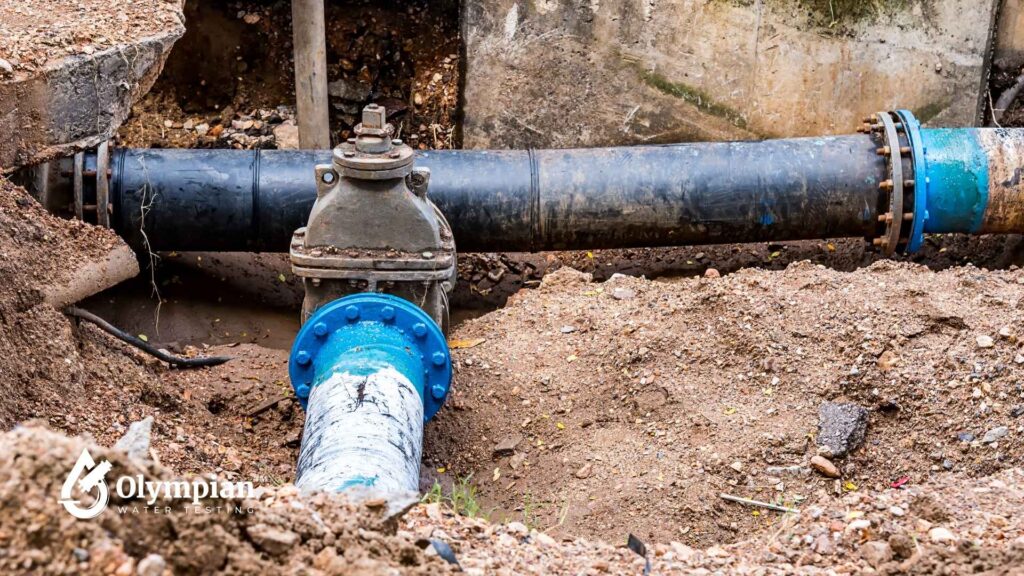
Outdated pipes and service lines pose hidden dangers to communities. Accurate inventory updates are often lacking, hindering rapid responses. Identifying high-risk areas is vital for improving water system compliance.
“Even a small amount of lead can pose a significant danger over time.”
|
Location |
Possible Risk Factor |
|
New York City |
Older lead plumbing in residential properties |
|
Metro Detroit |
Aging pipelines and outdated service lines |
lead testing: A Crucial Preventive Measure
Free test kits from the New York City Department of Environmental Protection showed that about 25% of samples had lead traces. This highlights the importance of early detection in protecting public health. It uncovers hidden contamination sources in both homes and public pipelines. Regular testing alerts officials when lead levels exceed safety standards, prompting immediate action to mitigate risks.
Encouraging home water testing helps pinpoint contamination hotspots and shields high-risk areas. This builds trust between health agencies and the community. It ensures that solutions are tailored to meet local needs. Once contamination is confirmed, replacing lead service lines becomes a necessary step. Testing data also informs long-term strategies for ensuring safe drinking water, protecting every home.
The Role of State and Local Governments

State and local agencies play a critical role in managing lead exposure. They are responsible for collecting data, coordinating the replacement of lead lines, and enforcing EPA regulations. Their efforts protect the community’s drinking water, reducing health risks from outdated pipes and testing gaps.
Accurate record-keeping is vital in this endeavor. Some areas have found misclassified streets with lead lines that don’t exist. Others struggle with funding or trained staff for physical inspections. Timely updates and open communication with residents foster trust and encourage testing.
Monitoring and Enforcement Challenges
Officials face budget constraints, limited staff, and a tight schedule for lead inventory updates. They distribute test kits, analyze water samples, and inform property owners of results. Failure to comply poses safety risks and attracts federal penalties.
Resources for Water System Upgrades
Local governments pursue grants, low-interest loans, and support from infrastructure programs. They leverage these resources to acquire modern equipment and enhance pipelines. Collaboration among utilities, health departments, and community leaders addresses technical challenges while prioritizing public health.
How Communities Can Stay Informed
Keeping abreast of water quality is essential, and it starts with accessible resources and clear reporting. Public websites, like those from the New York City Department of Environmental Protection, offer test data by area. This helps residents track lead levels and understand protective measures. City officials’ outreach supports stronger water system compliance by urging timely checks on hazards.
Residents have various channels to rely on. Local health departments notify promptly when levels exceed safety standards. Community boards provide guidance on lead service line replacement and highlight the benefits of improved infrastructure. Free testing kits and educational seminars empower individuals to identify and address dangers.
Public Awareness Campaigns

Groups advocate for messages that encourage neighbors to join monitoring programs. Lawn signs, local ads, and social media campaigns prompt citizens to request lead testing and stay informed about upgrades. This collective effort connects households with critical information, fostering a culture of shared responsibility for safe drinking water.
Calls for Stronger Oversight
Many elected officials advocate for stricter regulations, despite the challenges posed by limited resources. Health advocates, such as the Sierra Club, push for consistent supervision to ensure safe drinking water everywhere. It is urgent to stay vigilant against proposals that could weaken current protections or cut funding for essential programs.
Community groups and nonprofits urge lawmakers to maintain health-focused standards, building public trust. They stress the importance of transparency in policy-making and the need for ongoing commitment to safe drinking water. By exposing the dangers of regulatory rollbacks, citizens and advocacy groups build momentum for enhanced oversight. This collective effort can steer public and private investments towards more reliable water quality standards. Even though local governments may face obstacles in meeting strict guidelines, dedicated oversight ensures lasting protections for families and businesses nationwide.
Innovative Technologies for Lead Detection
Engineers and researchers are pushing the boundaries of water safety with advanced technologies. They’re using new sensor materials and corrosion inhibitors to detect lead early. This approach helps prevent lead buildup in home pipes.
These innovations meet stricter EPA lead standards, increasing accountability in local utilities. Through partnerships, communities learn about effective water quality programs. This knowledge helps them manage lead proactively.
Real-Time Testing Devices
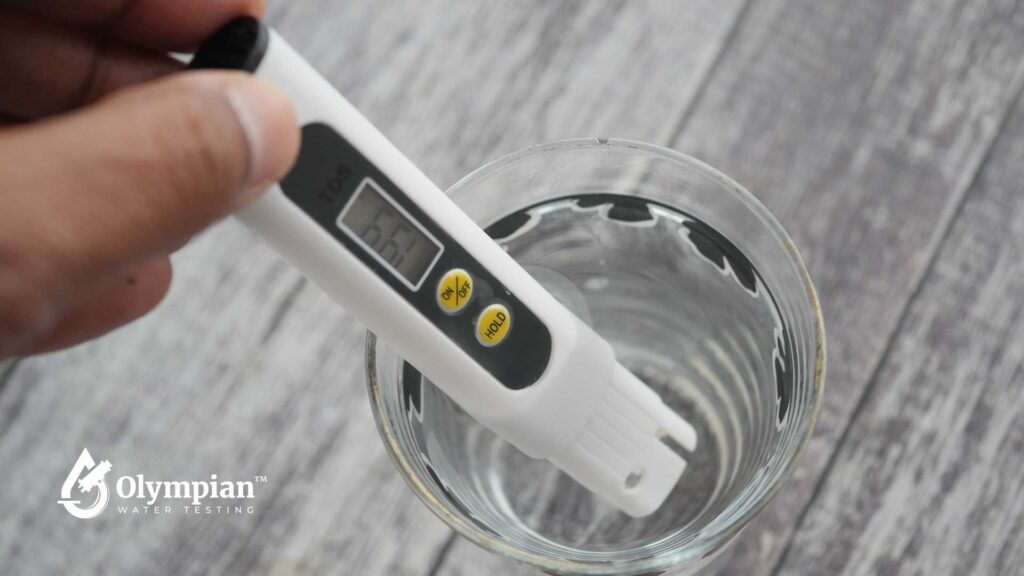
Now, there are compact tools that give instant contamination updates. Many people are excited about innovations in point-of-care lead detection. These tools help identify problems early, thanks to improved sampling and small-scale instruments.
Data-Driven Solutions
Mapping tools, machine learning, and predictive analytics are making lead line identification more precise. Advanced software systems identify high-risk areas, guiding public works teams. They use orthophosphate treatments in older pipes.
Digital dashboards provide clear, consistent data, building trust among residents. This data drives informed decisions and enhances water safety strategies.
Addressing Funding and Policy Gaps
Large cities like Detroit are receiving federal grants aimed at replacing lead pipes. Yet, many funds remain undistributed. Property owners’ hesitation to participate in lead removal initiatives slows progress, even with financial support available. This hesitation extends project timelines and complicates water system compliance, where outdated infrastructure demands urgent upgrades.
Public agencies face budget constraints while identifying lead service lines and conducting continuous testing. Streamlined grant applications can encourage broader engagement. Community members often lack clear guidance on accessing available money. Encouraging property owner participation through transparent communication and coordinated programs boosts water system compliance and lowers long-term health risks.
When financial resources reach neighborhoods in a timely way, policy gaps shrink. The entire community moves closer to dependable, lead-free water.
Moving Toward Safe Drinking Water for All
Communities are pushing for effective ways to lower exposure risks and safeguard public health. The replacement of large-scale lead service lines is seen as a key step. This move is supported by national agencies and grassroots movements. Detroit’s efforts and New York City’s 2037 plan demonstrate the impact of focused projects on reducing contamination in older pipes.
Experts emphasize that achieving safe drinking water requires stable funding, clear progress reports, and community involvement. Elected officials, technical teams, and advocates are essential in driving policy changes. Their collective work aims to protect vulnerable neighborhoods, ensuring families can trust the water they consume daily.
Enhanced oversight and cutting-edge detection tools are expected to accelerate progress toward healthier water systems. Leaders who recognize lead hazards as a collective responsibility foster accountability. By prioritizing underprivileged areas, we can make the promise of clean, safe water a reality for all.