

Why Uranium Levels Are Rising in Ridgefield CT
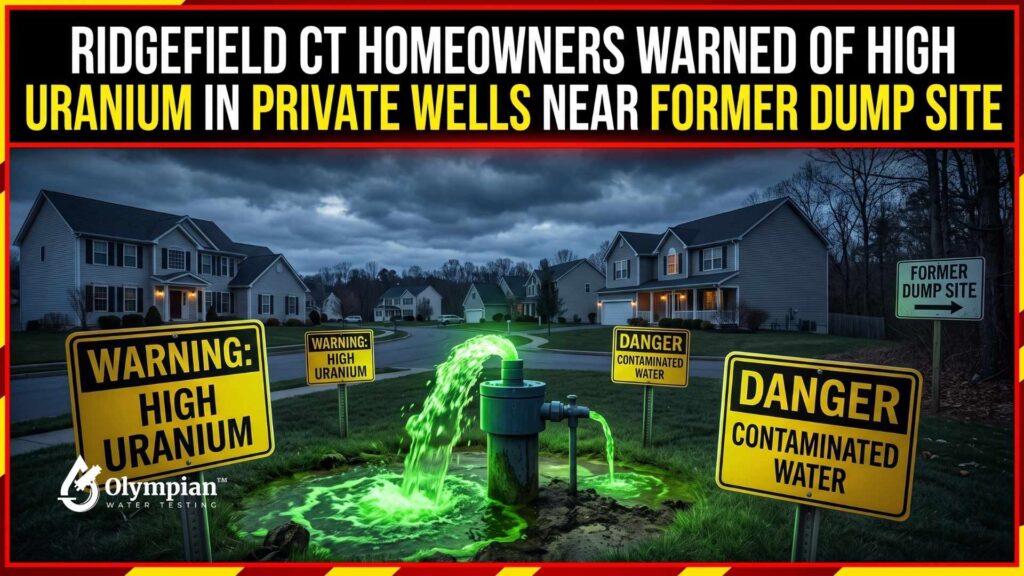
Residents in Ridgefield CT have observed sudden increases in uranium levels in their drinking water. Many believe these changes are due to contamination from private wells. This is a significant concern for families relying on underground water sources. The question remains, what is driving this trend?
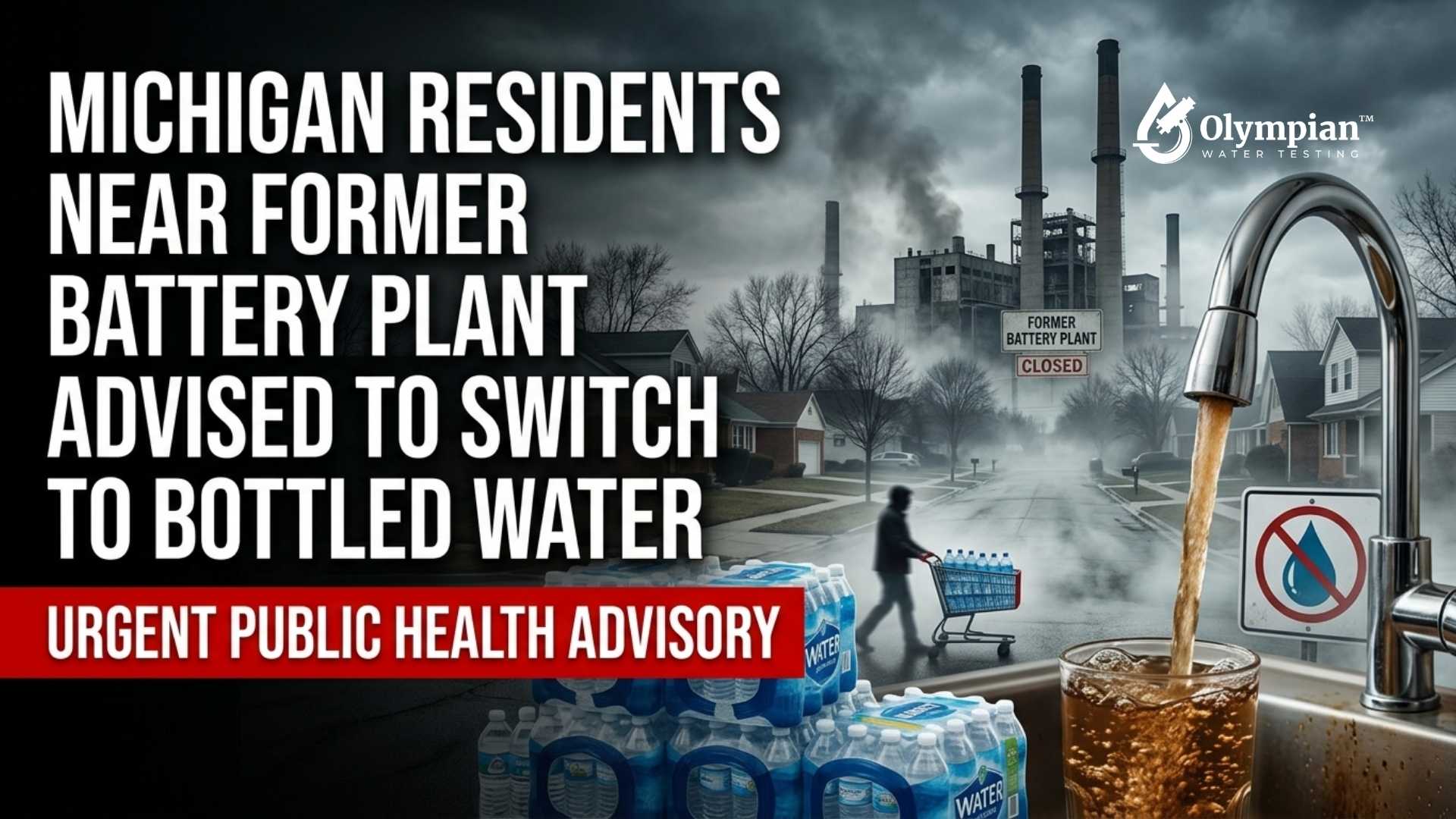
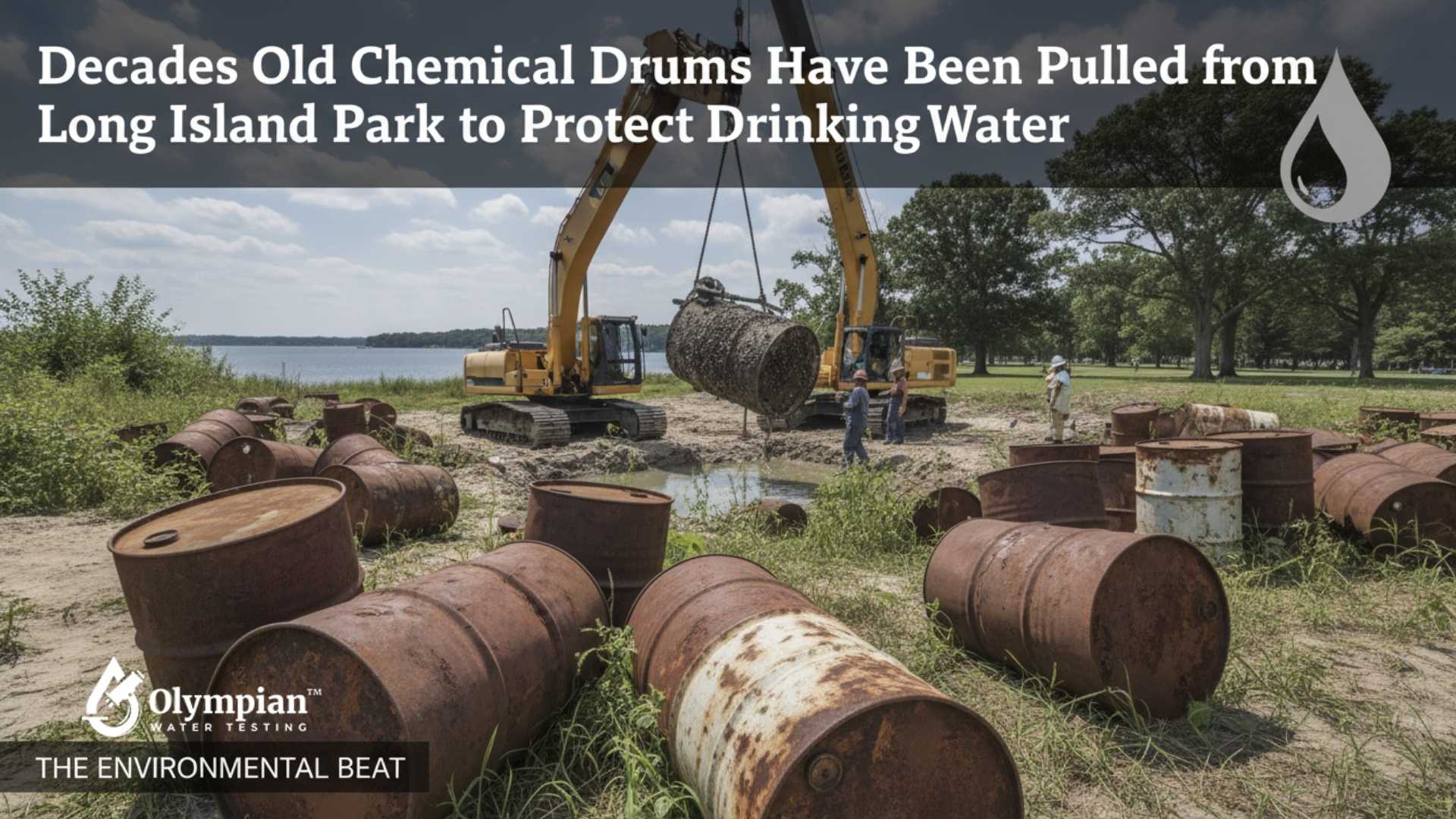
Local researchers suggest that leaks from old dumping grounds could be the culprit. These sites once held industrial and household waste. They may continue to affect groundwater systems. By studying rock formations and soil, researchers can trace the path of pollutants to residential wells.
Historical Dump Site Impact
Decades of improper disposal can lead to metals in the soil. This contamination can travel through the earth, posing a long-term risk to well users. The decay of materials further exacerbates the danger to water quality.
Environmental Factors Contributing to Contamination
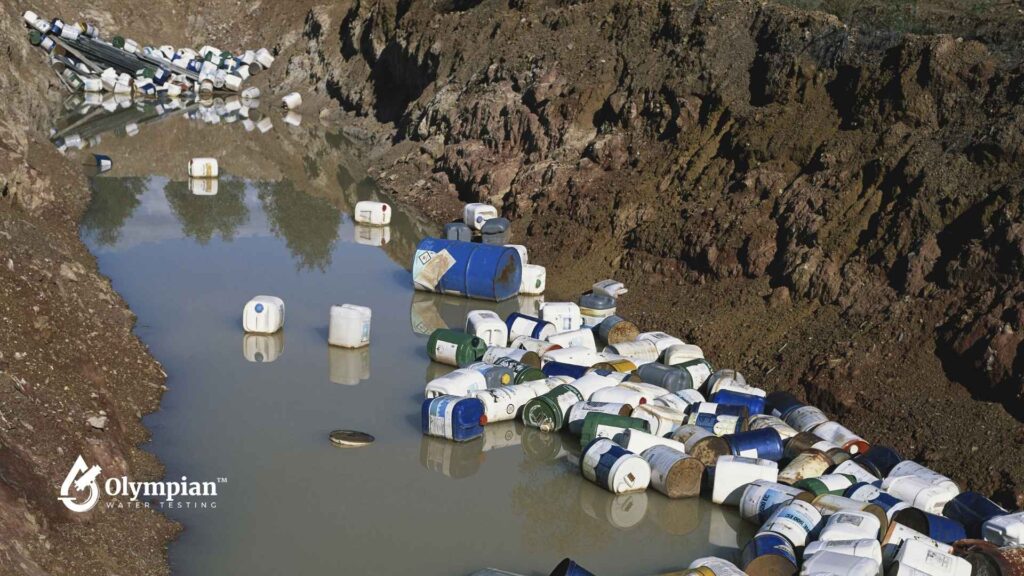
Ridgefield’s varied geology, water flow, and vegetation all play a part. When these factors interact, wells become more susceptible. Monitoring rainfall and runoff helps pinpoint where pollutants enter water supplies.
Potential Health Implications for Residents
When well water has high uranium levels, residents may face serious health risks. This toxic exposure can cause immediate discomfort and stress on vital organs. It’s a critical issue that demands attention.
Children and the elderly are more vulnerable to uranium health hazards. Regular ingestion of contaminated water can lead to kidney problems and increase the risk of other diseases. This is a long-term concern that requires immediate action.
Authorities emphasize the importance of regular testing to mitigate these risks. By conducting frequent screenings and acting swiftly, households can reduce exposure to toxins. This proactive approach not only protects families but also pets and neighbors, ensuring a safer environment for all.
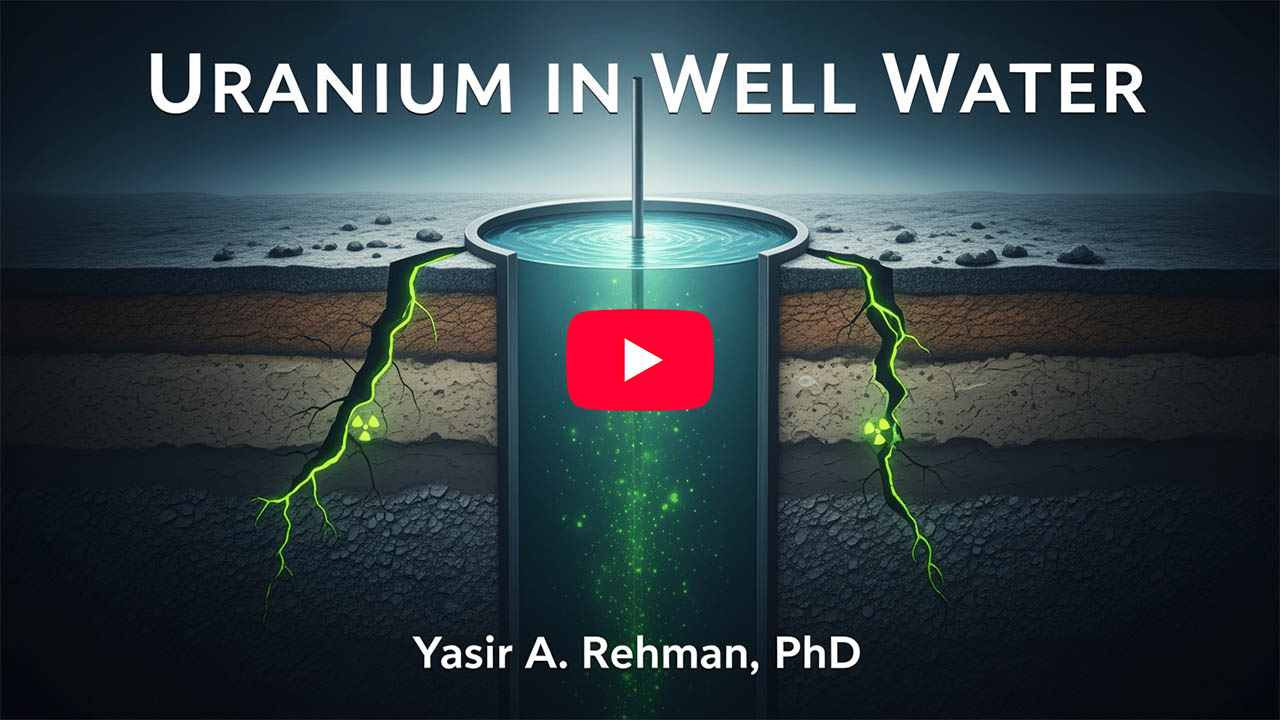
Understanding the Risks of Uranium in Well Water
Uranium in private wells can pose hidden threats to many homeowners. Even small amounts might seem harmless at first. Yet, long-term exposure can become a significant worry. Homeowners seek peace of mind, knowing their drinking water is safe.
It’s vital to grasp how uranium interacts with local aquifers. This knowledge helps mitigate risks and ensures water quality.
How Uranium Affects Drinking Water Quality
The natural breakdown of uranium can lead to low-level radiation concerns. This metal dissolves in groundwater, potentially causing health issues over time. Often, the taste or color of water doesn’t change, making it hard to detect risks.
Testing is key to uncovering problems before they worsen. It helps identify issues early, ensuring water remains safe to drink.
Possible Sources of Groundwater Contamination
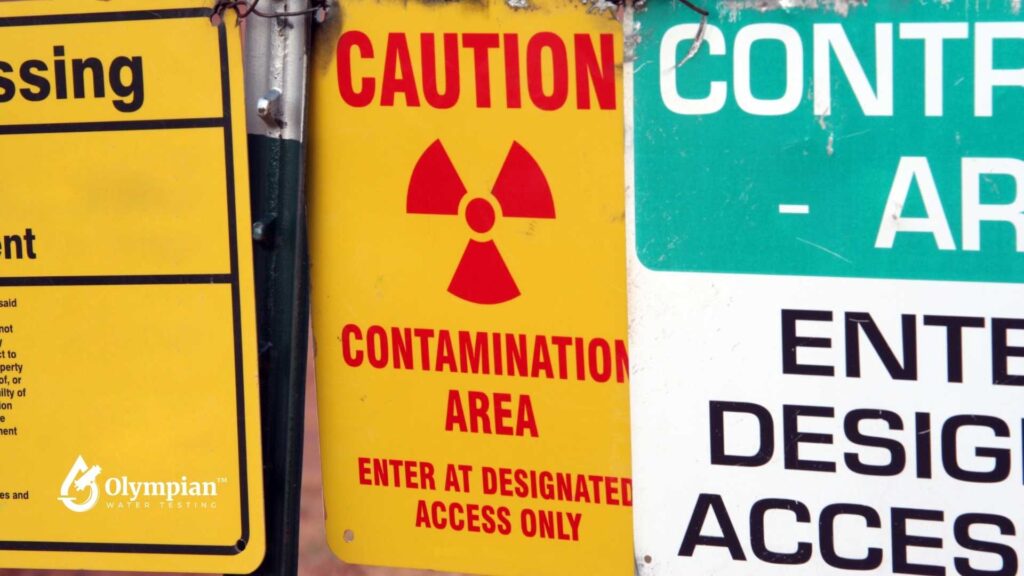
Industrial runoff and remnants of older dump sites are major contributors to groundwater contamination. Geological formations beneath the surface can also release uranium into water supplies. Monitoring groundwater is essential for community safety.
By staying proactive, communities can remain informed and safer. This vigilance helps protect against the risks of uranium in well water.
|
Pollutant |
Impact on Water |
|
Uranium |
Raises radiation concerns and compromises safe drinking water |
|
Industrial Byproducts |
Increases groundwater contamination risks |
Recommended Testing Procedures
Residents looking to understand uranium contamination can start with water testing kits. These tools guide users through each step with clear instructions. The results often show up on strips, but a second check is always reassuring.
Health agencies recommend regular retesting. This keeps residents informed about any changes in uranium levels. It helps in catching any increases early, preventing health issues.
While at-home tests are useful, they might not cover everything. Experts from licensed laboratories can verify initial findings. They use advanced equipment to provide detailed results and tailored advice. This ensures accurate data on water safety.
Some testing services also offer tips on how to collect and store samples. They advise using clean containers and mailing samples quickly. These precautions help homeowners trust the accuracy of their test results.
Interpreting Well Test Results
Residents often get laboratory reports filled with numbers and unfamiliar abbreviations. Understanding uranium test readings is key to knowing if well water is safe. These measurements show how much uranium is present, indicating possible exposure risks. If you see high values, look at health agency recommendations and seek expert advice.
EPA data shows common reports use units like micrograms per liter (µg/L) or picocuries per liter (pCi/L). Each unit measures radioactivity differently. Compliance guidelines suggest when action is needed, protecting against harm. It’s smart to track results over time to spot trends and act quickly if readings increase.
Early awareness helps prevent bigger worries later.
|
Parameter |
Indicator |
Recommended Range |
|
Uranium (µg/L) |
Concentration |
Below 30 µg/L |
|
pH Level |
Acidity/Alkalinity |
6.5–8.5 |
|
Hardness |
Mineral Content |
60–120 mg/L |
Essential Safety Measures for Affected Homeowners
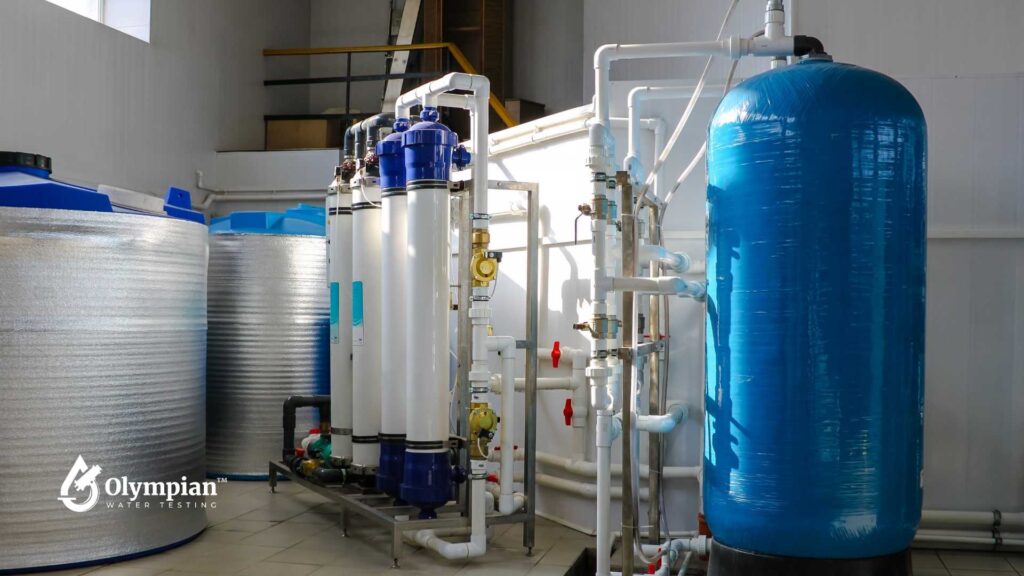
Residents facing contaminated wells must take practical steps to ensure safe water. Testing results often raise concerns about long-term health. Yet, simple measures can significantly reduce these risks.
A variety of filtration options can lower uranium levels and enhance water quality. Solutions include reverse osmosis, activated carbon, and ion exchange. Each method addresses unique concerns, providing flexible approaches for different properties.
These filtration options target radioactive elements while preserving beneficial minerals. Reverse osmosis is a thorough approach. Homeowners should choose systems that match their local well conditions.
Proper Maintenance and Regular Testing
Following a maintenance schedule keeps equipment reliable and extends its life. Clean filters and regular inspections protect families from unexpected contamination surges. Regular testing helps identify when adjustments or upgrades are necessary.
|
System |
Key Benefit |
Possible Drawback |
Maintenance Need |
|
Reverse Osmosis |
High-level contaminant removal |
Requires adequate water pressure |
Yearly filter changes |
|
Activated Carbon |
Improves taste and odor |
Does not eliminate all metals |
Frequent cartridge replacement |
|
Ion Exchange |
Targets specific elements |
Resin may need recharging |
Periodic professional check |
Implementing a robust maintenance schedule ensures each method stays effective. This gives homeowners ongoing peace of mind.
Working with Local Authorities and Water Experts
Residents find solace in collaborating with local officials who ensure safe drinking water. Together, they conduct site inspections, analyze data, and plan strategies. This collaboration ensures timely updates on water quality and prompts swift action against contamination risks.
Local public health department staff assist homeowners in applying testing protocols. Adherence to EPA guidelines ensures each step meets high standards. This maximizes accuracy and promotes long-term health benefits.
Available Government Resources

Grants and assistance programs help property owners cover testing and filtration costs. State agencies offer educational materials, workshops, and phone support. These resources provide ongoing assistance.
Professional Consultation Steps
Certified water quality specialists conduct detailed evaluations and suggest customized treatment systems. They verify results and provide written reports on well conditions. These reports include maintenance tips for ongoing safety. Keeping detailed records of inspections facilitates communication with regulatory bodies and homeowners.
Avoiding Common Misconceptions
Many people believe well water is always pure, but this is not true. They think boiling water can remove all toxins. While boiling can kill bacteria, it does not eliminate heavy metals. This misunderstanding puts residents at risk of contamination.
myths about uranium spread quickly through conversations and online forums. This misinformation affects public perception and makes it hard to find effective solutions. The only reliable way to ensure water safety is through regular testing.
"The Environmental Protection Agency recommends regular laboratory analyses to address toxic elements in drinking supplies."
- Consult certified specialists for thorough well evaluations
- Use filtration systems designed for heavy metal removal
- Follow guidelines for safe water usage during emergencies
|
Misconception |
Reality |
|
Boiling eliminates minerals |
Boiling only kills bacteria, leaving metals intact |
|
Rural wells are always clean |
Groundwater can be tainted by industrial and natural factors |
Ensuring a Safe Home Environment for the Future
Creating a home safety plan is key to family security. It involves regular water quality checks. Residents should schedule lab tests yearly, monitor taste and color changes, and update their filtration systems as needed.
Local resources, like state environmental agencies and EPA guidelines, offer up-to-date info on contaminants. Regular testing catches any unusual trends early, preventing bigger problems. This proactive approach improves health, even when new developments might change groundwater flow.
Effective well maintenance prevents harmful substance buildup. Simple actions, such as sealing wells and limiting chemical use, reduce risks. It’s also wise to research trusted treatment systems and consult geologists familiar with the local terrain.
Engaging with neighbors can uncover new solutions to shared issues. By focusing on clean water now, families protect future generations from hidden dangers. This effort also fosters community unity.