

Why the Newark Lawsuit Raises Familiar Alarms
Public trust in water safety is once again put to the test. The Newark school system is under scrutiny due to concerns over lead contamination in drinking fountains. Many are left wondering if the lessons from past crises have been absorbed.
An Echo of the Flint Water Crisis
The story of Flint is well-known to millions. The Flint water crisis exposed how aging pipes and slow responses can erode public trust. Residents see lead contamination as a warning that infrastructure problems continue to threaten students’ health. Elected officials are under pressure to tackle these dangers before they escalate.
Mounting Concerns Over Student Health
Parents and health advocates are increasingly worried about the long-term effects of lead contamination on children’s development. Medical experts caution that even minimal exposure can impair cognitive function and academic performance. Families demand reliable information on water quality, urging schools to act swiftly and securely.
|
Key Factor |
Newark Lawsuit |
Flint Crisis |
Common Concern |
|
Year of Public Outcry |
2018 |
2014 |
Delay in Official Action |
|
Main Issue |
Lead Contamination |
Water Safety |
Infrastructure Neglect |
Highlighting Critical Data on Lead Levels

In a recent notice, the Environmental Protection Agency urged educators to conduct thorough inspections and release findings to the public.
Lead measurements from school fountains show the effectiveness of filtration systems. Detailed testing reveals areas needing immediate attention. Transparent reporting helps administrators track shifts in contamination levels and calibrate resources for plumbing upgrades.
Data serves as evidence that fosters trust and drives policy reviews. Families prefer timely updates on lead concentrations before children consume water on a daily basis.
Ongoing sampling schedules empower educators to plan for better protection and maintain school water safety. Continuous evaluation of lab results shapes proposals for statewide funding to install modern pipes and reduce harmful risks.
Many districts invest in updated testing tools to refine their data collection. Leading groups recommend routine checks at consistent intervals. This reliable process strengthens school water safety and addresses community concerns with dependable information.
Lead in schools: Ongoing Challenges and Urgent Responses
Many districts face significant challenges due to outdated water systems. The Newark lead crisis highlights how old plumbing can introduce toxins into drinking water. Immediate actions and checks are taken to prevent further harm. Yet, deeper reforms are needed to address the root causes.
Parents, teachers, and health advocates push for lasting solutions. Water filters and testing programs help reduce exposure. Schools wait for major upgrades, with some relying on grants for these improvements. Consistent efforts are key to achieving real safety improvements.
Recent Studies on School Water Quality
Researchers have found growing evidence of widespread challenges. Lab samples across different counties show increased contamination levels. This data emphasizes the urgency of maintaining regular schoolwide testing schedules.
Evidence of Infrastructure Neglect

Pipe corrosion and failing fixtures often go unnoticed for years. The Newark lead crisis revealed how deteriorated systems can harm health, education, and trust. It’s essential to replace defective components quickly to prevent further contamination.
|
Issue |
Impact |
Potential Solution |
|
Outdated Plumbing |
Elevated Lead Levels |
Filter Installations |
|
Poor Maintenance |
Contamination Risks |
Regular Inspections |
Understand the Health Risks Associated with Lead Exposure
Children are uniquely vulnerable to lead contamination during critical stages of brain development. Even slight exposure can undermine concentration and memory, placing students at a disadvantage in the classroom. Medical research links lead exposure to behavioral issues, such as aggression and impulsivity.
Drawing lessons from the Flint water crisis helps communities understand the wide-ranging impact of contaminated water sources. Decades of data show that any amount of lead can prove detrimental. Pediatricians and public health experts warn that lead in school fountains may trigger cognitive disruption well into adulthood.
- Symptoms often remain silent until levels become severe.
- Persistent exposure demands routine screening for early intervention.
- Children’s nervous systems suffer long-range repercussions.
“No quantity of lead is considered safe for children,” stated the American Academy of Pediatrics.
Parents, educators, and lawmakers share the responsibility to address water quality concerns. Stronger regulations and upgraded infrastructure can help prevent irreversible harm. Results from the Flint water crisis underscore the urgent need for protective measures to safeguard each student’s future.
How Lawsuits Are Pushing Policy Changes
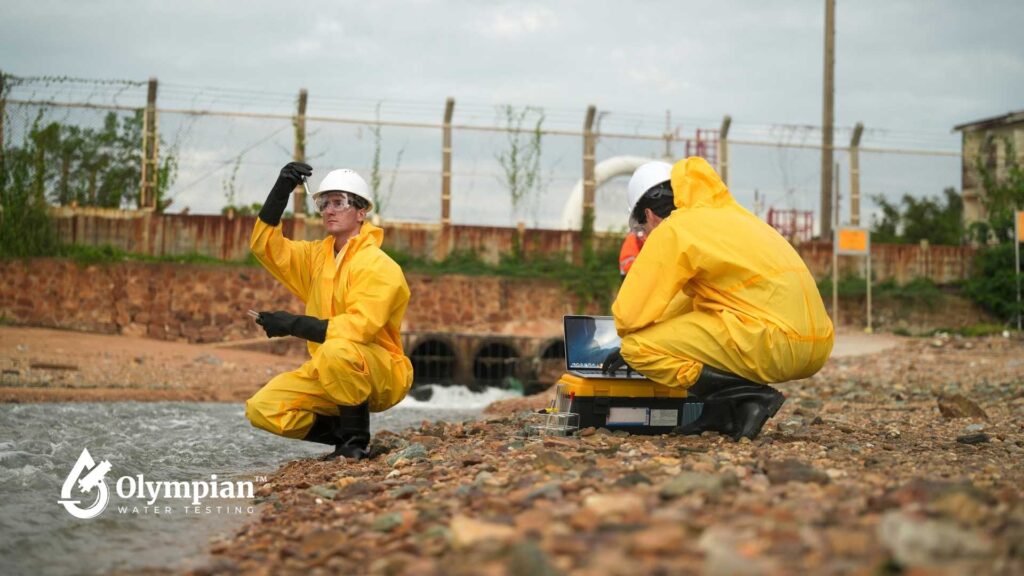
Parents and advocacy groups are now taking legal action to demand stronger protections against water contamination. Their efforts are shedding light on school systems’ vulnerabilities. The Newark case exemplifies how lawsuits can drive reforms by exposing health risks from unsafe drinking fountains.
Legal Pressure on NJ Schools
Many districts are facing court orders to conduct transparent testing and expedite repairs. Families are increasingly demanding detailed records of every faucet and pipe. This growing legal pressure is compelling boards to establish more stringent procedures for addressing aging infrastructure.
National Implications for Water Safety
Across the country, governments are reevaluating local guidelines with renewed urgency. Advocates predict the introduction of stricter lead standards and clearer reporting requirements. This heightened awareness could prompt officials to invest in critical upgrades in older buildings, mitigating health risks for students.
Below is an overview of the policy changes lawsuits might bring about:
|
Category |
Potential Change |
|
Transparency in Water Testing |
Public results and accessible data for each school |
|
Infrastructure Overhauls |
Installations of modern pipes and certified filters |
|
Stricter Lead Standards |
Lower permissible levels and increased government oversight |
Comparing Newark’s Water Systems to Flint’s
Newark’s water concerns mirror those of Flint, where lead pipes and poor corrosion control led to health crises. Both cities have aging pipelines, exposing residents to harmful contaminants. Yet, each faced these issues under different regulatory environments. Newark officials are under growing pressure to tackle emerging data and risks from deteriorating water systems.
One water safety advocate once remarked:
“Safe drinking water should never be a privilege—it must be a universal right.”
These words resonate deeply for both Newark and Flint. The costs of addressing contaminated sites are high, but ignoring them is even more costly. This has led to repeated demands for infrastructure upgrades to safeguard families and schoolchildren.
Experts stress that lead contamination can linger without immediate action. Investing in infrastructure upgrades and maintaining oversight is essential to avoid future crises.
Practical Steps for Reducing Lead in School Environments

Districts are upgrading their water systems and setting clear standards. Experts stress the importance of regular inspections and continuous enhancements to protect students. Policy adjustments can also lead to increased funding and technical assistance.
Upgrading Pipes and Plumbing
Outdated plumbing is a common source of lead contamination. By switching to modern materials, schools can significantly reduce corrosion and protect their water sources. Municipal initiatives encourage schools to identify and replace high-risk sections of their pipes.
Regular Testing and Monitoring
Regular water sampling is essential for detecting lead levels. Schools can use third-party labs or certified kits for accurate results. Open communication about these findings helps build trust and prompts policy changes.
Implementing Remediation Programs
Installing filtration systems and centralized treatment methods can greatly reduce exposure to harmful substances. Trained staff and volunteers are key to maintaining these programs. This proactive approach ensures a safer environment for students and allows for continuous monitoring of progress.
|
Initiative |
Benefit |
|
Pipe Replacement Projects |
Minimizes lead leaching and improves water flow |
|
Frequent Testing Schedules |
Ensures fast response to emerging issues |
|
Filtration Upgrades |
Removes contaminants at the tap |
Community Engagement and Awareness
Families, educators, and community leaders unite to enhance oversight in schools. They scrutinize lead reports, challenge decision-makers, and support local testing efforts. This keeps communities well-informed.
Engagement grows when people share resources and voice concerns at town halls or online forums. This collective effort strengthens demands for safe drinking water and ensures ongoing monitoring. Clear objectives and transparent reports build trust in schools and local authorities.
“Gathering facts as a community can spark unified movements,” the American Academy of Pediatrics emphasizes, highlighting the strength of collective action.
Being aware of risks fuels awareness and prompts immediate action. Parents, medical professionals, and policy experts join forces. This collaboration bridges the gap between official policies and practical changes, leading to healthier school environments.
Weighing Costs and Funding Solutions

Many school administrators face a daunting task when balancing the cost of new water systems against their budget. Replacing old pipes, upgrading filtration systems, and keeping fixtures clean require a thoughtful financial plan. They aim to fund these upgrades without cutting into essential academic resources.
Districts often seek funding solutions to ease the financial burden. They explore various grants and financial packages to bridge the gap and expedite repairs. By outlining a detailed plan with specific timelines, officials can tackle immediate issues while planning for long-term stability.
State Grants and Assistance
Several states provide targeted aid to help cover the costs of replacing lead-tainted plumbing. School boards apply for these programs to avoid placing an undue burden on local taxpayers. This assistance can enhance water safety standards by accelerating critical infrastructure projects.
Resource Allocation Challenges
Decision-makers must navigate competing demands when allocating limited resources. Some projects require urgent attention, yet funds are scarce. Finding funding solutions requires collaboration with officials, financial advisors, and health experts. Successful coordination ensures schools prioritize student well-being.
Looking Ahead to Safer Learning Spaces
Education leaders emphasize the importance of ongoing monitoring to ensure safe drinking water in classrooms. They push for updated state laws that mandate regular inspections and public disclosure of results. The Centers for Disease Control and Prevention suggest that schools implement strict maintenance schedules for pipes and filters. This can significantly reduce contaminants before they reach students.
Long-term strategies involve replacing outdated infrastructure and using certified water filters in critical areas. The U.S. Environmental Protection Agency backs grant programs to help districts upgrade their fixtures. These efforts help schools maintain health standards, even when budgets are tight.
Policymakers, educators, and families agree that addressing contamination at its source is essential. Schools that commit to regular checks, transparent reporting, and prompt action are best positioned to protect students. This proactive stance is a step towards creating safer environments for learning.