Growing Concern Over Infrastructure Failures
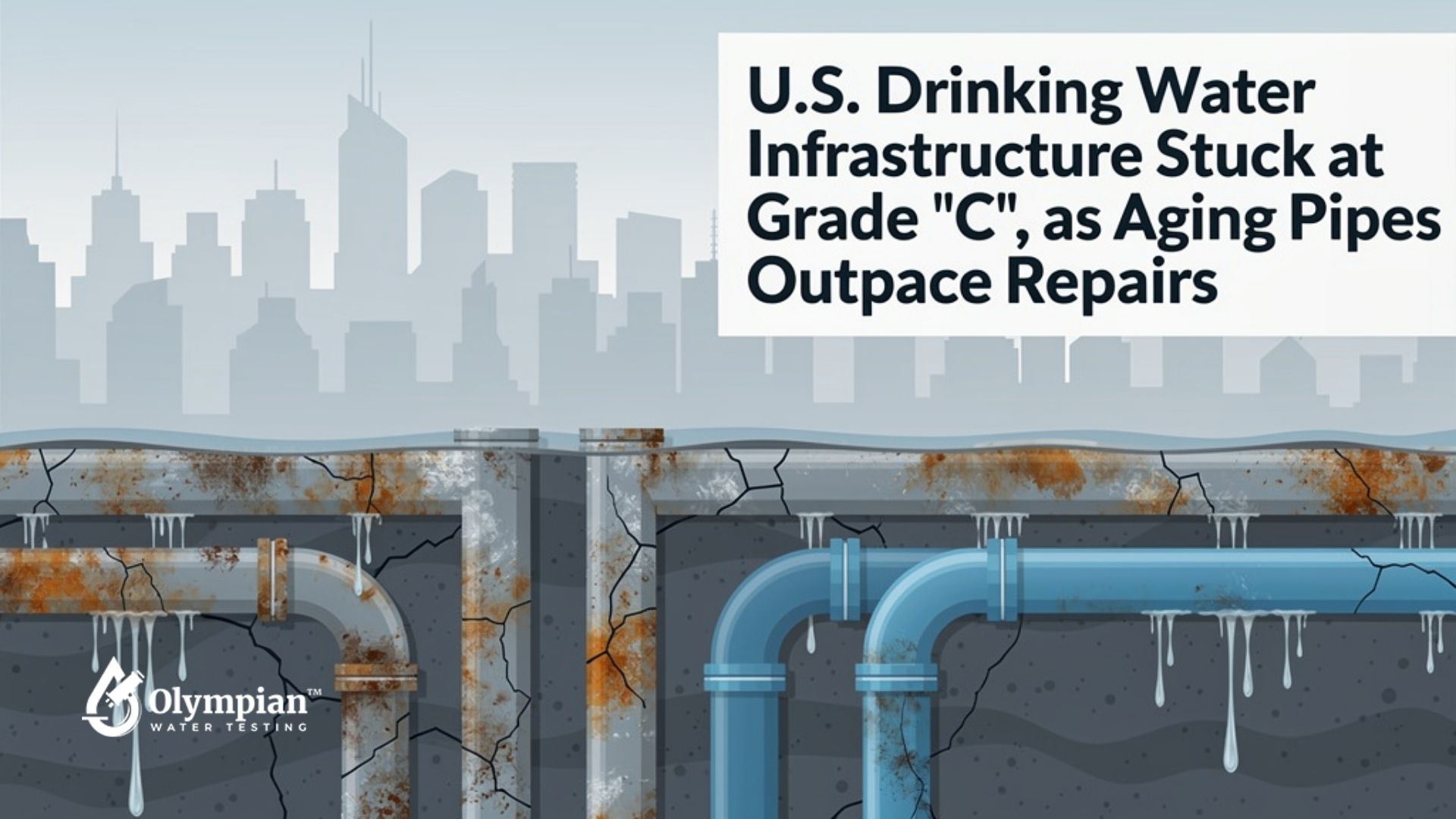
The first source reveals that aging pipelines and outdated distribution networks can introduce contaminants into the water supply. This poses significant health risks to communities, necessitating vigilant infrastructure monitoring to mitigate these dangers.
Ignoring hidden leaks can escalate costs for planners. Implementing routine checks and leveraging new technologies enhances operational efficiency. Sensor data identifies vulnerabilities early, leading to better outcomes for both urban and rural settings.
Efforts to modernize focus on creating safer distribution channels and ensuring water quality. Upgrades to pipes, valves, and filtration systems boost reliability. Public agencies and private entities collaborate to prevent failures through joint research and investment.
Ensuring water quality relies heavily on effective infrastructure monitoring to catch issues promptly. This approach fosters operational efficiency while minimizing financial burdens. Below, we outline common problems and their effects on communities. Addressing these issues promptly is critical for public safety.
Problem | Impact |
Aging Pipelines | Higher risk of leaks |
Limited Upgrades | Reduced quality control |
How AI Algorithms Detect Early Failure Signs
AI systems analyze sensor data to spot small changes in water networks. They link environmental factors with infrastructure performance. This helps catch problems before they escalate.
At the heart of this method is machine learning. It builds predictive models from a variety of signals. These models combine physical data with data integration strategies. They gather information from every part of a facility.
Data Collection and Analysis

Technicians place devices on pipes, tanks, and treatment units. These sensors track turbidity, chemical makeup, and pressure. Each reading improves understanding of what’s normal, making contamination detection more accurate.
Identifying Unusual Patterns
Algorithms detect anomalies by comparing new data to past records. Any sudden changes suggest leaks, clogs, or microbial growth. Quick alerts enable maintenance teams to focus on urgent repairs, protecting public health.
Metric | Role in Early Failure Detection | Example |
Turbidity | Monitors clarity | Spikes may signal unwanted particles |
pH | Tracks acidity or alkalinity | Sharp dips can harm pipelines |
Pressure | Reveals flow stability | Sudden drops hint at leakage |
Essential Markers of Water Quality in Modern Systems
Public utilities and researchers closely monitor subtle changes in water quality. This is because contaminants can enter through failing infrastructure or industrial discharge. AI analysis provides timely insights into bacterial and chemical shifts. This supports healthier outcomes and builds public confidence. A valuable resource for tracking key factors is the main indicators of water quality.
Microbial Contamination Levels

Hospitals and community organizations rely on continuous data to detect spikes in microbiological activity. Real-time monitoring helps identify rising E. coli or other pathogens. This reduces the risk of widespread health crises. The success of this approach often depends on advanced sensors and predictive software.
Chemical Indicators and pH
Elements like heavy metals or organic residues require careful scrutiny. Automated sampling systems help pinpoint chemical indicators, preventing long-term harm to consumers. Operators also focus on pH measurements. Extreme values may signal unstable or corrosive conditions that require immediate action.
Parameter | Key Insight |
pH | Maintains balance in distribution systems |
Microbial Agents | Alerts teams to possible outbreaks |
Heavy Metals | Indicates industrial contamination sources |
The Shift Toward Real-Time Monitoring
Traditional water checks provide only snapshots at set intervals. Many utilities now use advanced sensor networks. These networks capture changes in pH, turbidity, and flow continuously. This real-time monitoring offers near-instant visibility into water quality.
Teams with direct access to this data can intervene promptly. This prevents system issues from escalating.
Instant and accurate information is integrated with cloud-based platforms. Data streams into these shared spaces, allowing multiple departments to see patterns. This enables them to adjust operations effectively.
The combination of live tracking and predictive analytics leads to quick decisions. These decisions save energy and cut operational costs. Water professionals can act fast when indicators shift, reducing risks.
Key Advantage | Approach | Outcome |
Better Accuracy | 24/7 sensor feedback | Precise contamination alerts |
Faster Response | Instant notifications | Reduced damage |
Cost Reduction | Efficient resource allocation | Lower operational budgets |
Why Predictive Analytics Matters

Water utilities face mounting pressure, necessitating a more intelligent approach. Predictive analytics transforms management from reactive to proactive. It empowers decision-makers to spot failures before they become major issues. This method merges real-time data with sophisticated models, ensuring safer water supplies and compliance with EPA standards.
In various areas, these tools facilitate better planning for seasonal demand peaks and unexpected weather events.
From Historical Data to Future Insights
Managers can predict demand shifts by analyzing historical consumption patterns. These insights reveal early signs of corrosion, contamination, and other stress points. Armed with this knowledge, they adjust maintenance schedules and resource allocation, ensuring optimal performance without waiting for a crisis.
Many urban and rural systems now depend on this method for more accurate maintenance.
Mitigating Risks with Forecast Models
Advanced simulations identify high-risk areas for pipe bursts or contamination. This precision guides targeted investments, significantly improving risk mitigation. Water providers leverage these predictions to address vulnerabilities early, reducing emergency repair costs and safeguarding public health.
Balancing Accuracy and Cost-Effectiveness
Utilities across the nation face a delicate balance when upgrading water systems. They must consider both sensor quality and financial constraints. Mistakes in placement or calibration can lead to increased budgets without improving performance. Phased rollouts often emerge as a strategic option, focusing first on key indicators that preserve operational efficiency.
Advanced software integrates data from SCADA and GIS platforms for real-time infrastructure monitoring. This unified approach leverages targeted investments in AI tools. It reflects findings that emphasize careful spending on hardware while maximizing insights. A coordinated effort strengthens trust in readings and helps managers allocate resources effectively.
Equipment and Installation

Many water providers adopt smaller pilot programs to ensure accuracy before scaling up. Early trials reveal sensor reliability under diverse conditions. These lessons inform long-term procurement plans, helping providers prioritize precision gear that streamlines field operations without overshooting capital allowances.
Streamlining Data Transmission
Stable connectivity remains vital for digital transformation. Cellular systems, fiber links, or satellite channels deliver live updates from far-flung facilities. This flow merges into central dashboards, enabling consistent tracking of anomalies and ensuring swift decisions for communities of all sizes.
Addressing Data Privacy in AI-Driven Solutions
AI’s growing use requires strict protection of consumer and system data. Measures like robust encryption and role-based access protect sensitive information from threats. Many water utilities implement strong cybersecurity to uphold public trust in AI. This approach respects privacy while enabling real-time analytics.
Regular audits, following recognized standards, ensure data handling meets strict criteria. Transparent governance allows communities to understand how their data is managed. System checkpoints and policies reduce unauthorized access.
Responsible oversight ensures AI solutions are transparent, leading to predictable results without compromising personal records. This focus on confidentiality meets compliance standards and fosters innovation. A commitment to data privacy reassures the public that their resources are safeguarded.
Success Stories from US Water Treatment Facilities
Utilities across the nation are witnessing significant breakthroughs that protect public health. Cities are now installing advanced systems for detecting contamination. These systems combine clear metrics with real-time monitoring. Engineers use machine learning to quickly identify changes in water quality, leading to fewer emergencies and increased trust.
These improvements are not limited to specific areas but span vast regions. They connect people to safer resources, improving their overall well-being.
Urban Water System Overhauls

Major cities like Los Angeles and New York have embraced automated controls powered by machine learning. Technicians analyze pressure changes or chemical signals to detect early warnings. This approach has been made more affordable through public-private partnerships, allowing for quicker upgrades to aging pipelines.
Neighborhoods are benefiting from these timely upgrades, ensuring better water quality for residents.
Rural Community Transformations
Small towns are modernizing their infrastructure by implementing compact sensors for detecting contamination. Despite limited budgets, these efforts have shown higher accuracy, even in remote areas. Public-private partnerships are key, bringing together local authorities and research institutions for faster repairs.
Farmsteads and families now have peace of mind, thanks to reliable tap water. Household routines are brightened by the consistent quality of tap water.
Industry Collaborations and Research Initiatives
Improving water safety requires teamwork between governments, businesses, and universities. Each group brings its own skills to the table. They work together to improve monitoring tools, introduce new methods, and update systems.
Public-Private Partnerships
These partnerships speed up the adoption of projects by sharing costs and simplifying rules. Teams that work together can use AI to improve data handling while keeping costs down. They combine different funding sources, using advanced analytics and local knowledge for stable results.
These partnerships also make testing faster. This helps cities adopt reliable solutions without facing unexpected problems.
University-Led Pilot Projects
Research projects led by universities push the limits of data analysis. They help transform water quality monitoring. Small tests show how new sensors work and improve real-time data analysis.
Students and experts from universities work with industry leaders. This ensures that research leads to real benefits for communities. It makes measurements more accurate and helps everyone adapt to changes quickly.
Navigating Regulations and Compliance

Organizations in the water sector face growing scrutiny from entities like the U.S. Environmental Protection Agency. Meeting compliance standards requires more than just occasional checks. Continuous data collection ensures communities trust that protective measures are in place and effective. Exceeding limits for microbial or chemical components can lead to immediate warnings, highlighting the critical role of risk mitigation.
A structured approach to following guidelines is vital for public health. It also prepares officials to adapt when quality metrics fall short of safe baselines. AI-based tools offer clear records, proving accountability and showing urgent changes in water quality. This proactive stance helps avoid penalties and builds trust among residents who expect a reliable water supply. Documented proof of strict oversight can also lead to long-term financial benefits for municipal budgets, encouraging efficient resource planning. These efforts help maintain calm in an ever-changing regulatory environment.
Building a Skilled Workforce for AI in Water
AI’s growth in water management hinges on professionals adept at sensor data and treatment protocols. Many facilities struggle with limited personnel, highlighting the need for workforce training for sustainable growth.
Training and Cross-Functional Expertise
The American Water Works Association is leading the charge with hands-on programs. These unite water engineers with data scientists. Such collaborations enhance operational efficiency by enabling teams to quickly interpret AI outputs.
Overcoming Skill Gaps
Certificates and university courses bridge the gap between traditional operations and digital innovation. Data integration training empowers technicians to manage complex platforms and make informed decisions. This encourages new talent to join an industry critical to public health.
Continuous learning programs prepare workers for new software and advanced tools. Skilled workers can identify system vulnerabilities early, protecting public resources and building trust in water systems. This dedication to education ensures resilience and supports long-term career development. National conferences also enhance collaboration among AI professionals.
Focus Area | Key Benefit | Example |
Digital Literacy | Better AI Monitoring | Online Modules for Sensor Analysis |
Cybersecurity | Asset Protection | Firmware Updates Against External Threats |
Interdisciplinary Projects | Streamlined Outcomes | Group Tasks Combining IT and Field Teams |
The Role of Machine Learning in Ongoing Innovation
Water systems face evolving demands, necessitating new strategies. Machine learning emerges as a key driver, unlocking fresh data interpretations and urgent responses. Predictive analytics enhance these efforts by leveraging usage patterns, climate data, and system metrics.
Automated alerts expedite responses to contamination threats. This ensures communities across the United States are protected, securing water supplies before major issues arise. Each experience gained refines planning, driving innovation that aligns with contemporary infrastructure demands.
Adaptive Algorithms for Changing Environments

Software evolves based on current input patterns. This adaptability uncovers emerging risks, preparing for droughts, population changes, or unexpected events. Continuous updates guide water management towards efficient, timely solutions.
Enhancing Precision Through Advanced Modeling
Modeling technologies enhance daily operations by integrating frequent sensor data. Errors from previous runs refine future adjustments, ensuring forecasts continually improve. Thoughtful simulations uncover subtle warning signs, enabling proactive solutions.
Feature | Purpose | Outcome |
Real-Time Analysis | Track live fluctuations in water quality | Faster interventions in risky conditions |
Advanced Reporting | Deliver detailed insights for planners | Smarter resource allocation and cost savings |
Continuous Learning | Refine predictive models regularly | Higher accuracy in supply forecasts |
Emerging Technologies to Watch
Leaders in water management are now focusing on new solutions. These aim to enhance responsiveness, reduce risks, and simplify oversight. Such advancements cater to both large urban utilities and smaller community systems. They integrate technology into everyday operations, prioritizing real-time insights and fostering collaboration among experts, field staff, and decision-makers.
Internet of Things (IoT) Integration
Utilities are leveraging sensors from Bosch and IBM Watson IoT. These sensors track flow rate changes and detect anomalies with high accuracy. Networks of devices collect vast amounts of data quickly, guiding teams toward proactive measures. This strategy improves response times and ensures water services remain resilient in changing environments.
Cloud-Based Platforms
Google Cloud and Microsoft Azure are powering centralized hubs. These hubs transform raw data into actionable intelligence. Users can access dashboards that provide real-time updates on infrastructure health and identify areas of concern. Cloud-based platforms enhance shared knowledge, driving digital transformation forward.
Technology | Key Advantage |
IoT Sensors | Advanced tracking and predictive maintenance |
Cloud-Based Platforms | Unified analytics for swift decision-making |
Refining Our Approach for a Sustainable Future
Teams are refining their water systems using advanced forecasting, cybersecurity, and staff training. AI-driven tools are at the forefront, detecting contaminants early and sending alerts in real-time. This proactive approach significantly reduces risks.
Public support remains essential. Ensuring data privacy and adhering to regulatory guidelines boosts trust in water oversight. This trust is critical at every stage.
This path leads to more reliable water supplies, maintaining quality and protecting natural habitats. Sustainable water management enhances community resilience against environmental changes. Collaboration between industry and research centers across the United States drives digital transformation that respects public interests.
Investments in skill-building are key to ensuring future teams can manage AI solutions effectively. This dedication fosters a culture where innovation aligns with ethics. Through careful oversight and ongoing partnerships, we can create a model that endures.