Why Experts Are Raising Alarms Over New York City’s Drinking Water
Scientists are sounding the alarm due to salt contamination in local reservoirs. The Croton Water System, a lifeline for many, is facing challenges. Tests reveal a steady increase in chloride levels, pointing to Road Salt Runoff as a primary culprit. This runoff, from highways and streets, allows harmful chemicals to enter our waterways.
Studies show that some reservoirs have seen a tripling in salinity over the past three decades. This alarming trend has environmental watchdogs on high alert. The implications for both human health and wildlife are profound.
Research Findings from Environmental Agencies

Sampling data consistently shows sodium and chloride residues. Agencies attribute this to melting snow and heavy traffic, which carry these substances into our waterways. They stress the need for continuous monitoring to protect public health, highlighting the risks for those on sodium-restricted diets.
Potential Risks for Humans and Wildlife
The presence of salt in our waters poses significant threats to fish and amphibians. It diminishes their habitats and reduces species diversity. The concern extends to municipal water supplies, which could see sodium levels rise. Without swift action, New York City’s water resources may face a critical threat.
Salt Contamination: Understanding Key Trends in Local Waterways

Salt contamination in regional waters is linked to increased chloride readings, signaling a shift in water chemistry. Chloride levels rise with winter road treatments, affecting aquatic life and water quality. This pattern shows how road treatments impact streams and reservoirs.
Researchers track various data to understand ongoing changes. They focus on chloride spikes, seasonal salting patterns, and water sampling trends. These are key for developing strategies to protect public health. Some see Desalination Technology as a solution, but it raises questions about energy use and infrastructure costs.
Efforts to combat salt contamination aim to maintain freshwater health. These efforts require cooperation between environmental agencies, government officials, and communities. The goal is to ensure safe drinking water for all.
Historic Measures Taken to Protect Upstate Reservoirs
New York City’s water system grew beyond the Croton Aqueduct to meet increasing demand. Early planners focused on building strong conduits and storage facilities. This ensured a steady water supply, supporting urban life and prioritizing public health.
Engineers studied natural landscapes to prevent pollutants from entering key waterways. Land purchases near reservoirs reduced harmful land use. Efforts to manage runoff limited risks linked to Salt Contamination in Reservoirs. Protective legislation followed, reflecting a broader push to safeguard water quality.
Early Infrastructure Projects

Initial development focused on robust aqueducts and dams. The Catskill and Delaware systems came later, expanding reach and reinforcing supply stability. Each new dam or tunnel was built with the aim of shielding vital resources from external threats.
Community Involvement and Advocacy

Citizen groups partnered with state agencies to shape protective policies. Local residents demanded transparency and engaged in scientific discussions. Their combined voices led to tighter standards that addressed Salt Contamination in Reservoirs. Volunteer coalitions also monitored water conditions, sharing findings with decision-makers.
Year | Action | Outcome |
1842 | Croton Aqueduct Completion | Secured clean water supply for NYC |
1905 | Catskill System Planning | Enhanced reservoir capacity |
1970s | Environmental Advocacy Rise | Greater protections for water sources |
Present | Ongoing Policy Updates | Stricter oversight on contaminants |
Climate Change and Its Impact on Rising Salinity Levels
Warmer winters and changes in precipitation cycles put more pressure on local water resources. Ice on roads allows more salt to remain, leading to increased Road Salt Runoff. This rise in salinity harms local streams, lakes, and the life that depends on them.
Changing Weather Patterns in the Northeast
Storms can bring sudden cold, forcing communities to act swiftly. The Environmental Protection Agency (EPA) notes that icy roads lead to more salt use for safety. This increases the risk of runoff entering waterways, raising concerns among scientists and policymakers.
Seasonal Variations and Road Salt Usage
Colder months sometimes last longer, leading to a second round of salt application. Prolonged cold weather keeps brine residues on roads, intensifying Road Salt Runoff when snow melts. Municipal budgets and storage plans often struggle to adapt to these changes.
Impact on Aquatic Habitats

Freshwater species need specific salinity levels to thrive. Rapid changes harm vital habitats and reduce populations. Some ecosystems may never recover once salinity levels increase. Efforts to change de-icing strategies and monitor pollution are critical for preserving aquatic life.
How Salt Creeps into Municipal Water Supplies
Roads need a lot of salt during winter, causing runoff that enters streams and aquifers. Treatment plants also add high-salinity effluent, mainly from salt-based softeners. This salt travels through waterways, worrying reservoirs like the Croton Water System.
Major contributors include:
- Excess road salt spread during snowy conditions
- Elevated chloride levels from sewage treatment discharges
- Salt residue from private water softening units
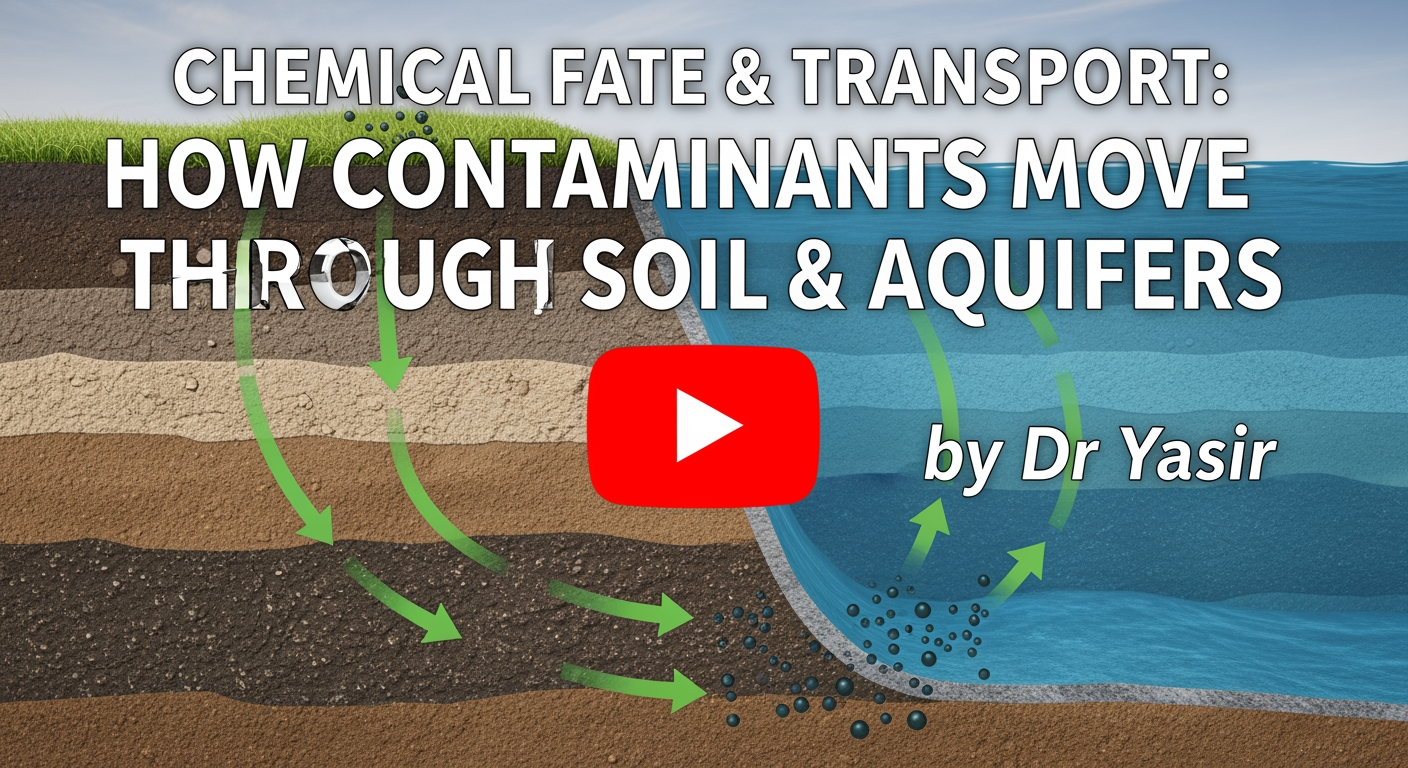
Experts are researching the long-term effects on drinking water quality. An in-depth report shows sodium can stay in local currents, increasing salinity in sensitive areas. This affects reservoirs, making it harder for public utilities to keep sodium levels balanced.
The US Geological Survey warns that inorganic salts can persist in stream sediment, compounding risks to aquatic life and public health.
Knowing the sources of contamination is key to making policies and outreach efforts. Strategic planning is essential to protect vital resources. It ensures the Croton Water System and similar networks remain sustainable for future generations.
West-of-Hudson Watershed Challenges
The focus is intensifying on this expansive area, characterized by its rolling hills and varied rock layers. These geological features significantly impact the movement of salt through streams. Experts closely monitor runoff patterns, which could impact NYC Drinking Water. They are vigilant for changes in soil conditions and road maintenance practices.
Some areas are better at handling salt due to their lower population density. Yet, the importance of awareness cannot be overstated as development projects continue to expand.
Geographic Factors Contributing to Salt Flow

Geology plays a critical role in directing salt-laden water into local tributaries. These tributaries eventually feed into reservoirs that supply NYC Drinking Water. Shale formations, steep slopes, and narrow valleys act as conduits for runoff. This runoff may carry road salt over considerable distances.
This scenario underlines the necessity for ongoing field surveys and targeted soil testing. Such efforts are essential to mitigate the impact of road salt on water quality.
Collaboration Between City and Counties
Local agencies and city officials are working together to manage salt usage on highways and residential roads. They exchange data on salinity trends and promote practices that minimize harm. Initiatives include exploring road salt alternatives, implementing stormwater controls, and launching public education campaigns.
These efforts aim to safeguard water purity for both current and future generations. The collaboration is a step towards ensuring the long-term sustainability of NYC Drinking Water.
Financial and Infrastructure Implications for NYC

City officials are grappling with the long-term financial implications of vital water solutions. Upgrades to the infrastructure are costly, and some methods require significant energy. Desalination Technology, while promising, comes with high costs that demand careful financial planning.
Planners have considered mixing water from different reservoir systems. This approach, though, limits options for remote towns. The use of salt on roads adds to the expense, as it contaminates key waterways. Reducing road salt could alleviate some of these costs while ensuring streets remain passable.
Local leaders are exploring shared funding models to distribute the costs of water treatment among neighboring counties. Such agreements could protect public health without overwhelming a single district’s finances. Desalination Technology seems beneficial, but it must be part of a broader policy framework. This framework should include equitable strategies, reliable infrastructure, and the efficient use of current resources.
Public Health Concerns and Community Responses
The rise in salinity has heightened concerns among local residents. Many fear it could harm those with health issues, leading to demands for enhanced protection measures. Neighborhood advocates push for updated water management strategies to prevent mineral contamination.
Road Salt Runoff is identified as a major contributor to chloride buildup in some areas. Community members suggest that small adjustments, like using less salt near water sources, can significantly help. They believe even minor changes are vital in preventing well closures and protecting drinking water.
Local Groups Raising Awareness
Organizations like Riverkeeper and the Natural Resources Defense Council work with local officials to mitigate risks. They organize training sessions on salinity, health impacts, and resource protection. Volunteers also visit schools to educate on safe winter maintenance practices.
Testing and Reporting Initiatives
Groups collect water samples and release data for public tracking of salinity changes. Road Salt Runoff is a key focus, prompting calls for stricter deicing material regulations. They share research findings with state agencies, aiming for policies grounded in current science and community input.
Federal and State Environmental Policies in Focus
Recent legislative sessions have seen Senator Pete Harckham lead the charge on new bills. These aim to tackle the growing salinity in local reservoirs. Advanced research on the Croton Water System is a key focus. The Environmental Protection Agency (EPA) has set strict benchmarks for chloride levels. This gives local officials a clear framework to protect drinking water.
Federal support is evident through funding programs that enhance solutions for filtering and monitoring salt content. Legislative proposals discussed at policy forums unite efforts among counties and municipalities. Timely studies on the Croton Water System guide long-term planning. Shared regulations also streamline technical assistance across various regions.
- Coordinate guidelines among federal and state agencies
- Provide clear directives for reservoir protection
- Offer financial backing for practical interventions
Long-Term Strategies to Mitigate Salt Intrusion
Protecting water quality requires innovative solutions that adapt to changing environments. Stakeholders are exploring ways to reduce Salt Contamination in Reservoirs while ensuring a steady supply of clean water. This includes improving filtration systems and reducing the use of deicing agents.
Technological Innovations in Water Treatment

Modern water treatment systems often employ membrane-based technologies. Reverse osmosis units effectively remove high salt levels, ensuring safe drinking water for cities. Sensors placed at key locations monitor salt levels, enabling quick responses to any increases.
This level of monitoring is critical for maintaining water quality. It allows for immediate adjustments when salt levels become too high.
Preventive Measures for Reservoir Protection
Collaboration with nearby towns is essential in preventing salt contamination near sensitive watersheds. Implementing smaller salt piles and targeted application reduces chemical runoff. Educational campaigns encourage communities to adopt practices that slow Salt Contamination in Reservoirs.
This approach helps protect our water sources for future generations.
Method | Key Benefit |
Smart Sensor Monitoring | Real-time salt tracking |
Revised Salt Spreading Rules | Reduced runoff impact |
Enhanced Filtration Systems | Improved water quality |
Navigating the Future of New York City’s Water Security
Salt infiltration is a pressing concern that challenges the resilience of modern infrastructure. City officials and environmental scientists are closely watching changes in storm intensity and road salt usage. This is to protect NYC Drinking Water. Climate projections indicate that winter storms may intensify, underscoring the urgency for action.
Regular checks on reservoir health and enhanced salt management are critical to prevent long-term damage. These steps are essential to maintain the quality of NYC Drinking Water.
Leaders from the New York City Department of Environmental Protection are working with state lawmakers. They aim to develop strategies that encourage public participation. Upgrades to water treatment facilities could help mitigate salinity risks and safeguard aquatic life.
Ensuring unified oversight of watershed areas is vital for the city’s future. With a shared commitment, NYC Drinking Water can continue to be a symbol of purity. It will remain a source of confidence for both residents and visitors.