Understanding the Evolution of Water Safety Measures
In the past, water safety checks were basic. The rapid growth of the U.S. population made it clear that a more effective strategy was needed. Local utilities tested water samples, but their response to contamination was slow. Experts knew that stronger systems were necessary to protect water quality in both small towns and big cities.
New technologies and methods led to a shift towards real-time monitoring. Stricter regulations pushed for the use of electronic sensors and data analysis. Keeping water safe is now a top priority, along with efforts to manage water sustainably. Advanced techniques help prevent harmful pollutants from going unnoticed. Today, many places use continuous monitoring systems to quickly spot any issues.
This progress highlights the importance of constant vigilance. It ensures the health of communities and a stable environment. The evolution of water safety measures is a testament to our commitment to protecting our most vital resource.
Why Real-Time Monitoring Matters in Drinking Water Systems
Keeping communities safe requires constant monitoring of drinking water sources. New digital technologies offer tools for real-time tracking. These systems provide updates to address risks immediately.
Immediate Detection of Contaminants
Identifying pollutants early protects public health. IoT sensors help detect sudden increases in harmful substances. This alerts decision-makers to protect distribution networks and prevent widespread issues.
Enhancing Regulatory Compliance
Comprehensive data logging increases accountability for water treatment facilities. Real-time data confirms adherence to federal guidelines, boosting consumer trust. Utilities demonstrate consistent quality, reducing the risk of supply disruptions.
The following table highlights central factors shaping modern monitoring strategies:
Focus | Remarks |
IoT sensors | Gather continuous data and trigger alerts when unusual readings occur |
Water treatment | Maintains purity, meeting standards set by regulatory agencies across the United States |
Key Role of Smart Sensors in Gathering Critical Data

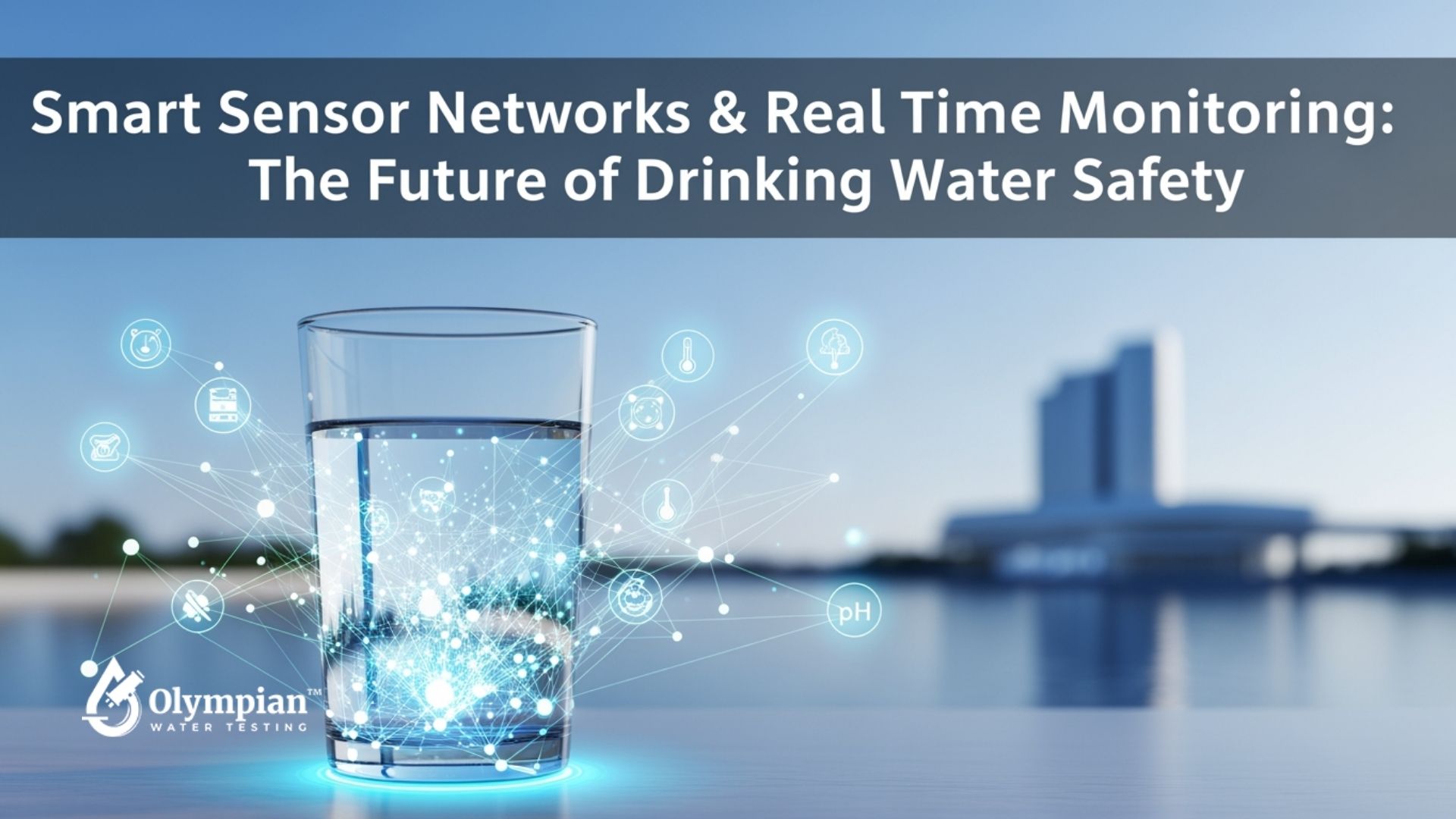
Smart sensors continuously monitor key factors affecting public health and system reliability. They provide real-time data on turbidity, chlorine levels, and other water quality indicators. This enables teams to quickly respond to contamination threats.
Companies like Emerson and Honeywell lead in developing detection technologies for water infrastructure. Their devices can withstand harsh conditions, accurately measuring pH and dissolved oxygen levels. This gives operators critical insights into corrosion risks and possible leaks. Smart sensors are essential for predictive maintenance, helping in efficient resource allocation and strengthening water systems.
- Non-stop data streams encourage faster response
- Early warnings reduce service disruptions
- Rugged designs withstand tough climates
Key Parameter | Relevance | Benefit |
pH Levels | Identifies balanced chemistry | Controls corrosion issues |
Dissolved Oxygen | Shows pollution risks | Limits harmful microbial growth |
Salinity | Tracks salt concentration | Protects piping infrastructure |
Recent Technological Advancements Boosting Efficiency
Water providers are now embracing new technologies that combine digital tools with deep data insights. Real-time water monitoring has evolved, spotting issues before they escalate. Predictive maintenance is becoming a cornerstone, ensuring systems run smoothly and cutting costs for both urban and rural areas.
At Xylem Inc. and Evoqua Water Technologies, engineers are pushing the boundaries of sensor networks and data collection. This forward-thinking approach puts water safety at the forefront of ongoing improvement. It enables operators to anticipate risks and allocate resources effectively.
Automation and Predictive Analytics
AI-driven automation analyzes flow metrics, acoustic vibrations, and chemical readings. Predictive maintenance uses these signals to prevent downtime, ensuring safe drinking water for citizens. Service teams receive precise alerts, reducing labor hours and increasing reliability.

Cost-Effective Monitoring Solutions
Low-power devices and adaptable software platforms are making real-time water monitoring accessible. Municipalities enjoy streamlined integration and lower costs, making these tools attractive for budget-conscious budgets. Compact sensors integrate with existing infrastructure, providing vital data for efficient planning and proactive maintenance.
Drinking Water Safety and the Demand for Innovation
Aging infrastructure and growing populations force water utilities to find lasting solutions. Real-time tracking across networks is key to safer supply lines. Systems that collect data from various points can detect leaks or contamination early.
Modern methods leverage big data analytics, AI-based modeling, and predictive maintenance. These tools provide insights that lower risks and manage resources better. They also pave the way for ongoing upgrades, protecting against future threats.
Public health leaders see these advancements as game-changers for robust services. Drinking water safety now goes beyond periodic testing. Smart water networks combine advanced sensors, machine learning, and rapid reporting. This ensures communities trust their tap water.
“We see a bright future in data-driven water management systems that strengthen infrastructure resiliency.” — American Water Works Association
How Smart Networks Exceed Traditional Testing Methods
Smart sensor frameworks enable teams to quickly spot changes in water quality, outpacing traditional methods. They continuously collect data across extensive service areas. This reduces the need for frequent manual sampling.
Operators gain insight into distribution systems, uncovering hidden contamination. Each sensor sends data all day, boosting predictive capabilities. This helps prevent widespread problems.
Faster Response Times
Immediate alerts enable technicians to tackle leaks and contaminant spikes promptly. Quick action minimizes damage and enhances public safety. This proactive approach is more effective than waiting for occasional lab results.
Real-Time Data Accessibility

Organizations benefit from centralized dashboards that offer real-time water monitoring data. Remote access empowers decision-makers to focus on problem areas. This approach reduces costs and increases user confidence.
The contrast below highlights key differences between these methods:
Method | Speed | Data Frequency |
Traditional Testing | Slower | Periodic |
Smart Networks | Faster | Continuous |
Regulatory Standards Shaping the Future of Water Quality
Local, state, and federal agencies are refining guidelines to keep drinking water safe. Laws such as the Safe Drinking Water Act set clear limits on harmful substances, while demanding thorough reporting. This push for stricter rules drives advancements in water infrastructure technologies and automated workflows that streamline compliance tasks.
Real-time monitoring tools track hazards with greater accuracy. Data is logged in a structured format, allowing inspectors to verify results faster. Each update supports sustainable water management by promoting efficient resource use. Public trust grows when utilities follow these standards, encouraging transparency at every step.
Regulatory Body | Primary Role |
Environmental Protection Agency (EPA) | Sets national benchmarks for safe drinking water |
Centers for Disease Control and Prevention (CDC) | Advises on public health and waterborne illness prevention |
Spotlight on Pilot Projects Across the United States
Communities across the nation are adopting new methods to protect their drinking water. Cities and towns are exploring cutting-edge technology to detect water quality changes early. This shift towards efficiency and precision is backed by real-time monitoring. It enables proactive measures and helps in better resource allocation.
Urban Case Studies
In cities like Chicago, advanced pipelines with IoT sensors track flow and chemical changes. Previously, soil shifts and corrosion caused frequent leaks. Now, targeted pilot projects identify issues early, preventing major breaks and cutting maintenance costs. Data dashboards facilitate quick responses and guide larger infrastructure investments.
Rural Implementation Success Stories
In rural areas, independent power sources enable automated networks in remote locations. Solar-powered IoT sensors collect essential data where manual checks were challenging. Continuous monitoring reveals contamination risks in wells and reservoirs, boosting public trust. Some villages have reduced service disruptions by sharing data with state water security agencies.
Identifying Funding Opportunities for Municipal Systems
Municipalities often face budget limitations when upgrading aging infrastructure. Federal and state grants can fill critical gaps, enabling the purchase of enhanced equipment. This makes it possible for communities to have cleaner and safer water. Public-private partnerships also play a role, allowing water utilities to invest in modern tools.
Environmental impact bonds offer another avenue. Investors fund projects that support real-time water monitoring, with returns based on measurable outcomes. This structure reduces financial risk for local authorities. It helps them adopt predictive maintenance practices without significant financial burdens.
Private lenders and philanthropic organizations may finance engineering studies and pilot programs. This support helps utilities demonstrate the benefits of advanced sensors or data platforms. Over time, it opens the door to expanding real-time water monitoring and predictive maintenance across broader regions.
Funding Source | Key Benefit |
Federal/State Grants | Subsidized capital for infrastructure upgrades |
Public-Private Partnerships | Collaborative cost-sharing for new technology |
Environmental Impact Bonds | Outcome-based financing with reduced risk |
Private Lenders & Foundations | Targeted investments for research and pilot projects |
Addressing Common Challenges and Roadblocks

The journey to modernize water infrastructure is filled with significant hurdles. Funding, equipment, and maintenance can deter smaller utilities from adopting digital upgrades. Despite these challenges, experts highlight the clear advantages of such changes.
High Installation Costs
Systems often depend on smart sensors, which require large investments in hardware, training, and software. Big projects need careful planning to stay within budget. Yet, savings from leak detection and energy efficiency can offset these costs over time.
- Hardware procurement poses budgetary strains.
- Software licenses require periodic updates.
Technical Integration Hurdles
Creating a seamless network requires aligning legacy controls with modern IoT platforms. Operators face challenges in standardizing data across various devices. Proper planning and phased deployment can ensure stable operations.
- Conduct a thorough audit of existing hardware
- Collaborate with experienced vendors for better synergy
- Pilot smaller test regions before scaling up
Experts advise on open dialogue between utility managers and tech providers. Success often comes from gradual implementation, not sudden changes. This method minimizes disruptions and supports a smoother transition to digital solutions, ensuring community safety.
Public Awareness and Education for Safer Drinking Water
Communities thrive when neighbors understand how their actions enhance drinking water safety. User-friendly dashboards enable residents to stay updated on local water quality. They provide clear charts and notifications, fostering trust in the process.

Municipal utilities actively participate in public events and virtual seminars. They guide families on conservation habits and share tips for reducing household waste. This outreach boosts engagement, strengthening efforts to preserve water supplies for the future. Public campaigns empower everyone, encouraging schools and local businesses to collaborate as partners.
The Environmental Protection Agency (EPA) explains, “Informed citizens are more likely to conserve resources and support improvements in their communities.”
Public awareness initiatives showcase a collective commitment to progress. Key data on water quality inspire individuals to adopt simple practices that protect ecosystems. Officials who emphasize drinking water safety instill a sense of responsibility. This collective effort continues to drive progress, guiding towns and cities toward safeguarding vital resources for the long term.
Emerging Trends in Real-Time Water Monitoring
Digital twins offer a virtual space for utility teams to test system improvements before deployment. This method reduces risk and saves field effort. Major tech providers, such as IBM and Siemens, provide platforms that integrate various data sources into a single dashboard.
Wireless networks now collect insights from remote sites and pump stations with minimal human oversight. In many cases, IoT sensors send data every few seconds. These insights enable managers to boost system reliability under tight deadlines.
Advanced analytics improve precision by identifying anomalies in distribution lines, valves, and reservoirs. Many facilities implement predictive maintenance to anticipate equipment failures before they impact water quality. This shift enhances operational efficiency and safeguards communities from unexpected hazards.
A Look Toward Smarter, Safer Water Solutions
Across the United States, communities are adopting connected systems to improve drinking water safety. Municipal programs are leveraging smart water networks to monitor and react to quality changes. The Environmental Protection Agency (EPA) backs initiatives that employ advanced sensors, automated alerts, and open data.
Research indicates that real-time analytics boost confidence in tap water quality. Unified platforms facilitate the sharing of data, prompting swift responses to contamination. This system-wide approach connects treatment plants, homes, and local agencies, reducing water waste and improving resource management.
Experts envision a future where every valve and pipe is part of a unified platform. Such coordinated tools diminish uncertainty and safeguard the nation’s most precious resource. With dedicated funding and joint planning, cities and rural areas can foster environments where reliable water supplies are standard. Drinking water safety will remain a collective priority.