Brief Overview of Recent Water Quality Findings
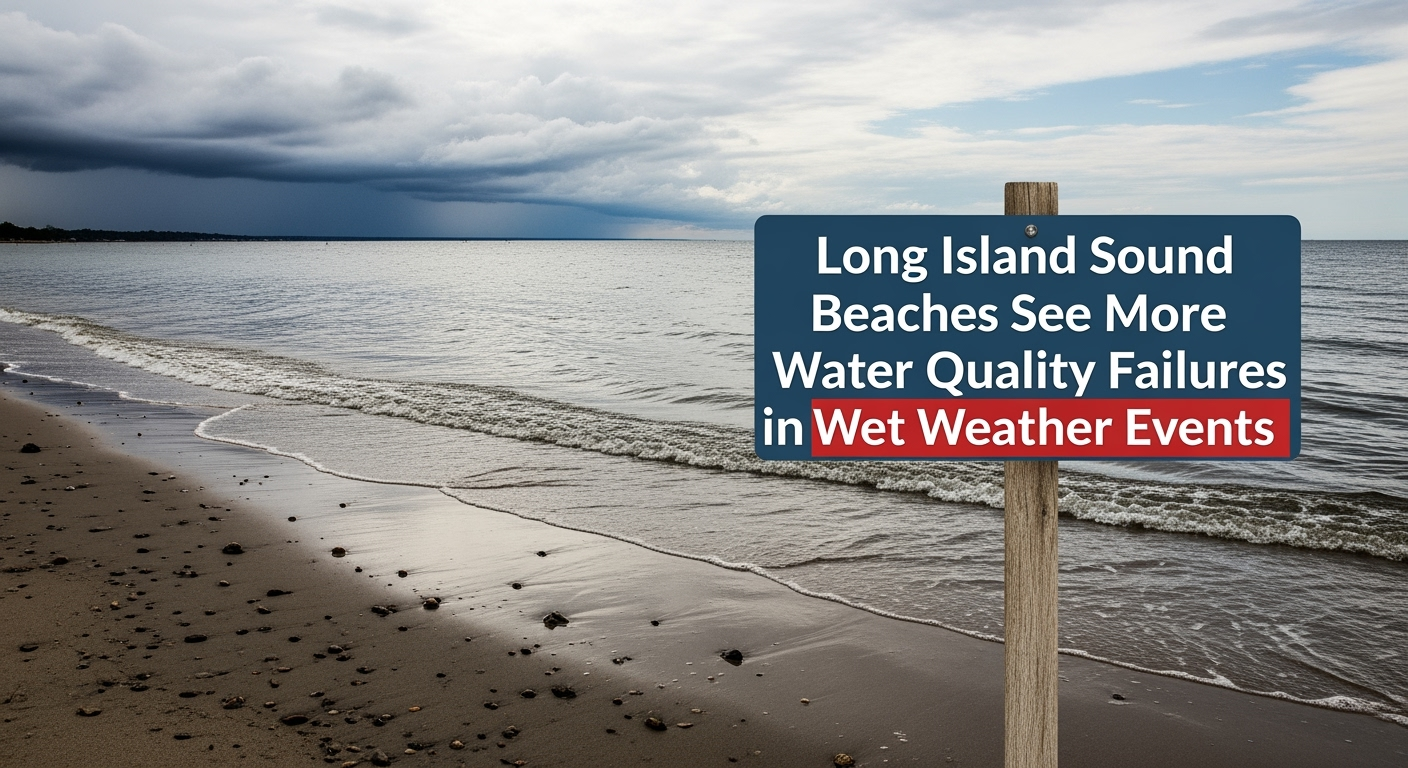
The 2025 Beach Report by Save the Sound reveals shifts in fecal indicator bacteria at coastal swimming areas. Local health departments worked together on this study, identifying several clean spots. Yet, rising contamination levels due to storm runoff are now a major concern for Long Island Sound water quality.
Many beaches are safe, but sudden contamination spikes during wet weather require heightened awareness. The data points to a shift in precipitation patterns, raising questions about infrastructure and resource management. Some beaches have shown significant improvements over the years.
Experts stress the importance of monitoring Long Island Sound water quality. They emphasize the need to balance public use with environmental conservation. These findings highlight the ongoing efforts to safeguard the region’s health, even during heavy rainfall seasons.
Why Heavy Rainfall Elevates Contamination Levels
Rain bursts can significantly increase pollution in tidal zones, posing risks to swimmers and marine habitats. Water flowing over paved roads accumulates chemicals, debris, and waste, which are then carried towards beaches. This surge poses immediate health hazards.

Wet weather contamination often originates from streets, lawns, and construction sites. Impurities include trace metals, petroleum byproducts, and pathogens that enter recreational waters. Extended rainfall triggers fast-moving currents, making it challenging for bacteria to disperse or settle.
Runoff from Urban Sources
City landscapes exacerbate stormwater flow into drains. Roads collect oil residue, litter, and industrial compounds that pass through canals into bays. Wet weather contamination intensifies when polluted runoff converges with heavy rainfall along coastal areas.
Impact of Overflowing Sewers
Drains and sewer lines endure sudden pressure during downpours. Treatment facilities can become overloaded, forcing untreated releases through overflow points. This leads to bacterial increases and official alerts for beachgoers.
Common Pollutants | Potential Effects |
Oil and Chemicals | Degrade marine life and alter water clarity |
Pathogens | Trigger infections and prompt swimming bans |
Trash and Debris | Harm wildlife and create safety risks near shores |
Effects on Long Island Ecosystems
The marine environment around Long Island is home to diverse habitats, providing vital resources for local residents. Toxins and repeated stresses have led to a decline in fish, crustaceans, and other coastal wildlife populations. This decline impacts jobs, recreation, and the health of local landscapes for many people.
Threats to Shellfish Populations
Oysters, clams, and scallops need clean water to filter nutrients effectively. Polluted waters weaken their defenses, leading to disease outbreaks. This poses health risks to those who eat shellfish and threatens the economy that relies on sustainable harvests.
Risks for Coastal Bird Species
Seabirds depend on abundant food sources near shore. The decline in fish stocks and degraded wetlands reduces their feeding grounds. This puts pressure on their migratory paths, potentially disrupting breeding cycles and slowing population growth.
Changes in Habitat Diversity
Long-term contamination disrupts the balance of living organisms in the ecosystem. Corals, seagrasses, and other key species may decline. Some resilient plants or animals may spread unchecked, altering the coastal wildlife mix. Restoration efforts aim to reverse these trends for future generations.
Recent Data Collection Methods

Research teams collect water data from sites near popular shores. They use recognized methods to measure bacteria levels. They also track how rainfall might affect these results. The 2025 Long Island Sound Beach Report uses this data to identify emerging problems.
Officials regularly check the data. This allows specialists to quickly spot any spikes or shifts in contamination. The data, combined with weather records and closure statistics, paints a detailed picture.
Common collection steps include:
- Recording tide levels
- Testing for harmful bacteria
- Assessing water temperature
These insights guide protective measures. Local parks, marine agencies, and health departments share the results with communities. They use the 2025 Long Island Sound Beach Report to inform advisories and future updates.
Challenges Faced by Local Authorities
Municipalities along the Long Island Sound face the daunting task of managing intense downpours. Upgrading stormwater infrastructure requires meticulous planning and engaging with the public. The goal is to safeguard beaches from pollution during heavy rains.
Budgetary Constraints

Public funds are stretched thin, covering everything from road repairs to school upgrades. When budgets are tight, stormwater infrastructure upgrades often get delayed. Grants and partnerships can help, but securing them takes time.
Coordination Among Neighboring Counties
Connecticut and New York’s shared coastlines pose a challenge, as contaminants can easily cross borders. Effective teams that coordinate inspections and data sharing can reduce duplication. A unified approach enhances water testing and protects open beaches.
Seasonal Variations in Beach Water Quality
Summer storms can unleash unpredictable waves of contamination, impacting swimming conditions. Intermittent downpours can push runoff into coastal waters, coinciding with peak visitor numbers. Local officials use rainfall data to predict bacteria levels and announce timely closures. They study precipitation trends to issue alerts, aiming to protect beachgoers from sudden exposure.
In the cooler months, contamination threats decrease. Storm frequency often declines, reducing polluted water flow toward the shore. This natural lull allows for recovery of shellfish beds and marine life. Monitoring rainfall data during these periods helps maintain vigilance, revealing patterns for future high-traffic months.
Community programs encourage residents to stay informed about hazards. Sharing weather forecasts and closure notices promotes safer beach visits. This helps preserve vital coastal habitats across changing seasons.
Role of Environmental Advocacy Groups
Marine habitats near the Sound depend on the efforts of groups like Save the Sound. They share vital research, push for clean-water goals, and bring people together. By connecting scientists, policymakers, and locals, they foster teamwork that improves water safety.
They organize cleanup events to spotlight pollution issues, monitor new regulations, and advocate for stricter health standards. Each initiative brings together different voices, encouraging daily actions and ongoing involvement.
Community Education Efforts
Workshops teach families how to dispose of waste safely and show ways to protect delicate habitats. Volunteers take educational activities to schools, sparking kids’ interest in ecology. Thanks to these groups, people learn to take care of beaches all year round.
Policy Engagement and Lobbying
Experts testify at hearings to push for tougher laws. They support funding with solid data, showing the importance of careful planning. This effort highlights the need for constant vigilance and responsible development. It also encourages bipartisan talks on water quality.
The table below showcases two key organizations active in the area:
Organization | Core Focus | Community Impact |
Save the Sound | Advocacy, Restoration | Encourages habitat protection and sustainable water use |
Surfrider Foundation | Beach Preservation | Rallies volunteers for cleanups and educational events |
Historical Perspective on Beach Contamination

In the early 20th century, local beaches were plagued by pollution alerts. This was due to outdated sewage systems and industrial waste. High bacteria levels led to health advisories and damaged marine habitats.
Environmental regulations brought gradual progress, with stricter oversight of wastewater treatment. Citizens and groups like Save the Sound led initiatives to reduce pollution. These efforts inspired broader cleanup campaigns and pushed for infrastructure upgrades.
Public trust grew with the adoption of sustainable policies. Regular water quality tests showed both progress and ongoing challenges. Despite improvements, concerns remain due to aging pipelines and new pollutants. The journey towards preserving the Sound’s natural beauty is ongoing, fueled by continuous advocacy.
Latest Technological Advancements in Testing
New methods in water quality analysis are continually improving environmental protection. Researchers aim to quickly detect contaminants, including fecal indicator bacteria. This is to protect local communities from unseen dangers. Field teams collect data and upload results almost instantly. This allows health officials to respond more swiftly.
“Protecting water at its source is a key to safeguarding public health.” — U.S. Environmental Protection Agency
Teams are developing various approaches to enhance sample accuracy and promote safe recreation. These breakthroughs rely on modern tools and the involvement of volunteers.
Real-Time Water Monitoring Systems
Instruments placed near shorelines record temperature, turbidity, and chemical indicators around the clock. This method reduces testing delays and quickly identifies spikes in fecal indicator bacteria.
Use of Satellite Imagery

High-resolution images help experts map possible contamination zones. These snapshots guide agencies to target algae blooms or pollutant plumes in open waters.
Citizen Science Projects
Local volunteers gather water samples and submit readings. This engagement boosts test coverage, providing better insight into beach health.
Technique | Primary Benefit | Key Focus |
Real-Time Monitoring | Instant Data Sharing | Immediate Alerts |
Satellite Imagery | Widespread Coverage | Algae Detection |
Citizen Science | Community Engagement | Expanded Sampling |
Public Health Concerns in Coastal Areas
Saltwater destinations attract many seeking relief from summer’s heat. Foggy mornings or rainy days can increase contamination levels. This prompts local health authorities to emphasize public health concerns. People are cautious about swimming when bacterial readings are high.
Infections from Harmful Bacteria
Vibrio, E. coli, and other pathogens are common in brackish water. These microorganisms enter through storm drains, outdated sewer systems, or nearby agricultural sites. This can lead to infections. Skin rashes or digestive troubles often result from direct contact with unsafe water.
Precautionary Measures for Swimmers
Experts advise following posted advisories and checking online for water conditions. Beachgoers should shower immediately after swimming. Taking a break from the water for a day or two after heavy rainfall reduces exposure to harmful organisms. Alerts inform the public of emerging threats.
Pathogen | Possible Symptoms | Recommended Precaution |
Vibrio | Skin Irritation | Avoid Open Wounds in Water |
E. coli | Gastrointestinal Upset | Check Advisory Updates |
Enterococcus | Infections, Fever | Consider Delaying Swim Post-Storm |
Media Coverage of Summer Closures
Local newspapers, television networks, and online platforms frequently cover beach closures in the summer. Major outlets like The New York Times and News 12 Long Island focus on water quality alerts. They discuss the health risks and how these closures affect vacation plans.

Reporters emphasize the importance of clean coastal waters. They aim to inform viewers and readers about safe swimming spots. This is essential for those planning to enjoy the beach.
Stories highlight the impact on travel, as families adjust their plans due to advisories. Environmental experts are interviewed to shed light on the reasons behind closures. These include outdated wastewater systems.
Public pressure mounts as media call for swift action to reopen beaches. Many residents rely on these updates to make informed decisions about beach visits.
“We will collaborate with local communities to reduce contamination risks and safeguard coastal recreation,” said Governor Kathy Hochul in a recent press briefing.
Reports also spark discussions on funding for testing and cleanup efforts. This prompts policymakers to consider modern solutions for cleaner shores.
Collaboration Among State and Federal Agencies

Federal and state agencies unite to safeguard public health and marine ecosystems in the Long Island Sound. They share resources and monitor water quality, alerting the public with timely beach advisories when bacteria levels spike.
Joint Cleanup Initiatives
Entities like the EPA and NOAA focus on upgrading treatment systems and clearing debris. These actions cut down on pollutants and enhance water clarity in key areas.
Improving Regulatory Frameworks
Leaders review and enhance current policies and sampling standards. They establish stricter contamination limits and increase enforcement efforts. This aims to improve compliance across various communities.
Long-Term Environmental Monitoring
Regular water quality monitoring helps uncover hidden dangers. Agencies exchange data and refine their methods. This leads to more accurate predictions and timely updates for beachgoers through advisories.
Consequences for Local Businesses
Western Connecticut beaches are a vital link between pristine coastlines and the economic well-being of waterfront towns. Small boutiques, hotels, and restaurants in these areas benefit greatly from visitors drawn by the beauty of the shores. These guests contribute significantly to the local economy.
Should water quality decline, businesses may face closures, deterring both day-trippers and longer-staying tourists. This scenario results in lower occupancy rates and reduced foot traffic. Such conditions are detrimental to businesses that heavily rely on seasonal income.
Decline in Beach Tourism

Visitors often schedule their outings around the availability of beaches. Alerts about water contamination can redirect them to alternative destinations. This shift leads to fewer customers, smaller orders, and reduced profits for local businesses.
Economic Burden on Fishing Industry
Shellfish harvesters and fishing crews incur additional expenses due to pollution in coastal waters. The difficulty in marketing fresh catches when collection is halted by safety concerns further impacts local sales. This situation diminishes the appeal of Western Connecticut beaches for maritime activities.
Business Category | Impact | Key Factor |
Beachfront Shops | Fewer walk-in customers | Frequent closure alerts |
Hospitality & Lodging | Lower occupancy rates | Reduced visitor stays |
Fishing & Shellfish | Limited harvest periods | Strict water quality rules |
Climate Change as an Underlying Factor
Intense rainfall events and rising seas threaten to undo years of progress in coastal protection. Local experts note that heavier precipitation overburdens sewer systems. This allows polluted runoff to flow into nearby beaches at an alarming rate. Reports from NOAA highlight shifting ocean temperatures and changing tidal patterns, reflecting deep transformations in weather behavior.
Communities facing these circumstances often struggle with higher cleanup costs and limited resources. Extreme tides can push harmful contaminants farther inland, affecting neighborhoods and tourist spots. These areas rely on clean shorelines. Researchers connect these conditions to climate change impacts, stressing the need for adaptive strategies.
Some leaders propose increasing green buffers along the coastline. Others suggest retrofitting wastewater infrastructure to handle greater volumes of stormwater. Both approaches aim to sustain economic stability and preserve fragile habitats for future generations.
Strategies for Preserving Coastal Environments

Communities around New York beaches are adopting sustainable methods to reduce contaminants in coastal waters. Local experts advocate for programs that utilize natural solutions and foster a sense of shared responsibility for cleaner shorelines. For more information, visit the coastal management program supported by state agencies.
Improving marine health requires innovative designs to capture and treat stormwater before it harms sensitive areas. Such approaches have been shown to decrease pollution and enhance habitats.
Green Infrastructure Solutions
Many neighborhoods are investing in landscaping features to manage excess runoff. These include:
- Bioswales that absorb water through vegetation
- Rain barrels for harvesting precipitation
- Constructed wetlands that break down pollutants
Community-Led Restoration Projects
Residents are teaming up with organizations like the Surfrider Foundation to revive tidal marshes and restore native plants near New York beaches. These efforts protect shorelines from erosion and promote a deeper appreciation for coastal ecosystems. Volunteers are planting dune grasses, removing invasive species, and creating safer habitats for local wildlife.
Method | Purpose |
Bioswale | Filters runoff through soil and plants |
Rain Barrel | Collects water for later use |
Marsh Restoration | Stabilizes shorelines and nurtures habitats |
Looking Ahead with Hopeful Reforms
Long Island Sound continues to grapple with contamination, yet there are glimmers of hope for its water quality. Policy reforms aimed at boosting infrastructure investments could significantly reduce pollution caused by wet weather. Environmental advocacy for beach preservation is also gaining traction, thanks to citizen engagement and the availability of transparent data.
New alliances between state and federal agencies are emerging, promising positive changes. Local organizations are pushing for higher standards, driving the need for more stringent monitoring. This collective effort is building public support for cleaner beaches. The goal is to create a future where future generations can enjoy stronger ecosystems and safer swimming spots. The focus is on protecting shorelines and ensuring that today’s efforts benefit tomorrow.