Overview of State Intervention
State officials have taken steps to combat polluted runoff and protect the environment. They set timelines to restore habitats and preserve local ecology near Ischua Creek for future generations.
Clean-Up Mandates
Agencies have focused on removing residual waste and tightening discharge requirements. Many directives align with formal intervention guidelines. These help stabilize conditions around the stream.
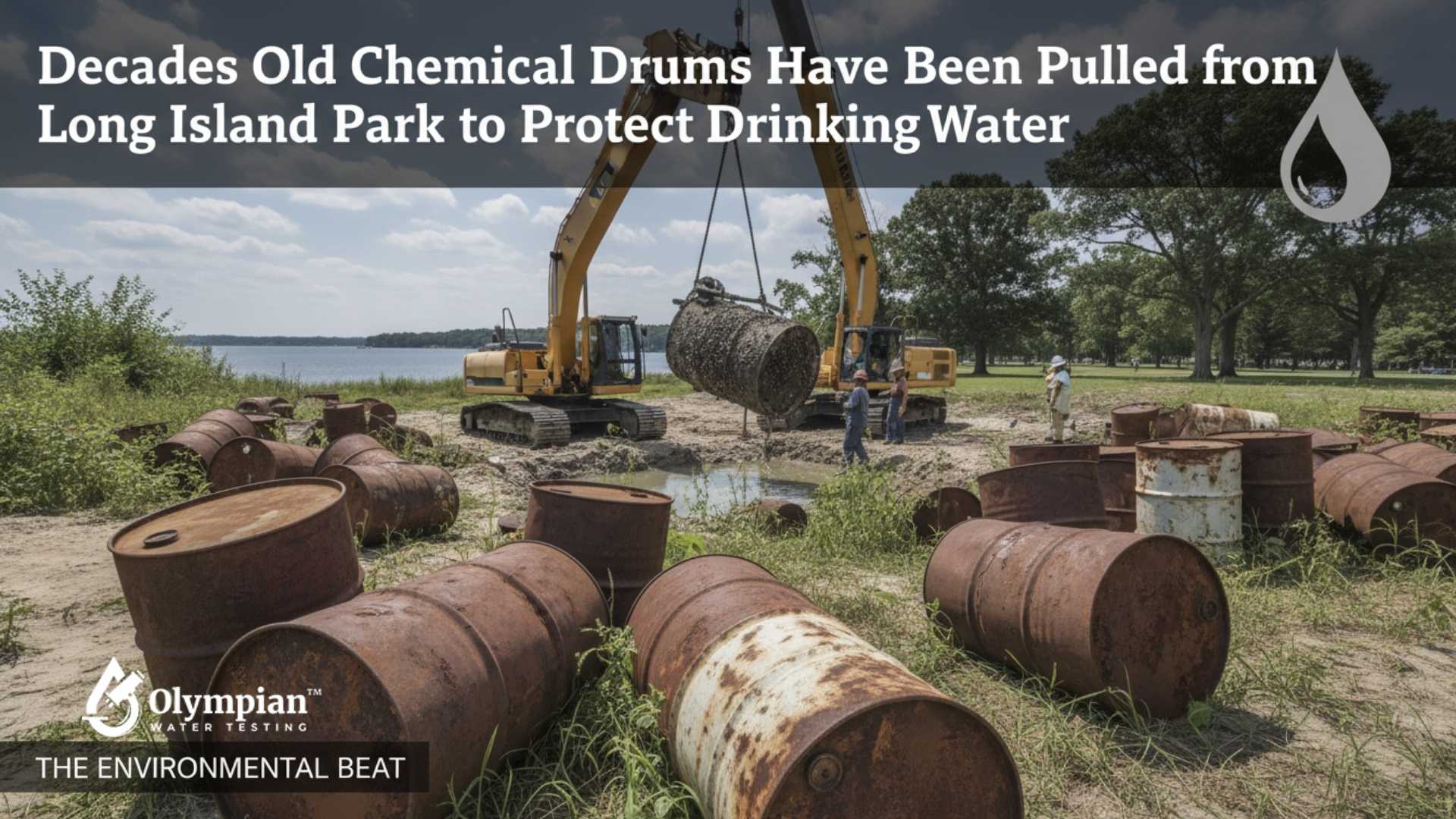
- Removal of factory byproducts left near shoreline areas
- Stricter oversight of on-site disposal practices
- Introduction of volunteer-led sediment cleanse operations
Scope of Restoration Efforts
Implementation involves collaboration between government bodies and conservation groups. Local ecology benefits from replanting initiatives. Environmental conservation gains momentum through efforts that reinforce the creek’s natural resilience.
A series of habitat renewal projects have commenced as part of a broader plan. This plan aims to enhance water flow and protect wildlife. Partners monitor progress at regular intervals to ensure sustainable benefits.
Key Action | Objective | Timeline |
Industrial Waste Removal | Reduce chemical pollutants in sediment | 6 Months |
Habitat Expansion | Replant native vegetation along creek | 12 Months |
Local Community Response

Residents in Cattaraugus County have united to safeguard Ischua Creek from pollution. Neighborhood groups have formed volunteer teams. They focus on removing debris and restoring the waterway.
Local businesses collaborate with the New York State Department of Environmental Conservation. Together, they fund initiatives to clean the river. The Cattaraugus County Chamber of Commerce leads sponsorship efforts. They aim to foster long-term commitment.
- Weekend trash collection events on the riverbank
- Donation drives for equipment and safety gear
- Workshops on sustainable waste disposal
“We support every resident who steps forward to preserve the creek. Their dedication boosts both local morale and environmental health.” — Cattaraugus County Health Department representative
Initiative | Participant | Objective | Outcome |
Trash Removal Drive | County Volunteers | Reduce debris | Cleaner riverbank |
Fundraising Campaign | Local Chamber | Secure resources | Increased awareness |
Public Education Workshop | Health Department | Promote safe practices | Improved community knowledge |
Recent Gains in Water Quality Along Ischua Creek
Scientists have observed significant improvements in Ischua Creek’s condition. The creek’s clearer flow and thriving aquatic life are clear indicators of better water quality. These advancements are attributed to focused clean-up efforts, which have effectively reduced contaminants and fostered a healthier ecosystem.
Volunteers, in collaboration with the New York State Department of Environmental Conservation (NYSDEC), remain vigilant for any remaining threats. Their dedication to preserving the local ecology for future generations is evident in their ongoing efforts.
Key Parameters Monitored
Researchers closely monitor pH levels to ensure they remain within a healthy range. Dissolved oxygen levels are checked to confirm the creek’s ability to support aquatic life. Bacterial counts are also tracked to assess the creek’s safety for recreational activities. These metrics provide critical insights into the creek’s status and guide future conservation actions.
Resident Feedback

Residents have noticed a decrease in unpleasant odors and an increase in wildlife sightings. Anglers report cleaner shorelines and fewer pollution signs. While caution is advised due to the ongoing fish advisory, there is a growing optimism about the creek’s future.
Parameter | Ideal Range | Current Range | Observation |
pH | 6.5–8.5 | 7.2–7.8 | Stable readings |
Dissolved Oxygen | ≥ 6 mg/L | 7–8 mg/L | Ample support for species |
Bacterial Count | Low levels | Moderate decrease | Ongoing monitoring |
Monitoring Methods at Ischua Creek
A systematic approach tracks changes in the creek’s health and supports progress in river cleanup. Local experts design detailed studies to identify pollutants early. This proactive approach extends the life of restoration efforts and safeguards water quality for future generations.
Sampling Frequency
Teams schedule water sampling at regular intervals. They measure chemical composition, turbidity levels, and other indicators with high precision. These findings guide decisions and prompt quick actions when needed.
Advanced Testing Equipment
Robust sensors and portable labs are key to environmental conservation, detecting issues early. Automated stations monitor daily changes, providing consistent data for ongoing assessments. These tools help professionals maintain healthier aquatic habitats and boost community confidence.
State Agencies Involved
In New York, the Department of Environmental Conservation works closely with local health departments to restore Ischua Creek. They manage testing schedules, pinpoint contamination sources, and ensure polluters face consequences.
The U.S. Environmental Protection Agency provides federal guidance on water quality standards. This cooperation fosters a cohesive strategy and swift action.
Department leaders pool their knowledge and resources for ongoing initiatives. Their dedication to ecological health and public welfare is evident.
Agency | Role | Focus |
New York State Department of Environmental Conservation | Oversight | Regulatory enforcement |
Cattaraugus County Health Department | Public health guidance | Education and safety |
U.S. Environmental Protection Agency | Federal support | National standards |
This team combines scientific methods with local perspectives. Their goal is to enhance water quality and bolster environmental resilience across the state.
Fish Advisory Background

A health advisory from the Environmental Protection Agency alerts anglers about the risks of certain fish species in Ischua Creek. Toxins in the water prompted ongoing caution for those who enjoy local fishing.
Historical Context
Decades of industrial runoff led to elevated contaminant levels in the water and sediment. Researchers have noted gradual improvements, yet the creek’s past remains in the form of persistent chemicals. Public awareness grew with fish testing revealing possible risks.
Recommended Precautions
Officials recommend frequent reviews of fish consumption guidelines when deciding which species to keep. Some residents prefer releasing their catch or cooking fish with methods that reduce contaminants. They are reminded to stay updated on local advisories and watch for signs of renewed testing. Vigilance supports personal well-being and helps maintain a safer environment for everyone.
Environmental Impact on Regional Wildlife
The revival of Ischua Creek is a boon for wildlife. Cleaner waters enhance the health of the food web. This change reflects a broader shift in local ecology. It also strengthens the area’s commitment to environmental conservation.
Bird Species Adaptations
Restored habitats lead to more vibrant nesting and feeding patterns. Ornithologists at the Cornell Lab of Ornithology note waterfowl settling in larger flocks. Songbirds now forage closer to the creek’s shallows.
Stronger vegetation cover provides fresh shelter. This helps safeguard new hatchlings from predators.
Insect Populations
Insect biodiversity continues to grow, benefiting fish and migrating birds. Dragonflies, mayflies, and stoneflies add variety to the food chain. Seasonal studies by the New York State Department of Environmental Conservation show higher species counts.
This highlights positive gains in water quality.
Community Workshops and Educational Programs

Local nonprofits, Cornell Cooperative Extension, and the Department of Environmental Conservation frequently organize public sessions. These sessions educate families, schools, and civic groups on water testing. Participants learn to identify early signs of creek pollution and develop daily habits for maintaining cleaner waterways.
Through hands-on activities, attendees get to test local water samples, observe aquatic life, and document their findings. This experience empowers children to recognize creek pollution early on, boosting their confidence. Such activities foster a sense of community pride and shared responsibility across neighborhoods.
Workshop Topic | Key Takeaways |
Water Testing Basics | Simple procedures for gauging pH levels and clarity |
Pollution Prevention | Ways to manage runoff and discard waste responsibly |
Community Reporting | Effective channels for alerting authorities to visible hazards |
Economic Benefits of a Clean River
Recently revitalized waterways signal fresh prospects for local economies. A healthier environment draws travelers eager to explore scenic banks and nearby trails. Small businesses find new channels for growth when visitors spend on lodging, dining, and related services. Parks and nature centers see a rise in attendance as families choose outdoor pursuits over congested urban attractions.
Tourism Opportunities
Guest lodges welcome those seeking paddleboarding or casual walks along the water’s edge. Private tour operators report steady bookings from groups curious about the region’s natural assets. Some entrepreneurs partner with conservation groups to celebrate river cleanup progress through themed events and guided eco-tours.
"We welcome travelers embracing outdoor experiences more than ever," shared the I LOVE NY campaign.
Local Fishing Industry Outlook
Sustainable angling gains traction as people trust the revitalized habitat. Northern pike, trout, and other species attract recreational fishers, though fish consumption guidelines shape public choices. Entrepreneurs engaged in bait production, gear sales, and charter trips benefit from renewed interest in catching select, healthy fish stocks.
Current Fish Consumption Guidelines

Residents remain keen on official advice for eating fish from Ischua Creek. The New York State Department of Health has issued a health advisory to safeguard local families. Trimming away fatty skin and removing organs can help reduce exposure to certain pollutants. Smaller fish often contain fewer contaminants, yet personal caution remains key.
A health advisory continues to recommend limiting meals to maintain a safe diet. Cooking methods that allow fats to drip away may lessen chemical residues. Experts suggest paying attention to changes in creek conditions, as ongoing clean-up efforts show promise for the future.
- Check local guidelines for meal frequency
- Debone and skin fish to lower toxin content
- Opt for grilling or baking with proper ventilation
- Stay updated through official public health notices
Adhering to these practices ensures community members can enjoy local catches while taking sensible steps in light of each health advisory.
Challenges Facing Ongoing Restoration
Revitalizing natural habitats requires ongoing effort to combat creek pollution and nurture local ecosystems. Success depends on consistent maintenance, meticulous planning, and community participation. Municipal leaders, conservationists, and donors work tirelessly to maintain momentum. Yet, several obstacles hinder their progress.
Funding Limitations
Insufficient funding hampers large-scale cleanup initiatives and regular water quality assessments. Organizations like the Environmental Protection Agency collaborate with state programs to secure grants. Despite these efforts, funding gaps persist. Private donations are essential for research and volunteer activities, but without robust financial support, efforts may falter.
Public Awareness Gap
Education campaigns struggle to reach all residents, including newcomers. Many are unaware of fish consumption guidelines or how to participate. Social media, community events, and local news can bridge this knowledge gap. By educating the public, we can foster healthier waterways and strengthen community bonds.
Media Coverage and Public Perception
Local newspapers and online outlets have amplified discussions about progress along Ischua Creek. Reports often focus on visible revitalization, while reminding the public that fish advisories remain in place. Some readers feel more hopeful when they see interviews with area residents who describe cleaner water and renewed interest in events tied to environmental conservation.
Regional broadcasters present balanced stories that celebrate community efforts yet highlight the need for continued caution. News segments on well-known stations depict volunteers joining restoration activities as a way to strengthen ties with nature. Commentators note that headlines promoting environmental conservation can boost turnout at workshops and inspire deeper engagement.
Social media posts capture a wide range of reactions, from excitement over restored habitats to doubts about lingering toxins. This varied coverage influences daily habits, shaping local commitment to safety guidelines and prompting fresh dialogue on the creek’s future.
Long-Term Sustainability Efforts
Preserving local ecosystems requires ongoing solutions that go beyond short-term fixes. It’s critical to protect water quality at every step. This ensures the entire region prospers.
Green Infrastructure
Municipalities and organizations like the United States Environmental Protection Agency (EPA) push for designs that mimic nature. Vegetated buffers, permeable pavements, and wetlands cut down on stormwater runoff and filter pollutants. This approach enhances the health of streams and rivers.
Citizen Science Initiatives
Volunteers team up with local groups to gather data and share findings. Their efforts support large-scale river cleanup projects. By engaging individuals, these initiatives raise awareness and foster community responsibility. Field training programs teach participants how to measure pH levels, record wildlife, and interpret data for policy updates.
Path Forward for Ischua Creek
Local leaders are optimistic about the creek’s future. Recent tests show significant improvements in water clarity. Partnerships are growing to protect this vital resource.
The health advisory is a major concern, but collaborative efforts have boosted confidence in the water’s recovery. Programs guide anglers on safe fish handling and consumption. This ensures the water remains safe for all.
Cleaner riverbanks now welcome family outings and spark community events. Workshops on watershed protection unite residents, researchers, and conservationists. These gatherings foster new connections and a shared commitment to preservation.
Infrastructure upgrades and enhanced water quality monitoring reflect a long-term dedication. With continued support, Ischua Creek will remain a thriving habitat and recreational site for future generations in the United States.