Overview of Growing Water Contamination Concerns
Public concern over rural well safety has grown due to the presence of lingering chemicals and hazardous elements. Many municipalities are now worried about the health risks posed by newly discovered contaminants. Experts highlight industrial runoff, sludge application in fields, and outdated wastewater systems as signs of a worsening crisis.

Potential Sources of Toxins
Industrial sites releasing residue into local streams are a major source of water pollution. In some regions, the use of biosolids has allowed toxins to spread faster than expected. The careless disposal of manufacturing waste and unregulated dumping further exacerbate the problem, contaminating aquifers and public water supplies.
Impact on Local Ecosystems

Research shows that PFAS and similar compounds can build up in soil, wildlife, and farmland. This accumulation has a significant environmental impact, disrupting fish habitats and entire food chains. Community leaders stress the need for ongoing monitoring and effective solutions to prevent severe health effects.
The Scope of Rural Contamination in New Jersey
Decades of industrial activities have significantly impacted farmland across the state. Chemical-laden sludge applied in the 1950s may have exacerbated the contamination extent. This has created significant challenges for local communities.
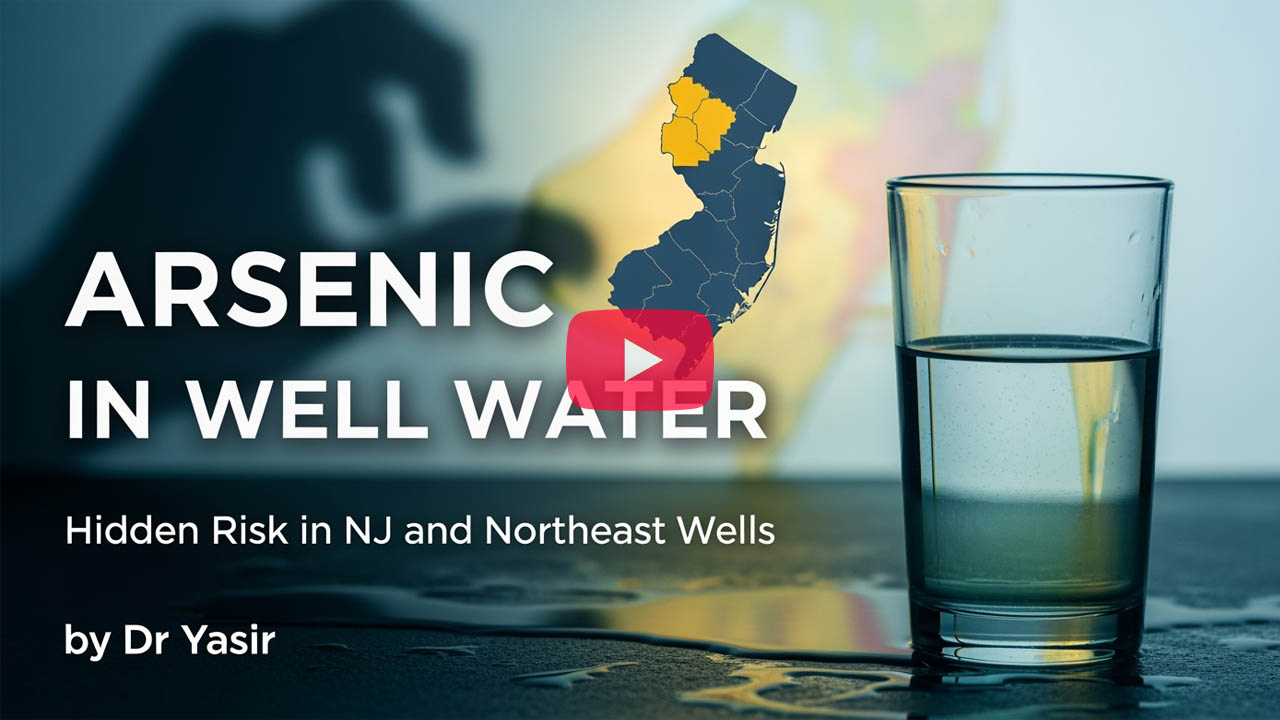
Ongoing groundwater monitoring programs continue to find high levels of PFAS in rural NJ wells. Some residents rely on bottled water for cooking and drinking. Others are concerned about the health of their livestock and crops.

Local officials from the New Jersey Department of Environmental Protection declared a commitment to more vigilant testing in affected regions.
Well inspections have expanded to multiple counties, showing the issue is widespread. Affected families have had to change how they fish and farm. They hope to limit their exposure to these contaminants.
- Widespread well testing indicates hidden risks
- Household budgets strained by bottled water expenses
- Livelihoods tied to agricultural output remain uncertain
Time Period | Wells Tested | Suspected PFAS Presence |
1950s | Limited Data | Emerging |
1980s | Moderate | Elevated |
Present | Hundreds | Confirmed |
Legal Response and Ongoing Regulation Efforts
Public outcry has grown, demanding accountability. Watchdog groups push for clear rules and quick action against polluters. They aim to protect small communities from water threats. Lawsuits highlight the need for consistent oversight to guarantee safe drinking water.

Federal Guidelines
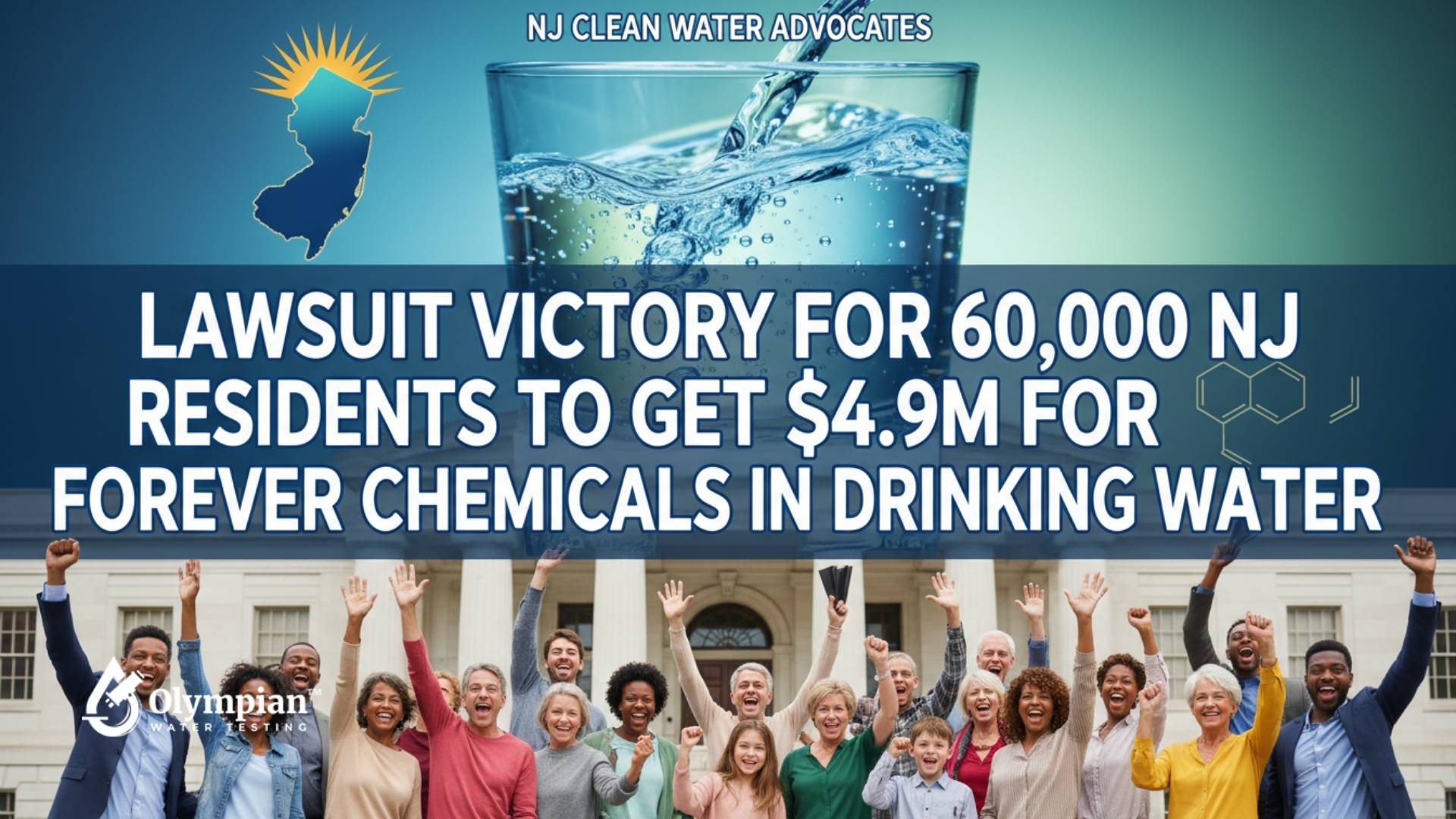
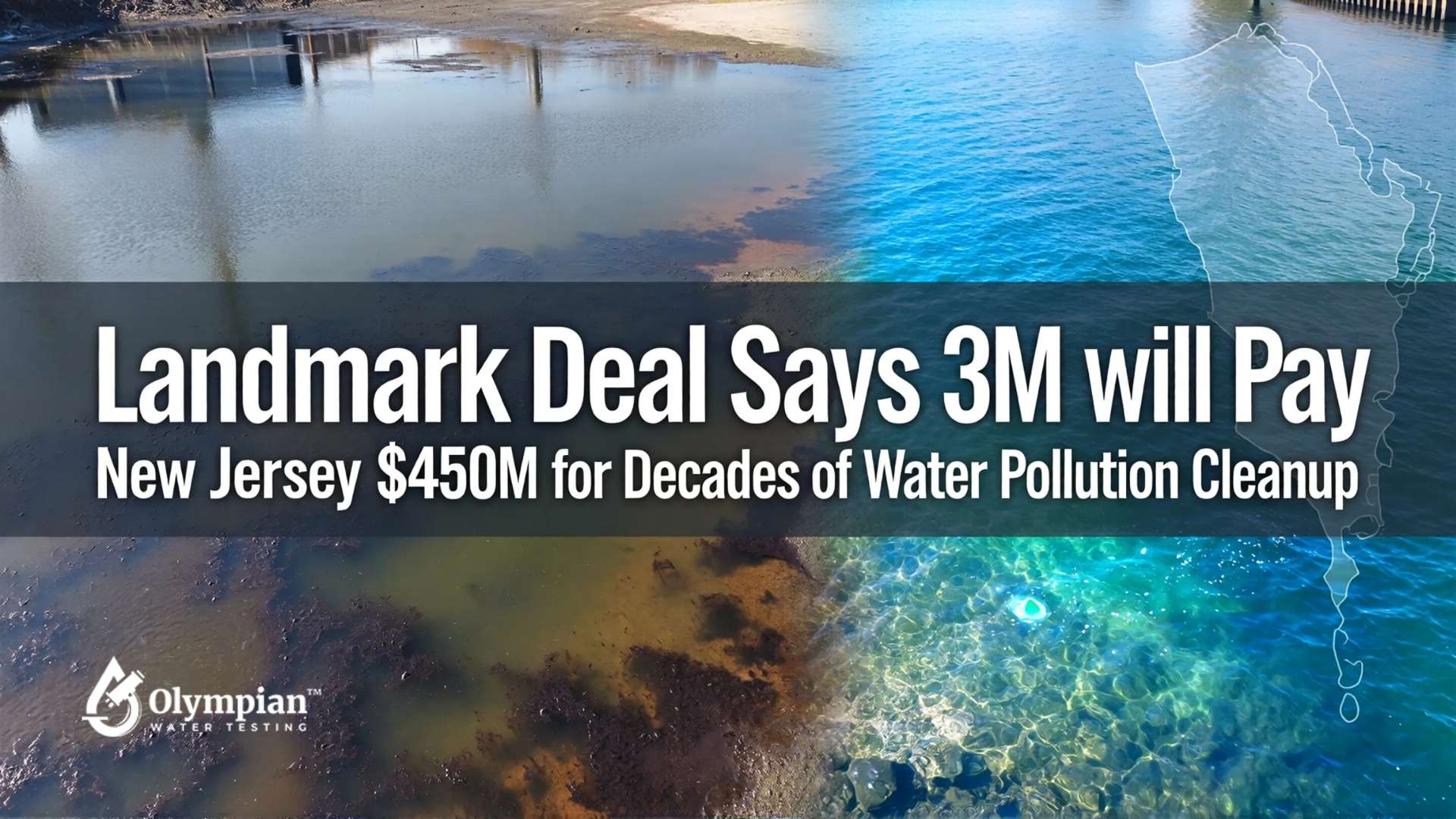
New directives focus on EPA regulations. They classify certain PFAS, like PFOA and PFOS, as hazardous substances. This move under the Superfund law makes polluters liable for contamination. Settlements, such as 3M’s recent financial commitment, show the scope of these measures.
Public pressure is high for transparency in enforcing these guidelines.
State-Level Enforcement
Local standards offer additional protection. NJ DEP enforcement is key in setting state limits. New Jersey once set strict PFAS thresholds, but federal rule changes may alter local policies. Lawsuits and community petitions drive proactive strategies.
They call for careful monitoring of rural wells and swift action on contamination.
Challenges in Testing and Detection
Rural communities face major obstacles in identifying per- and polyfluoroalkyl compounds. PFAS testing methods require specialized labs and strict handling, straining local resources. Well water screening is often sporadic, as private owners rarely conduct routine assessments. Detection thresholds can reach parts per trillion, increasing the risk of contamination and costs.

New policies mandate water utilities to complete full-scale evaluations within three years. They also have two extra years to install filtration systems or adopt alternative treatments. This structured approach is hindered by limited budgets and sampling limitations. Smaller towns often lack the technology and expertise, leading to high expenses for private operators. Municipal leaders aim to speed up testing and support households relying on local wells.
Key Factor | Considerations |
Detection Thresholds | Extremely low levels (parts per trillion) demand specialized instruments |
Contamination Risks | Equipment and sample handling increase the chance of inaccurate results |
Available Funding | Smaller budgets in rural zones restrict prompt adoption of new measures |
Community Reactions and Grassroots Mobilization
Rural residents across New Jersey share concerns and unite for solutions. Many rely on donated bottled water, awaiting more transparent testing methods. This is to ease fears over possible health risks. Local forums serve as hubs for exchanging facts and motivating unified efforts.
Local Advocacy Movements

Neighbors embracing local water advocacy have started petition drives and awareness rallies. Grassroots activism pushes lawmakers to consider enhanced filtration support. This draws attention to regions where contamination remains overlooked or unreported.
Media Spotlights

Reports by NJ Spotlight News have amplified PFAS public awareness and prompted broader engagement. Journalists highlight personal accounts of well contamination. This spurs a swift public response, pushing officials to revisit current safety benchmarks.
Collaborative Community Actions

Farmers, environmental nonprofits, and small businesses unite for free water testing events. These gatherings spread vital information and generate financial backing for improved filtration systems. Residents value this teamwork, which promotes trust and equips families with tangible relief.
PFAS: Understanding the Substance and Its Impact
PFAS definitions outline a class of compounds renowned for their ability to repel water and withstand heat. Dubbed forever chemicals, they persist in the environment for an unusually long time. Historically, 3M and DuPont have produced these per- and polyfluoroalkyl substances for various applications, including cookware and textiles.
These substances form strong bonds with human and wildlife cells, leading to gradual accumulation over time. Many experts consider this accumulation a significant health risk.
The molecular structure of PFAS is centered around a carbon-fluorine chain, which is highly resistant to natural degradation. This characteristic makes PFAS durable in products but also complicates efforts to remove them from soil and water.
Latest Research Findings
Recent studies indicate that even small amounts of PFAS can increase the risk of certain cancers and kidney damage. There is also evidence suggesting they may interfere with immune function. New Jersey has established early guidelines for PFAS, driven by research linking long-term exposure to serious health issues.
Component | Significance |
Carbon-Fluorine Bond | High stability against degradation |
Bioaccumulation | Persistent buildup in living tissues |
Health Effects Linked to Exposure
PFAS health risks have raised significant concerns in many communities. Exposure can lead to kidney, liver, and testicular problems. It also increases cancer risks due to chronic exposure. Pregnant women and children are at higher risk, as their developing bodies are more sensitive.
Experts highlight the dangers of immune system suppression and hormone disruption. The Environmental Protection Agency has not found a safe threshold for PFAS. This has led to stricter testing and growing awareness. For more information, visit this resource.

Studies suggest a connection to developmental disorders and thyroid disease. Yet, many remain uncertain without more data. To detect these threats, residents often invest in advanced testing. This anxiety drives families to seek reliable guidance on long-term health risks.
Potential Solutions for Contaminated Wells
Many rural communities face the challenge of tainted drinking water. The costs and maintenance needs can be daunting. Yet, there are practical steps to reduce harmful compounds in private wells.
Advanced Filtration Technologies
The US Environmental Protection Agency recommends specialized systems for chemical contaminants. PFAS filtration often involves granular activated carbon, reverse osmosis, or ion exchange. These methods help remove toxins, ensuring safe well water treatment.
Method | Advantages | Challenges |
Granular Activated Carbon | Reduces diverse pollutants | Requires scheduled replacement |
Reverse Osmosis | Targets numerous harmful substances | Higher installation expense |
Ion Exchange | Removes targeted chemicals | Special disposal needs |
Available Public Funding and Grant Programs
Federal and state agencies provide grants for water safety. These grants help offset the cost of expensive filtration systems. Local officials often collaborate with nonprofit groups to secure these resources. This ensures smaller communities receive the necessary assistance to address contamination concerns.
Investigative Journalism and the Role of Media
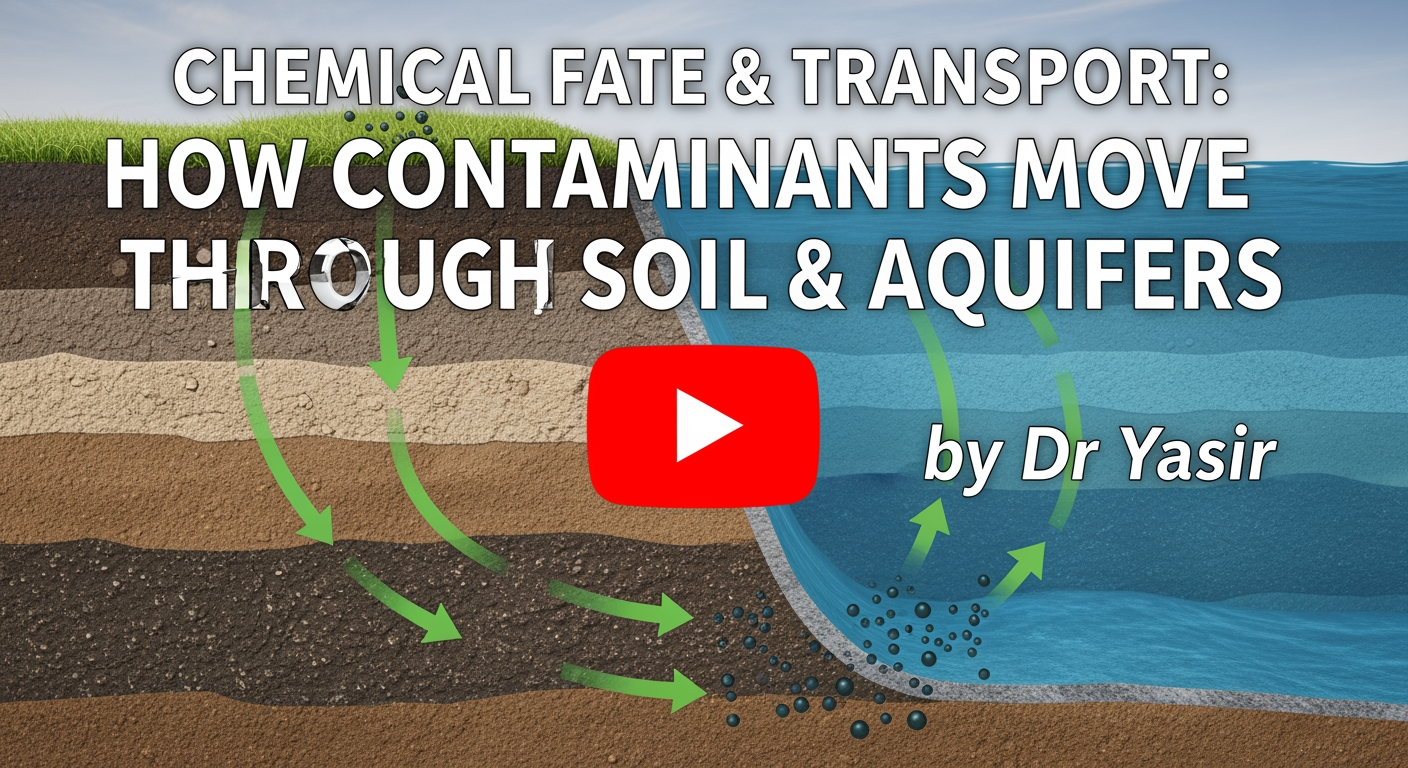
Investigative reporting continues to shed light on critical issues affecting rural families. NJ Spotlight News has devoted extensive coverage to the ways PFAS contaminants can travel from farmland to aquifers. This highlights the urgent need for deeper water contamination coverage. Reporters track ongoing legal measures, tracing which polluters face penalties as regulations evolve.

Media influence encourages tighter oversight from state and federal agencies. Stories about unsafe wells spark public demand for transparent data and direct engagement with local officials. In turn, headlines often inspire communities to organize meetings, pool resources for lab tests, and confront corporate practices that may worsen contamination. These efforts ensure residents stay informed and motivated to protect their drinking water.
Well-researched articles connect the dots between new evidence and real-world solutions. Journalists highlight funding for filtration systems, while also examining legislation that affects cleanup projects. This dedication keeps PFAS hazards in the public eye, ensuring water contamination coverage remains a priority for decision-makers and citizens alike.
Year | Major Finding | Public Action |
2019 | PFAS traced from farmland runoff | Local testing campaigns launched |
2020 | Polluting firms identified | Litigation and tighter regulations |
2021 | New filtration technology introduced | Grant proposals for rural areas |
Importance of Transparency and Citizen Engagement
Open communication about PFAS threats in rural wells builds trust among residents. Clear research findings prompt public outreach. This encourages families to ask questions and share data across neighborhoods. This mutual support broadens understanding and urges local leaders to act swiftly.
Leaders from the New Jersey Department of Health stated:
Transparent data sharing is vital for keeping families safe in affected regions.

Community Workshops
Nonprofit organizations and local groups host events to educate residents on PFAS basics. Attendees learn about sampling methods and how to interpret test results. Some town officials partner with labs to offer free or reduced-cost analyses. This approach supports citizen engagement, helping people make informed decisions before issues escalate.
Volunteer Testing Initiatives
Programs in collaboration with universities and environmental agencies encourage community-led testing. Residents collect water samples on designated dates and share results online or in public forums. These efforts highlight threatened areas more quickly than isolated calls for help.
Initiative | Partner | Key Benefit |
Local PFAS Workshop Series | County Health Department | Teaches steps for safer well maintenance |
Community-Led Testing Drive | Rutgers University | Analyzes samples and shares expert guidance |
Future Outlook for Water Safety in Rural Regions
Many communities are bracing for stricter guidelines due to PFAS contamination in remote areas. The Superfund designation could bring much-needed funding and legal backing to tackle pollution. States like New Jersey must now balance economic growth with the need for a rural water future. This is to ensure safe wells for future generations.
Experts stress the importance of proactive contamination prevention. They recommend early detection and ongoing public involvement.
“We remain deeply concerned about new contamination hotspots,” said the Environmental Working Group.
Thisissue briefexamines the growing federal attention on PFAS. It also explores new ways to manage risks across different areas.
A clear water safety outlook requires several steps:
- Increased support for real-time monitoring
- Clean-up programs targeting industrial discharge
- Expanding research into advanced filtration solutions
Communities that focus on these areas are better equipped to face future challenges. They can protect public health and safeguard vital water sources from further damage.
A Final Call for Vigilance and Action
PFAS awareness is critical, and it begins with each household. Regular well testing can uncover hidden risks and inform local leaders about problem areas. This call to action urges every resident to seek clear data, share findings, and pose tough questions to health agencies.
Community groups and public officials play vital roles in ensuring safe water in rural New Jersey. Long-term investments in research, filtration, and infrastructure require citizen support and monitoring. Shops selling filtration systems, local labs testing water quality, and bipartisan legislative initiatives all benefit from community involvement.
Together, these efforts form a shared mission to safeguard water today and ensure a healthier future for generations to come.