The Growing Public Concern Over PFAS
Local communities are sounding the alarm as synthetic substances like PFAS contaminate drinking water and household products. News stories are filled with growing health concerns. Medical professionals emphasize the need for ongoing monitoring.
Federal agencies are stepping up to study the long-term effects of PFAS. This has led to proposed health advisories and stricter policies. The U.S. Environmental Protection Agency is also boosting public outreach efforts.
Parents, teachers, and civic leaders are calling for more research. They want to ensure families are safe from everyday exposures. Media coverage highlights the need for testing and information on chronic conditions. Despite efforts by relief groups to share data, concerns about PFAS contamination remain.
“The public has a right to know how these chemicals affect their water and future,” stated a spokesperson from the American Public Health Association.
Why PFAS Are Called Forever Chemicals
PFAS substances are renowned for their enduring durability and resistance to natural degradation. Their carbon-fluorine bonds remain unbroken even under extreme conditions. This characteristic led to their nickname as "forever chemicals." PFAS technology leveraged this stability, but it also introduced significant environmental challenges that continue to this day.
A Brief History of PFAS
In the mid-20th century, scientists noted the water- and oil-repelling properties of perfluorinated compounds. This discovery sparked rapid manufacturing growth, with giants like 3M and DuPont exploiting these properties. Key milestones in this history include:
Year | Milestone |
1940s | Discovery of fluorinated compounds |
1960s | Expansion in commercial products |
2000s | Global attention to toxic risks |
Common Industrial Uses
PFAS chemicals are used in various sectors where heat and stain resistance are critical. They are found in:
- Nonstick cookware (Teflon coatings)
- Waterproof fabrics (Gore-Tex technology)
- Firefighting foam for oil-based fires
Potential Environmental Risks

The frequent release of these chemicals can pollute water and soil. They persist for decades, potentially entering the food chain. PFAS technology often intersects with public health, driving research into safer alternatives and stricter regulations.
Innovative Techniques for PFAS Degradation
Labs globally are working tirelessly to transform harmful compounds into safe substances. Researchers use specialized catalysts under low-pressure conditions. They aim to break carbon-fluorine bonds without the need for expensive incineration. A recent study shows how specific materials and blue LED light can effectively break down these molecules.
As companies refine treatments, PFAS solutions are growing. These advancements allow for treatments at normal temperatures, reducing energy needs and costs. Engineers are exploring photocatalytic reactions that use UV radiation. Others are adapting chemical reagents to capture remaining particles before disposal. Cost-effective methods like these are making large-scale implementation more feasible.
A principal investigator at Stanford University said, “We see groundbreaking green processes that target PFAS directly at the source.”
- Reducing reliance on intensive heat
- Enhancing scalability with minimal waste
The field of PFAS solutions is constantly evolving, with new discoveries every year. Teams push for safer industrial practices, focusing on environmental responsibility. Progress is moving from small lab experiments to practical prototypes that align with today’s sustainability standards.
Laboratory Findings on Next-Gen PFAS Solutions
Scientists meticulously conduct trials to assess the breakdown speed and completeness of these substances under various conditions. They meticulously measure reaction rates and analyze any intermediate compounds. This ensures that each pathway for PFAS destruction results in safe outcomes. Initial findings indicate that many smaller-scale prototypes effectively target the strong bonds in these chemicals without generating additional hazards.
Recent Research Approaches
Researchers globally are delving into specialized materials that exploit light and electron transfer to weaken persistent bonds. They investigate the efficacy of organic catalysts in reducing treatment temperatures and energy requirements. These innovations could enable the treatment of larger volumes of contaminated water, reducing the need for substantial equipment investments. Preliminary results from pilot tests suggest consistent performance across multiple trials.
Safety Assessments
Experts conduct thorough analytical checks to confirm that treated solutions are devoid of harmful residues. They focus on identifying possible byproducts and ensuring they do not contaminate the environment further. These efforts help labs prove that their PFAS destruction methods do not introduce secondary environmental risks. Ongoing evaluations aim to enhance each step, making the process safer and more efficient for widespread use.
Pilot Programs Showing Real-World Success
Local water facilities and research groups have launched projects that confirm the effectiveness of next-gen methods. These efforts focus on thorough PFAS detection and targeted destruction in settings with fluctuating water quality. Partners gather data on durability, social acceptance, and real costs.
“These trials show promise for large-scale adoption, and early feedback suggests that community engagement improves outcomes,” said an EPA representative.
Many pilot sites rely on mobile setups developed by experienced engineers. Systems include rapid PFAS detection tools and advanced filtration units that treat harmful compounds before they reach consumers. Short-term findings reveal a strong likelihood of expanded trials in similar communities. Public officials see these successes as a catalyst for broader policy discussion, making it possible to envision sustainable solutions that protect both infrastructure and the environment.
Challenges in Implementing Destruction Technologies
Advances in technology have brought us closer to eliminating Forever Chemicals. Yet, real-world application faces significant hurdles. The need for substantial energy and varying waste concentrations complicates the process in different environments.
Technical Barriers
Effective destruction requires specialized equipment that can handle temperature fluctuations. Some systems face challenges due to corrosive environments or high salinity levels, limiting their large-scale use. Researchers are working to improve advanced filtration and thermal processes. They aim to ensure that the final discharge meets safety standards.
Costs and Funding
Developing pilot projects can be costly for public agencies and investors. The expense of testing complex treatments often requires significant investment. This has led to the need for strong partnerships. Cost-sharing models have helped laboratories and municipalities pursue breakthroughs.
Regulatory Framework
Guidelines from the Environmental Protection Agency and state agencies are constantly evolving. As new data emerges, so do the requirements. This uncertainty can be a challenge for technology developers unsure about future compliance. Collaboration between policymakers and scientific institutions is key. It helps reduce these uncertainties and paves the way for a safer environment. This synergy is essential for communities dealing with Forever Chemicals.
Where Forever Chemicals Appear in Daily Life

Household items often contain coatings or additives linked to PFAS contamination. Nonstick cookware, like Teflon from DuPont, can release trace amounts of these substances at high heat. Water-resistant outerwear and stain-blocking sprays from 3M also rely on these chemicals, which remain potent with frequent use. Beauty products, including mascara and foundation, contain these compounds, raising concerns about daily exposure.
Firefighting foam used at airports and military bases contaminates soil and groundwater, posing risks to nearby communities. Stain-resistant carpets wash residues into local water systems, extending the impact beyond a living room. Awareness of how everyday products spread these chemicals is growing. This highlights the need for tighter oversight. Safer alternatives and clear labeling can empower consumers to reduce health threats.
Environmental Agencies and Their Role
Environmental agencies, like the Environmental Protection Agency (EPA), create rules to limit toxic releases. They also fund wide-ranging remediation efforts. These efforts guide PFAS solutions by setting safe exposure levels and supporting field tests.
Their work prevents water supply contamination and protects public health. This is critical in advancing destructive methods against PFAS.
These organizations collaborate with laboratories, universities, and local utilities. They share data on new technologies. This collaboration refines approaches for neutralizing stubborn compounds.
Public engagement becomes possible when agencies encourage citizens to understand hazards. They support effective cleanup plans. This way, the community can champion research and regulatory updates.
Strategic Partnerships
Institutional alliances spur innovation and streamline pilot programs. Joint projects coordinate specialized skills and pool financial resources. This synergy drives consistent safety guidelines.
It helps scale PFAS solutions regionally. Such partnerships are essential for effective solutions.
Public Awareness Campaigns
Community outreach tools, such as workshops and pamphlets, inform households. They share emerging data and protective steps. Open dialogue empowers neighborhoods to champion research and updates.
By raising awareness, agencies lay the groundwork for systematic change. This is vital in confronting harmful chemicals.
Consumer Pressure and Corporate Responsibility
Across the United States, shoppers are questioning the safety of everyday items. They start petitions and share their concerns on social media. They urge businesses to cut down on toxic substances in popular products.
Companies like 3M and DuPont face growing demands to reformulate their products or fund research into sustainable alternatives. The threat of brand boycotts prompts executives to find ethical solutions. These solutions must protect sales and maintain a positive public image.
Some companies are taking steps towards PFAS destruction. They aim to remove contamination from packaging and industrial runoff. This move shows a commitment to improving products and safeguarding communities.
The public’s outcry leads to more investment in research for safer formulations. Many companies collaborate with universities to establish higher chemical use and disposal standards. PFAS destruction efforts promise greater accountability. They push manufacturers to clean up their supply chains and regain consumer trust.
The Latest News on PFAS Litigation and Policy
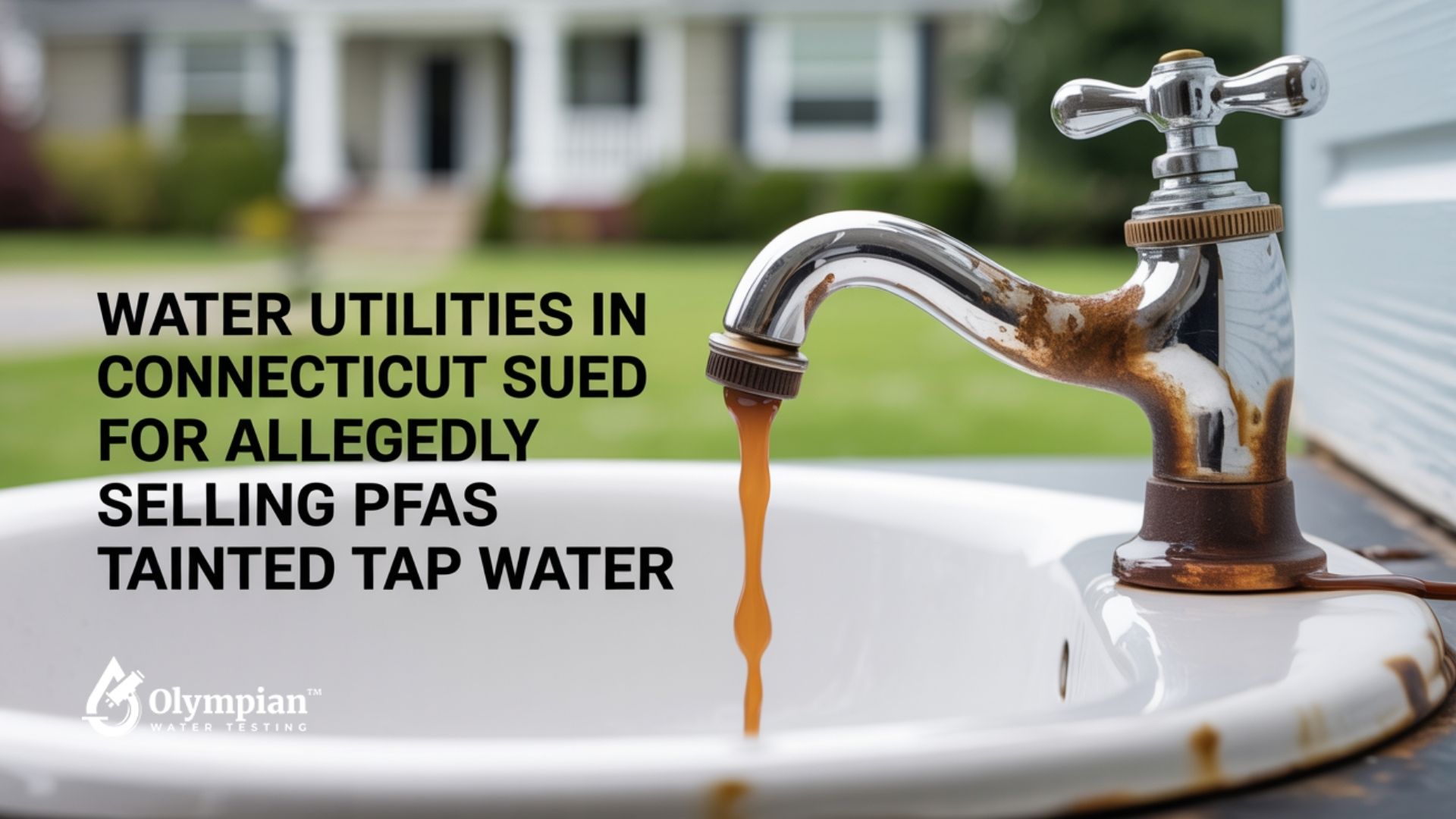
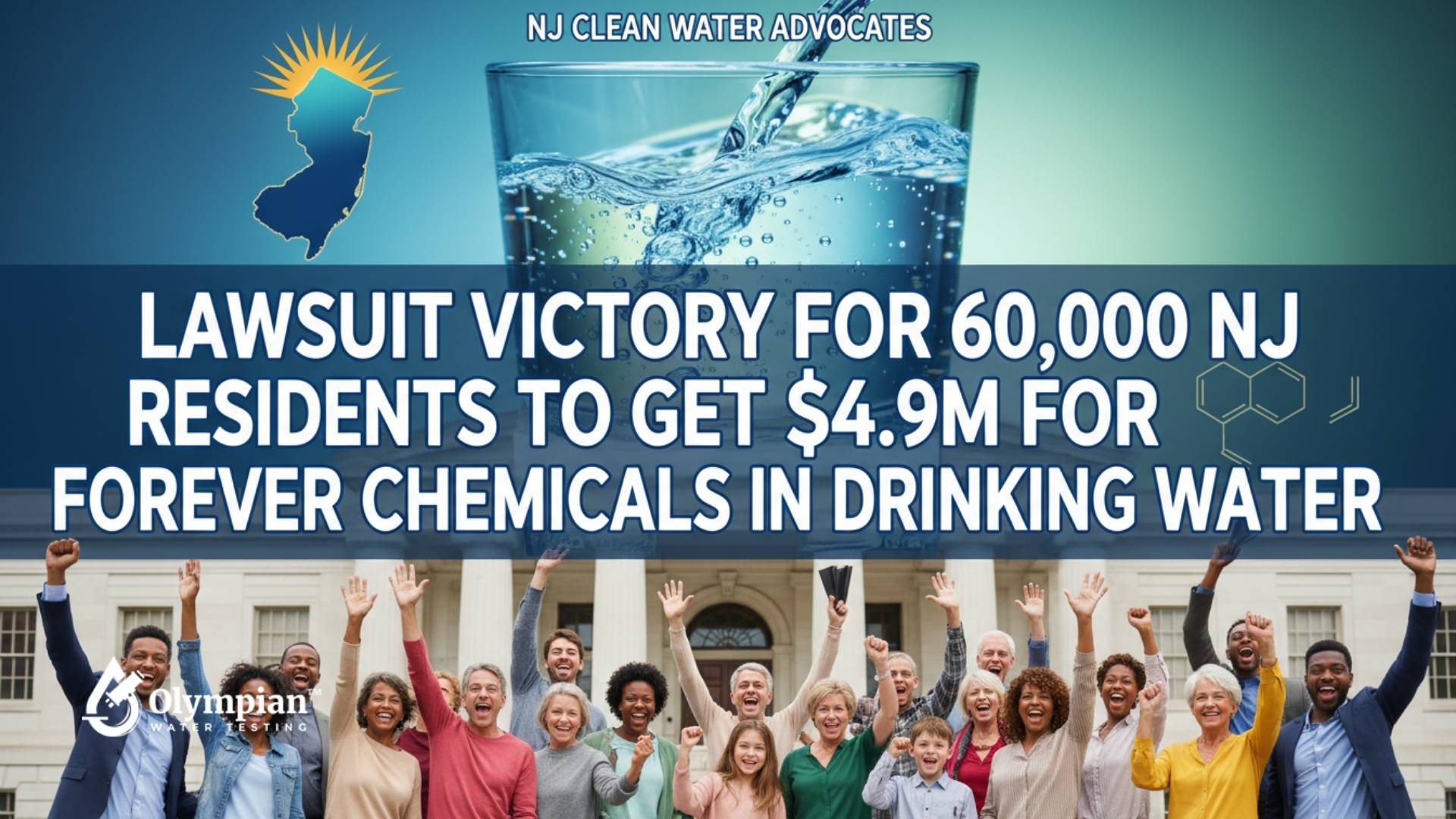
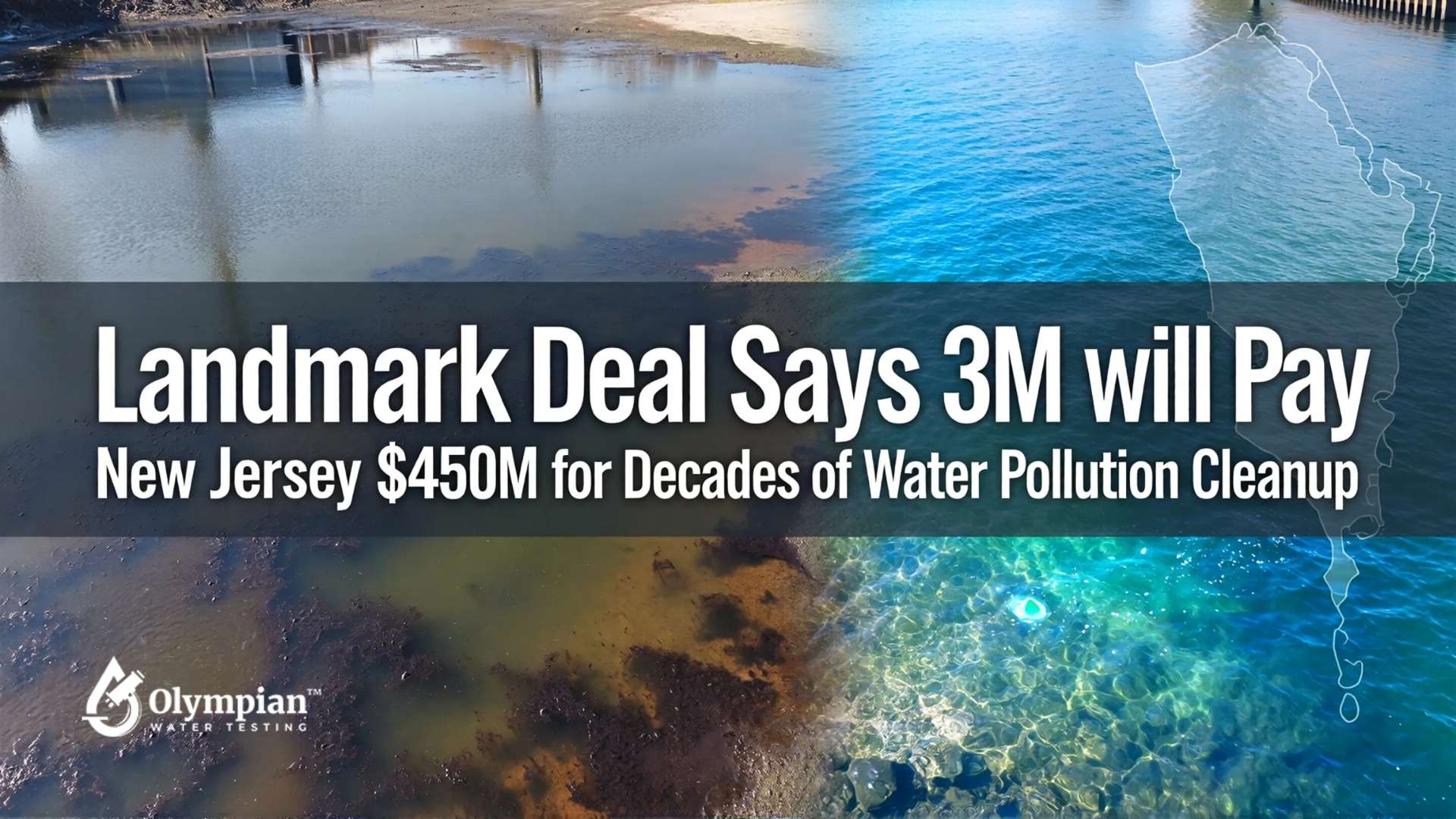
Public outcry is growing as contamination cases make their way to courtrooms across the United States. Recent legal actions have put PFAS legislation at the forefront of debates on corporate accountability. Government officials are gathering evidence that links manufacturers to property damage and health risks. Each verdict marks a shift in how we handle harmful substances.
Major Court Cases
Important lawsuits are targeting chemical producers like 3M and DuPont for alleged water safety breaches. Some verdicts have led to significant settlements. Judges are focusing on data showing high pollution levels, highlighting the need for transparency. Plaintiffs aim to prove direct connections between contamination and corporate practices, setting a precedent for responsible waste management.
Proposed Legislation
Lawmakers are crafting PFAS legislation to curb emissions and require regular testing. This effort aims to safeguard communities from toxins all year. The push for change is driving stricter guidelines on chemical use, encouraging industries to explore safer options. As more contamination data comes to light, observers predict evolving policies that will shape future protections and standards nationwide.
Potential Impact on Public Health
Scientists are delving into PFAS public health data, revealing possible effects on critical body systems. Their lasting presence sparks concerns about the extent of exposure leading to serious health issues. The Centers for Disease Control and Prevention emphasize the need for continuous monitoring. They urge communities to remain vigilant as research unfolds.
To mitigate contamination, stricter controls on industrial emissions, enhanced waste management, and regular water quality checks are essential. Laboratories are working to minimize risks, while health agencies promote preventive actions. These efforts aim to protect people from the hidden dangers in their daily lives.
Vulnerable Populations

Some groups are more susceptible to PFAS health risks. Pregnant women, children, and those residing near industrial sites face increased exposure. This is due to prolonged contact or contaminated water sources. It’s imperative to stay alert in these situations.
- Consistent testing of local streams and municipal wells
- Regular inspections of packing materials and household products
- Education campaigns advocating safer disposal methods
These initiatives aim to protect public health and create healthier environments for all. They ensure a safer future for every individual and family.
Emerging Technologies for Early Detection
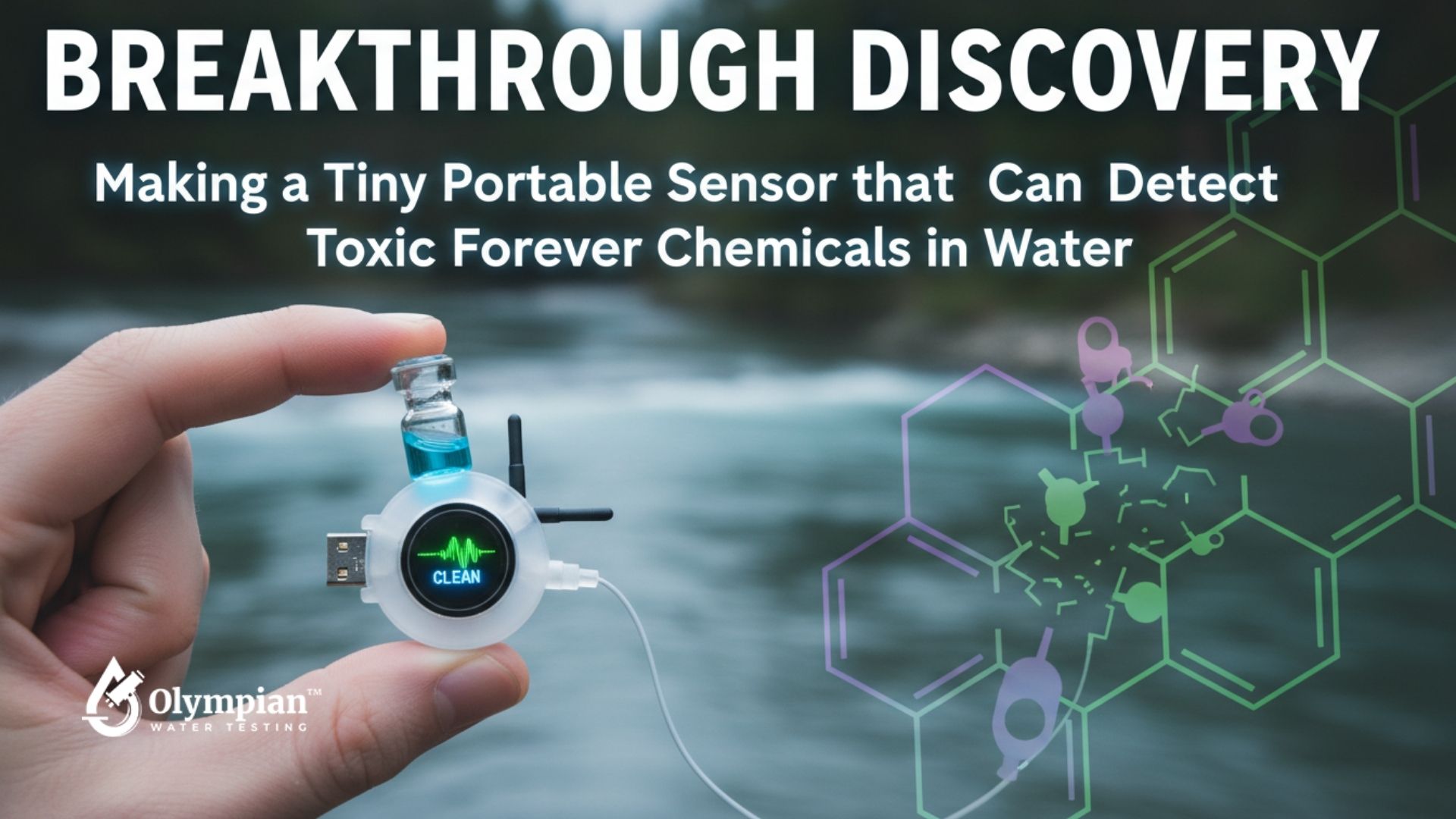
New strategies for identifying contaminants promise deeper insights into the presence of Forever Chemicals. Miniaturized sensor arrays and precision instruments can capture trace elements in water, soil, and blood. Early detection becomes a powerful tool for minimizing exposure and steering cleanup efforts in the right direction.
Advanced Testing Methods
Scientists across the United States harness high-resolution mass spectrometry systems from recognized providers like Thermo Fisher. These compact units generate detailed data on target compounds at parts-per-trillion levels. Laboratories and field teams benefit from:
- Portable analyzers for on-site sampling
- Low detection limits conducive to swift remediation
- Cloud-based platforms for rapid data sharing
EPA spokesperson notes, “Real-time testing plays a critical role in protecting communities, guiding timely interventions that prevent further harm.”
Roadmap to Widespread Adoption
Collaborations between technology firms, government agencies, and academic institutions accelerate innovation. Shared standards for calibration and data integrity strengthen trust in new workflows. Broader use of these tools helps pinpoint Forever Chemicals faster, reducing risks for public health and the environment. Continued investments push these detection methods toward mainstream adoption, making early warnings a key factor in preventing long-term damage.
Sustainable Alternatives in Manufacturing
Innovators are now exploring new methods to reduce PFAS contamination without compromising product quality. They are looking into bio-based coatings, advanced polymers, and refined blends. These alternatives aim to match the durability standards seen in challenging environments. While initial costs may be higher, companies like DuPont and The Chemours Company are showing a commitment to cleaner solutions.
Research indicates a shift in the industry away from chemicals with high pollution potentials. Manufacturers are striving to find a balance between feasibility and safety. They want to ensure that greener options do not pose new threats. Some breakthroughs involve coatings made from natural sources or advanced plastic composites that maintain heat resistance.
- Bio-based coatings show promise under high-temperature conditions
- New polymer systems mirror traditional strength levels
- Organic additives limit PFAS contamination concerns
The investment in cleaner manufacturing signals a shift towards more responsible production practices. Brands are working to protect communities and ecosystems without sacrificing efficiency. This progress could lead to further breakthroughs and reduce long-term risks.
Potential Substitute | Key Benefit |
Plant-Derived Coating | Lower toxicity and easier disposal |
Enhanced Polymer Blend | Sustains performance under stress |
Organic Additive Formula | Reduces PFAS contamination while preserving quality |
Funding Streams and Public-Private Partnerships
Securing financial support is key to moving promising research from the lab to field trials. Government incentives, philanthropic contributions, and venture capital firms offer different paths for innovative projects. These paths help advance PFAS solutions.
Capital-raising strategies often involve partnerships between academic institutions and industry experts. Resources on how to secure funding provide insights into targeted grants and loan programs. Such collaborations lead to tangible benefits, including expanded pilot sites and streamlined compliance measures.
Bridging Gaps for Implementation

Public-private partnerships merge scientific breakthroughs with large-scale infrastructure. These alliances distribute risks and rewards among stakeholders, paving the way for lasting change. Community-driven councils often contribute by sharing local insights and building trust.
- Clear project milestones reduce uncertainties
- Transparent cost-sharing builds confidence
- Shared intellectual property encourages long-term relationships
Funding Source | Benefit | Challenges |
Government Grants | Support emerging PFAS solutions | Lengthy application process |
Philanthropic Funds | Offer flexible financial backing | Limited scope for large-scale projects |
Private Investors | Accelerate commercial deployments | Expect significant return on investment |
The Way Forward Toward a PFAS-Free Future
Scientists are working tirelessly to perfect methods for PFAS destruction, focusing on the source of these persistent pollutants. Companies like Moss Parker are exploring ways to break down complex bonds without harming the environment. Governments are backing this research with policy support, while nonprofits are raising awareness to empower communities.
Regulatory oversight is essential for moving new technologies from the lab to practical use. Sustainable product development is also gaining traction, reducing our dependence on harmful chemicals. Detection methods, remediation efforts, and legislation are all working together to protect our drinking water.
Collaboration across sectors is key to achieving a PFAS-free future. Researchers, industry leaders, and the public can work together to protect human health and preserve our ecosystems. By taking swift action, relying on sound science, and engaging with communities, we can make PFAS destruction a reality.