Understanding the Importance of Decentralized Treatment
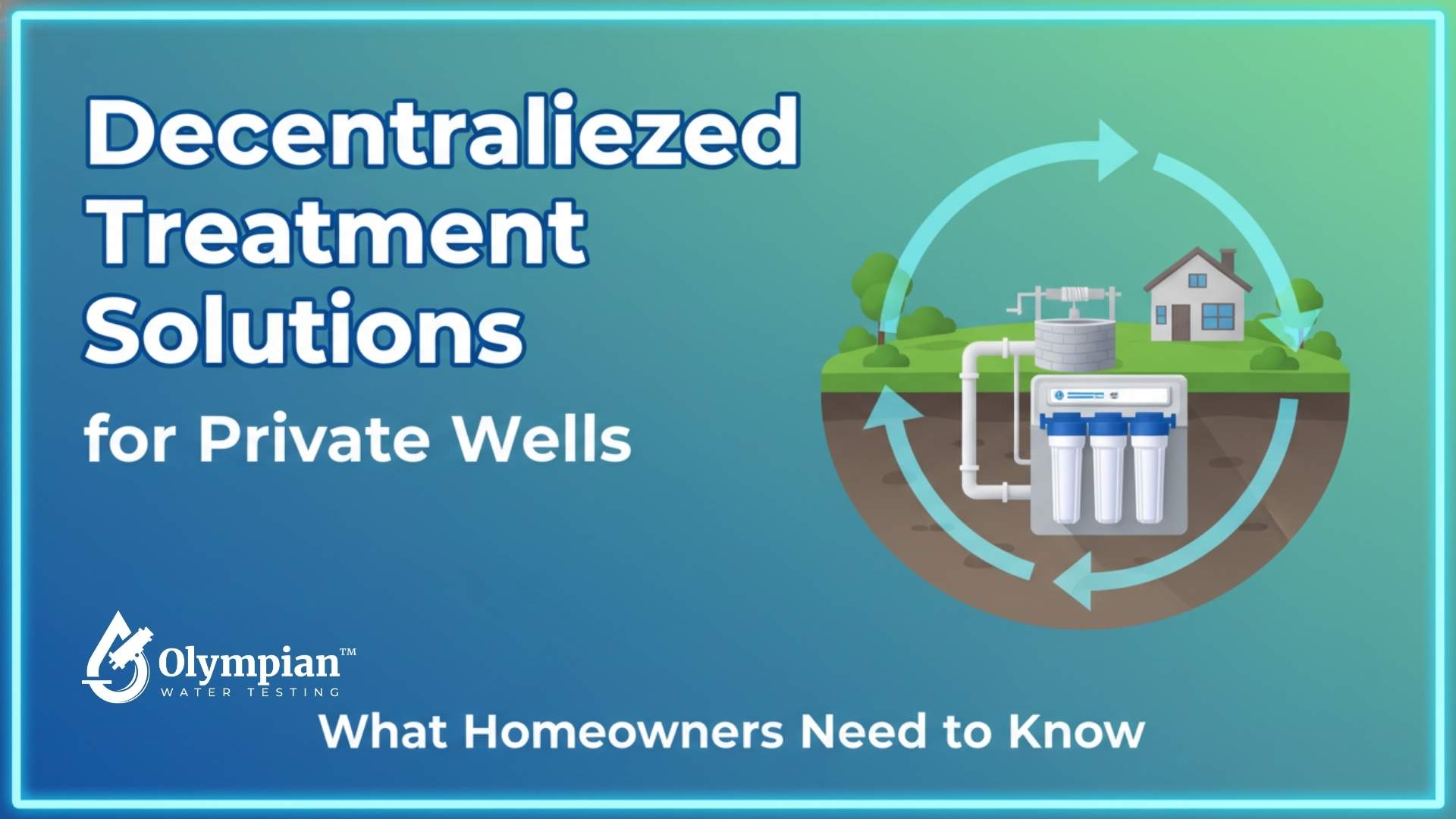
Decentralized systems offer a flexible path for households relying on wells and smaller setups. This approach grants property owners real-time control over water quality without waiting for large-scale upgrades. Attention to rural water systems has grown, as onsite water guidelines continue to shift with each new safety requirement.
Keeping Pace with Evolving Regulations
Frequent changes in permitted system designs and contaminant thresholds mean homeowners must adapt faster than ever. State agencies and the Environmental Protection Agency (EPA) tighten oversight when outdated methods risk contamination. A proactive stance helps families stay aligned with emerging treatment standards.
- Track updates through official health department notices
- Adopt recommended testing schedules
- Seek expert advice for timely system improvements
Addressing Public Health Concerns

Decentralized models help prevent pollutants from circulating through local aquifers. Attention to microbial reduction reduces serious risks and keeps communities safer. Onsite water guidelines encourage regular maintenance of septic units to avoid groundwater threats. This method champions rapid responsiveness, which benefits remote locations and strengthens overall public health efforts.
The Role of Water Quality Standards in the United States
Across the nation, water supplies depend on clear benchmarks to protect public health. Owners of private wells often turn to EPA guidelines for unified procedures. These include setting permissible contaminant limits and testing schedules. The Safe Drinking Water Act provides a nationwide framework, helping residents understand the minimum thresholds for clean water. State regulations often extend these requirements, mandating specific recordkeeping or detailed inspections.
Resources from the who sets the standards page shed light on how these policies are implemented. Owners and operators can ensure compliance by following key steps. These include arranging routine checks for bacterial and chemical impurities, collecting and maintaining accurate testing records, and confirming that updated requirements are met or exceeded.

Meeting these objectives boosts consumer confidence and preserves community well-being. It also shows a commitment to responsible water stewardship.
Identifying Common Pollutants
Rural communities depend on well water, which can be threatened by unexpected pollutants. These pollutants often come from failing septic systems or agricultural activities, leading to well contamination. Environmental experts stress the need for early detection of pathogens and harmful substances. Testing for bacteria like E. coli is key to uncovering hidden risks.
Nitrate pollution from fertilizer use is another concern. High levels can harm infants and people with specific health conditions. Pesticide runoff is also a worry, as chemicals from crops can contaminate aquifers and impact drinking water quality.
Microbial Contaminants in Rural Areas
Waterborne illness outbreaks often stem from poor waste management. Harmful microbes can enter groundwater when livestock or sewage tanks overflow. Stagnant puddles in farmyards foster bacterial growth, making regular testing critical for safe water consumption.
Chemical Residues from Agricultural Runoff
Substances applied to fields can seep into wells, posing long-term exposure risks. Fertilizers with high nitrogen levels can disrupt soil balance, a focus of Dr. Jane Hoppin’s research at North Carolina State University. Regular testing is essential for health protection, more so in areas with extensive crop production.

The Environmental Protection Agency (EPA) is studying community-based methods to mitigate risks in private wells. By taking proactive steps, residents can significantly reduce health complications.
| Potential Pollutant | Primary Source | Possible Health Effect |
| Bacteria (e.g., E. coli) | Aging septic systems | Gastrointestinal problems |
| Pesticides | Excessive field spraying | Nervous system damage |
| Nitrates | Overuse of fertilizers | Blue baby syndrome |
Why a private well Needs Targeted Treatment
Private wells face unique challenges due to land use and local geology. Experts stress the importance of regular maintenance for these systems. This is because various contaminants can threaten water quality. Targeted treatments are essential, as they consider each well’s specific conditions.
Investing in point-of-use devices and regular testing is key for families. These measures ensure water safety all year. Tailored solutions address the ever-changing environment, including weather and underground chemicals.
| Common Factor | Potential Risk | Possible Treatment |
| Microbial Presence | Bacteria and viruses | UV disinfection or specialized filters (e.g., Culligan) |
| Chemical Runoff | Pesticides or nitrates | Activated carbon or ion exchange systems |
| Heavy Metals | Lead or arsenic traces | Advanced filtration or reverse osmosis units |
Emerging Technologies for Microbial Contaminant Removal
Homeowners are keen to protect their private wells from harmful microorganisms. Researchers and industry leaders are working on new methods. These aim to provide stronger protection, use less energy, and be easier to maintain. The focus is on two main approaches that aim to block pathogens while keeping water taste and clarity intact.

UV Disinfection Advancements
New ultraviolet water treatment methods include long-lasting lamps that require little upkeep. Companies like Trojan Technologies are using advanced materials to reduce power needs. Automated cleaning systems ensure light tubes stay free from buildup, boosting efficiency in fighting bacteria and viruses.
Nano-Filtration Breakthroughs
Nano-membrane filtration systems use high-tech membranes to block microorganisms at the submicron level. Dow Water & Process Solutions has developed robust layers that filter out viruses, spores, and other pathogens. This technology is ideal for households looking for a strong defense against contamination.
| Innovation | Primary Advantage | Suggested Application |
| UV Lamp Upgrades | Reduced Fouling | High-risk Well Environments |
| Advanced Membrane Layers | Broad-Spectrum Filtration | Rural Well Systems |
Innovative Methods for Chemical Reduction
Private wells can harbor chemicals harmful to households. Each contaminant requires a specific approach. New methods focus on chemical adsorption and targeted device design. Specialized filter materials capture pollutants, addressing a variety of toxins that could harm health. It’s essential to understand which strategy aligns with the water’s profile.
Ion Exchange Techniques

Ion exchange systems remove harmful heavy metals by exchanging them with safer ions. This method tackles contaminants like nitrates and lead. Homeowners depend on local water analyses to select the most effective system.
Activated Carbon Enhancements
Modern carbon beds effectively remove organic compounds from water. Enhanced versions, like catalytic variants, further reduce pesticides and solvents. Manufacturers optimize the pore structures of these advanced filtration media. This increases contact time, ensuring the removal of hidden impurities and promoting safer water consumption.
Cost Considerations for Decentralized Solutions
High initial costs might discourage some, yet investing wisely in technology and regular maintenance can avert costly failures. Effective budget planning allows for the distribution of installation and upkeep costs, making them more accessible. This strategy promotes better long-term planning, balancing immediate expenses against future gains.
Homeowners often view a long-term investment in proper treatment as a safeguard for water quality, reducing repair needs. Initial expenses can lead to fewer issues, as regular care minimizes the risk of expensive breakdowns. Many witness a clear ROI for water treatment by avoiding contamination or equipment damage.
Some property owners allocate monthly funds for maintenance to avoid unexpected expenses. Wells requiring special care or unusual water sources highlight the importance of meticulous budget planning. Viewing these systems as a long-term investment leads to a stronger ROI for water treatment and increased peace of mind for the future.
Effective Maintenance Strategies
Well owners are critical in protecting water quality. Regular well testing is essential to identify hidden contaminants early on.
Routine Testing and Inspection Schedules

Following U.S. Environmental Protection Agency guidelines, consistent inspections focus on the well casing, pump performance, and system health. These checks help spot leaks or compromised seals, ensuring steady water flow and preventing contamination. Some owners schedule these inspections alongside septic pump-outs for efficient maintenance.
Signs of System Wear and Tear
Regular observations can reveal subtle changes in pressure or sediment buildup. Adhering to maintenance best practices involves frequent checks of mechanical parts. This ensures timely repairs and prevents malfunctions from escalating. A decrease in water output often indicates a need for more in-depth investigation.
| Activity | Frequency | Notes |
| Check pump function | Twice a year | Ensures stable pressure |
| Inspect casing seals | Annual | Prevents seepage |
| Water quality sampling | Every six months | Monitors bacterial levels |
Regulatory Compliance and Inspections
Homeowners often follow guidelines for well construction and contamination control. Local health codes add an extra layer of oversight, ensuring water safety. Keeping documentation up-to-date is essential when selling or upgrading a property. It verifies system performance and confirms all requirements are met.
In some areas, state inspections are mandatory to confirm pump function and record accuracy. A licensed professional examines historical data, looks for damage signs, and tests key metrics. They might suggest repairs or improvements to avoid penalties. This also builds trust with buyers who want proof of responsible maintenance.
| Inspection Step | Purpose |
| Equipment Verification | Confirms pumping capacity and general well integrity |
| Document Review | Ensures previous testing meets local health codes |
| System Assessment | Identifies possible upgrades for ongoing safety |
Working with trained inspectors ensures a smooth real estate transaction and protects against future liabilities. Regular inspections boost homeowner confidence and safeguard long-term water quality.
Signs Your Water System Needs Upgrading
Homeowners might notice odd smells or changes in water pressure. These signs often hint at underlying issues leading to system deterioration. Neglecting wells or pumps can lead to unexpected costs when major problems arise.
Indicator: Persistent Odor or Taste Issues
A metallic taste or stale smell could mean deeper contamination. Regularly detecting odors might point to worn-out membranes or old filters. Addressing these issues promptly can extend your system’s life and protect your water quality.
Indicator: Rising Operational Costs
Pumps working hard to maintain flow can increase electricity bills. High energy use is a sign of inefficiency. Upgrading can prevent costly damage and reduce future financial burdens.
Common Warning Signs and Their Consequences
| Warning Sign | Likely Problem | Potential Outcome |
| Strange Odors | Filter Malfunction | Unpleasant Taste, More Repairs |
| Spiking Bills | Pump Strain | Budget Concerns, System Stress |
Expert vs. DIY Installation Concerns
Installing new treatment devices can significantly improve water quality at home. Some individuals opt for DIY to save money, but they often overlook the risks. In many states, following strict regulations is critical, and any mistake can lead to legal issues.
Hiring a professional well contractor ensures accurate placement and setup. Certified technicians adhere to guidelines to protect families from contaminants and system failures. Their extensive training allows them to handle complex issues that an untrained person might miss.
They also prevent unnecessary complications that could result in expensive repairs. Errors, such as poor sealing or incorrect plumbing, might cause leaks or introduce harmful substances into the water. Consulting a professional, like how to maintain a private well, provides valuable advice on keeping systems safe.
“Opting for certified technicians can mean fewer headaches and lower expenses in the long run.”
Those who value health and efficiency find that investing in professional help is worth it. Trying to handle complex tasks alone can jeopardize water safety. On the other hand, expert support tends to safeguard households from future problems.
Common Myths About Private Well Water
Homeowners often believe that well depth alone guarantees pure water, ignoring the possibility of pollution through porous layers. This belief contributes to misconceptions about water safety, putting families at risk. Regular testing and a proactive approach are essential to safeguard against unseen dangers.
Misconceptions About Natural Filtration
Some people trust the underground filtration myth, thinking rocks and soil act as perfect filters. Yet, fertilizers and industrial runoff can penetrate deep wells, contaminating seemingly clear water. Testing is key to uncovering when additional filtration steps are necessary for safe drinking.
Myths Regarding Water Treatment Complexity
Many fear that water treatment systems are too complex, requiring advanced knowledge. Modern technology has bridged this gap, making systems both user-friendly and effective. Evaluating these options often reveals scalable solutions that fit busy lifestyles, ensuring ongoing protection for private wells.
Best Practices for Seasonal Properties
Seasonal inspections are key to keeping water systems reliable on properties that sit vacant for months. Owners can safeguard health and sidestep costly repairs by scheduling regular check-ups.
Winterization Warnings
Freezing pipes are a major concern in colder climates. Draining lines before departure and insulating exposed sections can lower the risk of pipe bursts. The EPA advises verifying system readiness through professional inspections to avert mid-winter failures.
“Regular maintenance beats unexpected repair bills every time,” says a public health official from the CDC.
Planning for Summer Demand
Peak usage puts extra strain on a vacation home’s water supply. Regular testing confirms quality and spots early issues before heavy use. Clean filters, well-maintained pumps, and prompt repairs ensure a smoother experience when warmer weather comes. Many local departments offer resources for seasonal owners seeking peace of mind.
Property managers recommend checking faucets and tanks at least twice a year to prevent unexpected leaks. This simple step reduces the risk of system contamination or water waste.
Sustainable Strategies for Long-Term Water Security
In areas without extensive municipal water systems, communities turn to resilience-building strategies. Aquifer protection is achieved through careful land-use planning and low-impact development. This method limits pollutants from agricultural activities and paved surfaces. It ensures the long-term safety of drinking water.

Ecological stewardship highlights the importance of clean water and conservation. By reducing the use of harsh chemicals and preserving wetlands, we support diverse ecosystems. Collecting data on local streams boosts confidence in the stability of our natural resources.
Rainwater harvesting (if allowed) offers additional water sources for yards or as a backup supply. This practice conserves groundwater and reduces the strain on municipal water systems. Some homeowners also install permeable driveways to enhance soil absorption and decrease runoff.
- Choose native plants that need minimal irrigation
- Check public grants for eco-focused upgrades
| Action | Long-Term Benefit |
| Land Zoning for Recharge | Improved aquifer protection |
| Smart Chemical Use | Enhanced ecological stewardship |
| Storage of Rainwater | Reduced strain on conventional supplies |
Community Resources and Support
Private well owners can tap into community resources for safer water. Organizations like the Rural Community Assistance Partnership (RCAP) host workshops. These teach maintenance and practical solutions. Homeowners informed through public health programs can prevent water issues and protect their families. Their hands-on approach makes well care easier.
Local Health Department Assistance
Local agencies offer tests, treatment advice, and educational materials. They conduct site visits and provide pointers for regular checkups. Their focus on prevention boosts community well-being. Partnering with these departments enhances water safety in neighborhoods. Residents often rely on local outreach to stay informed.
Available Grants and Funding
Securing government assistance helps upgrade or install advanced systems. Nonprofit groups and county offices share funding opportunities for financial relief. These aid packages often cover significant costs, ensuring safe water for all. Such resources encourage proactive management and long-term success.
Moving Forward with Safe Water at Home
Property owners who adopt a long-term maintenance plan enjoy consistent peace of mind. Regular checks and upgrades fill protection gaps, boosting water safety. Experts recommend staying updated on new technologies and engaging with local health departments. This proactive approach extends equipment life and ensures access to clean, reliable water.
Getting involved in local efforts enhances home resilience. Participating in community discussions fosters innovation and cooperation. These actions affirm that every household deserves quality water, promoting health and environmental stewardship. Grants and funding paths connect families to resources for well maintenance. A commitment to growth and collaboration secures a resilient future for all.
Continuous education raises awareness about contaminants and effective protection methods. Sharing knowledge with neighbors fosters a collective effort for safe water resources. This spirit of collaboration paves the way for a better tomorrow for every community.