Overview of the Statewide Policy Announcement
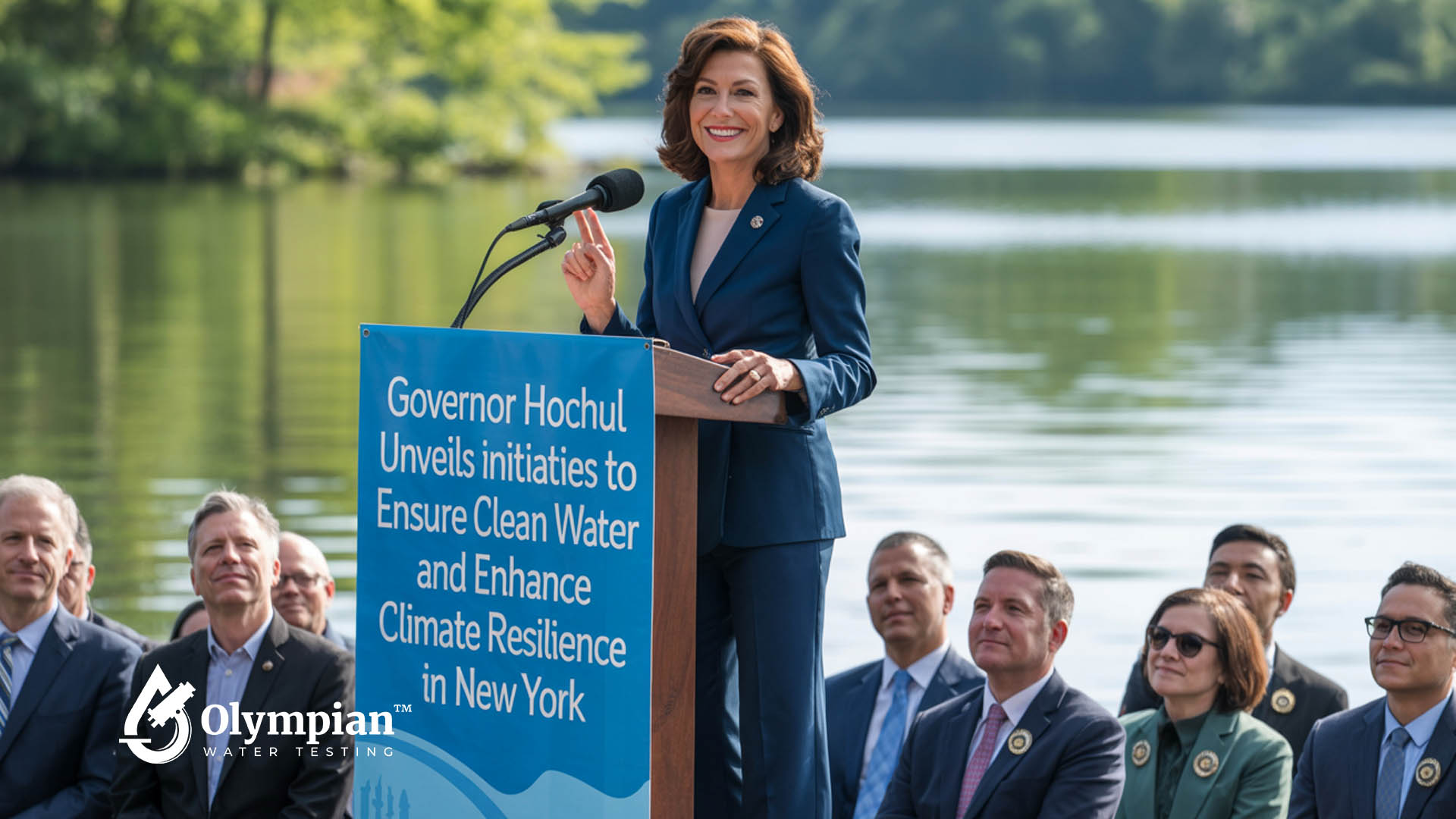
Leaders in Albany unveiled a strategic plan to boost resilience across New York. In the 2025 State of the State address, Governor Kathy Hochul outlined new investments. These aim to enhance drinking water quality, lower contamination risks, and update local infrastructure.
The initiative includes more support for local authorities and leverages the Environmental Bond Act for sustainable upgrades. This move is seen as a cornerstone for advancing environmental goals.
Experts emphasize the critical need for thorough preparation in addressing water issues. They highlight ongoing efforts to secure funding for water projects. These efforts benefit both small towns and large cities.
The Environmental Bond Act encourages collaboration among engineers, municipal boards, and conservation experts. Together, they seek to strengthen aging water systems. This collaboration is essential for identifying effective solutions.
The policy aims to streamline the process by linking resources from various agencies. This ensures proposals can progress without undue delays. Grants and low-interest loans foster regional cooperation for water enhancements.
The goal is to protect families, preserve aquatic habitats, and ensure clean, reliable water for communities. A unified strategy is vital in defending against flooding, contamination, and climate change impacts. By focusing on high-priority upgrades, state leaders envision healthier neighborhoods and a more resilient future.

Key Environmental Challenges Affecting New York
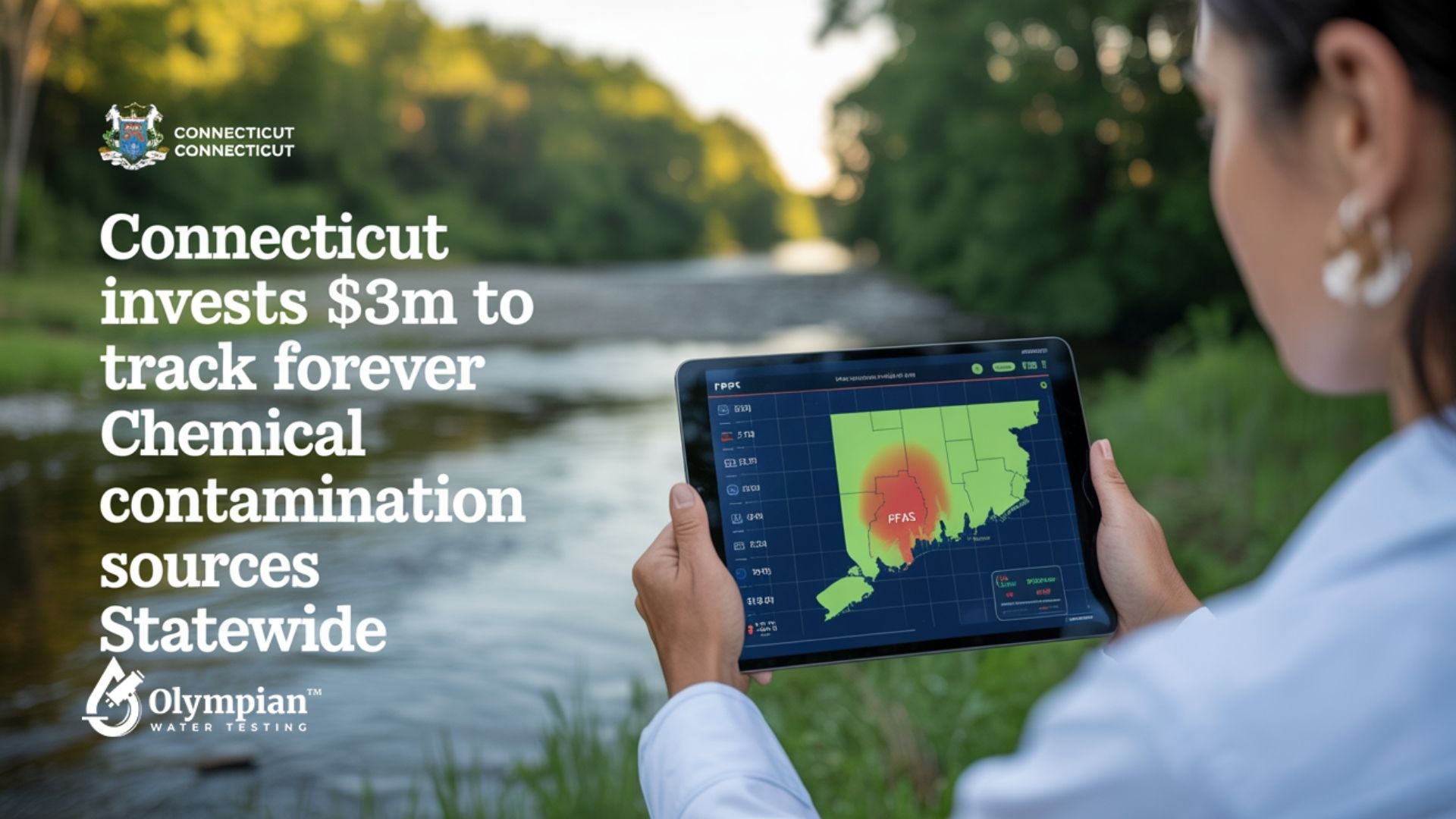
Governor Hochul’s recent statements highlight pressing water hazards across the state. Many regions grapple with legacy pollution, with contaminants like PFAS requiring immediate action. The lack of effective stormwater management exacerbates these issues, posing risks to health and property during heavy rains.
Threats to Water Quality
Chemical pollutants are just the tip of the iceberg. Untreated runoff from industrial sites or farmland can contaminate rivers and lakes. State leaders aim to address this with sustainable water treatment to curb harmful discharges. They focus on protecting urban and rural water systems through enhanced safety measures and vigilant oversight.
Impact of Aging Infrastructure
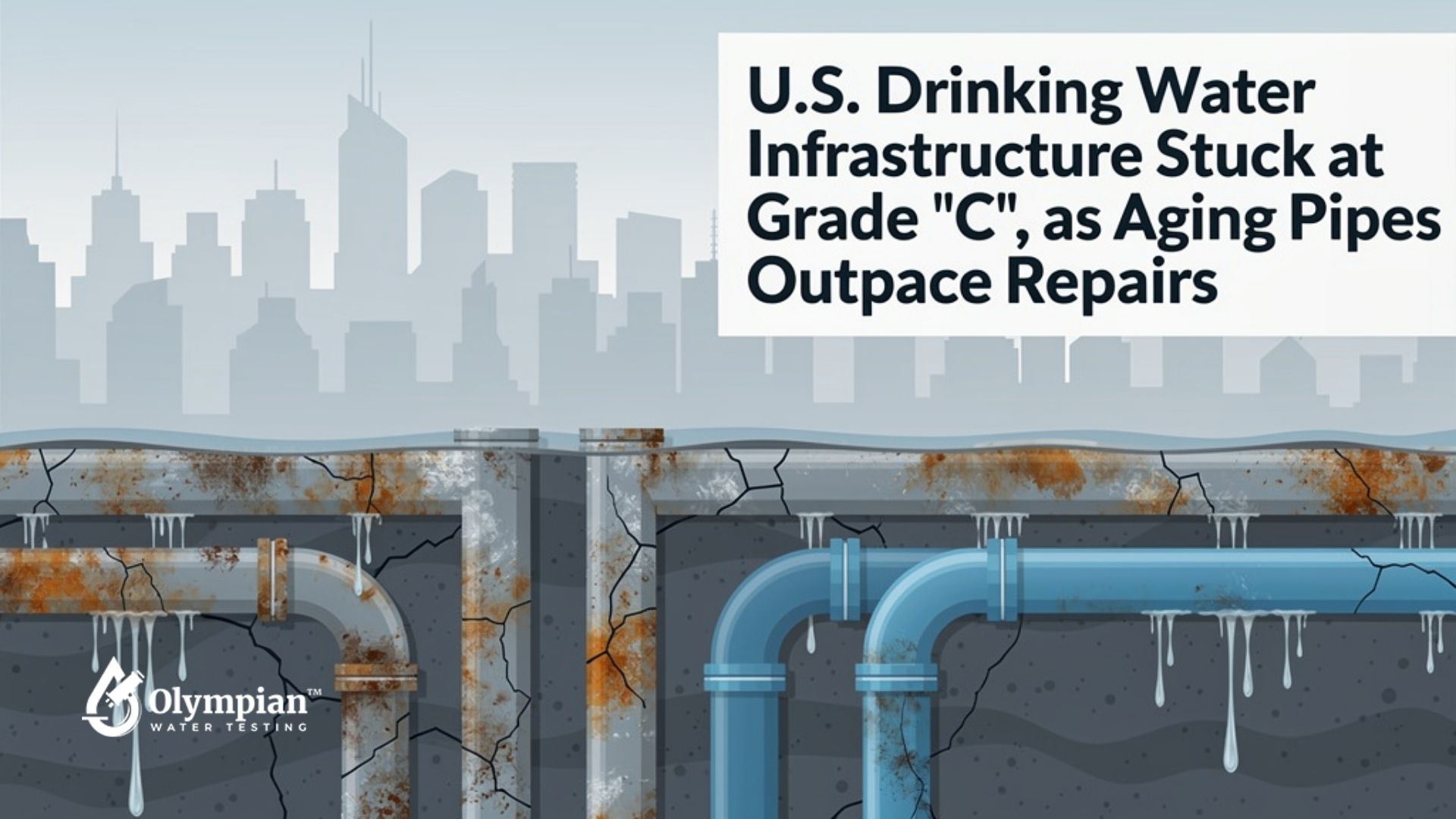
Decaying water networks plague many communities. Corroded pipes and outdated flood controls strain local finances. New York is launching initiatives to repair these systems, strengthening them against severe weather. The goal is to safeguard neighborhoods, minimize contamination, and ensure reliable water access for all.
How to Ensure Clean Water in Urban and Rural Communities

Urban and rural areas face distinct water challenges, requiring specific solutions. The Governor’s plan targets densely populated regions, aiming to replace lead service lines. This move helps mitigate contamination risks. In smaller towns, efforts focus on well remediation to ensure safe drinking water at its source.
Protecting infrastructure operations is also a priority. This includes cybersecurity grants to safeguard vital networks against digital threats. Modernizing local systems often involves green infrastructure solutions like porous pavements and strategic flood defenses. These measures address stormwater management and enhance public health.
Funding and technical guidance are key to bridging the gap between large cities and remote communities. They enable the Ensure Clean Water initiative to reach everyone, regardless of location.
Measure | Purpose |
Replace lead service lines | Reduce risks tied to contaminated pipes |
Well-remediation support | Sustain clean drinking water in underserved areas |
Cybersecurity grants | Protect digital control systems from cyber intrusions |
Introduce green infrastructure solutions | Enhance flood resilience and promote healthier habitats |
The Role of Climate Resilience in Water Management

New York is intensifying its efforts in water management, recognizing the need for proactive planning due to changing weather patterns. The Governor’s "Rapid Response Home Repair Program" and "Resilient Retrofits Program" offer immediate support. They also lay the groundwork for adapting to the impacts of rising sea levels and intense storms.
Statewide initiatives combine established flood mitigation strategies with innovative methods to enhance coastal resilience. These efforts focus on protecting public health, safeguarding infrastructure, and promoting sustainable development. The aim is to ensure a resilient future.
Coastal Vulnerabilities and Storm Protection
Communities near the ocean face significant challenges, including increased storm surge risk and rising sea levels. Nature-based solutions, such as living shorelines, protect critical waterfronts while preserving ecological balance. These methods reduce damage from hurricanes and conserve habitats.
Green Infrastructure for Flood Mitigation
Urban planners employ rain gardens, wetland revitalization, and permeable pavements to manage excess runoff. These strategies decrease peak flows and minimize flood damage. They merge environmental conservation with practical defense, fostering cooperation between residents and city agencies.
Funding and Resources for Local Municipalities

Local governments have tailored options for support. They can obtain funding for water projects to address both immediate and long-term needs. The Consolidated Funding Application (CFA) portal streamlines access to these resources. It finances upgrades to water infrastructure, cybersecurity, and nature-based resiliency strategies.
Many communities concentrate on urban and rural water systems needing long-term solutions. The Coalition for Sustainable Infrastructure assists officials in finding grants, loans, and other programs. State agencies simplify paperwork, allowing small towns and counties to proceed with repairs without financial strain.
Local leaders explore funding sources to find financial tools. These investments protect water quality and build resilience against future challenges. Officials can blend public and private funds, ensuring New York’s every corner receives robust protections.
“Community-driven strategies are vital to safeguard drinking water and public health,” says the Coalition for Sustainable Infrastructure.
State funding addresses immediate needs while promoting water management skills growth. Municipalities become more adept at upgrading outdated infrastructure and handling emergencies. This strategy enhances overall effectiveness by strengthening state-community bonds.
Public-Private Partnerships Driving Innovation
Regional authorities and private-sector leaders unite to enhance safe water access and resilience. This collaboration leads to breakthroughs that support New York’s climate initiatives. It promotes job creation and sustainable infrastructure development. This synergy brings forth bold ideas, transforming local services while safeguarding the environment.
Collaboration with Technology Providers
Global companies like IBM and Veolia bring data analytics and cybersecurity to refine water monitoring. Their involvement supports the development of advanced water technologies. These technologies enable early detection of contaminants and address infrastructure shortcomings. Ongoing research continues to expand the range of solutions for quick responses.
Investment Opportunities in Water Treatment
Financial support opens up new avenues for membrane filtration and other efficient techniques. Partnerships with corporate sponsors aim to improve distribution networks and watersheds‘ health. Recent funding initiatives encourage pilot projects that demonstrate innovation and tangible results.
Community Engagement and Transparency

Local voices guide each step to ensure fairness in outcomes. Open forums and real-time updates foster public trust and a sense of shared responsibility. Transparent decision-making secures lasting support for future projects aligned with New York’s climate initiatives.
Focus Area | Main Partners | Expected Impact |
AI-Driven Monitoring | IBM, Xylem Inc. | Faster detection of contaminants |
Filtration R&D | Veolia, 3M | Improved advanced water technologies |
Community Engagement | Local Councils | Greater public trust in water systems |
Legislative Milestones Supporting Environmental Goals
State leaders are continually updating the legal framework to enhance water safety and pollution control. A significant step is modernizing the State Superfund Program. This ensures fair cleanup efforts in disadvantaged communities. The goal is to tackle contamination from old industrial sites and new pollutants that harm public health.
This effort aligns with New York’s climate initiatives, focusing on sustainable natural resource management. The laws aim to lay a solid foundation for clean water in vulnerable areas. Encouraging public input fosters transparency and builds trust in lasting solutions for local communities.
The following table highlights selected legislative actions and their impact:
Action | Goal | Outcome |
Superfund Reauthorization | Streamline Cleanup | Expedites site restoration |
Expanded Resource Allocation | Protect Underserved Areas | Promotes equity in environmental support |
Advanced Water Conservation Technologies
Governor Kathy Hochul’s modernization agenda showcases innovative methods to enhance water efficiency. New systems employ real-time controls and data analytics for precise water management. This collaboration between academia, industry leaders, and public authorities elevates efficiency standards in both urban and rural settings.
Emerging Filtration Methods

Advanced membranes are now capable of capturing contaminants such as microplastics and PFAS while retaining essential minerals. DuPont and Siemens are at the forefront, refining filtration media to remove toxins more effectively. These advancements mark a significant step forward in advanced water technologies, ensuring safer water supplies for homes and businesses.
Smart Agriculture and Irrigation
Data analytics and sensor-based systems are revolutionizing field irrigation, reducing runoff and conserving water. Farms are using satellite forecasting and soil moisture tracking to optimize crop health without overusing water. This collaboration between farmers and global innovators is refining methods to increase yields while supporting sustainable water treatment goals. Such efforts minimize resource waste and promote cleaner ecosystems across New York.
Tracking Success: Measuring Sustainability Indicators
Assessing environmental program effectiveness is key to safeguarding water resources. Regular assessments gauge the quality of water entering communities and the success in meeting conservation goals. This method fosters clear objectives and transparent outcomes, benefiting all stakeholders.
Continuous evaluations are a priority. Public webinars provide updates on the effectiveness of green infrastructure solutions in reducing runoff in sensitive areas. Data from these strategies also highlights their role in protecting homes near vulnerable waterways. This feedback loop enhances public awareness and guides future enhancements across the state.
Community Feedback and Reporting

Community members stay updated through open data platforms that track progress in real time. Leaders share updates on water usage, quality metrics, and project outcomes. These systems merge local perspectives with scientific data, enabling everyone to grasp the effects of new initiatives.
- Online dashboards highlight reductions in runoff and pollution
- Neighborhood forums reveal local success stories and challenges
- Public webinars offer a closer look at ongoing evaluations
Statewide Education and Public Awareness Campaigns
New York’s 2025 Executive Budget focuses on outreach and training for local leaders. It aims to equip them with modern technologies and meet essential compliance goals. Community groups support these efforts by promoting transparent water-saving methods. This helps more residents adopt practical ways to protect local resources.
These initiatives aim to Ensure Clean Water for every household. They also encourage timely solutions when contamination threats arise. Workshops and hands-on demonstrations teach efficient practices to prevent avoidable runoff and overuse.
People learn to spot early warning signs and request rapid assistance. This aids in overall protection measures. Volunteer networks guide curious residents through fundamental tests and offer tips on avoiding harmful activities.
- Targeted public service announcements with clear messaging
- Training events for elected officials and neighborhood groups
- Enhanced tools for tracking infrastructure performance
Such broad campaigns connect state-led goals with the environmental bond act. They ensure every investment supports a thriving, shared future.
Bolstering Climate Resilience Through Strategic Planning

State agencies unite to shield communities from extreme weather. The Department of Environmental Conservation, Department of State, and Environmental Facilities Corporation collaborate. They focus on nature-based flood prevention under the Environmental Bond Act. These efforts protect neighborhoods and ecosystems, ensuring resources for future generations.
Strategies combine technical innovations with natural barriers for flood mitigation. Local governments receive financial and logistical backing. This leads to infrastructure enhancements that withstand climate changes.
Interagency Coordination for Rapid Response
Coordinated alerts and quick decision-making lower risks during storms. Teams share data and tools, speeding up protective actions. This shields lives and critical systems, ensuring a seamless response during peak danger.
Infrastructure Upgrades in Flood-Prone Areas
Sea walls, new drainage channels, and secured utilities fortify properties against rising waters. Project planners focus on resilient materials for longer-lasting infrastructure. These upgrades boost public safety and stability for local businesses.
Agency | Core Role | Key Initiative |
Department of Environmental Conservation | Oversees environmental policies | Nature-based flood defenses |
Department of State | Coordinates local regulations | Coastal resilience programs |
Environmental Facilities Corporation | Allocates project funding | Infrastructure grants |
The Path Forward for a Stronger, Sustainable New York
Governor Kathy Hochul envisions a future where nature-based solutions expand across the state. This vision aligns with New York’s climate goals, aiming for a zero-emissions economy by 2050. Each step shows a commitment to modernize and protect local families.
Strategic plans focus on water security, green infrastructure, and community resilience. These plans build on funding for water projects, improving storm readiness and boosting economic growth. They also protect public health. Wetlands restoration and urban green spaces play a key role in reducing carbon emissions.
Agencies, private firms, and civic leaders will lead this multi-faceted approach. Each partner is essential in helping communities adapt to climate changes. This shared vision drives progress across the state, setting a blueprint for sustainable transformations.