Understanding PFOS and PFOA in Drinking Water
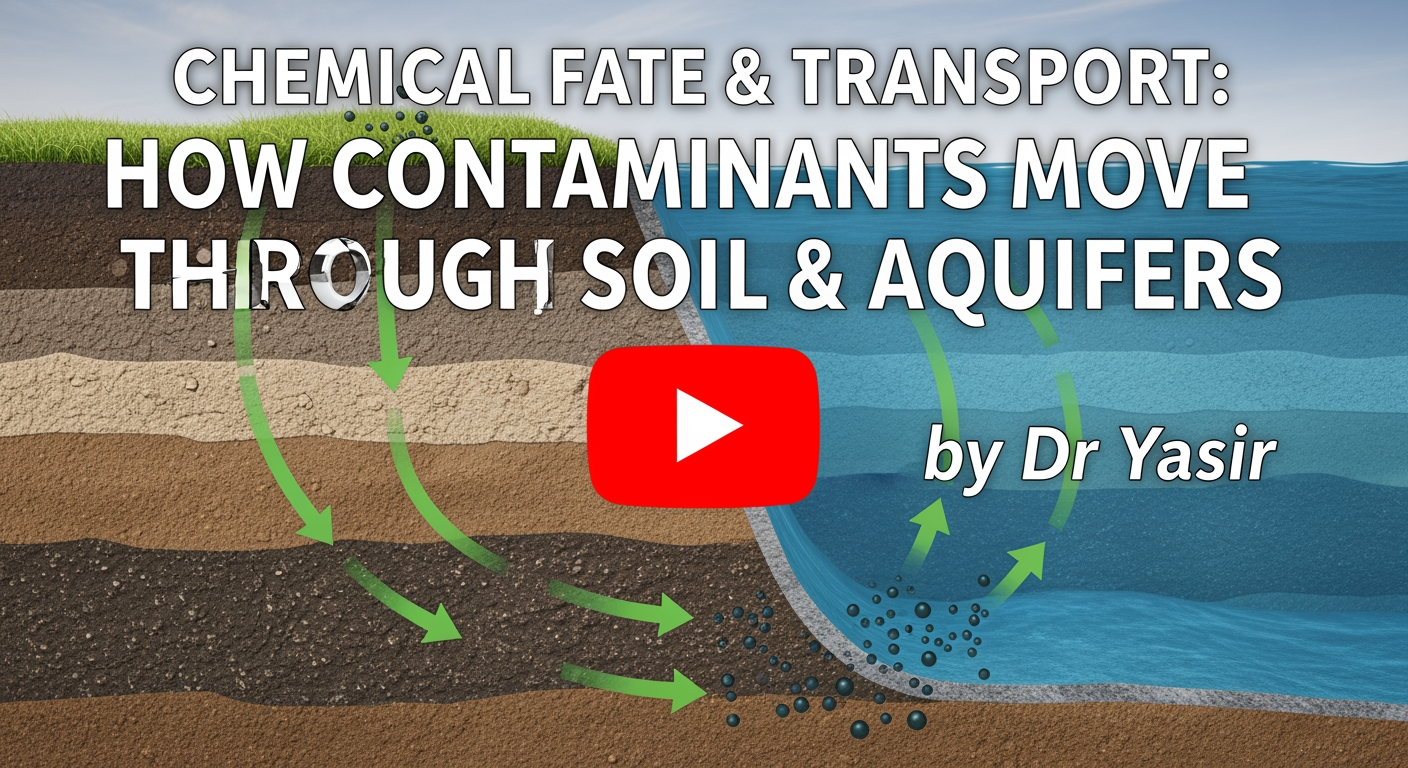
PFOS and PFOA are synthetic chemicals renowned for their water and stain resistance. They were widely used in products such as nonstick cookware and firefighting foam. These substances have infiltrated aquifers over decades of industrial activities, sparking concerns about their risks.
Scientists categorize PFOS and PFOA as forever chemicals due to their resistance to natural degradation. Research indicates these compounds persist in groundwater, highlighting the need for enhanced EPA guidelines. Residents are seeking clarity on contamination pathways and measures to safeguard local water systems.
An informative guide on PFOS and PFOA sheds light on why these chemicals linger in water sources for years. Studies suggest they may accumulate in living organisms, prompting further investigations.
- Widespread industrial usage
- Improper disposal practices
- Municipal water supply impact
| Property | PFOS | PFOA |
| Longevity in Environment | High | High |
| Common Uses | Firefighting Foam | Cookware Coatings |
| Regulatory Oversight | Increased | Growing |
Impact of New EPA Limits
Public health agencies have set new goals to reduce contamination levels. Researchers warn that even small amounts of PFAS in drinking water can be harmful. The new limits change how these substances are monitored and managed.
Significance of Lower Thresholds
Experts believe stricter guidelines can lower risks from these forever chemicals. Studies show even minimal exposure can build up in the body. This shift emphasizes the need to protect vulnerable populations.
Implications for Municipal Water Suppliers
Operators of water facilities must invest in better filtration systems or new treatment technology. Smaller towns may find it hard to fund these upgrades, leading to discussions with state agencies and advocacy groups. Implementing these changes requires time and specialized knowledge.
Timeline for Compliance
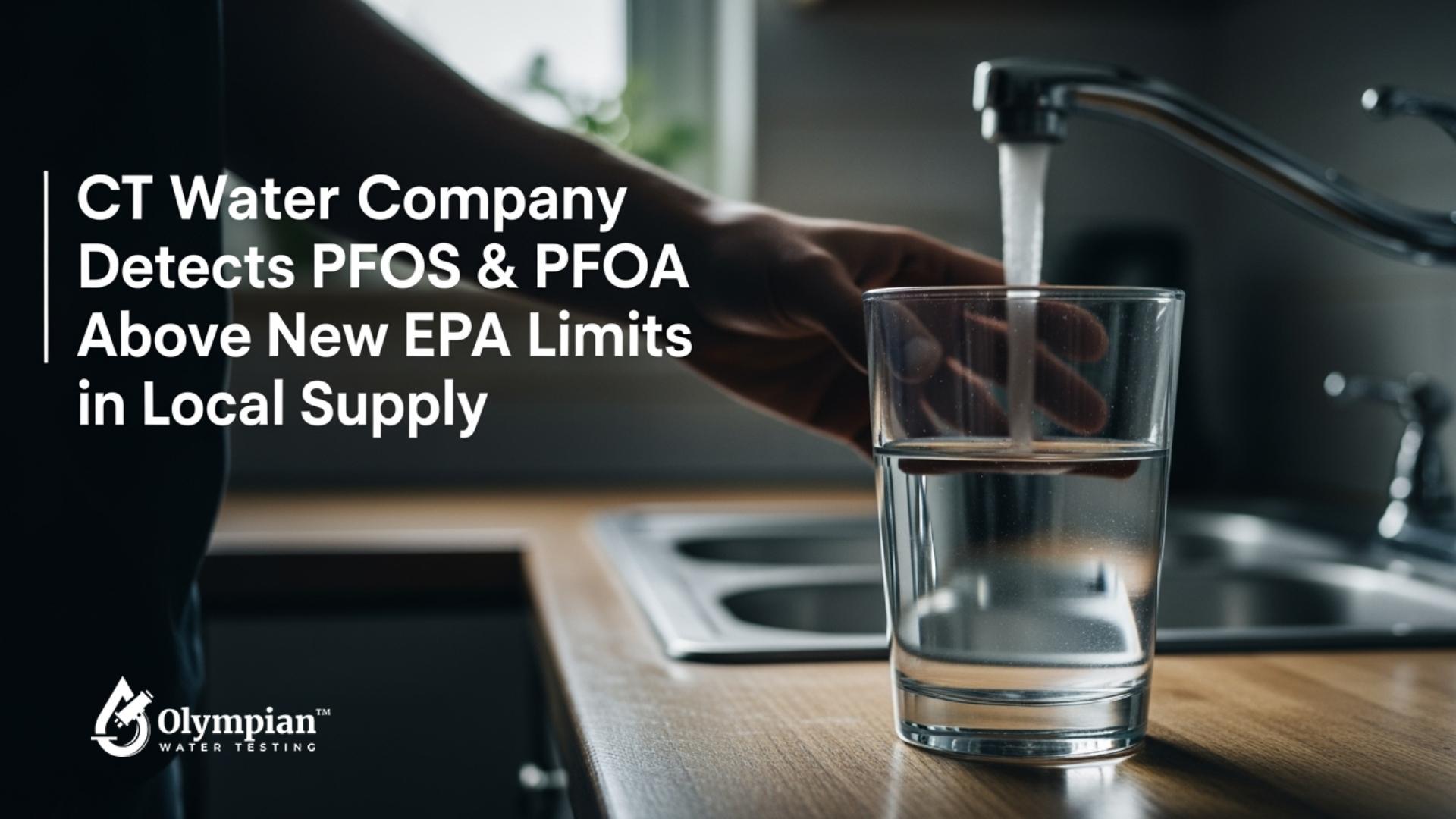
The Biden administration initially set 2029 as the deadline for a 4 parts per trillion standard for PFOA and PFOS. Recent updates suggest a possible extension to 2031, giving suppliers more time. Legal debates and policy reviews could affect the final deadline.
| Limit (ppt) | Original Compliance Year | Potential Revised Year |
| 4 | 2029 | 2031 |
Health Concerns Linked to PFOS and PFOA
Scientists share concerns about PFOS and PFOA in our drinking water. The urgency around water supply safety grows for those wanting to avoid these contaminants. Public health groups warn that exposure can cause significant physiological changes.
"Studies from the Environmental Working Group reveal that even low contact may create lasting effects," stated an independent researcher.
Potential Reproductive Effects

Research suggests possible risks during fertility and pregnancy. Hormone disruptions in expectant mothers are a concern. Early childhood development may also be impacted, prompting families to be vigilant about testing results.
Links to Thyroid Disorders
Medical experts link PFOS and PFOA to thyroid function issues. Hormone regulation is vital for overall health, and imbalances can occur with these forever chemicals in the body. This has led to new regulations aimed at protecting communities from long-term harm.
How Contamination Occurred
PFOS and PFOA contamination in local water sources came from various pathways. These "forever chemicals" resist natural breakdown due to their strong bonds. Industrial activities have significantly contributed by dumping waste into the soil, which then moves through groundwater.
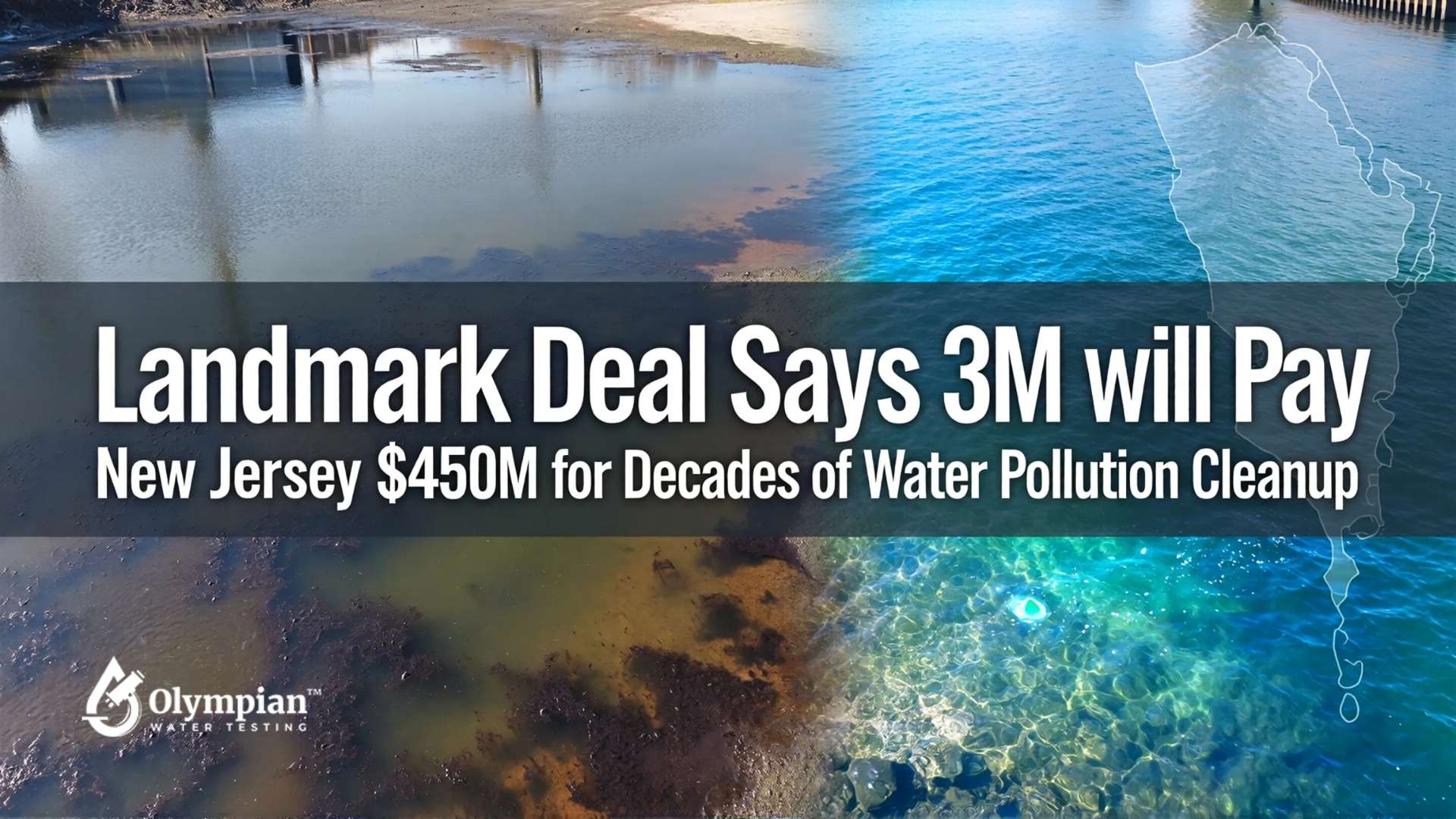
Firefighting foam used at places like Bradley International Airport has also played a part. Decades of drills and spills have increased contamination levels. Manufacturers, such as 3M, introduced these compounds in products, leading to disposal issues.
- Firefighting foam application at airports
- Improper handling of industrial waste
- Manufacturing processes linked to PFAS release
Each source has spilled chemicals, gradually building up over time. This silent invasion has become a growing concern as testing shows their widespread presence.
Forever Chemicals in the Spotlight
Scientists have been studying PFAS, a group of toxic substances, for years. They are concerned about their lasting presence in water systems. The term forever chemicals became more common as worries grew. This is because these compounds persist in soil, water, and living organisms.
Origin of the Term
The term started in environmental circles. Media reports highlighted chemicals that evade most filtration methods. Researchers found per- and polyfluoroalkyl substances in everyday products. This led to the notion that these compounds are nearly impossible to remove.
Why They Resist Degradation
PFAS do not break down naturally, staying in the environment for generations. This calls for stricter regulations. Their carbon-fluorine bonds are stable in extreme conditions, preventing natural breakdown. This stability explains why these substances keep showing up in water samples globally.
Monitoring Local Supplies
Local water utilities employ detailed procedures to track forever chemicals in reservoirs and treatment facilities. Teams collect samples at various points in the distribution network, aiming for early detection. Compliance with evolving EPA guidelines ensures quick identification of contamination.
Testing Protocols
Technicians employ high-sensitivity methods to detect PFOS and PFOA in minute concentrations. Laboratories analyze these samples with specialized equipment. Reports detail any spikes, creating a safety net for residents.
Frequency of Reports
Water providers submit results to state and federal watchdogs several times a year. Filings increase when contamination risks rise due to seasonal changes. Data is reviewed to confirm compliance with strict safety directives.
Collaboration with Environmental Agencies
Municipal suppliers and regulatory bodies share resources and findings. Coordination with health departments guides the adoption of new sampling measures. This teamwork streamlines decisions on public advisories and possible system upgrades.
| Monitoring Step | Purpose | Schedule |
| Sampling | Identify PFAS levels | Quarterly Reviews |
| Data Filing | Meet EPA guidelines | Periodic Submissions |
| Team Workshops | Enhance Testing Methods | Annual Sessions |
Community Response to Elevated Levels

Recent reports have sparked widespread concern among residents. Those living near contaminated water sources demand clear information on PFAS levels. They seek regular updates and testing schedules from local authorities. The trust in water services is shaken by these revelations.
There’s a growing call for open discussions and swift solutions. Community forums are filled with voices seeking answers and legal recourse. Some advocate for class-action lawsuits to expedite action. Others push for immediate measures like bottled water distribution and home filtration systems.
Local leaders are under pressure to provide more data and engage directly with the community. They emphasize the need for transparent communication to alleviate anxiety. This unity fosters a collective effort to safeguard clean water for everyone.
State Regulations Versus Federal Guidelines
States are now setting their own rules for PFOS and PFOA. Some are using local studies to guide their regulations. Others are pushing for stronger measures to safeguard public health.
Stricter Standards in Certain States
New Jersey has set stricter PFAS limits, aiming to reduce the presence of forever chemicals in water. This move prioritizes community health and encourages more research on harmful substances. Other areas are following suit to tackle growing health concerns.
How Federal Rules Influence Policy
The Environmental Protection Agency sets national goals. States often align with these but also make adjustments based on new data. Water utilities might face challenges if local standards exceed federal ones. Balancing both can strain infrastructure and budgets.
PFAS Guidance Levels by State (ppt)
Visual comparison of PFOS limits (normalized to 16 ppt max) plus a detailed table with PFOA limits and noteworthy actions.
PFOS Limit (visual)
New Jersey
13 ppt
Michigan
16 ppt
California
6.5 ppt
PFAS Levels Summary
| State | PFOS Limit | PFOA Limit | Noteworthy Action |
|---|---|---|---|
| New Jersey | 13 | 14 | Adopting more stringent rules |
| Michigan | 16 | 8 | Expanded testing requirements |
| California | 6.5 | 5.1 | Reviewing new research |
Potential Treatment Methods
Ensuring water supply safety is critical in areas with PFAS contamination. These substances, known as forever chemicals, persist due to their non-degradable nature. To combat this, specialized treatments are being developed to decrease their levels in drinking water.
Activated Carbon Filtration
Activated carbon is a favored initial step in removal. It effectively captures a broad spectrum of contaminants through adsorption. Regular replacement of the media is necessary to ensure ongoing effectiveness.
Reverse Osmosis Solutions

Reverse osmosis pushes water through a semi-permeable membrane, blocking smaller particles. It is viewed as a vital tool for safeguarding water supplies. Studies indicate it outperforms traditional methods in removing PFAS, reducing community exposure to harmful chemicals.
Upcoming Technologies
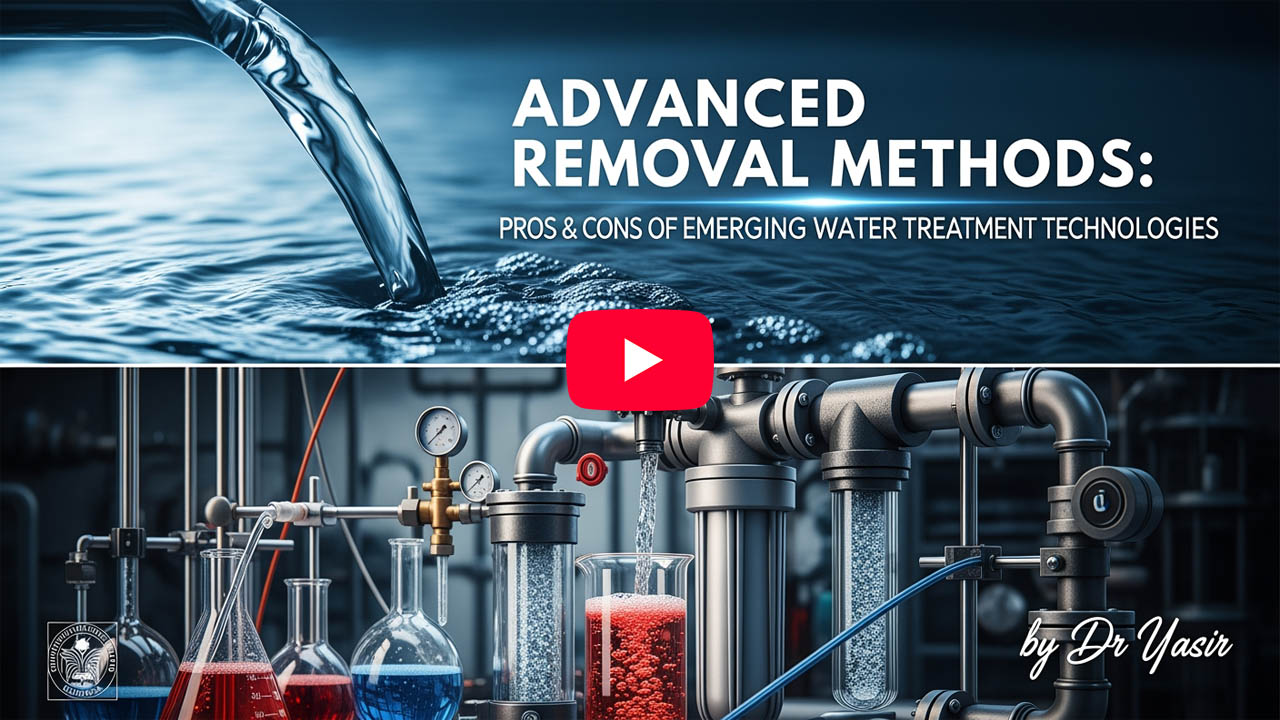
Researchers are investigating advanced technologies, such as specialized ion-exchange resins and advanced oxidation processes. These innovations aim to target forever chemicals more effectively. Each technology has its operational requirements, prompting water planners to consider local budgets and site conditions before implementation.
Cost Implications for Water Companies
Utilities are facing increased costs as they implement new systems to tackle forever chemicals. This includes investments in specialized filtration and additional monitoring to meet EPA guidelines. These expenses are substantial, leading to concerns about budget constraints.
There’s a possibility that ratepayers could see higher water bills to cover these costs. Some utilities have even considered legal action against federal agencies over stricter PFAS standards. This reflects broader debates on fair funding and who should bear the long-term costs of these substances.
Local authorities might look into support programs or grants to ease the financial burden on smaller municipalities. Another strategy is forming partnerships or settlements with chemical manufacturers. Each option requires careful planning to manage the costs of addressing forever chemicals while adhering to EPA guidelines. Companies aim to balance public safety with financial prudence.
Resident Voices and Concerns

Community members are voicing their strong reactions to the presence of persistent contaminants. Many are concerned about the immediate and long-term health impacts of PFAS in drinking water. They worry about its effects on family health and daily life. There is a sense of urgency, with households containing children or seniors feeling the most at risk.
Growing Calls for Transparency
Residents are demanding clear explanations on testing methods, updates, and ways to reduce exposure to these forever chemicals. Social media groups are filled with parents seeking straightforward details on protective measures. Activists stress the importance of open dialogue, believing that accurate information empowers people to make healthier choices.
Public Forums and Community Meetings
Town halls have become essential spaces for neighbors to share their concerns. Attendees frequently inquire about legal actions or cost-sharing for remediation. Local leaders emphasize the need for continued input, highlighting the role of open discussions in developing strategies for safer water.
Role of Environmental Advocacy Groups
Organizations like the Natural Resources Defense Council lead the charge in shaping policy. They push for stricter rules on PFOS and PFOA contamination. Their efforts highlight the health risks of these forever chemicals, urging lawmakers to strengthen regulations. They also engage the public, sparking conversations at local forums.
The Environmental Working Group plays a key role by compiling data on contamination trends. Local advocacy groups build on this research, energizing community action. They empower residents, teaching them how to test for contamination and how to demand better oversight.
Supporters focus on legal and legislative avenues. They petition lawmakers, file lawsuits against polluters, and raise funds for awareness campaigns. This collective effort pushes for safer water and promotes healthier alternatives for all.
| Organization | Focus | Key Actions |
| Natural Resources Defense Council | Policy & Legal | Push for PFAS Regulations |
| Environmental Working Group | Research & Education | Data Collection, Public Outreach |
| Local Advocacy Coalitions | Community Mobilization | Grassroots Campaigns |
Possible Long-Term Public Health Outcomes
Signs of prolonged harm often remain unnoticed until complications arise. PFOS and PFOA are part of a group of forever chemicals that resist breakdown in the body.
Exposure to these toxic substances may weaken immunity and disrupt organ function. Some research points to heightened cancer risks, immune disorders, and metabolic abnormalities.
Chronic Exposure Risks

Continuous contact with PFAS can trigger hormone imbalances and elevated enzyme levels. Over time, toxins may accumulate, leading to possible thyroid dysfunction and cardiovascular issues. Early studies suggest a link between higher blood concentrations and adverse long-range effects.
Importance of Early Detection
Routine screenings can uncover shifts before severe symptoms develop. Blood tests and regular checkups help spot abnormalities in enzyme activity or immune responses. Prompt detection creates opportunities for targeted interventions and better recovery outcomes.
Ongoing Research and Scientific Breakthroughs

Research teams globally are delving into diverse strategies to combat forever chemicals in drinking water. Experts emphasize that focusing on each compound separately might overlook the broader spectrum of related substances. These substances continue to circulate in our environment.
Scientists are adhering to evolving EPA guidelines while advocating for more aggressive approaches. There is a growing consensus to regulate all PFAS as a single class. This could expedite the creation of effective treatment methods. Specialized labs are also exploring waste management strategies to capture these contaminants before they contaminate local water supplies.
Linda Birnbaum, former director of the National Institute of Environmental Health Sciences, once noted the deep complexity of PFAS oversight and urged more unified policies to shield communities.
Recent studies have unveiled advancements in filter technology and synthetic alternatives. These innovations aim to diminish our reliance on these compounds. Researchers are also exploring enzymes and supercritical water oxidation as promising methods to break down resistant molecules.
| Focus of Study | Goal of Research |
| Enzyme-Based Degradation | Test bio-catalysts that break down PFAS into safer byproducts |
| Advanced Waste Management | Stop the spread of contaminants at industrial sources |
| Broad-Spectrum Solutions | Develop treatments aimed at various forever chemicals simultaneously |
How to Stay Informed and Proactive
Residents need clear information on emerging risks from PFAS in drinking water. Attorneys and community activists suggest reviewing official reports and seeking legal advice if health problems arise. Checking data from reliable sources helps detect changes or anomalies in local supplies.
Checking Local Water Quality Reports
Many municipalities post their findings online or mail printed summaries. Key highlights include testing dates, concentration levels, and any alerts regarding contaminants. Asking questions at town hall meetings or contacting water authorities boosts clarity on threats.
Advocacy and Community Groups
Grassroots movements or well-established nonprofits often collect resources, share news, and coordinate activities. Local chapters of environmental organizations connect residents concerned about PFAS in drinking water. This unity makes addressing policy gaps or legal paths easier if individuals experience harm.
Home Filter Recommendations
Many families use pitcher filters or countertop units to reduce exposure. More advanced options include under-sink reverse osmosis systems designed to target forever chemicals. It is wise to compare product certifications and ask retailers about filter replacement schedules. This proactive approach builds confidence until long-term infrastructure solutions are in place.
Looking Ahead for Connecticut Residents
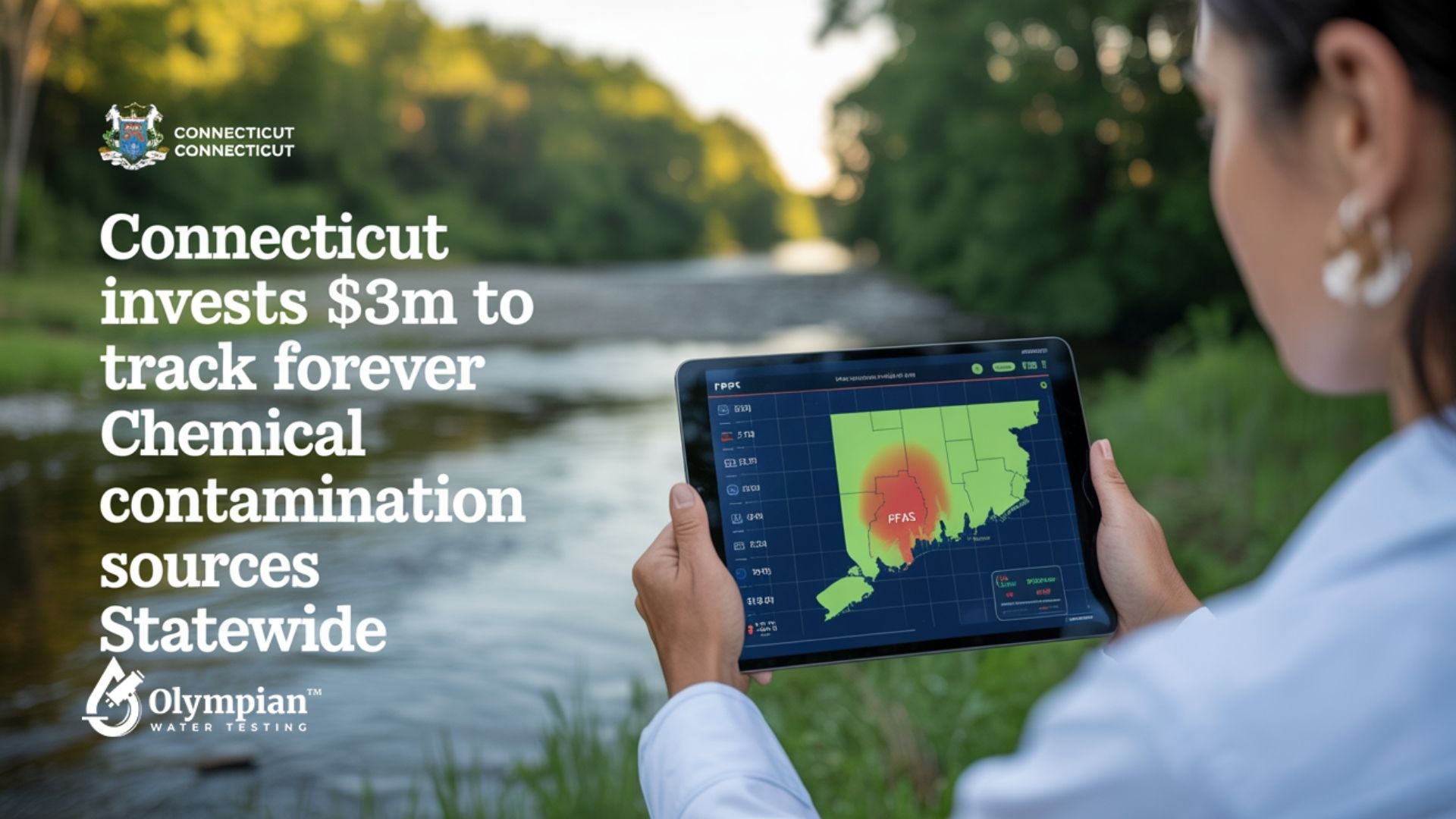
Connecticut is at a critical juncture, with water supply safety becoming a top priority in public health policy. As PFAS guidelines evolve, local water suppliers are gearing up to enhance testing and invest in new treatment technologies. The EPA’s commitment to maintaining maximum contaminant levels for PFOA and PFOS will guide these efforts.
Residents can look forward to increased funding for these initiatives. Support from local and federal programs, as well as settlements with chemical manufacturers, will help offset the costs of installing or upgrading filtration systems. New state guidelines are also on the horizon, aimed at simplifying the process for cities to tackle the issue of forever chemicals.
Research into more effective methods for removing PFOS and PFOA is ongoing. Scientists are exploring new materials and techniques to improve water quality over the long term. This research, coupled with public engagement, fosters a dialogue that ensures transparency and progress in addressing these concerns.
Connecticut’s proactive stance on PFAS management sets a precedent for other areas. Collaboration among concerned groups, researchers, and civic leaders is key to safeguarding public health. Together, they drive innovation and pave the way for a safer future.