Understanding the Scope of Contamination
Pollution is not just from industrial runoff; it also comes from personal care products, agricultural waste, and household items. Chemicals mix together, forming complex combinations that heighten health risks in cities and towns alike. This complex network affects wildlife, crops, and water systems.
Some pollutants, like PFAS, are notorious for their persistence in water and soil. They blend with pharmaceuticals, microplastics, and biological agents, posing significant water quality threats. Studies show these substances spread through rivers, groundwater, and oceans, affecting the entire United States.
Monitoring programs are essential for early detection of contamination. Implementing better waste management and advanced filtration systems helps protect drinking water. These efforts reduce risks and build community trust. Scientific partnerships drive policy updates to combat emerging threats and protect communities from health risks.
Here’s a look at common pollutants and their effects:
Contaminant | Potential Impact | Example Source |
PFAS | Bioaccumulation, elevated toxicity | Manufacturing processes |
Pharmaceuticals | Hormonal imbalances, drug resistance | Sewage discharge |
Biological Agents | Spread of disease | Contaminated water runoff |
Microplastics in Drinking Water

Scientists have found tiny fragments in our water supplies, posing a threat to safe drinking water. These fragments come from synthetic materials and can enter our lives without warning. Residents are concerned about the long-term health effects as these microscopic pieces build up over time.
Sources of Microplastics
Many fibers come from everyday items that wear down over time. Plastic packaging, household products, and field runoff all contribute. These pathways introduce plastic particles that remain in the environment.
Potential Health Risks
Research indicates that these particles could irritate tissues and release chemicals that disrupt normal body functions. The risk of toxins leaking into vital organs is a concern that healthcare professionals and environmental experts must continue to address.
Current Research Findings
Surveys reveal that 83% of Americans are uneasy about microplastic pollution in tap water. Scientists estimate that the average person might ingest an amount equivalent to one credit card each week. Studies show that 94% of public samples contain traces, and bottled products sometimes have higher concentrations.
Why Emerging Contaminants Are on the Rise
Increased industrial activities and lax oversight are flooding water supplies with a wider array of chemicals. New substances are entering municipal systems at a rate that outpaces detection capabilities. This leaves water resources vulnerable to the effects of many understudied compounds.
Industrial Growth
As production facilities expand, so does industrial pollution. Factories employ advanced manufacturing processes, releasing byproducts that older filtration systems miss. These residues strain drinking water quality in many areas.
Consumer Behavior
The widespread use of disposable packaging and diverse household items contaminates waterways with various pollutants. The mass production of consumer goods increases the variety of synthetic chemicals in wastewater. This trend reflects a convenience-driven culture with significant environmental repercussions.
Weakening Regulatory Barriers

Gaps in environmental regulations allow stealth contaminants to evade detection. Protocols struggle to adapt to new industrial formulas, placing a heavy burden on water authorities to track and mitigate emerging chemicals.
Driver | Impact | Implication |
Rapid Production | Elevated substance discharge | More monitoring needed |
Mass Consumption | Widespread chemical presence | Focused consumer education |
Loose Oversight | Insufficient regulatory checks | Stricter standards required |
PFAS and Their Impact on Human Health
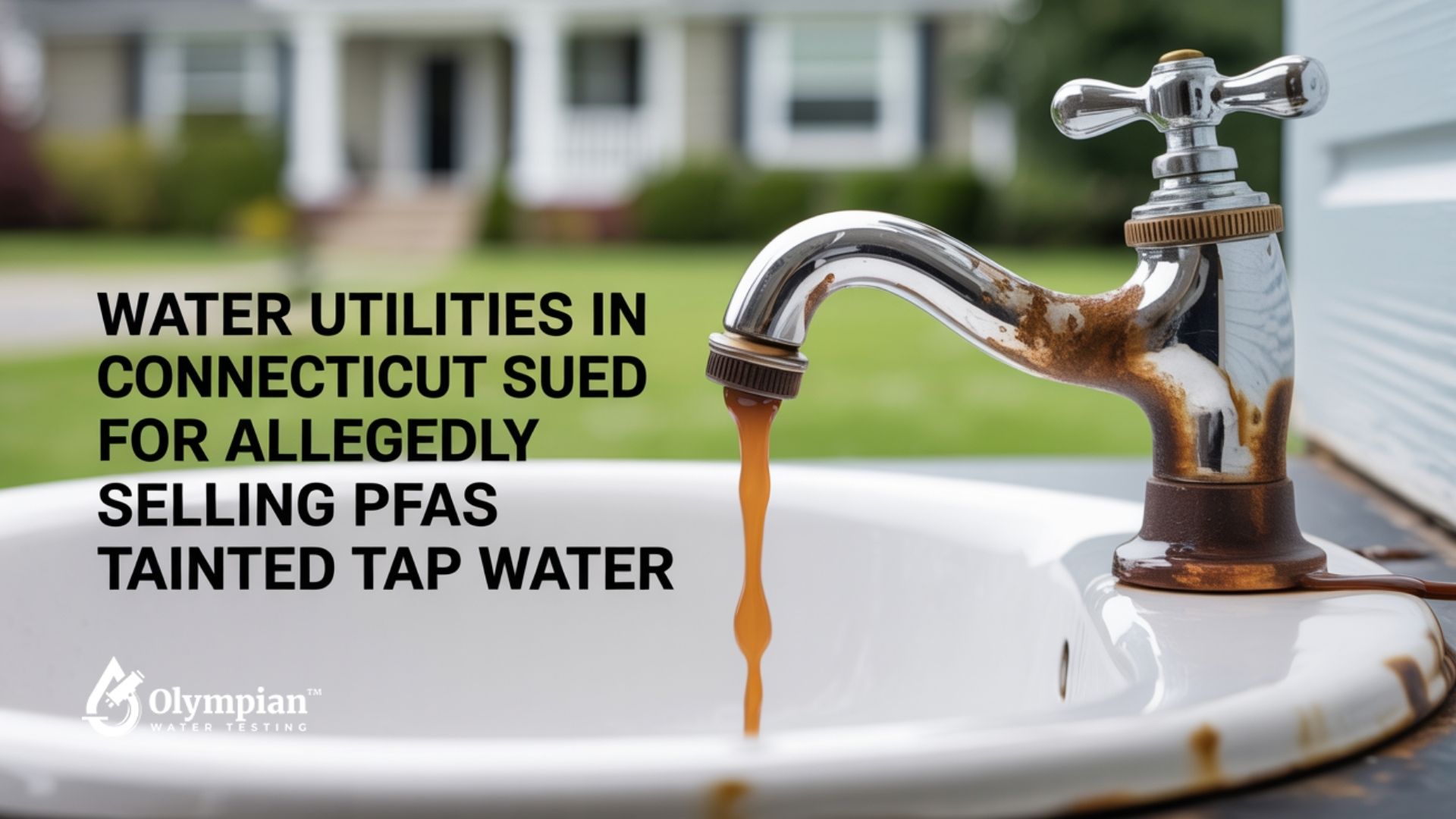
Public awareness of PFAS contamination has surged fourfold in recent years. These "forever chemicals" persist in the environment, contaminating water, soil, and human bodies. Studies link them to various health issues, including compromised immune responses.
Recent tests found PFAS in 10 out of 197 bottled water samples. While none exceeded federal limits, the growing concern is undeniable. These chemicals can accumulate over time, posing risks to both current and future generations.
Experts warn of links to cancer, hormonal imbalances, and developmental issues in children. Ongoing research aims to understand these impacts, potentially shaping public policy. Consumers are regularly exposed to these substances through everyday products and food packaging. Efforts to mitigate these effects are underway, but complete elimination remains a significant challenge.
Data Source | Key Finding |
National Survey | Fourfold increase in PFAS awareness |
FDA Testing | 10 of 197 bottled samples showed PFAS |
Pharmaceutical Compounds: An Underestimated Threat
The increasing use of medication has led to a significant concern about pharmaceutical runoff. Pills and syrups often end up in water sources, altering natural ecosystems. This transformation is due to the presence of prescription drugs in water.
Many treatment facilities struggle to remove all residues. This inadequacy allows complex substances to remain, posing hidden risks to both people and wildlife.
Common Medications Found in Water

Streams and lakes contain analgesics, hormones, and antibiotics. Over-the-counter and prescription drugs combine, creating a wide range of toxins. These can harm aquatic life and disrupt biological balance.
Environmental Pathways
Residues can enter rivers through various means. These include human waste, farming practices, and disposal habits. Key pathways include:
- Leftover tablets flushed or tossed into trash
- Livestock excretion in agricultural settings
- Insufficient filtration at older sites
Implications for Long-Term Health
Scientists are concerned about the effects of low-level exposure. This includes subtle shifts in hormone activity and antibiotic resistance. Such exposure over time may impact immune systems and vital organs.
Medication Type | Potential Impact | Main Concern |
Painkillers | Bioaccumulation in fish | Disruption of aquatic species |
Antibiotics | Altered microbial balance | Antibiotic resistance |
Hormones | Changed reproductive patterns | Long-term endocrine effects |
Regulatory Insights and Policy Shifts
New directions in public policy are reshaping how authorities manage emerging contaminants. The debate centers on finding a balance between public health and industry interests. The promise of clearer policy updates brings stronger consumer protections.
Evolving Federal Guidelines
The Environmental Protection Agency is refining its approach to tackle emerging threats in drinking water. Through updated EPA guidelines, officials aim to establish maximum contaminant levels that protect human health. Once these limits are finalized, the FDA might align bottled water standards under the Federal Food, Drug, and Cosmetic Act. This move would ensure consistent regulation.
Lobbying and Legislative Action
Environmental advocates and industry groups are pushing for changes in water regulations in Congress. Lawmakers are considering scientific evidence to update thresholds and expand oversight. Many are also looking to streamline enforcement and fund new research.
Key Entities | Roles |
EPA | Establishes and enforces contaminant standards |
FDA | Sets bottled water benchmarks under federal statutes |
Legislators | Shapes policy updates through bills and funding |
Tracking These Pollutants in Our Water Supply

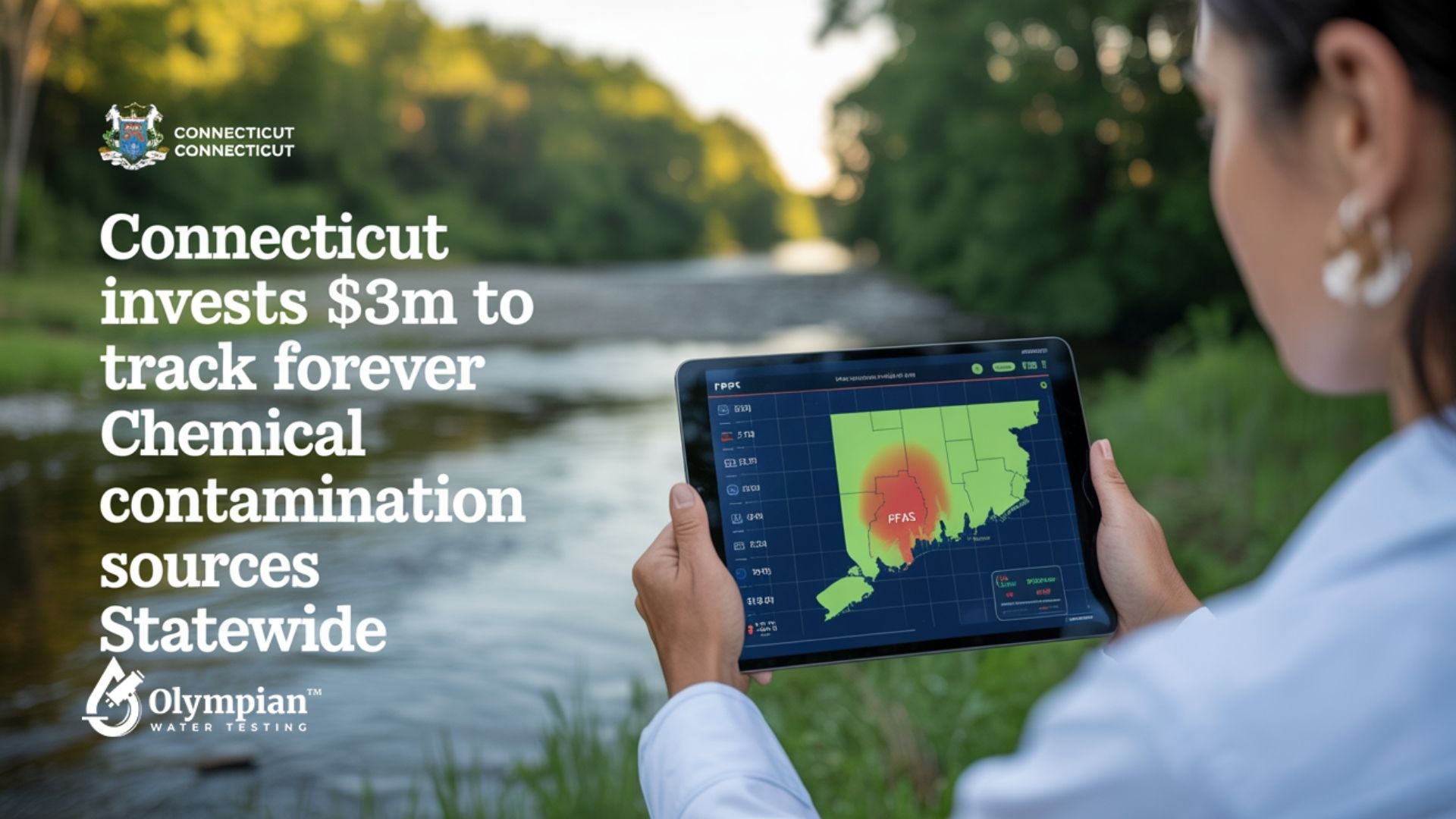
Surveys from the Environmental Protection Agency show that testing for microplastics and PFAS in specific areas has revealed contamination hotspots. Experts believe these findings highlight the need for more thorough testing. They also aim to raise public awareness about the dangers in our drinking water. Local governments use detailed records to identify trends and implement preventive actions early on.
In the United States, various groups invest in environmental testing to track new threats in water bodies. Regular water monitoring helps identify which treatment plants require upgrades or which areas need better filtration systems. This data informs advisory notices, alerting consumers to possible risks. It helps residents understand how changes in waste management, industrial discharges, and urban runoff impact their lives.
"Our water supply demands constant vigilance to safeguard public health," stated a Department of Health representative.
Innovations in Testing and Detection Methods
Researchers are constantly seeking new methods to identify threats in drinking water. They use advanced tools and smarter processes to detect trace elements that traditional methods often miss.
Water testing innovations focus on refining approaches and speeding up detection. This careful analysis aims to protect public health by identifying dangers from microplastics, PFAS, and other emerging threats.
Advanced Laboratory Techniques
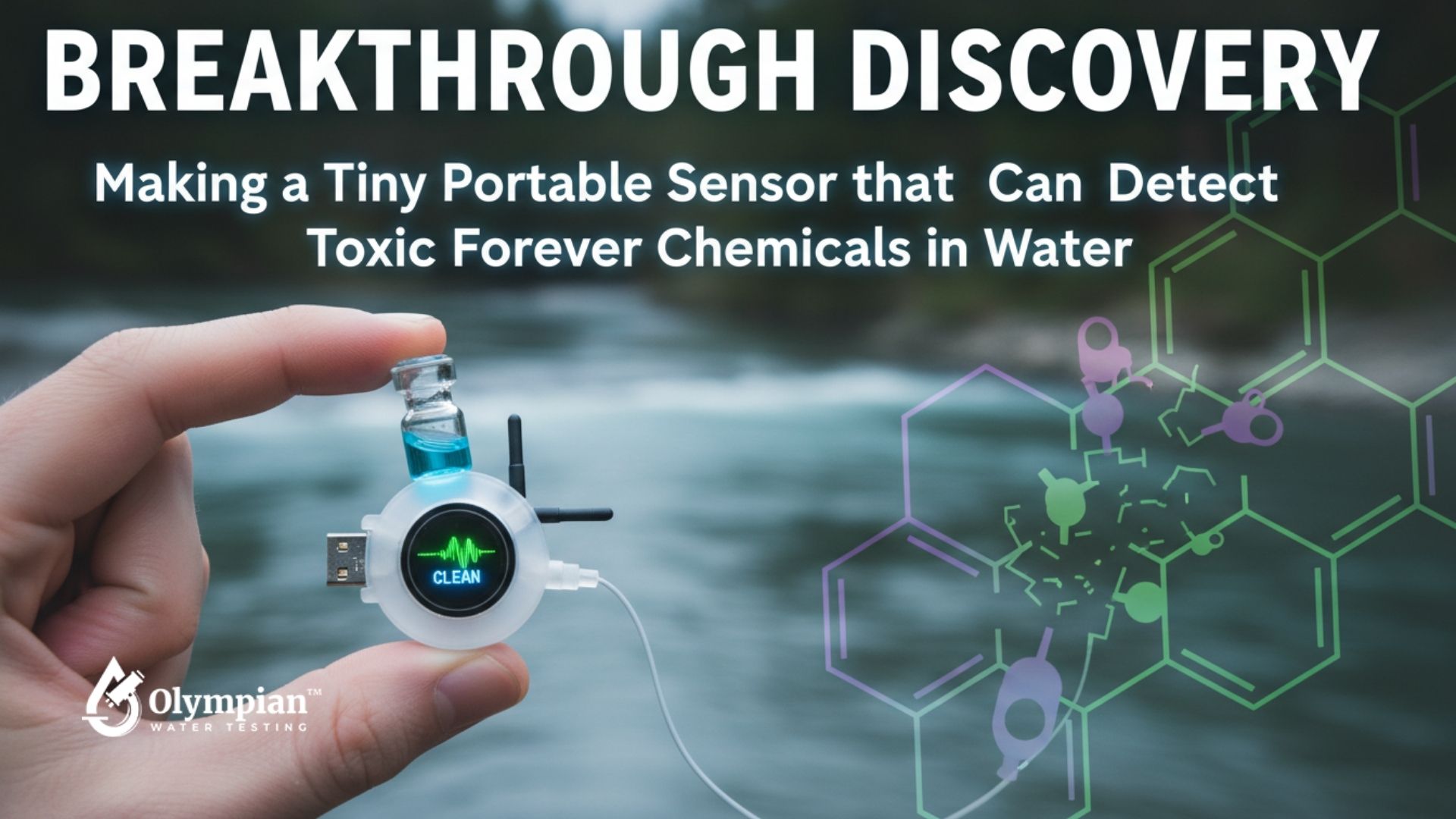
Many facilities now use advanced forms of mass spectrometry, like LC–MS/MS, to detect chemicals at very low concentrations. This increased sensitivity boosts confidence in results and uncovers contaminants that simpler methods might overlook. Labs also employ portable spectrometers for quick responses to unusual readings.
Real-Time Monitoring Tools
Biosensors enable continuous monitoring by detecting changes in water composition in real-time. They send signals for immediate action when hazards are detected, ensuring contaminants don’t reach the tap. These efforts showcase the collective push to protect water quality and keep communities safe.
The Role of Water Treatment Plants
Facilities are now upgrading their equipment to tackle persistent pollutants that pose health risks. The focus on municipal water treatment is essential, yet dealing with contaminants like PFAS comes at a higher cost. The emergence of new toxins necessitates advanced solutions, which can be financially challenging for areas with limited resources.
Advanced filtration techniques, such as activated carbon systems and ion exchange methods, are gaining traction. These methods show promise in capturing a wider range of pollutants without compromising water quality. Public utilities understand the necessity for ongoing enhancements, which require meticulous planning and engineering.
“Investments in these modern systems are rising, and so are the debates on funding,” noted the American Water Works Association.
Specialized teams are dedicated to exploring new technologies that boost safety and efficiency. These innovations could redefine the future of water treatment, ensuring communities have access to clean drinking water.
State-Level Efforts Across the United States

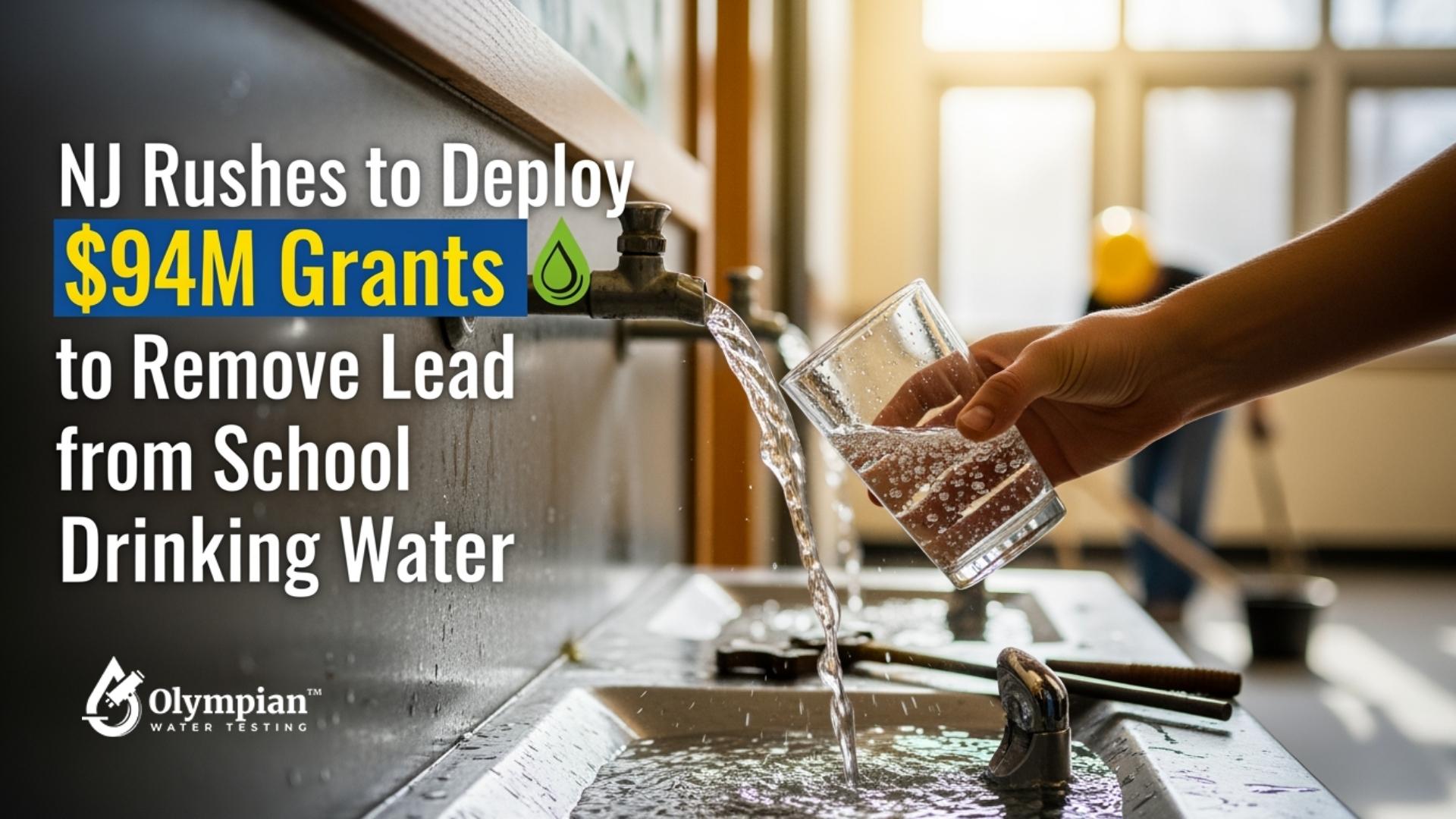
States are stepping up, setting stricter standards for water safety. They go beyond what the federal government suggests, tackling PFAS and other pollutants head-on. By using state water laws, they aim to shield their citizens from harmful substances.
Variations in Local Regulations
Michigan, Vermont, and New Jersey lead the way with stricter limits on harmful substances. They focus on targeted testing and advanced technology to catch microplastics early. These efforts show how local rules can fill the gaps left by federal policies.
Success Stories from Different Regions
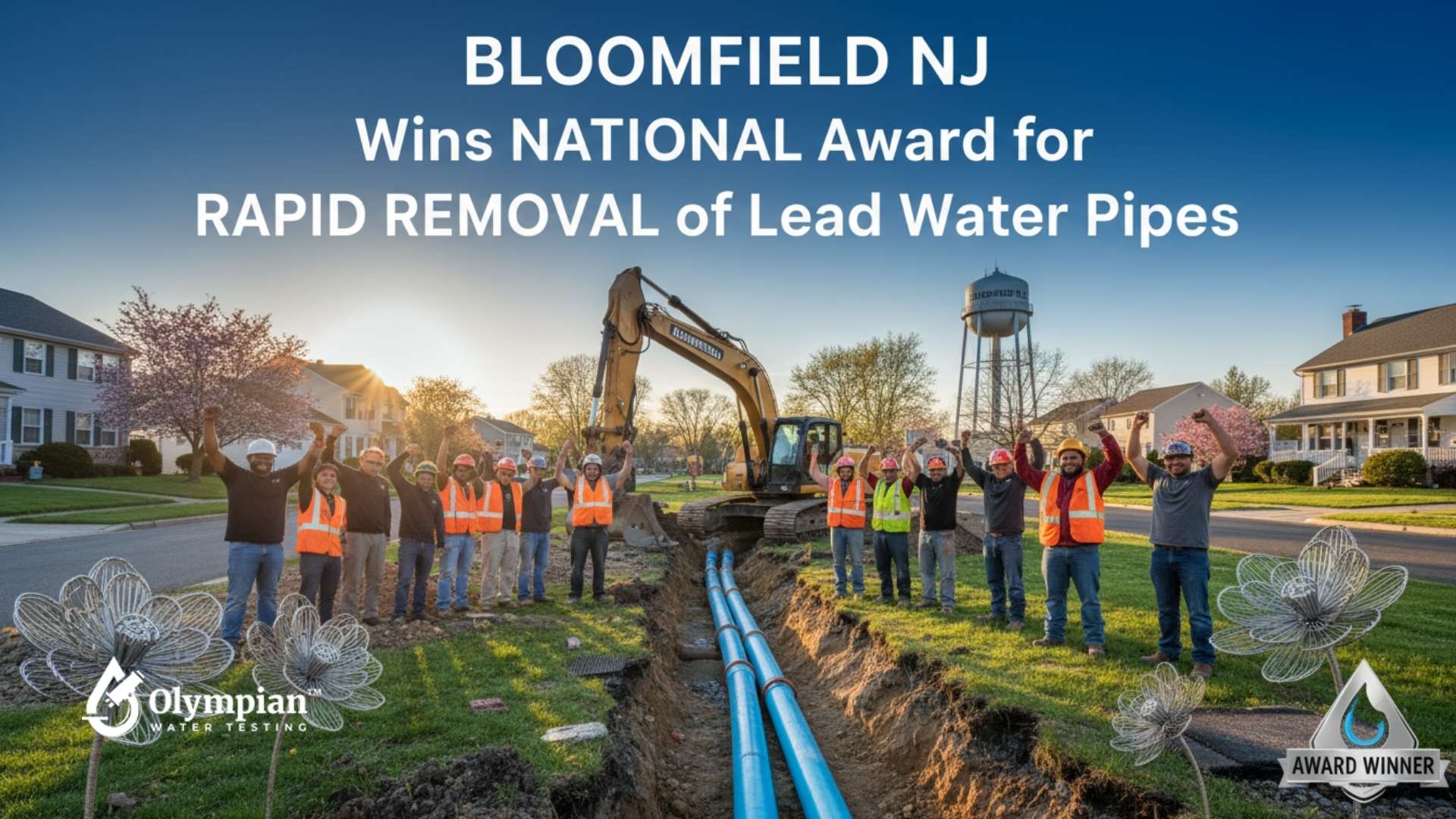
Communities are taking action, starting pilot studies at wastewater plants. They track pollutants like PFAS and microplastics, working with private labs for detailed analysis. This collaboration shows how community efforts and strong state laws can protect public health and drive change.
Challenges Faced by Water Authorities
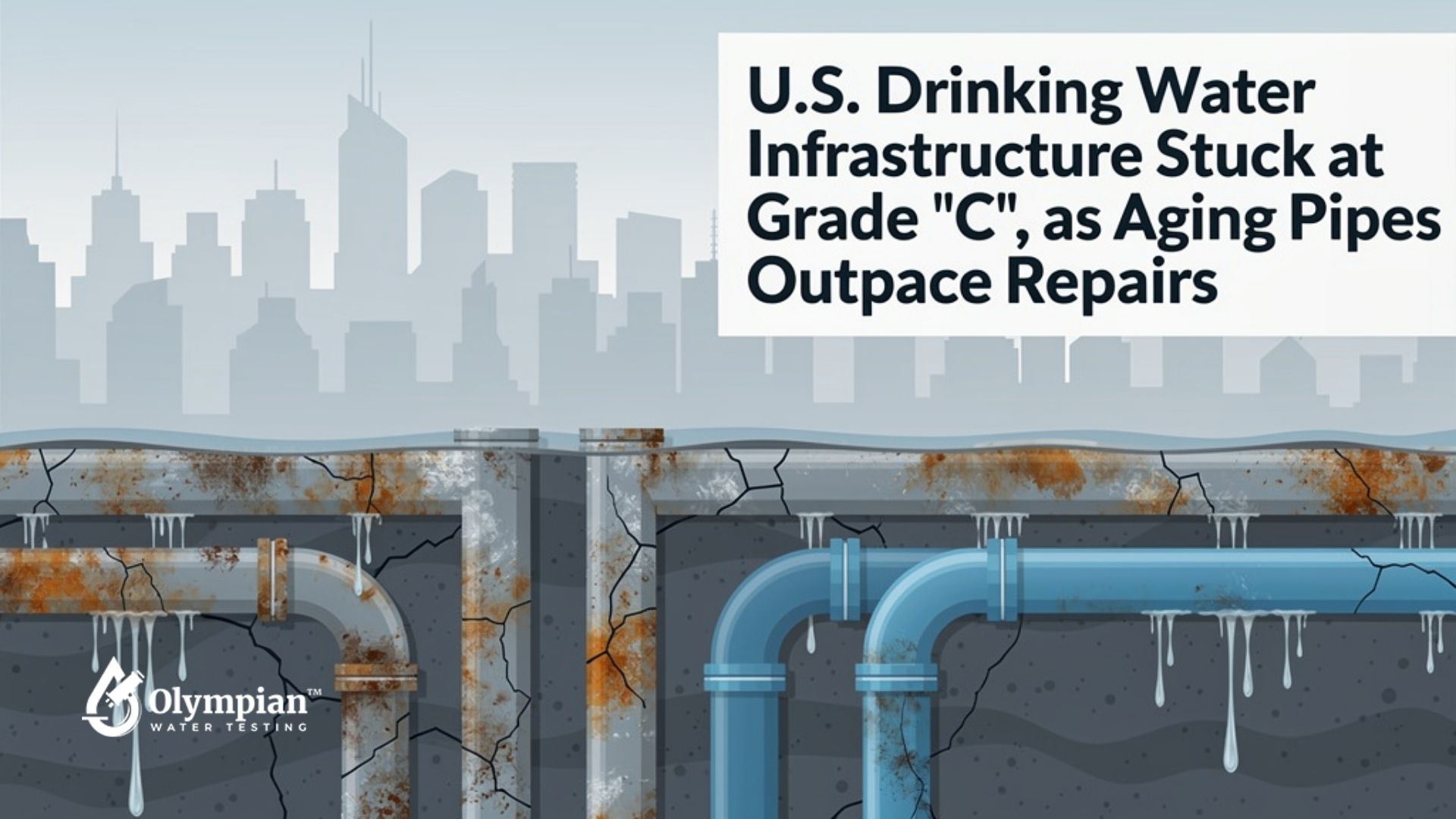
Meeting public demand is a significant challenge for water authorities. They must balance routine maintenance with essential upgrades to ensure safe drinking water. Managers face immense pressure to adapt swiftly to new risks amidst competing priorities.
Limited Funding and Resources
Funding shortages are a major obstacle in this field. Without consistent funding, vital upgrades are delayed, leaving systems at risk. The scarcity of resources further complicates matters, as departments struggle with limited staff, impacting daily operations.
Inconsistent Data and Monitoring
Experts highlight the issue of irregular sampling practices, leading to monitoring gaps. Fluctuating protocols result in incomplete data, making it challenging to track contamination trends. To address this, consistent oversight and standardized testing guidelines are critical for reliable data and timely responses.
Challenge | Consequence | Potential Approach |
Funding Limitations | Delayed Upgrades | Secure More Grants |
Data Irregularities | Unclear Contamination Trends | Standardized Sampling Methods |
Resource Allocation Oversights | Reduced Staff Efficiency | Targeted Training Programs |
Public Awareness and Media Coverage

National outlets like CNN and The Washington Post frequently report on chemical pollutants in water. This has led to increased vigilance among many, with people seeking ways to stay informed and mitigate risks. Celebrity-led documentaries further amplify awareness, using compelling stories to reveal hidden dangers in both local and global communities.
The combination of mainstream media and social media campaigns has heightened public concern about microplastics, PFAS, and other emerging contaminants. Consumer education initiatives provide factual discussions to clarify risks and guide daily choices. Journalists and activists leverage emerging contaminant headlines to encourage civic engagement and foster local collaborations.
Stories about contaminants in bottled and tap water are fueling a rise in home filtration sales. Many individuals place more trust in content backed by peer-reviewed studies. This trust motivates them to take more proactive steps towards ensuring safe drinking water.
- Broadcast networks organize town halls that bring experts and residents together.
- Online videos illustrate new filtration techniques for private households.
- Print articles spotlight success stories where communities reduced harmful exposure.
Media Channel | Focus | Effect on Filtration Demand |
Local News Stations | Day-to-day pollution alerts | Steady rise in household filter purchases |
Documentary Platforms (e.g., Netflix) | In-depth investigations | Significant growth in public interest |
Digital Publications | Interactive data-driven articles | Increased consumer research |
Home Filtration and Personal Precautions
More households are opting for home water filters to combat emerging contaminants. A forecast suggests that 59% of U.S. adults might prefer filtered water by 2025. This shift highlights growing concerns about tap water quality.
Carbon filtration and reverse osmosis have proven effective against PFAS and microplastics. NSF or ANSI certified filters meet stringent performance and durability standards. Regular cartridge replacements and product verification ensure safer drinking water.
Choosing the Right Filter
Some people seek out filters tailored to their local water issues. Researching helps them find filters that target specific pollutants. This strategy offers personal protection against chemicals that standard treatments miss.
Monitoring Household Water Quality
Regular testing at home confirms the effectiveness of filtration systems. Simple at-home kits can detect harmful substances, while lab tests offer more detailed insights. Staying informed helps protect family health and maintain clean drinking water.
Collaboration Between Scientists and Industry

Academic research is vital in uncovering new threats. Joint ventures between universities and manufacturing firms lead to advanced detection systems for tiny particles. By combining science labs with corporate partners, both sides focus on thorough experimentation and data exchange. This approach ensures that vital discoveries translate into more accurate testing across various water sources.
Such partnerships are essential for public health and foster innovative solutions. Teams collaborate, sharing insights on microplastic behavior and developing materials that counteract harmful chemicals. These efforts lay the groundwork for more effective monitoring and timely interventions.
- An emphasis on mutual learning reduces duplication of efforts.
- Pooling resources fosters creative strategies for scaling up new approaches.
- Open dialogue aligns industry goals with scientific integrity.
At the core of these initiatives is environmental collaboration. Water companies join forces with academic experts, enabling swift technology upgrades and constructive feedback. Through shared responsibility, they empower communities with cleaner, safer water.
Collaboration Focus | Key Outcome |
Microplastic Reduction | New materials minimize shedding |
PFAS Detection | Refined tracking devices for early alerts |
Pharmaceutical Monitoring | Improved tools for targeted sampling |
Local residents are coming together to advocate for community rights and push for water activism. Their efforts underscore the urgency of environmental justice and demand accountability from those in power. Grassroots movements have prompted municipal leaders to enhance testing and filtration systems.
These collective voices demonstrate that ordinary citizens can shape critical decisions. Success stories from various towns show how volunteer efforts have led to increased funding and stricter safety measures. Through media campaigns and petitions, calls for transparency grow louder. These efforts have instilled hope in families worried about water quality.
Grassroots Initiatives
Groups hold public forums to present new data and scientific insights. Volunteers spread awareness, conduct workshops, and organize cleanups near water sources. These activities decrease pollution and foster a deeper commitment to sustainable water practices.
Involving Local Stakeholders
Neighborhood groups, health professionals, and nonprofits work together on water safety strategies. Their partnerships leverage resources for equitable access and prompt local action. Engaged residents often drive policy changes that benefit public health.
Action | Outcome |
Community Workshops | Increased knowledge and grassroots involvement |
Petition Drives | Greater public pressure on decision-makers |
Fundraising Events | Improved infrastructure and resources |
Toward a Safer Future for Drinking Water
Many households are now opting for tap filtration to protect against hidden pollutants. An Aquasana survey shows a growing trend towards filtering water at home. This shift is away from bottled products, which may contain higher levels of microplastics.
Promoting sustainable water management requires ongoing research into new filtration methods and stricter quality standards. Scientists and policymakers must work together to develop solutions that address emerging contaminants. Public awareness and media support are key to building momentum for cleaner water across the country.
Advancements in technology, stricter standards, and local initiatives are building a strong environmental resilience. Water treatment specialists collaborate with government agencies and communities to monitor risks and implement new safety measures. Improved funding and enhanced testing can boost public trust in the safety of every glass of water. By remaining vigilant and adaptable, Americans can look forward to a safer, healthier future for generations to come.