Overview of the Colorado River’s Declining Flow
The Colorado River has seen its flow dwindle for over two decades. Rising temperatures and a megadrought caused by climate change have cut down snowmelt. This snowmelt once filled up vital reservoirs. The demand for water downstream has increased, leading to a pressing need for smart water use.

The imbalance between supply and demand has raised concerns about a worsening water shortage. Cities in Arizona and California face the challenge of cutting down water use. They must support farms, businesses, and households. The expiration of water allocation guidelines by 2026 has sparked worries about fair distribution.
Experts advocate for new conservation methods to counter the river’s dwindling volume. Discussions are ongoing about how to manage water supplies effectively. This is while protecting local communities. The urgency grows each year, highlighting the need for immediate solutions to prevent a severe water shortage.
Historical Perspective on Water Usage
In the early decades, farmers viewed the Colorado River basin as a gateway to fertile fields from dry land. Diversion structures enabled irrigation in areas once deemed impossible. This built a robust agricultural backbone, shaping the Southwest’s economies. The Upper Basin’s snowmelt became critical, sparking competition among users to access it.

Early Irrigation Practices
Settlement projects brought new canals and embankments, enabling large-scale farming in once-barren areas. These efforts met growing demands for wheat, cotton, and other essential crops. Local communities relied heavily on each harvest, creating traditions that persist in rural areas today.
Urban Growth and Demand
Major cities like Los Angeles and Las Vegas grew rapidly, prompting engineers and policymakers to ensure reliable water flows. Reservoirs and aqueducts were built through extensive planning, stretching infrastructure to meet daily needs. Today, the challenges of surging populations seeking sustainable water from the Colorado River basin highlight the need for balanced negotiations.

Climate Change Pressures in the Southwestern United States
The southwestern region is experiencing increased heat and changing precipitation patterns. Snowfall in Colorado and Wyoming has decreased, impacting water stability. This decline in snowpack threatens the water supply of towns and cities.
The Megadrought intensifies the competition for limited resources. Higher temperatures lead to faster evaporation in reservoirs, affecting farmers, ranchers, and residents. Shorter winters also reduce runoff, which once replenished the Colorado River’s tributaries. Communities are now seeking new strategies to safeguard their water supplies.
- Diminished precipitation cuts into snowpack accumulation
- Shortened winters weaken natural storage in upstream basins
- Greater heat accelerates evaporation and shrinks reservoir levels
Experts predict that warming trends will continue for decades. The Megadrought highlights the impact of climate shifts on water systems. It prompts local and federal leaders to collaborate on securing a sustainable future for the Southwest.

Impact on Local Communities and Ecosystems
Riverside towns rely heavily on the Colorado River for their water needs. Yet, dwindling river flows challenge their sustainability. Climate change has reshaped seasonal patterns, impacting everything from drinking water to fishing spots. The ongoing water management disputes hinder progress, casting doubt on the river’s future.
Ecosystem Disruption
The decline of native fish like the humpback chub is alarming. Warmer waters and reduced habitat areas disrupt their breeding habits. Bird migration routes are also shrinking due to lost wetlands. These changes are reshaping life along the river’s banks, affecting those who once thrived there.
Challenges Facing Residents
Tribes and local communities face significant challenges due to limited infrastructure and unreliable water sources. The rising costs of living force families to make difficult decisions about farming or moving away. Climate change exacerbates these issues, turning fertile land into dry, barren areas. This highlights the urgent need for sustainable solutions.
Group Affected | Key Concern | Possible Response |
Tribal Nations | Water Access | Infrastructure Upgrades |
Wildlife | Loss of Habitat | Enhanced Conservation Zones |
Local Farmers | Reduced Irrigation | Efficient Water Use Practices |
Addressing the Growing Water Shortage

Communities across the Southwest are adopting innovative strategies to safeguard vital resources. Experts highlight the importance of meticulous water management in various sectors. These efforts aim to ensure a steady supply while safeguarding delicate ecosystems.
Innovations in Conservation
In California’s Central and Imperial Valleys, agricultural districts are turning to drip irrigation. This method significantly reduces runoff and enhances crop yields. Advanced sensors monitor field conditions, guiding precise watering schedules. Companies like Netafim develop cutting-edge equipment to support farmers in adopting water-saving practices.
Policymakers are incentivizing industries to reduce waste. They offer rebates and tax benefits for modern irrigation systems. This encourages a shift towards more efficient water use.
Some ranches and vineyards use soil analysis to optimize water distribution. This targeted approach ensures productive farmland without depleting water sources. Such practices help farmers lower costs and maintain local food production, benefiting consumers.
Water Recycling Initiatives
In Arizona and California, municipalities are capturing wastewater for reuse in landscaping and cooling systems. This water, after filtration and treatment, is suitable for various household or industrial uses. By tapping into this new supply, these initiatives alleviate pressure on dwindling water reserves.

Scientists are now exploring ways to expand these programs. They aim to create a cycle where waste is transformed into a reliable, clean resource. This vision could significantly enhance water management and sustainability.
Threats to Agriculture and Industry from the Shrinking Colorado River
California producers are facing the challenge of reduced water allocations from the federal Central Valley Project. This has prompted them to scale back on irrigation, leading to orchard removals and lower yields. Almond and alfalfa fields are among the hardest hit, reshaping the Southwest’s agricultural landscape. Growers are now exploring drought-resistant varieties and advanced drip irrigation systems to manage the dwindling water supply.

For processing plants and dairy operations, the rising costs of water are becoming unsustainable. Some fields are left unplanted, impacting local employment and national food distribution. The economic strain on farms is severe, affecting small towns that depend on agricultural income. Yet, industry leaders emphasize that finding a balance between conservation and modern farming practices can safeguard the future of Southwest agriculture.
Farm Impact | Crop Type | Adaptation Strategy |
Orchard Removals | Almond | Reduced Acreage |
Declining Yields | Alfalfa | Precision Irrigation |
Fallow Fields | Various Vegetables | Drought-Resistant Hybrids |
Interstate Agreements and Legal Complexities
States in the Upper and Lower Basin are increasingly at odds. The 1922 Colorado River Compact and subsequent rulings have created a complex web of obligations. These agreements now seem outdated against today’s water scarcity. Many regions submit competing proposals to federal agencies, seeking to secure water rights while honoring past commitments.
Tribal communities are also raising their voices, demanding fair treatment. Each dispute highlights the ambiguity in historic documents. Public debate centers on possible adjustments that could balance state sovereignty with environmental concerns.
Water Rights Disputes
Litigation often stems from differing views on resource allocation. Some argue that past allocations restrict growth, while others believe agreements must be upheld. Each side cites legal precedent to bolster its claim over water rights.

The Role of Federal Oversight
Agencies like the Bureau of Reclamation manage key dams and distribution systems. Federal courts may intervene when states cannot resolve conflicts through negotiation. This oversight affects how quickly states can adjust their strategies.
Key Legal Framework | Year | Primary Focus |
1922 Colorado River Compact | 1922 | Upper vs. Lower Basin allocations |
Supreme Court Rulings | Varied | Interpretation of interstate obligations |
Federal Agency Authority | Ongoing | Management of dams and oversight of basin policies |
Hydroelectric Power Concerns in the Basin
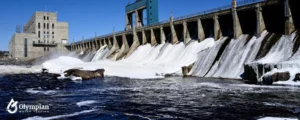
The Colorado River’s dams have provided vital electricity to millions across the Western United States. This energy lifeline now faces deep uncertainty as reservoir levels continue their downward trend.
Record-breaking dryness in the basin has led to significant drops in water storage. In 2023, Glen Canyon Dam generated about 3,300 gigawatt-hours of electricity, down from a possible 4,390 gigawatt-hours—a 32% decline. This shift highlights the vulnerability of hydroelectric power during prolonged drought conditions.

Lower reservoir volumes slow turbine rotations, prompting utilities to seek costlier alternatives on the open market. Some turn to fossil fuels, causing consumer rates to climb by about 7%. The appeal of cleaner energy sources grows as water scarcity threatens to reduce power production further.
Maintaining hydroelectric power in the Colorado River Basin requires balancing ecological health with the needs of homes and industries. Policymakers aim to safeguard this critical energy supply while preserving natural flows for wildlife and local communities.
Collaborative Community Solutions
Across the Colorado River Basin, groups unite in shared efforts. Nonprofits, tribal nations, and regional agencies join forces. The Nature Conservancy (TNC) leads this charge, aiming to protect the river. It works with local organizations on water conservation and ecosystem programs.
The Colorado River District’s Community Funding Partnership (CFP) invests millions in local projects each year. In 2024, it gave out over $8.5 million, with an additional $26.6 million from other sources. These funds help communities install water-saving devices and host seminars. This leads to practical actions that protect limited water supplies.
Local Partnerships
City leaders team up with philanthropic groups and county governments. Together, they launch pilot programs and restore habitats. By working with grassroots conservationists, they turn big plans into real results. Residents are inspired to support innovative irrigation and responsible water use.

Public Awareness Campaigns
Events and media campaigns push for low-flow fixtures and reduced water use. Conservation teams share tips for making better choices. These efforts show how working together can stretch resources and protect water for the future.
Balancing Urban Growth and Sustainability
The rapid growth in Arizona, Nevada, and California puts a strain on water resources. This has led to discussions about using external water sources or reorganizing current allocations. Interstate water agreements are being considered as a way to find unified solutions for urban areas. These agreements aim to meet growing demands while safeguarding future water supplies.
Proposed pipelines to link unused basins are a topic of ongoing debate. The financial and environmental impacts of such projects are significant. Local governments are also exploring innovative zoning. This includes low-water landscaping, efficient building codes, and enhanced conservation efforts.
Some communities are looking for ways to make the most of their limited water. They are considering:
- Expanding xeriscaping in public and private areas
- Reassessing industrial water use for new developments
- Increasing aquifer recharge to maintain steady water levels
Collaboration across state lines is critical. Interstate water agreements can help balance growth by setting clear priorities and commitments. They provide a framework for responsible urban planning.
Region | Key Challenge | Potential Response |
Arizona | Rapid Housing Boom | Stricter building ordinances |
Nevada | Increasing Tourism | Statewide conservation targets |
California | Metropolitan Growth | Encouraging drought-resistant projects |
Potential Long-Term Strategies for Preservation
The southwestern region must consider forward-thinking actions to sustain the Colorado River for decades. Efforts to reduce losses and secure varied resources are central to policy discussions. These efforts aim to prevent ecosystem disruption over time. Public and private institutions play a key role in shaping these plans, guiding investments and regulatory reforms.
Desalination Prospects
Desalination emerges as a complex yet promising strategy. Pilot programs in California demonstrate that freshwater can reach arid communities with the right economic and political support. Units converting seawater into usable supplies face concerns about cost and energy. Advances in membrane technology could ease these challenges and increase acceptance.
Restoring River Ecosystems
Restoring flows to parched habitats is another priority. Strategic releases to the Colorado River Delta in Mexico show the effectiveness of well-coordinated efforts. These efforts can revive fish populations and bird migration corridors. Reducing ecosystem disruption can spur recovery across the watershed. Cross-border collaboration is essential for healthier landscapes and resilient biodiversity, ensuring a thriving river for future generations.
A Shared Vision for the Future
Policymakers, tribal nations, and environmental nonprofits are at a critical juncture. They aim to establish new rules for the Colorado River by 2026. Their objective is to strike a balance between drinking water, farming, and wildlife preservation. Water conservation is at the heart of this endeavor, driven by new research and a commitment to fairness.
There’s a growing belief in merging advanced science, cultural insights, and flexible policies. By refining river allocations, leaders can safeguard tributaries and tackle long-standing injustices. This journey requires collaboration and the adoption of innovative strategies. It involves setting ambitious targets and respecting the boundaries of nature. By working together and prioritizing water conservation, the Colorado River’s future looks brighter.