Understanding Bioremediation in the Modern Water Industry
Modern facilities are looking for new ways to remove toxins without causing lasting harm. The green pharmacy approach is gaining traction. It uses natural methods to tackle a wide range of pollutants. This approach helps combat threats like pharmaceutical pollutants and promotes sustainable water practices.
Bioremediation, using various microbial consortia, shows promise as a cost-effective solution. These microorganisms actively break down toxins, turning them into safer substances. Their adaptability makes them suitable for various industrial and municipal environments.
Defining Bioremediation
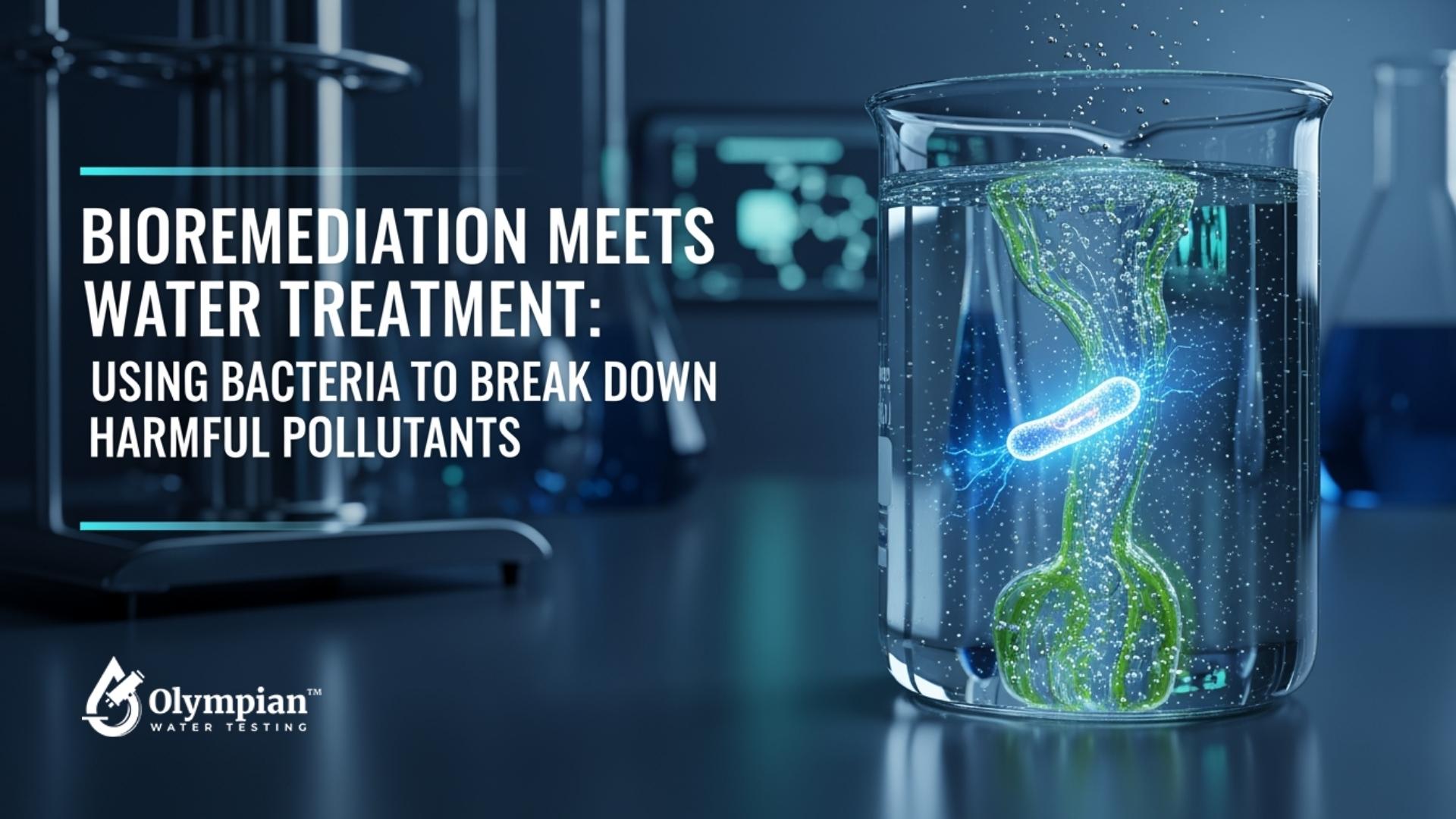
Bioremediation involves using bacteria, fungi, or algae to break down harmful substances. It targets pollutants at their source, aiming to restore water systems. Today, this method is used to reduce chemical buildup and transform waste management.
Historical Overview of Microbial Solutions
Microorganisms gained prominence in the late 20th century during major oil spill cleanups. Initial experiments showed their ability to naturally decompose pollutants. These early successes have led to the widespread use of microbial solutions in water treatment today.
The table below outlines significant milestones in the development of microbial applications for water treatment:
Era | Key Focus | Impact |
Early 1980s | Oil spill cleanup | Proved bacterial potency against large-scale contamination |
1990s | Soil restoration | Built foundational knowledge for future water applications |
Present | Municipal wastewater treatment | Targets pharmaceutical pollutants under the green pharmacy approach |
Key Drivers Behind the Rise of Bioremediation
The surge in industrial activities has led to a plethora of pollutants, including heavy metals and synthetic chemicals. Traditional methods often fall short, sparking interest in microbial processes.
Bioremediation offers a cost-effective way to transform pollutants into harmless substances. This approach is favored by industries due to its alignment with stringent regulations and health objectives. The growing public awareness of water issues further fuels this shift towards sustainable solutions.
As highlighted in Inside the Biological Treatment of Wastewater Methods – Blog, the adoption of bioremediation is gaining momentum among facility managers. It promises to reduce operational costs while ensuring a safer environment. This method represents a greener alternative, meeting the evolving expectations of consumers.
How Bacteria Drive Bioremediation Processes in Water Treatment

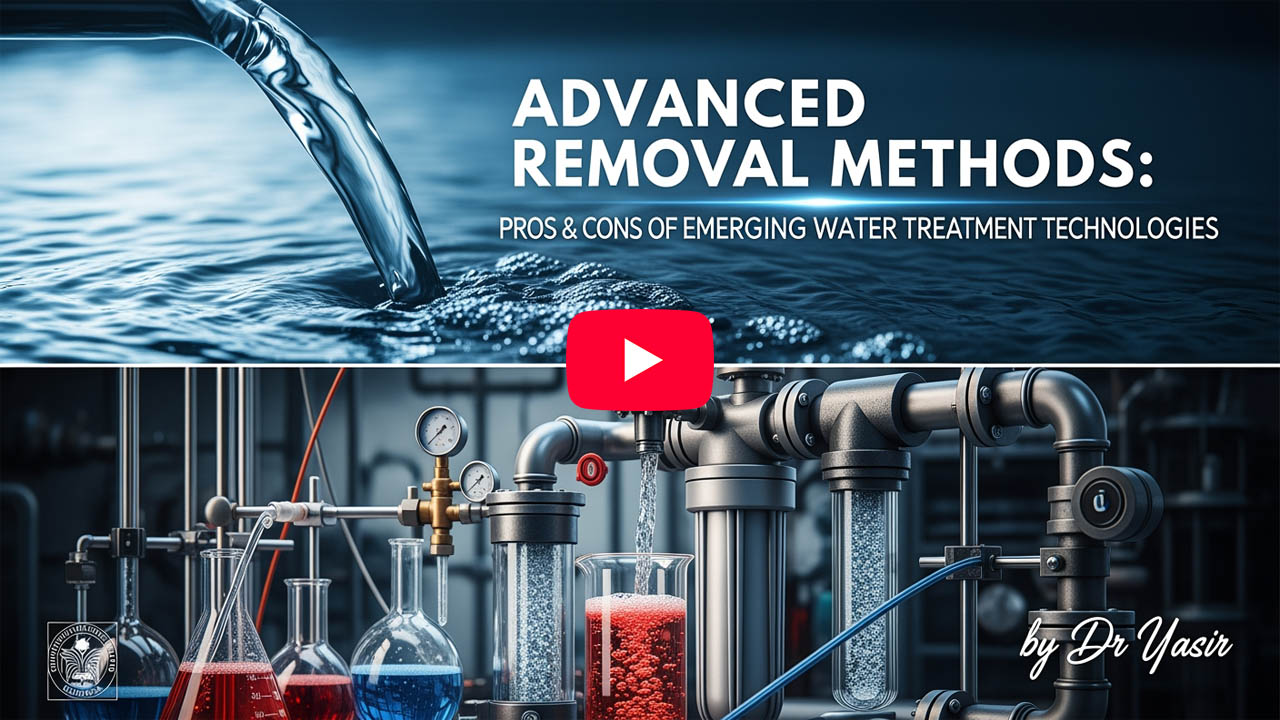
Bacteria play a critical role in purifying polluted water. They can break down harmful substances through natural metabolic pathways. This process transforms toxic materials into less harmful byproducts, making water safer for reuse. Techniques like bioreactor engineering help by creating an environment that fosters microbial growth.
“An alternative approach could be the bioremediation technique that has been efficiently used in treating petrochemical contaminants over decades.”
Specialized systems allow operators to control temperature and nutrient levels. This method aims to maximize the impact of organisms that target pollutants. The designs are flexible, catering to various locations, from industrial sites to municipal facilities.
Selecting Suitable Microorganisms
Not every microorganism can handle every toxic compound. Experts identify strains that can break down petrochemical runoff or pharmaceutical residues. The success of this selection depends on thorough testing and understanding each strain’s enzyme activity.
Mechanisms of Pollutant Degradation
Naturally occurring enzymes transform hazardous substances into simpler forms. In bioreactor engineering setups, adjusting oxygen levels and pH enhances these reactions. This leads to a cleaner effluent stream and reduces secondary waste. By leveraging bacterial capabilities, water treatment practitioners enhance sustainability across the nation.
Recent News on Water Pollution and Cleanup Initiatives
Industry leaders must stay alert to shifting guidelines aimed at stopping environmental damage. Fresh mandates address chemical discharge, impacting treatment practices across the nation. Many plants turn to new tools that shorten response times while keeping costs in check.
Federal Regulations Affecting Water Standards
Federal agencies, including the U.S. Environmental Protection Agency, boost research and oversight of contaminants entering public waterways. Certain rules demand tighter controls on runoff and chemical outflow. This climate of scrutiny signals a rise in water removal services that tackle lingering waste in places with high industrial activity. Treatment efforts focus on preventing long-term hazards to ecosystems.
Regulation | Focus | Importance |
Stricter MCLs | Limits on emerging pollutants | Protects public health |
Clean Water Act Updates | Enforce best practices | Reduces toxic discharge |
Breakthrough Projects in the United States
Communities gain momentum for advanced strategies by combining bacterial methods with swift water removal services. Tarentum, PA, experienced significant flooding after torrential rains, prompting teams to use bioremediation for oil residue cleanup. Municipalities point to these success stories as practical paths for addressing urgent water pollution concerns.
Innovations Transforming the Water Treatment Sector
Bioremediation is revolutionizing water decontamination in the United States. It combines remote sensors, AI, and precision membranes for quicker responses to emergencies. This approach enhances flood disaster recovery, equipping communities with a more effective toolkit against frequent storms.
Experts now track contaminants in real-time, applying microbial solutions with precision. Some systems forecast water composition changes, preventing pollution spread. This innovation has caught the eye of researchers, who see it as key to protecting rivers, water supplies, and public health.
Engineers are refining technologies to save resources and cut chemical use, aiming for cleaner waterways. This fusion of biology and digital innovation is foundational for the nation’s flood disaster recovery efforts. It ensures safety and sustainability.
Innovation | Impact |
AI-Driven Monitoring | Speeds detection of water quality changes |
Microbial Consortia | Boost pollutant breakdown with targeted bacteria |
Advanced Membranes | Filter ultra-fine contaminants efficiently |
Combining Biology and Engineering for Effective Treatment Systems
Researchers are merging microbial science with engineering solutions to build water treatment methods that address complex waste streams. Microscopic organisms help break down hazardous materials, while mechanical processes boost the speed and consistency of pollutant removal. This balance supports environmental sustainability and reduces energy usage.
Biological experts often begin by selecting microbes that adapt well to specific contaminants. Engineers then ensure that pumps, mixing devices, and monitoring tools maintain ideal conditions. Real-time sensor data offers a roadmap for fine-tuning aeration or nutrient levels, helping communities achieve cleaner water for households and businesses.
Advantages of Hybrid Approaches

Combined systems reach deeper levels of purification in shorter timeframes. This model often results in lower sludge output and better resource efficiency. Packed bed reactors, slurry phase reactors, and membrane bioreactors tailor treatments to challenging pollutants while upholding environmental sustainability across each phase of operation.
Scaling Up Bioreactors for Larger Communities
Bioreactors serve thousands of residents when expanded thoughtfully. Sequence batch reactors, for instance, employ a fill-and-draw cycle that suits major utility companies. Membrane bioreactors rely on semi-permeable films to keep beneficial microbes in place, granting municipalities effective control over large volumes of wastewater.
Bioreactor Type | Key Features | Example Usage |
Packed Bed Reactor | High surface area for microbial growth | Industrial sites confronting toxic chemicals |
Slurry Phase Reactor | Suspended solid media for enhanced contact | Soil treatment and sediment cleanup |
Sequence Batch Reactor | Cyclical fill-and-draw process | Municipal wastewater plants |
Membrane Bioreactor | Semi-permeable membranes holding microbes | Large-scale public utilities |
Challenges Faced by Bioremediation Efforts
Biological remediation holds promise for cleaning polluted water, but it faces significant obstacles. Traditional methods often fail to tackle pharmaceutical pollutants effectively. These contaminants require advanced technologies, which can be costly and harmful to ecosystems. Despite these challenges, scientists continue to work on improving these methods.
Keeping the delicate balance of microbial consortia is a continuous task. Changes in water quality or chemical levels can stress these microbial communities. This stress can reduce their efficiency or produce unwanted byproducts. The high cost of specialized equipment and regulatory uncertainty also hinder the widespread adoption of new bioremediation techniques.
To overcome these hurdles, researchers are exploring better process controls and stronger collaborations. Developing stable microbial consortia in large-scale bioreactors requires a unified effort from various scientific fields. The support of agencies like the EPA is essential. It helps build trust in bioremediation and leads to more effective solutions for water treatment.
Role of Universities and Research Centers in Advancing the Field
Academic institutions are at the forefront of ecological breakthroughs. Scientists are refining bacterial remediation techniques for various water pollutants. Their work aims to create safer communities across the nation.
Researchers from Stanford University and Massachusetts Institute of Technology are studying how microorganisms adapt to complex pollutants. Bacteria, algae, and fungi are being found to transform pharmaceutical residue into less harmful byproducts. This discovery brings hope for cleaner water systems.
Laboratory-Driven Discoveries
Experienced researchers conduct controlled trials to identify the most effective microbial cultures for pollutant breakdown. They analyze genetic traits and observe how organisms interact in specialized setups. This method leads to efficient solutions that handle toxic chemicals with minimal resources.
Collaboration with Industry Partners
Universities are partnering with leading engineering firms to turn pilot programs into practical initiatives. Field tests confirm that bacterial remediation methods are scalable for diverse needs, including municipal utilities. These partnerships ensure clear guidelines, robust risk assessments, and long-term project viability.
Managing Risks and Ensuring Public Safety
New treatment methods often raise questions when they reach local communities. Clear guidelines and transparent data build trust, ensuring each step meets regulatory expectations. This thorough monitoring and operational clarity reinforce the safety of sustainable water treatment on a broad scale.
Experts encourage ongoing education for residents and water management teams. An informed group sees the value of biological interventions that keep water free of harmful elements.
Monitoring and Quality Control

Active surveillance includes measurements of microbial performance, pH levels, and dissolved oxygen. Technicians collect regular samples for lab analysis, confirming that no unintended substances find their way into the supply. Real-time sensors track fluctuations in pollutant breakdown, which alerts operators to immediate adjustments. This careful approach aligns with targets set by the United States Environmental Protection Agency (EPA).
- Regular sampling intervals
- Efficient sensor technology
- Prompt containment of anomalies
Addressing Common Public Concerns
Many wonder if engineered organisms could harm nearby wildlife or local water sources. Researchers run tests designed to predict ecological consequences before any large-scale launch. Public outreach events invite residents to examine safety procedures and learn the benefits of sustainable water treatment.
Monitoring Parameter | Method | Frequency |
Microbial Activity | Real-time Sensors | 24/7 |
Pollutant Levels | Lab Analysis | Weekly |
pH Balance | Probe Testing | Daily |
Funding and Policy Shifts Supporting Bioremediation
Public and private grants are fueling new opportunities for microbial water treatments in critical projects focused on pharmaceutical pollutants. Financial support reduces the burden on municipalities seeking cost-effective solutions for upgrading infrastructure and testing advanced bacterial methods.
Pharmaceutical manufacturing creates unique waste challenges, making bioremediation a strategic choice. Federal proposals encourage tax benefits for facilities dedicated to pollution control, spurring steady growth in research and modern technology. Some statewide initiatives tighten discharge limits, creating stronger incentives for tackling pharmaceutical pollutants through specialized bacterial innovations.
"This shift highlights a broader commitment to safeguard water resources and invest in cleaner technologies."
Collaborative efforts between environmental agencies and industry players produce vital data on microbe-driven approaches. Streamlined policies also spur partnerships that accelerate the adoption of reliable, nature-based tactics.
Policy Tool | Impact |
Grants & Funding | Supports pilot programs for bacterial solutions |
Tax Incentives | Encourages facility upgrades |
Stricter Discharge Limits | Drives adoption of bioremediation |
Alternative Methods Complementing Bioremediation

Non-biological strategies can enhance microbial efforts against various pollutants. This green pharmacy approach helps facilities tackle high contaminant levels before bacteria finish the breakdown. It reduces immediate toxicity risks, providing quick protection while preserving the natural process benefits.
Physical and Chemical Treatments
Physical methods include filtration, coagulation, flocculation, and adsorption. Chemical treatments use ozonation or hydrogen peroxide oxidation. These methods reduce harmful substances to safer levels, critical in areas with severe pollution threatening water supplies.
Comparative Benefits of Combined Techniques
A layered approach combines specialized methods for better coverage. This strategy supports a green pharmacy approach by reducing residual chemicals and improving treatment reliability. It conserves resources, lowers disposal costs, and ensures safer outcomes for those relying on clean water.
The Rise of Green Technologies in Water Treatment
The need for eco-friendly solutions in water treatment has grown. Companies are now exploring ways to merge mechanical systems with biological processes. This approach aims to make water recycling more efficient and environmentally friendly. Industries handling large amounts of wastewater are looking for solutions that meet environmental standards and protect local ecosystems.
Research shows the importance of decentralized water treatment plants. These plants allow communities to safely reuse water, promoting sustainability. This shift towards green technologies is driven by a desire to reduce pollution and lower energy and maintenance costs.
Experts are also focusing on green pharmacy to address pharmaceutical waste challenges. This approach encourages responsible production and disposal of drugs. It’s part of a broader movement towards sustainable innovation in water treatment.
Green Technology | Key Benefit | Application |
Hybrid Mechanical-Biological | Less Chemical Usage | Municipal Treatment Facilities |
Decentralized Systems | Localized Water Reuse | Small Towns & Remote Sites |
Composting Methods | Natural Waste Breakdown | Rural Agricultural Areas |
Success Stories from Across the United States
Communities across the nation are witnessing significant improvements in river and wetland restoration. Municipal and private entities are coming together to combat pollution. They are employing targeted strategies to diminish harmful substances.
Transformed Ecosystems
In Tarentum, PA, a local facility collaborated with an environmental company. They utilized bioremediation and advanced bioreactor engineering. This effort led to the return of fish populations and the resurgence of aquatic plants.
Similar transformations have been observed in various states. Water quality has improved, and habitats have begun to flourish once again.
Economic Benefits to Local Communities
Cleaner waterways often boost tourism and attract outdoor enthusiasts. This influx of activity generates new revenue streams. It strengthens local businesses, from outfitters to small eateries.
Bioreactor engineering is key in achieving these environmental victories. These gains enhance the well-being of communities reliant on pristine water resources.
Expert Insights on the Future of Bioremediation
Environmental science experts foresee swift advancements in microbial treatments. Climate shifts underscore the urgency for adaptable methods to protect waterways and aid in flood recovery. Bacterial strains are evolving, providing targeted solutions against complex pollutants efficiently.
Predicted Growth and Emerging Trends
Technologies merging biology with real-time monitoring are showing great promise. Engineers anticipate a rise in demand for customized solutions to handle sudden environmental challenges, like storm surges. Decision-makers are looking for flexible strategies that cut costs and promote sustainability.
New Research Topics and Developments
Scientists are diving into new genes and synthetic biology for precise treatments. A recent study showcases advanced bacterial consortia for enhanced cleanup. Research centers are also exploring algae-based photobioreactors, bringing innovative views to flood recovery. This pursuit of new tools is setting the stage for more effective water management in the U.S.
Embracing Innovation for a Sustainable Water Future
Bioremediation uses specialized microbes to break down harmful chemicals. This method combines biology and engineering. It aims to protect water resources and meet the increasing demand.
Local utilities and state agencies are exploring new technologies. These technologies aim to minimize waste and reduce energy use. By focusing on environmental sustainability, they build stronger communities and protect public health.
University labs are discovering new microbial strains. Scientists, working with the Environmental Protection Agency, refine these systems. They aim to encourage wider adoption.
Investments in bioreactors and advanced infrastructure are making cleaner water more accessible. This approach creates jobs and preserves aquatic habitats for future generations.
Environmental sustainability drives these efforts. Collaboration leads to progress, opening doors to groundbreaking solutions. These solutions protect ecosystems and boost economic growth.