Study Finds ‘Forever Chemicals’ in Treated Wastewater, Threatening U.S. Drinking Water
Reading Time: 2 minutes
A newly published study has revealed that treated wastewater, even after undergoing purification processes to meet drinking water standards, contains high levels of harmful “forever chemicals” that may be contaminating tap water for millions of Americans. Researchers from Harvard University and New York University analyzed wastewater samples from treatment plants across the United States and found elevated concentrations of per- and polyfluoroalkyl substances, known as PFAS, which have been linked to cancer and other serious health issues.
The study, published in the Proceedings of the National Academy of Sciences, found that wastewater treatment facilities do not effectively remove PFAS, and in some cases, the treatment process resulted in even higher concentrations. The presence of these chemicals in treated wastewater raises concerns about their widespread infiltration into drinking water supplies, particularly as many regions of the country increasingly rely on recycled water to combat shortages caused by climate change and population growth.
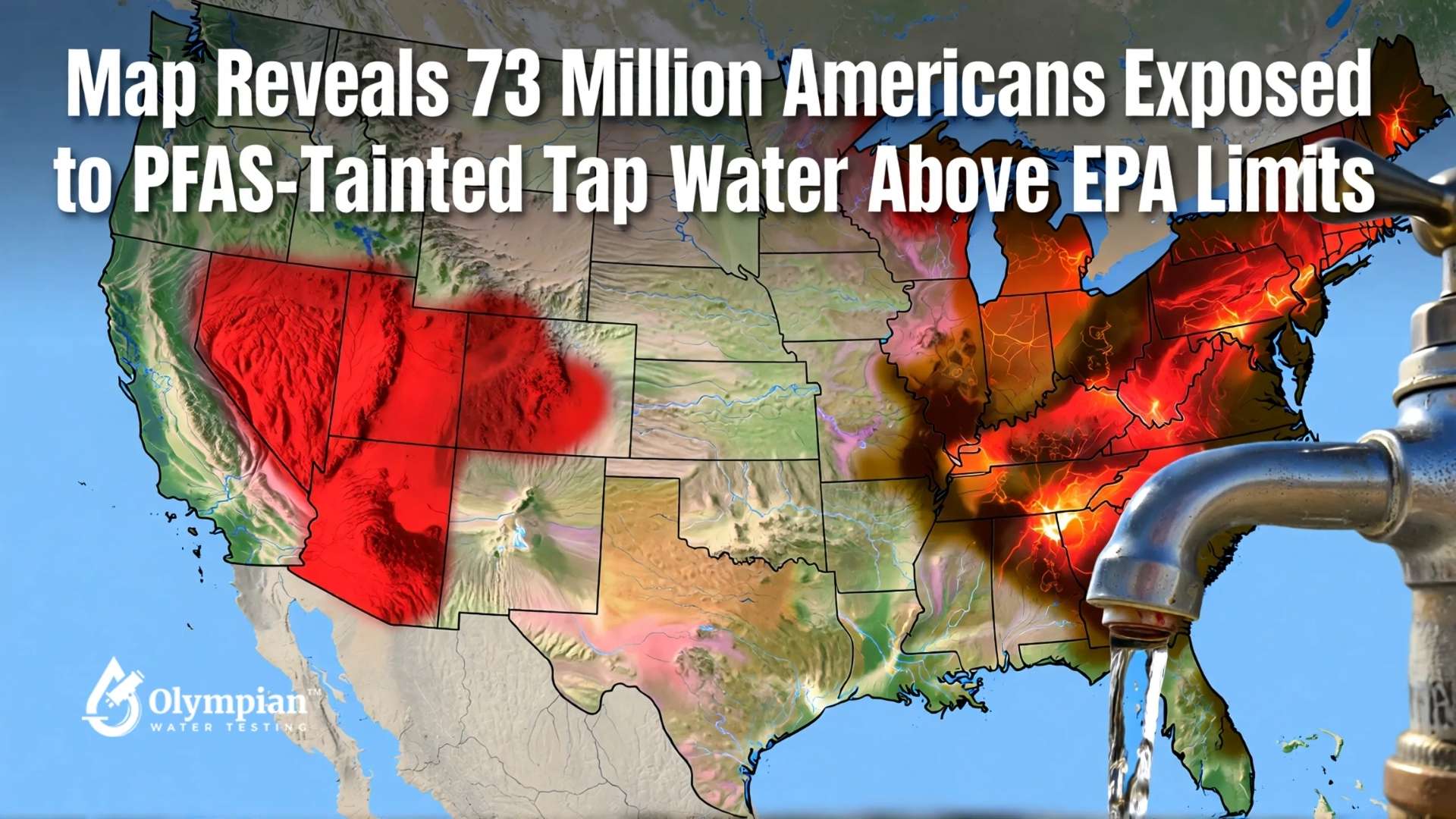
PFAS, commonly used in nonstick cookware, waterproof clothing, and firefighting foams, are persistent in the environment and do not break down naturally. The Environmental Protection Agency introduced new regulations last year to curb PFAS levels in drinking water, but the study suggests that these chemicals remain a significant challenge for water treatment facilities. Researchers found that about 50 percent of the country’s drinking water supplies are downstream of one or more wastewater sites, and their modeling estimates suggest that up to 23 million Americans are currently exposed to PFAS-contaminated drinking water.
The findings highlight growing concerns about wastewater reuse in regions where freshwater resources are scarce. As more municipalities turn to treated wastewater to supplement drinking water supplies, the inability to effectively remove PFAS presents a significant public health risk. Experts warn that without improvements in treatment technology, communities relying on recycled water may face prolonged exposure to potentially hazardous chemicals.
Adding to the concern is the widespread use of biosolids, the sludge left over from wastewater treatment, as fertilizer on agricultural lands. PFAS contamination in these biosolids has the potential to leach into soil and crops, further expanding exposure pathways. This issue has sparked calls for stricter regulations on industrial discharges and additional measures to monitor and reduce PFAS levels in the environment.
Public health officials and environmental advocates are urging the federal government to take more aggressive action to address the growing PFAS crisis. They argue that the current approach, which focuses on downstream treatment rather than preventing PFAS from entering the water supply in the first place, is insufficient. Water utilities are also facing mounting pressure to invest in advanced filtration technologies, such as granular activated carbon and reverse osmosis, which have shown promise in removing PFAS but come with significant costs.
Despite these challenges, researchers remain hopeful that increased awareness and regulatory action can help mitigate the risks posed by PFAS contamination. The study emphasizes the importance of continued monitoring, public transparency, and investment in sustainable water treatment solutions to ensure safe drinking water for all Americans.
Share this on social media: