Understanding the Context of the EPA’s Decision
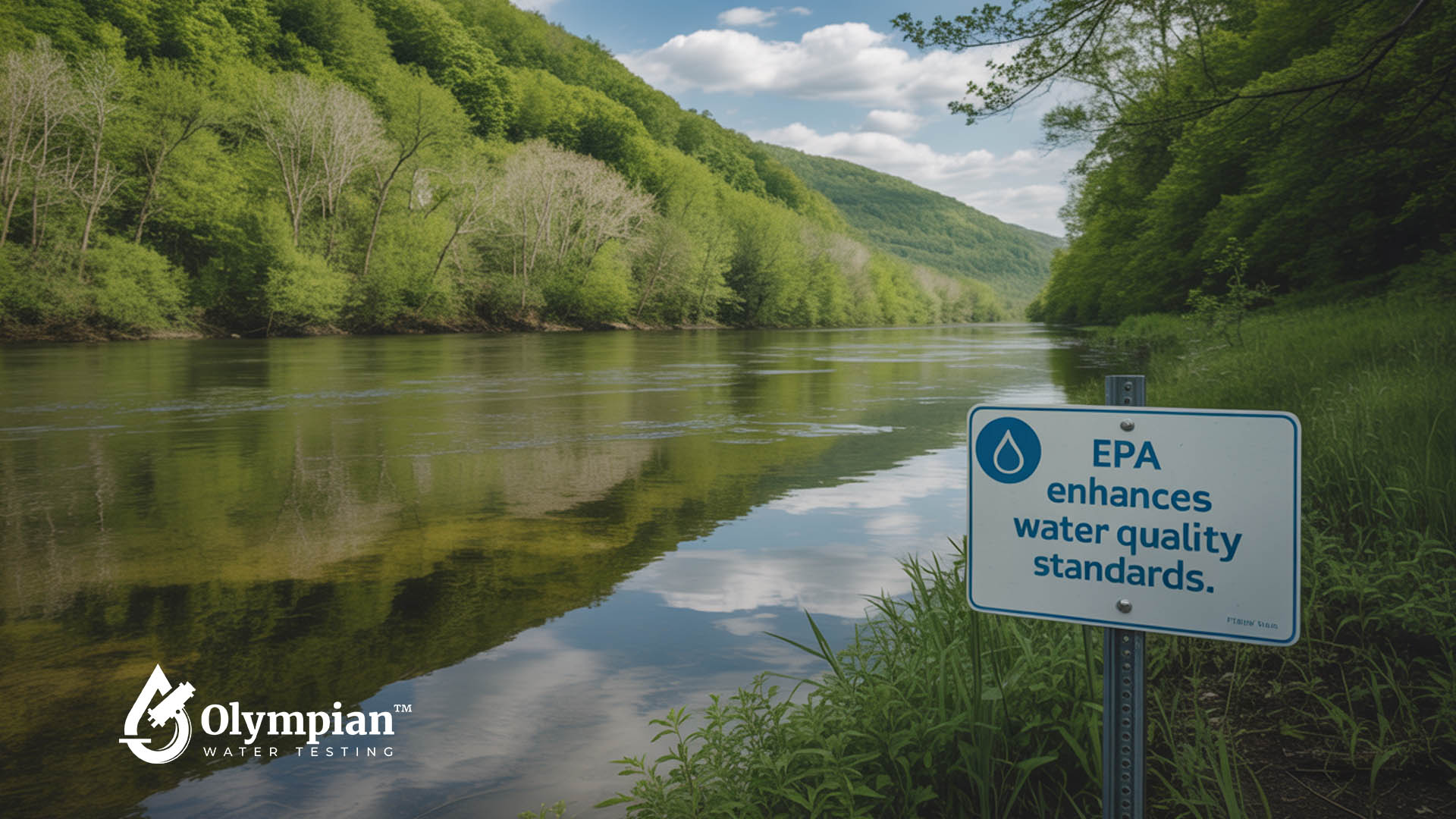
Communities near the Delaware Estuary have long battled issues stemming from heavy river traffic and industrial expansion. Public and legal pressures mounted, compelling officials to tackle pollution. This included neglected areas around Philadelphia and Wilmington. The Clean Water Act’s federal commitments led to increased oversight, prompting the EPA to enhance its strategies.
Key factors included:
- Ongoing health risks from contaminated water
- Demands for tougher Environmental Policy measures
- Growing evidence of harm to ecosystems
Environmental groups were instrumental in pushing for stricter standards. Their efforts aimed at improving health outcomes for both communities and wildlife. The EPA’s initiative is a testament to the collaboration between federal, state, and local leaders. It highlights the imperative for cleaner waterways and effective protection strategies.
Regulatory Benchmarks and Their Significance
The latest Regulatory Updates introduce a new era of shared responsibility for the Delaware River. Federal guidelines now set clear Water Quality Benchmarks, aligning with modern ecological goals. This shift highlights the importance of aquatic life, bridging political divides and promoting unity.
State-Level Coordination

Pennsylvania, New Jersey, and Delaware collaborate under the Delaware River Basin Commission. They monitor their river sections, then merge data for joint pollution strategies. State agencies compare these findings, proposing solutions that meet both human and wildlife needs.
Comparisons to Previous Standards
Older guidelines lacked the protection needed for aquatic habitats. The new Water Quality Benchmarks, based on extensive research and updated data, fill these gaps. These changes have led to significant improvements in dissolved oxygen levels, showing a stronger commitment to ecosystem health.
Water Quality in the Delaware River
The Delaware River is facing significant challenges, mainly in urban areas near Philadelphia and Wilmington. Observations have shown ammonia discharges leading to lower Dissolved Oxygen Levels. This poses a threat to aquatic habitats. The Delaware River Basin Commission’s research indicates that these conditions harm fish populations, which depend on balanced oxygen levels to survive.
Key Indicators of Pollution

River Pollution Indicators include excessive nutrients, elevated bacteria, and chemical waste. Elevated ammonia disrupts marine life cycles, while nutrient buildups influence algal growth. State agencies compare these elements over time to reveal persistent problem areas.
Data Collection Methodologies
Environmental Monitoring efforts involve field samples, laboratory testing, and satellite imagery. Specialists measure parameters such as pH and oxygen saturation to assess river conditions. Partnerships with universities help refine data accuracy. Each finding guides future policy decisions aimed at preserving water quality.
Effects on Local Communities and Health
Families in the Delaware River valley rely heavily on local waters for food and leisure. The rise in pollution has raised concerns about Safe Recreation, prompting restrictions on fishing and swimming. The decrease in oxygen levels has also led to a scarcity of fish, affecting certain species.
This pollution poses a significant Public Health Impact. Residents who depend on these waters for food may face nutritional risks if the quality drops. Medical experts fear that exposure to contaminated water could escalate healthcare costs.
Reducing pollution can enhance Community Well-Being. Improved conditions support healthier habits and boost peace of mind. The Environmental Protection Agency’s stricter standards aim to tackle these issues. Ongoing efforts can lead to a cleaner environment, lower healthcare expenses, and boost tourism.
“Clean water is our shared responsibility, essential for present and future generations,” said the Centers for Disease Control and Prevention in a recent statement.
Economic Implications for the Region
Cleaner waterways can significantly boost the local economy. Studies show that better water quality leads to healthier fish populations. This, in turn, attracts more outdoor enthusiasts, creating a surge in demand for river-based activities.
As a result, the region sees a rise in opportunities for new businesses and increased revenue. This growth is a testament to the power of environmental stewardship in economic development.

Tourism and Recreation Outlook
Travelers often choose destinations known for their natural beauty and unique activities. With cleaner water, these areas become more appealing. Families and anglers flock to enjoy recreational fishing, boating, and nature trails.
This influx of visitors leads to increased spending on lodging, dining, and guided tours. Such activities are key to strengthening the local economy, creating a ripple effect of prosperity.
Potential Impact on Local Businesses
Businesses catering to river enthusiasts see significant gains when water quality is maintained. Angling supply shops, eco-focused travel agencies, and boat rental services experience a surge in demand. This growth allows them to expand their offerings and hire more staff.
Such expansion not only boosts local commerce but also fosters a more resilient business network. It’s a clear example of how environmental conservation can drive economic growth.
Potential Benefit | Possible Outcome | Relevant Sector |
Increased visitor spending | Higher sales for shops and hotels | Tourism Growth |
Stronger fish populations | More interest in recreational fishing | Outdoor Sports |
Enhanced water quality | Greater trust in local resources | Local Economy |
Collaborative Efforts Between Government Agencies
Agencies come together, pooling their expertise to uphold water quality standards. The Delaware River Basin Commission leads, backed by the EPA and local governments. Their collaboration is key for sharing data, securing funds, and enforcing rules. This partnership ensures that all regions work towards the common goal of pollution reduction.

"Coordinated action secures our waterways for future generations," said Gina McCarthy, former EPA Administrator.
Leaders from Pennsylvania, New Jersey, and Delaware work in sync. This unity boosts accountability and promotes a healthier river environment. Each participant contributes their knowledge and resources, leading to a proactive defense of water quality.
Regular compliance checks are conducted, promoting open reporting and quick action against pollution. This unity fosters confidence and strengthens public trust in the basin’s future.
Challenges in Implementation
New guidelines for water quality introduce a variety of obstacles that require concerted efforts. Authorities aim to safeguard public health while also alleviating financial burdens on communities.
Funding and Resource Allocation

Financial hurdles often hinder progress, mainly due to the high cost of necessary technology. The Philadelphia Water Department anticipates increased expenses if advanced ammonia controls are enforced. This study from this resource indicates that strategic planning could mitigate unforeseen costs.
- Grants for smaller municipalities
- Partnerships that share expertise and reduce expenses
Technical and Logistical Barriers

Infrastructure challenges emerge due to the complexity of city layouts for new installations. Upgrading wastewater treatment in older systems necessitates meticulous engineering and thorough testing to meet stringent standards. Effective planning and a skilled team can facilitate each step, leading to improved outcomes without overwhelming consumers.
The Importance of Public Awareness
Local advocacy groups, such as the Delaware Riverkeeper Network, urge residents to grasp the impact of water quality on health and leisure. Their work thrives on Community Engagement, spreading knowledge and fostering trust in neighborhoods. An educated populace often supports river-friendly actions, like proper waste management and the use of agricultural runoff solutions.

Public Education initiatives are key in raising awareness. Environmental groups collaborate with schools and community centers to host workshops and clean-up events. This hands-on approach deepens understanding of water resources, encouraging Environmental Stewardship among families and local leaders.
- Gather data on pollutants and share findings with the public
- Support volunteer monitoring efforts near the Delaware River
- Encourage corporate sponsorship for river restoration
Many citizens find new ways to contribute by exploring resources on raising awareness about water quality. These efforts embody a dedication to Community Engagement and Environmental Stewardship. They ensure residents are active in making the Delaware River healthier. Broad Public Education fosters lasting support, bolstering policies that protect both people and nature.
Monitoring and Enforcement Strategies
Agencies aim for strict Regulatory Compliance to safeguard the Delaware River. They focus on high-risk discharges through record reviews and sampling. This method keeps pollution under control and promotes transparent reporting.
Regular Water Quality Inspections help spot contamination early. These inspections ensure each site adheres to new standards. Continuous Regulatory Compliance checks lower the risk of repeated violations, protecting public health.

Inspections and Follow-Up Actions
Teams collect samples during scheduled visits, examining various factors. If anomalies are found, more Water Quality Inspections are conducted. This leads to quick fixes. Clear guidelines help identify and address violations.
Role of Local Authorities
Local units receive training to enforce Enforcement Procedures locally. They review compliance records, investigate resident reports, and collaborate with the EPA. This teamwork ensures the Delaware River’s protection for generations to come.
Predicted Long-Term Benefits
The EPA’s updated standards aim to enhance fish populations and foster balanced aquatic habitats. Experts from the Delaware Riverkeeper Network anticipate a vibrant cycle of biodiversity. This will nurture trout, sturgeon, and numerous other species in these waters. Cleaner conditions also open up new recreational opportunities, boosting local tourism.
These stronger protections pave the way for Sustainable Ecosystems that adapt to environmental changes. They also lay the groundwork for Future-Proofing local industries. This ensures public health by reducing pollution-related risks through cleaner drinking water sources. The revitalized river banks offer hope for lasting River Restoration, inspiring others to pursue ecological success.

Local economies could see growth from visitors drawn to safe swimming spots, scenic views, and abundant wildlife. These enhancements foster community trust. They also serve as a model for federal and state agencies looking to make similar improvements elsewhere.
Benefit | Projected Impact | Timeframe |
Healthier Fish Stocks | Stable breeding cycles | Ongoing |
Better Recreational Access | Rise in regional tourism | Within a few years |
Stronger Community Well-Being | Reduction in pollution effects | Long term |
Where These Standards Fit into the Bigger Picture
The updated water quality measures link local ambitions to wider environmental goals. Initiatives like the America the Beautiful Challenge showcase how communities can nurture healthy watersheds. This effort enhances Climate Resilience, ensuring that future changes in precipitation or sea levels will have less effect on aquatic habitats.
The EPA’s Powering the Great American Comeback Initiative emphasizes the importance of sustainable water management. State-level improvements also meet parts of the National Environmental Policy concerning clean water. These efforts benefit public health and wildlife, setting a precedent for other areas to follow.
Climate Change Considerations
Temperature and storm frequency changes demand adaptable strategies. These standards embody a broader plan for balanced water use. They aim to keep rivers stable and enhance Ecosystem Adaptation at every step.
Federal Policy Alignment
Regulations in the Delaware River now align with national efforts to preserve natural resources. This approach ensures ecological balance and strengthens protection measures expected across many regions.
Looking Ahead for the Delaware River
The agency’s upcoming notice to the U.S. District Court for the Eastern District of Pennsylvania signals a meaningful change. It sets new benchmarks that will guide efforts in Delaware, Pennsylvania, and New Jersey.
This Policy Evolution reflects a focus on methods that keep aquatic habitats healthy. Water treatment facilities could see better technology, and local communities may benefit from more vibrant fish populations. This momentum feeds hope for a brighter Environmental Outlook, where families count on safe water for recreation.
Future Developments include further studies and joint projects. Groups that advocate for rivers are eager to support research and funding. Each small milestone benefits the region by safeguarding a shared natural resource. These steps highlight a growing promise that the Delaware River will serve generations, embodying the goals of ongoing stewardship and dedication to public well-being.