What Are PFAS and Why They Matter
PFAS, or Per- and Polyfluoroalkyl Substances, are synthetic compounds found in various products. These include nonstick cookware, stain-resistant fabrics, and firefighting foam. Known as Forever Chemicals, they persist in the environment due to their non-degradable nature. Major manufacturers like 3M and DuPont have been producing these substances for decades, leading to widespread contamination in water sources.
Research indicates that PFAS exposure can lead to health issues, including immune system problems. These substances can move through soil and groundwater, eventually reaching municipal water systems. They remain stable for long periods, causing ongoing public concern about their impact on communities.
The Environmental Protection Agency states, “These compounds are widely found throughout the environment, including in water, air, fish, and soil.”

PFAS are notorious for the dangers they pose with prolonged exposure. Studies have linked them to elevated cholesterol levels and possible cancer risks. This highlights the need for stricter regulations to protect against Toxic Exposure in daily life. Their presence in food packaging, personal care products, and industrial sites emphasizes the urgency of addressing these issues.
The Current Federal Stance on PFAS Regulations
Recent decisions in Washington have set strict limits on certain PFAS chemicals. Officials are weighing how new standards align with EPA Regulations intended to protect public health. Businesses and water utilities express concern about the cost of system upgrades. They point to scientific uncertainty about some PFAS variants, which complicates any unified federal approach.
State agencies and community leaders share a common goal: maintain consistent rules that safeguard local water resources. Some groups are monitoring legal shifts that could influence Safe Drinking Water criteria. Shifting federal guidelines may affect how local governments address contamination and what options remain to finance necessary infrastructure.
Recent Legislative Changes
Lawmakers have introduced bills that clarify limits on PFOA and PFOS. These initiatives expand monitoring and call for a closer look at replacement compounds. Reports suggest a year of open hearings and public input could refine existing policies.

Ongoing Debates in Congress
Arguments continue about the scope of PFAS oversight. Certain representatives favor broader coverage, while others question the cost of nationwide enforcement. Lobbyists from the chemical industry seek flexibility, yet health agencies insist on proactive measures that address emerging risks.
Potential Rollbacks and Their Implications
This shift in policy could deepen concerns around long-term hazards tied to PFAS in local environments. Many worry that Federal Rollbacks might erode protective measures, making it easier for pollutants to slip through oversight. Stakeholders note that relaxed rules may undermine Water Quality Standards intended to shield both urban and rural communities from contaminated water supplies.
Impact on Drinking Water Standards
Regulatory changes place critical demands on infrastructure built to remove PFAS from municipal systems. Water Quality Standards depend on consistent monitoring and treatment protocols. If Federal Rollbacks ease these requirements, towns with limited resources might be unprepared for costly upgrades that safeguard public health. Military bases with known PFAS issues could face reduced cleanup obligations without firm directives from Washington.

“Heightened vigilance is key when chemical limits shift,” said Erik Olson, Senior Director for Health at the Natural Resources Defense Council. “Communities deserve continuous testing and transparency.”
Challenges to Public Health Agencies
Health departments often rely on federal benchmarks to guide local responses. Weakened guidelines may complicate efforts to track exposure levels, leading to confusion. State rules conflicting with national policies exacerbate these challenges. Staff and budget shortfalls grow more severe under uncertain standards. Federal Rollbacks risk spreading confusion among officials who strive to maintain clear protocols while managing public concerns.
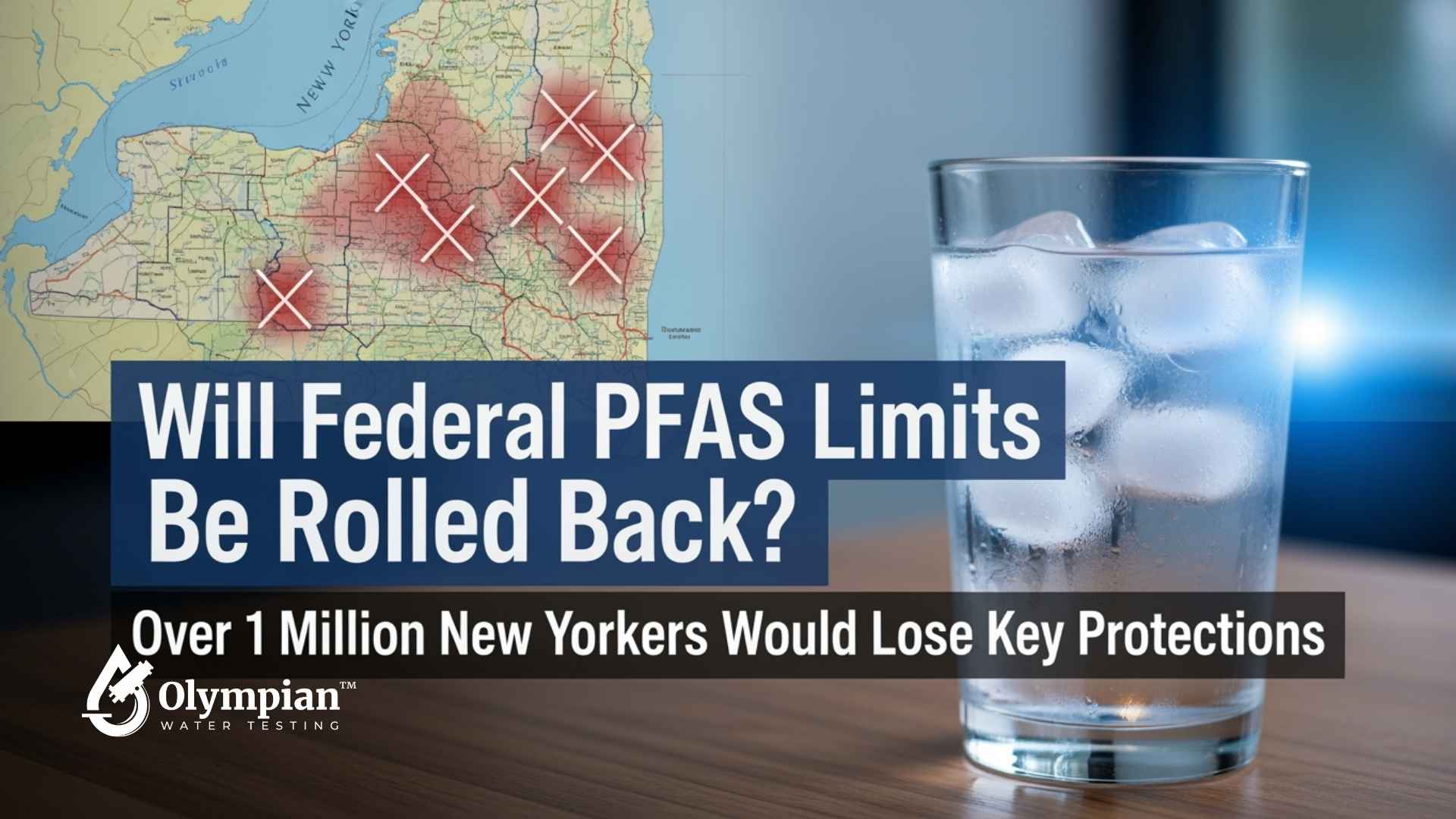
Why Are Over 1 Million New Yorkers at Risk?
Proposed changes to federal standards could weaken legal safeguards for people who rely on public systems. Many areas depend on New York Water Systems that detect PFAS Contamination above stricter federal limits but within more tolerant local thresholds. A rollback of tighter rules might undermine ongoing efforts to keep toxins in check.

Some communities face elevated exposure levels due to aging infrastructure and limited resources for regular testing. Large metropolitan regions and smaller towns rely on guidance from the Environmental Protection Agency to address contaminants that can accumulate in drinking water.
- Growing concerns from public health advocates about long-term effects on children
- Budget constraints that slow equipment upgrades
- Uncertainty in adjusting state policies if federal protections fade
Local leaders encourage proactive measures, though many residents worry that compromised standards will affect the quality of life for those who depend on these sources every day.
PFAS Contamination Hotspots Across the United States
PFAS pollution is widespread, affecting both urban and rural areas. Industrial sites, airports, and military bases are common sources of contamination. These areas often rely on PFAS-containing chemicals, leading to polluted soils and water. Remediation efforts vary by state, with progress hindered by budget constraints and outdated technology.
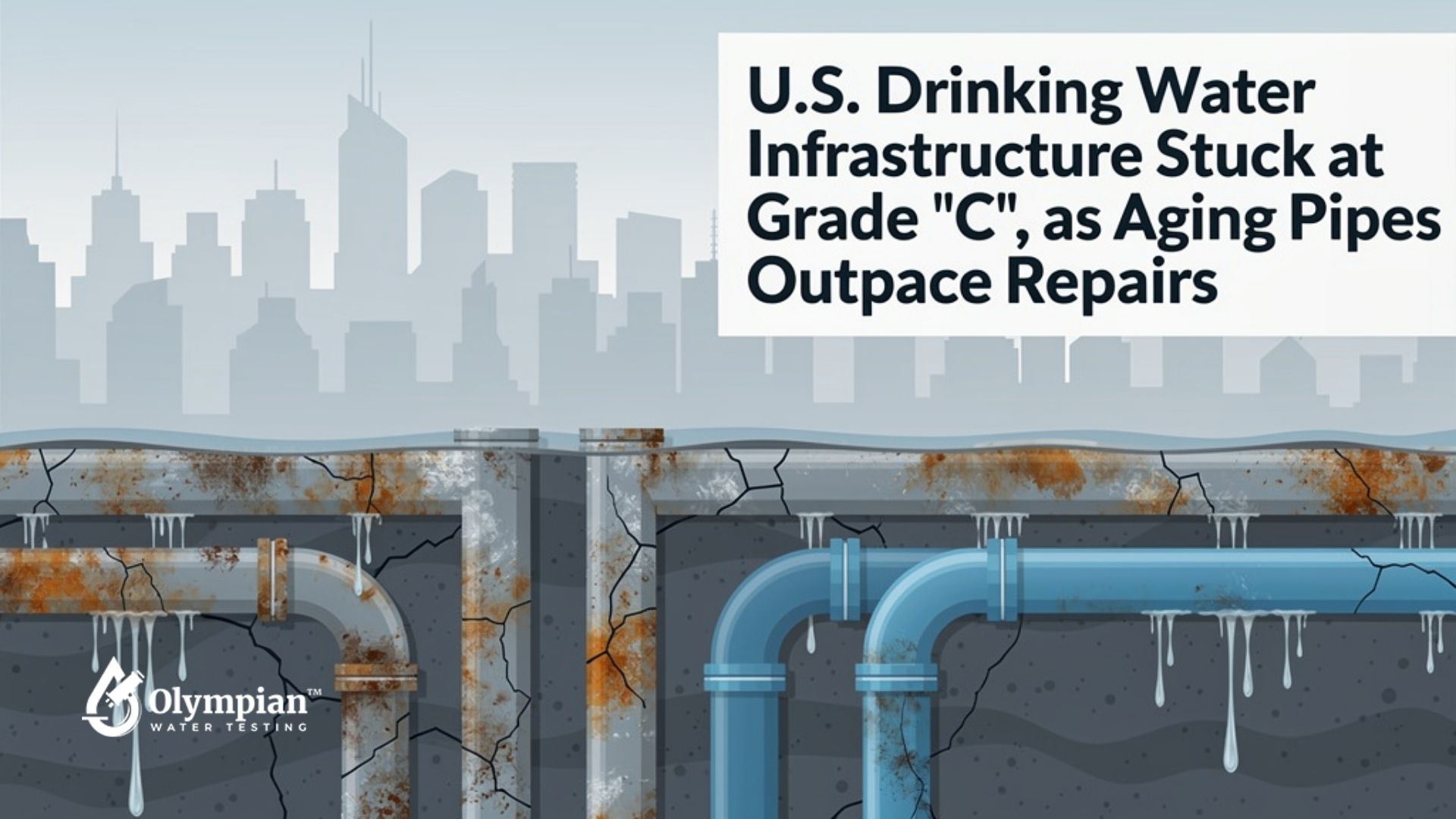
The nationwide PFAS issues are escalating, with research uncovering contamination beyond New York. States face challenges with aging infrastructure, legacy pollution, and limited water treatment options. This intensifies the strain on public utilities. Agencies are exploring innovative filtration methods to safeguard homeowners, but these efforts are often costly for local governments.
The table below offers a glimpse of some areas facing heightened concerns:
State | Location | Possible PFAS Source |
Michigan | Wurtsmith Air Force Base | Firefighting Foam |
Colorado | Peterson Space Force Base | Routine Military Use |
California | Industrial Park near Riverside | Manufacturing Waste |
Health Consequences Linked to PFAS Exposure
PFAS contaminants have raised global concern due to their possible link to severe health impacts. Experts suggest frequent contact with these chemicals may cause lasting immune system damage across generations. The Centers for Disease Control and Prevention‘s studies highlight connections to thyroid issues, high cholesterol, and developmental problems.
Communities with tainted water resources often face persistent health issues. Local doctors find it challenging to detect early signs of harm, leaving many vulnerable. Ongoing research aims to fully understand these conditions, paving the way for better prevention.

Long-term Effects on Communities
Farms and homes near industrial sites face increased risks. Soil and groundwater contamination burden already strained health services. Residents may suffer from chronic organ stress, adding to economic and emotional burdens on families. Public awareness campaigns stress the importance of family and community well-being, calling for collective action.
Initiatives to Safeguard Vulnerable Groups
State agencies and nonprofits work together on targeted programs to reduce lifelong risks. Some initiatives include:
- Expanding access to advanced water filtration systems in low-income areas
- Providing evidence-based guidance for pregnant individuals and children
- Offering grants to medical institutions for ongoing PFAS research
Legal Battles and Ongoing Lawsuits
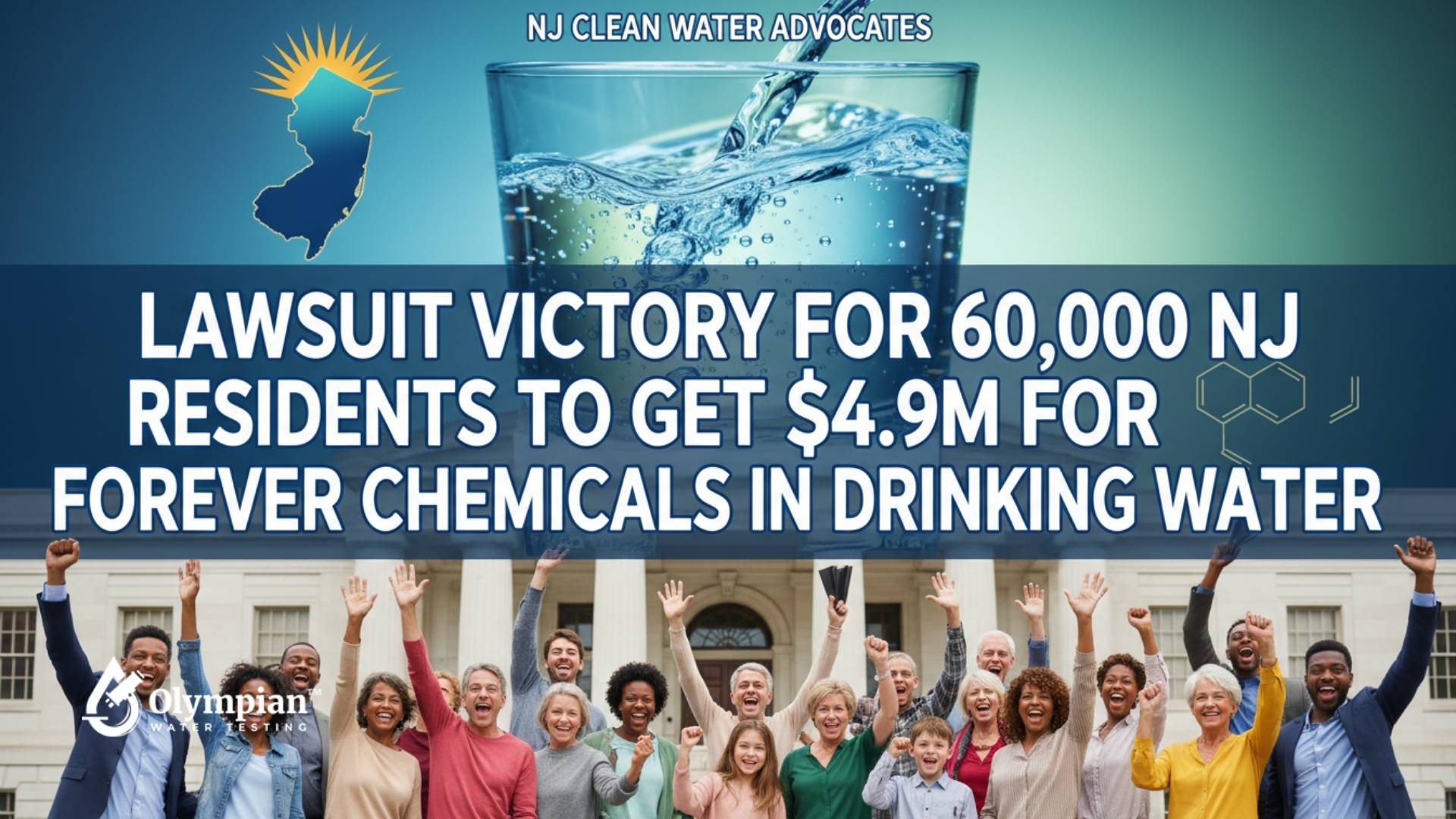
Public concern over PFAS Lawsuits has surged, focusing on landmark decisions that have reshaped water safety obligations and corporate accountability. Multiple jurisdictions have seen critical legal actions, prompting a rise in Environmental Advocacy efforts to enhance oversight. Judges have underscored the duty of chemical manufacturers, pointing to research on contamination risks and health impacts.

Case Studies That Shaped PFAS Policy
Some of the most impactful lawsuits emerged in communities where families affected by PFAS sought compensation for medical expenses and property value loss. They presented evidence linking specific chemicals to immune system disorders and thyroid dysfunction. The outcomes of these cases have prompted states to refine PFAS guidelines, leading to legislative reforms aimed at protecting natural resources.
Key Stakeholders in the Legal Arena
Lawmakers, public health agencies, and private companies are often at the forefront of disputes. Environmental Advocacy groups push for stricter regulations through public awareness campaigns, spanning federal and state levels. On the other side, the chemical industry argues about production costs and commercial necessities, creating a complex legal landscape.
Case | Year | Significance |
DuPont Settlement | 2017 | Prompted stricter chemical disclosure |
3M Litigation | 2020 | Bolstered public health protections |
State vs. Federal Regulations: A Growing Divide
States are setting their own rules for per- and polyfluoroalkyl substances, often stricter than federal guidelines. This creates Regulatory Discrepancies and leaves water utilities in a bind. The process of establishing State-Level Standards often involves scientific studies. These studies suggest stricter targets than federal authorities recommend.
Public health agencies closely monitor these changes. They are concerned because relaxing nationwide thresholds can weaken protections in areas that rely on higher benchmarks.
Some states, like California and New Jersey, have introduced their own legal frameworks. Others stick to federal guidelines. This mismatch stems from several factors:
- Local research that suggests more caution in chemical management
- Legislative priorities shaped by grassroots concerns
- Financial constraints on maintaining strict testing and treatment protocols
This uneven approach sparks debate on the best path forward. Uniform oversight could balance economic realities with better health outcomes. Communities are left to navigate a patchwork of rules, which may change if federal standards are relaxed.
Industry Perspectives on PFAS Restrictions
Many companies view these regulations as a complex challenge. They advocate for standards that align with current Chemical Industry Viewpoints on essential materials and processes. At the same time, they emphasize the importance of resource protection within the confines of tight production schedules.
“PFAS chemicals are key to modern manufacturing,” declared the American Chemistry Council. “Firms rely on them for fire-resistant textiles, electronics, and many critical goods.”
Arguments for Looser Regulations
Supporters of less stringent rules highlight the benefits of increased efficiency and flexibility. They argue that overly restrictive measures could hinder broader operational objectives. They propose that more lenient regulations could enable industries to stay competitive without overwhelming the public.
Financial Implications for Businesses
Stricter regulations often necessitate the adoption of new treatment systems and training programs. This escalation in Business Costs can impact growth and job stability. Companies are using resources like this regulatory overview to assess the financial implications of tighter rules. The threat of severe penalties for noncompliance also prompts firms to reassess their spending priorities. Despite these challenges, many are exploring investments in cleaner technologies that meet Chemical Industry Viewpoints while managing Business Costs.

Understanding the Role of Public Opinion
Vocal communities have significantly influenced decisions at both state and federal levels. They have brought health and environmental concerns to the forefront. Media outlets, such as The New York Times, have played a key role in amplifying these local issues. This has led to a push for stricter regulations.
Public awareness increases when people come together, sharing their experiences with PFAS threats. Civic groups launch campaigns to highlight the need for protective policies. Many have reached out to the Environmental Protection Agency, demanding stricter enforcement. The following points illustrate the power of public engagement:
- Encourages transparent dialogue between policymakers and citizens
- Establishes trust through open forums and community meetings
- Strengthens calls for rigorous testing and protective standards
Strategy | Outcome |
Local Petitions | Inspires policy analysts to investigate contamination sites |
Public Rallies | Amplifies media coverage of health concerns |
Town Hall Meetings | Bridges communication between lawmakers and affected families |
Recent News Highlights on PFAS Controversies
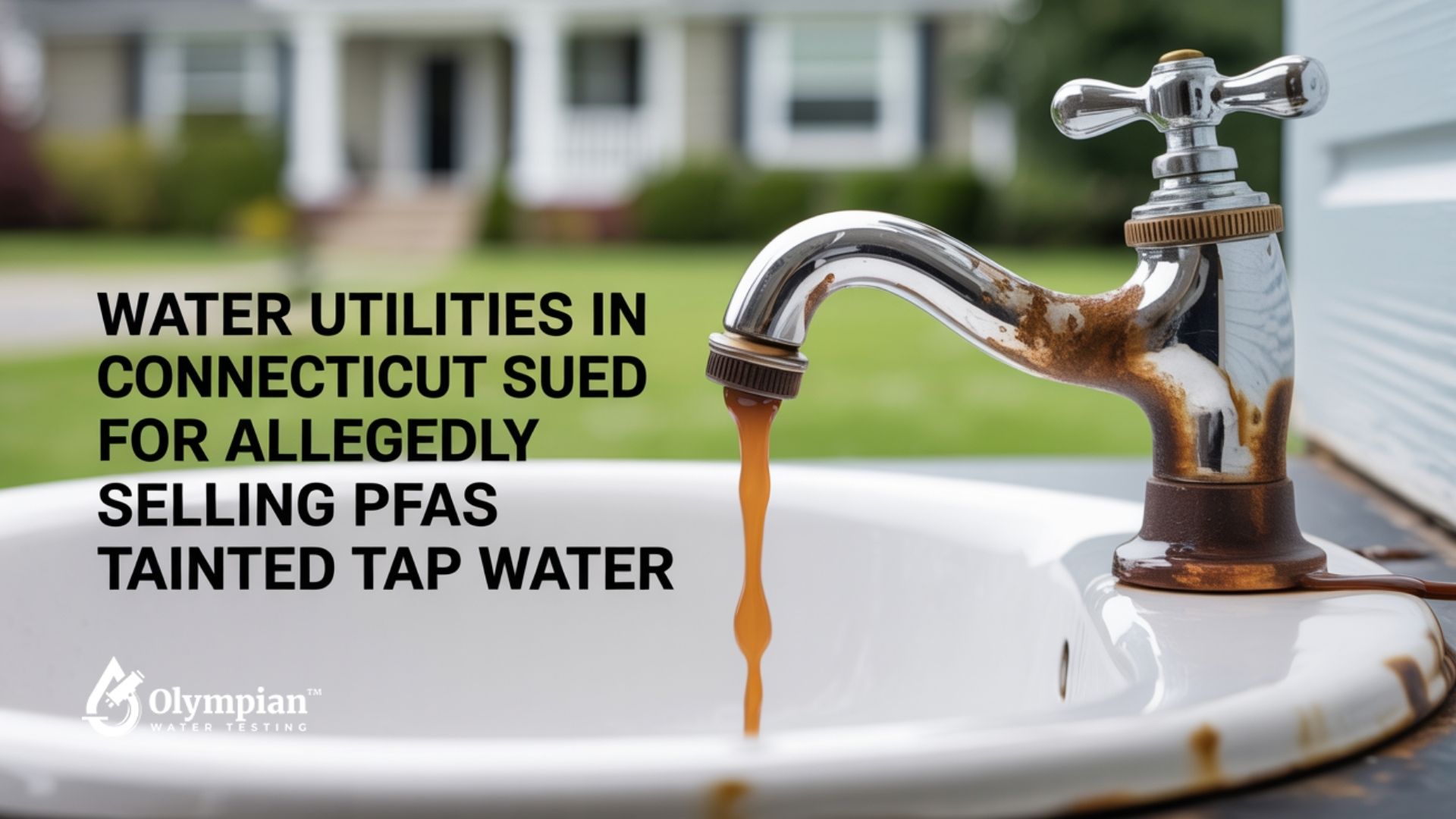
Across the nation, a shift in views on PFAS News Updates is evident. Critics argue that Trump-era policies might weaken federal protections in several domains. This has led to confusion among local agencies, who question the current standards’ effectiveness due to unclear legislation.
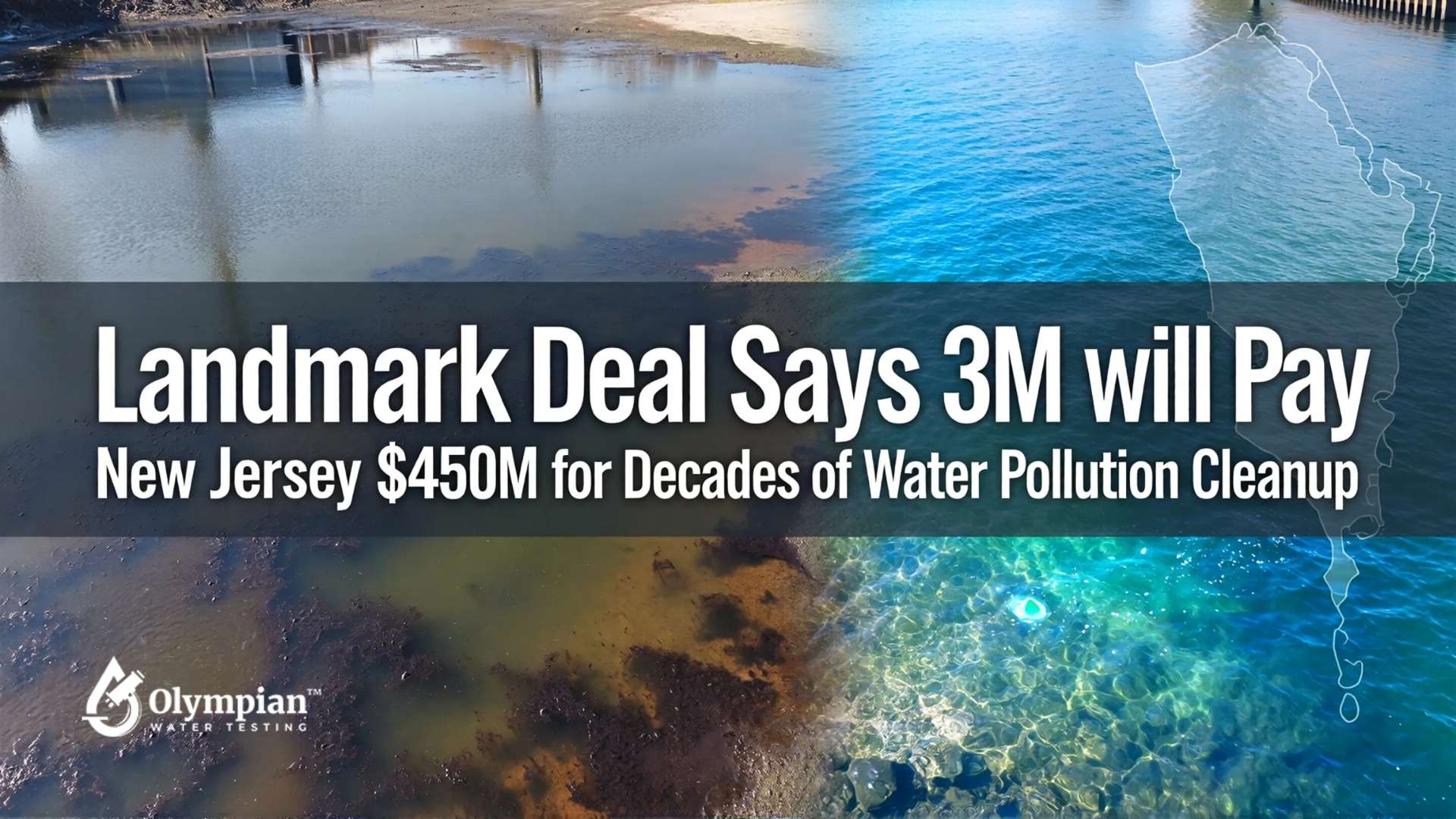
Major chemical companies, such as 3M and DuPont, are facing numerous lawsuits over contamination allegations. The ongoing debate on water treatment priorities and funding allocations is fueled by these policy shifts. Environmental groups are advocating for stricter regulations to safeguard communities. On the other hand, industry representatives are advocating for a more cautious approach.
- Federal guidelines vary, leaving states to set unique rules
- Court decisions trigger rapid adjustments in cleanup efforts
- Research adds urgency to calls for stricter oversight
Year | Key Development |
2020 | Federal proposals hinting at relaxed PFAS limits |
2021 | Growing legal battles targeting major chemical manufacturers |
2022 | Renewed appeals for consistent national safeguards |
Protective Actions Individuals Can Take
Across the nation, people are looking for ways to protect their drinking water. They are taking steps to mitigate health risks associated with environmental chemicals. This focus on Consumer Protection emphasizes personal choices that can enhance safety.
Filtering Water at Home

Many are recognizing the benefits of Home Water Filtration systems. Reverse osmosis units, like those from Culligan, effectively remove a wide array of contaminants. Activated carbon filters, from brands such as Brita and Berkey, also help reduce certain compounds. Regular replacement of filter cartridges is essential to maintain efficiency. These methods leverage proven technology to safeguard families and reduce exposure risks.
Staying Informed About Policy Changes
Citizens can gain valuable insights by following local and federal discussions. Municipal water agencies regularly post updates on health advisories. Engaging in public forums, reading news, and contacting elected officials can push for stricter Consumer Protection standards. Taking a proactive stance supports communities in their quest for balanced regulations.
- Read city water reports for current data
- Attend council meetings or town halls
- Encourage neighbors to stay alert
Filter Type | Key Benefit |
Reverse Osmosis | Targets a broad range of pollutants |
Activated Carbon | Reduces odors and specific chemicals |
A Look Ahead: The Future of PFAS Regulations
PFAS oversight is at a critical juncture. Federal lawmakers are set to introduce new measures that could drastically alter the monitoring of these chemicals across the country. Advocates for public health are sounding the alarm, fearing that any move towards less stringent standards could erode Environmental Protections. This is a particular concern for communities already dealing with tainted water.
Future Regulations could significantly impact testing methods and the funding for cleanup efforts. In states like New York, officials are pushing for aggressive measures to protect over one million residents from exposure risks. They argue that enforcing strict standards is a vital investment in the long-term health of communities. Experts also emphasize the need for continuous research into the health impacts of PFAS. Such studies are essential for developing effective strategies to protect water sources and ensure public safety.
The shared objective of residents, advocacy groups, and policymakers is to safeguard public health. Through their collective efforts, they aim to secure cleaner resources and hold accountable those responsible for PFAS contamination.