EPA Mandates Removal of PFAS ‘Forever Chemicals’ from U.S. Tap Water
Reading Time: 2 minutes
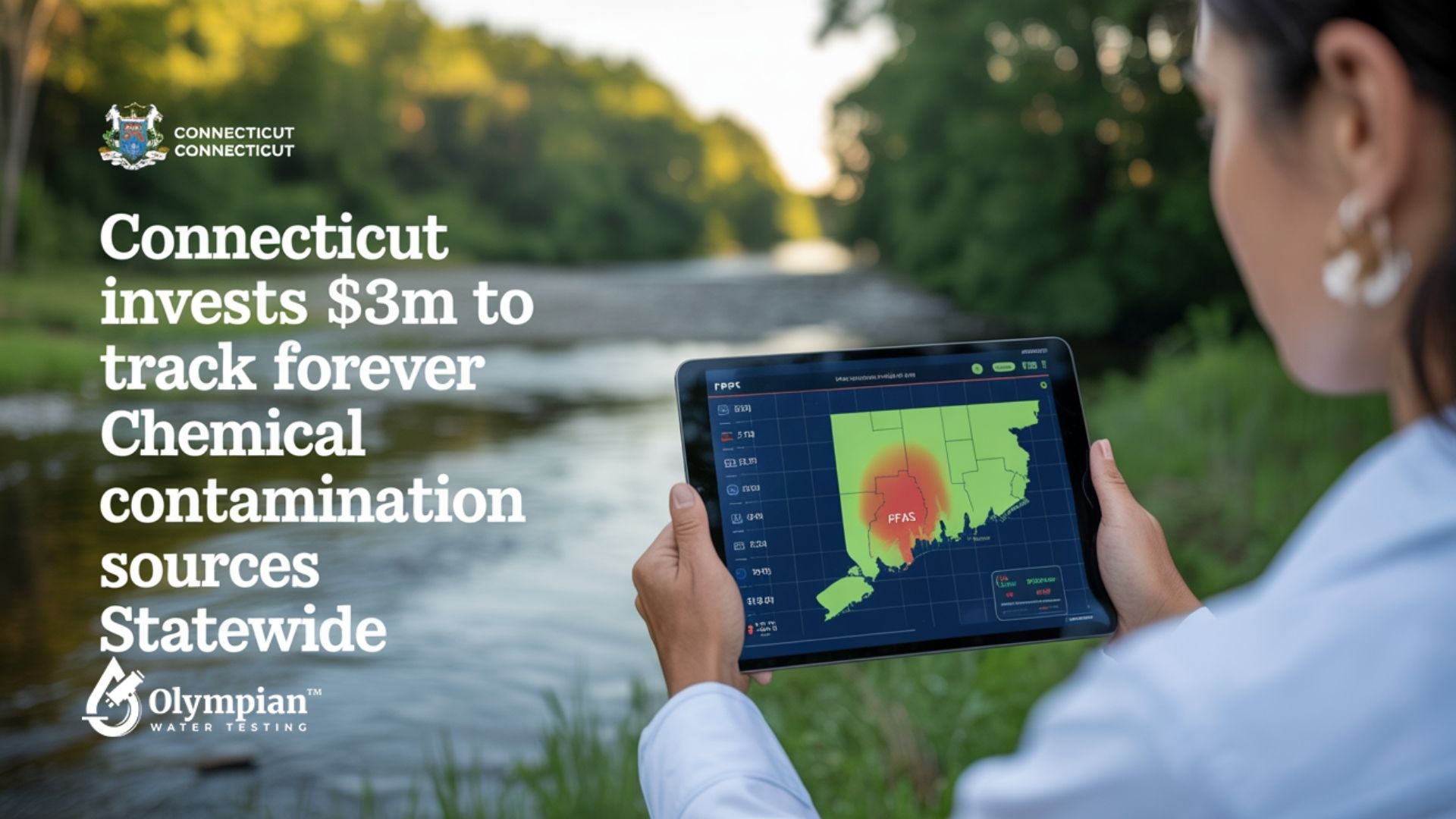
The Environmental Protection Agency (EPA) has implemented a groundbreaking regulation requiring municipal water systems across the United States to remove six harmful synthetic chemicals, known as PFAS, from tap water. These “forever chemicals,” found in a variety of everyday products, are linked to cancer, developmental delays, and other serious health problems. The new rule aims to drastically reduce their presence in drinking water to near-zero levels.
PFAS, or perfluoroalkyl and polyfluoroalkyl substances, have been used since the 1940s in products like nonstick pans, water-repellent fabrics, and firefighting foams. Due to their resistance to breaking down in the environment and the human body, they have accumulated in the blood of almost every American. Studies have linked PFAS exposure to a range of health issues, including prostate, kidney, and testicular cancers, as well as metabolic and reproductive disorders.

EPA Administrator Michael S. Regan called the new regulation “life-changing,” stating that it could prevent thousands of deaths and reduce serious illnesses. The new rule lowers the allowable concentration of PFAS in water to 4 parts per trillion, a significant reduction from the previous 70 parts per trillion limit. The EPA estimates that compliance with the rule will cost water utilities $1.5 billion annually, though industry experts argue the costs could be much higher.
Despite concerns over the financial burden, the 2021 bipartisan infrastructure law provides $9 billion to help communities address PFAS contamination, with $1 billion earmarked for testing and treatment. However, some industry executives worry that taxpayers will face increased water rates as utilities work to meet the new standards. Local officials, especially in smaller communities, have expressed concerns about how to fund the necessary filtration systems without sufficient federal support.
Public health advocates, however, argue that the costs are justified by the long-term benefits of cleaner water. The scientific evidence surrounding the dangers of PFAS exposure continues to grow, with studies linking it to more health issues than previously known. These include developmental delays, decreased bone density in teenagers, and an increased risk of Type 2 diabetes in women.
The EPA’s new regulation represents a major step forward in tackling the widespread presence of PFAS in drinking water. Water utilities have three years to begin monitoring for PFAS levels and two additional years to install necessary filtration equipment if contamination exceeds the new standards. Despite the challenges, the new rule is expected to significantly reduce health risks and ensure safer drinking water for millions of Americans.
Share this on social media: