Analyzing the New Study’s Findings
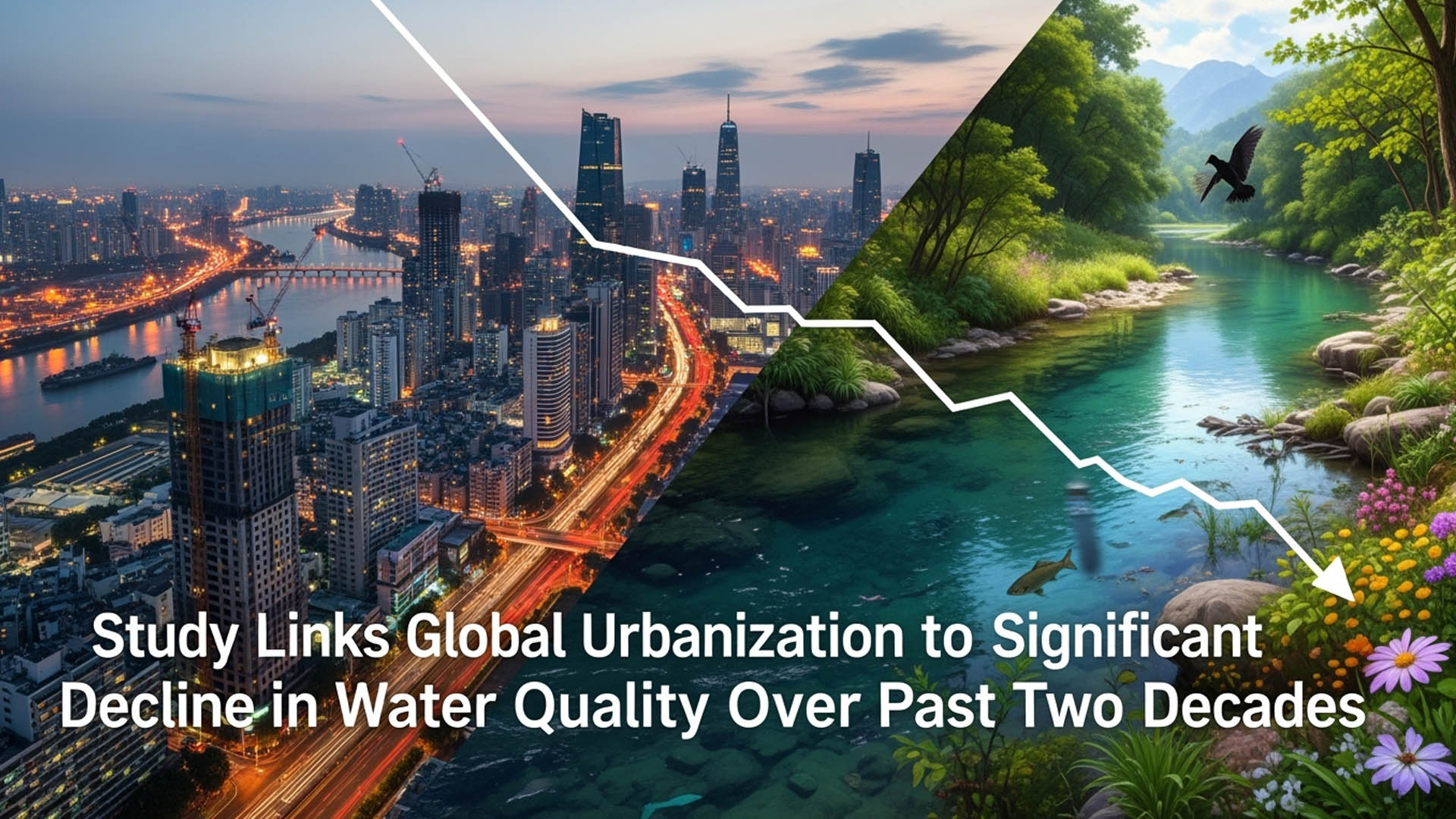
Researchers compiled a vast global dataset to uncover the impact of urban centers on pollution. They sifted through over 20,000 scientific papers, choosing 625 for a meta-analysis. The results highlighted ongoing threats from urban runoff in North America, Europe, and Asia.
They examined various water-quality indicators, including acidity, total phosphorus, total nitrogen, chemical oxygen demand, and heavy metals. A recent analysis of local waterways found that these pollutants increase with urban expansion.
Scope of the Data Collected
The study analyzed long-term records spanning two decades. It considered different city sizes and geographic conditions to grasp the effects of urban runoff on contamination. These insights highlight the challenges faced by both rapidly growing and established metropolitan areas.
Key Observations Over 20 Years
Data trends show a steady rise in pollutant levels, mirroring growth in housing, industry, and vehicle traffic. The increased presence of nutrients and metals is directly linked to city expansion. These findings underscore the ongoing threats to water health.
Water Quality and the Changing Urban Landscape
Urban areas grow rapidly, disrupting natural systems that once filtered water. Forests and wetlands, vital for water quality, are disappearing. This loss means more pollutants and nutrients reach lakes and rivers through runoff.

Studies show a rise in nitrogen and phosphorus, causing Eutrophication and harmful algal blooms. These blooms harm aquatic life by reducing oxygen levels. The situation worsens when industrial waste mixes with untreated sewage.
City planners and the U.S. Environmental Protection Agency push for better fertilizer management and infrastructure upgrades. Some cities create green spaces to absorb excess runoff. Others join voluntary cleanup efforts. These actions may help slow Eutrophication, but ongoing monitoring is essential to improve water quality standards.
Links Between Population Growth and Pollutant Concentrations
As urban populations swell, ecosystems face unprecedented stress. The influx of sewage and plastic waste into rivers and lakes accelerates. This is exacerbated by climate change impact, making many areas more susceptible to pollution.
Role of Rapid Urban Development
Construction activities disrupt soil, leading to increased sediment runoff. This reduces water clarity and harms aquatic life. The surge in housing, roads, and industrial sites overloads treatment plants. This situation is worsened by the inability to upgrade infrastructure quickly enough.

Patterns of Industrial Waste Disposal
Unchecked factory emissions intensify pollution in coastal and inland waters. Lack of regulation allows harmful substances to contaminate groundwater, posing health risks. Climate change impact worsens seasonal flooding, spreading pollutants further. Economic growth can bring prosperity but also increases pollution if infrastructure cannot adapt. It’s essential to manage hazardous waste at its source to mitigate ongoing environmental harm.
How Deteriorating Water Quality Affects Human Health
Contaminated drinking water poses significant risks to families and individuals reliant on wells or local treatment facilities. Heavy metals and pathogens often contaminate rivers and reservoirs. This leads to acute illnesses and chronic disorders. The impact is exacerbated in areas with limited healthcare capacity.
Children and those with weakened immune systems are more susceptible to bacterial and microscopic threats. They often require immediate medical attention when their bodies react poorly to toxins or microbial agents. In some U.S. regions, regular testing identifies hazardous contaminants in water used for daily needs.

Many communities depend on freshwater ecosystems for drinking and irrigation. When these ecosystems become polluted, residents face quality issues that threaten public health. Symptoms can vary from stomach discomfort to persistent fatigue.
“Safe water stands as a cornerstone for healthy living,” states the World Health Organization (WHO), highlighting the global necessity for clean resources.
High contamination levels can disrupt normal life patterns, leading to housing challenges and financial burdens for families. Continuous monitoring of water supplies is critical for reducing life-threatening conditions in vulnerable areas.
Impact on Aquatic Life and Biodiversity
The health of aquatic ecosystems relies on balanced oxygen levels, stable temperatures, and safe chemical compositions. Any disruption in these elements can severely impact feeding, breeding, and migration patterns of various species. Industrial pollution introduces toxic substances that damage coral reefs, harm shellfish, and decrease fish populations in coastal areas. This has a cascading effect on the food chain, affecting predators like seabirds and marine mammals.
Disruption of Marine Ecosystems
Toxic chemicals and heavy metals can impair the functioning of organisms, making them susceptible to disease. Coral reefs, when bleached, lose their critical shelter for small fish, affecting larger species. Reefs damaged by excessive nutrients or harmful runoffs struggle to recover.

Threats to Freshwater Habitats
Lakes and rivers face biodiversity challenges due to excessive nutrients causing algal blooms that deplete oxygen. Industrial pollution exacerbates this issue by introducing harmful residues into water sources. Changes in pH levels force sensitive species to migrate or perish, reducing breeding grounds for fish and amphibians. This can lead to the collapse of entire ecosystems.
The Policy Response in the United States
Federal, state, and local agencies continually update water regulations to protect both surface and underground water sources. They implement advanced permitting for industrial discharges, enforce stricter nutrient limits on farms, and invest in infrastructure upgrades. Groundwater depletion is a major concern, with agricultural runoff leading to increased nitrate levels.
Experts advocate for unified oversight across different government levels. The Government Accountability Office emphasizes the importance of adaptable policies that accommodate urban growth. States like California and Texas aim to balance economic development with water resource protection.

Efforts to combat groundwater depletion include the use of modern tracking tools and mandatory management plans. Municipalities enforce stricter waste disposal rules, and federal funds support rural areas dealing with well contamination. Leaders aim for more transparent reporting to build trust between regulators and the public.
- Upgraded permitting procedures for factory outputs
- Strengthened nutrient management programs on farms
- Increased allocations for drinking-water facility modernization
Policy Measure | Primary Goal | Result |
Stricter Nutrient Limits | Reduce Nitrate Run-Off | Improved Aquifer Protection |
Advanced Monitoring Tools | Track Water Levels | Better Data on Groundwater Depletion |
Enhanced Public Reporting | Increase Transparency | Greater Public Engagement |
Technological Innovations in Water Monitoring
Remote-sensing satellites from NASA and the European Space Agency scan lakes and rivers, capturing data that helps experts track pollution levels. Machine-learning models sort through these images, showing where environmental safeguards are making progress. These methods reveal areas that benefit from forest conservation, prompting local authorities to safeguard critical drainage basins.
On-site sensors now measure impurities in real time, cutting delays in detecting contaminants. Early warnings help residents protect their water sources, ensuring safety in rapidly growing regions.
Real-Time Data Collection Methods
Monitoring stations transmit continuous updates to central databases, flagging sudden chemical spikes. Alerts guide swift interventions, preventing severe ecological harm. The same networks often reflect where tighter forest conservation efforts can slow runoff and protect waterways.

Advanced Testing Equipment
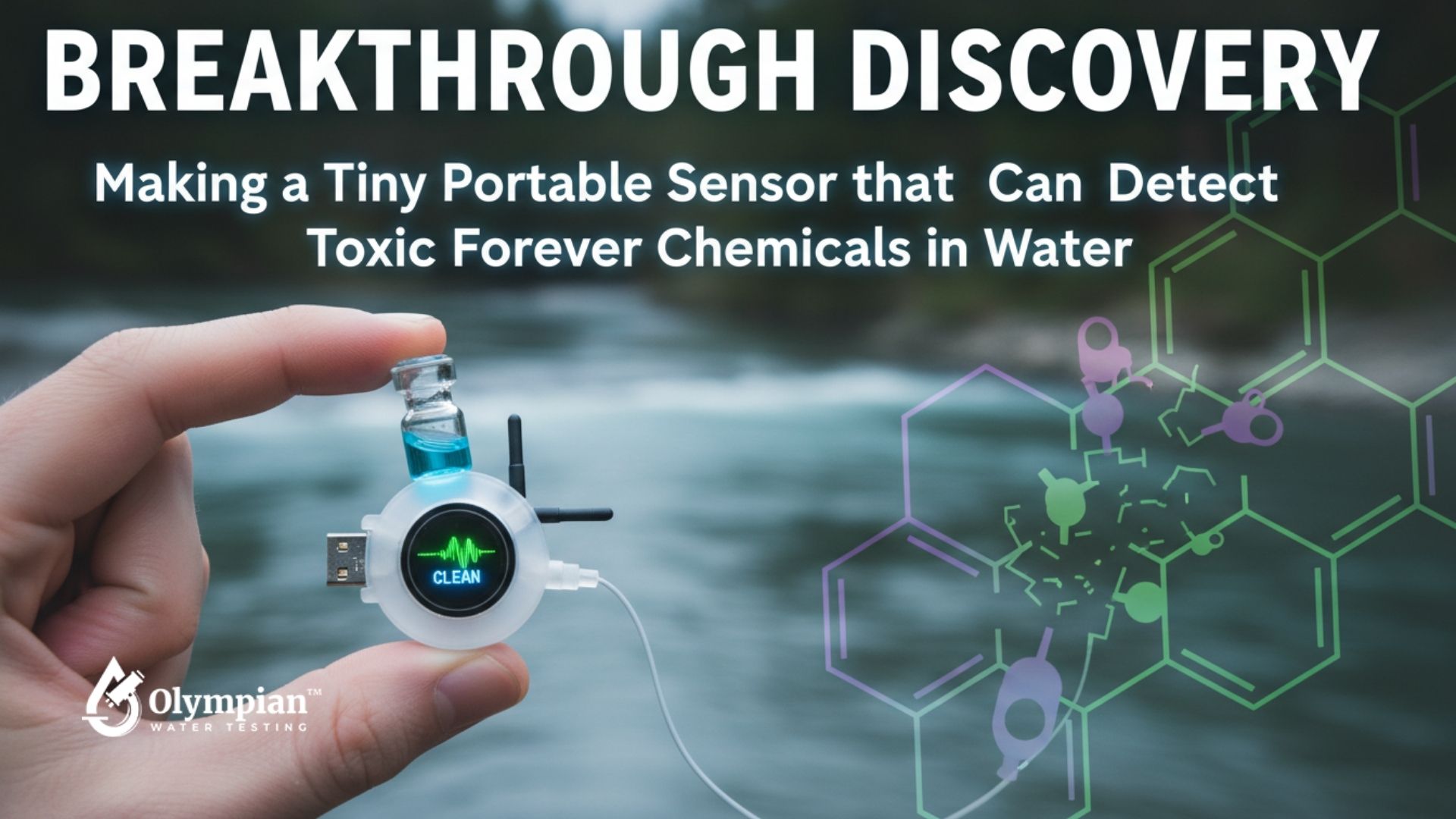
Innovations in field-ready kits allow fast detection of heavy metals and nitrates. Scientists rely on portable devices that connect to cloud platforms, letting them review detailed analytics on the spot. Such techniques illustrate how targeted protection of nearby forests may preserve water quality for future generations.
Funding and Infrastructure Challenges
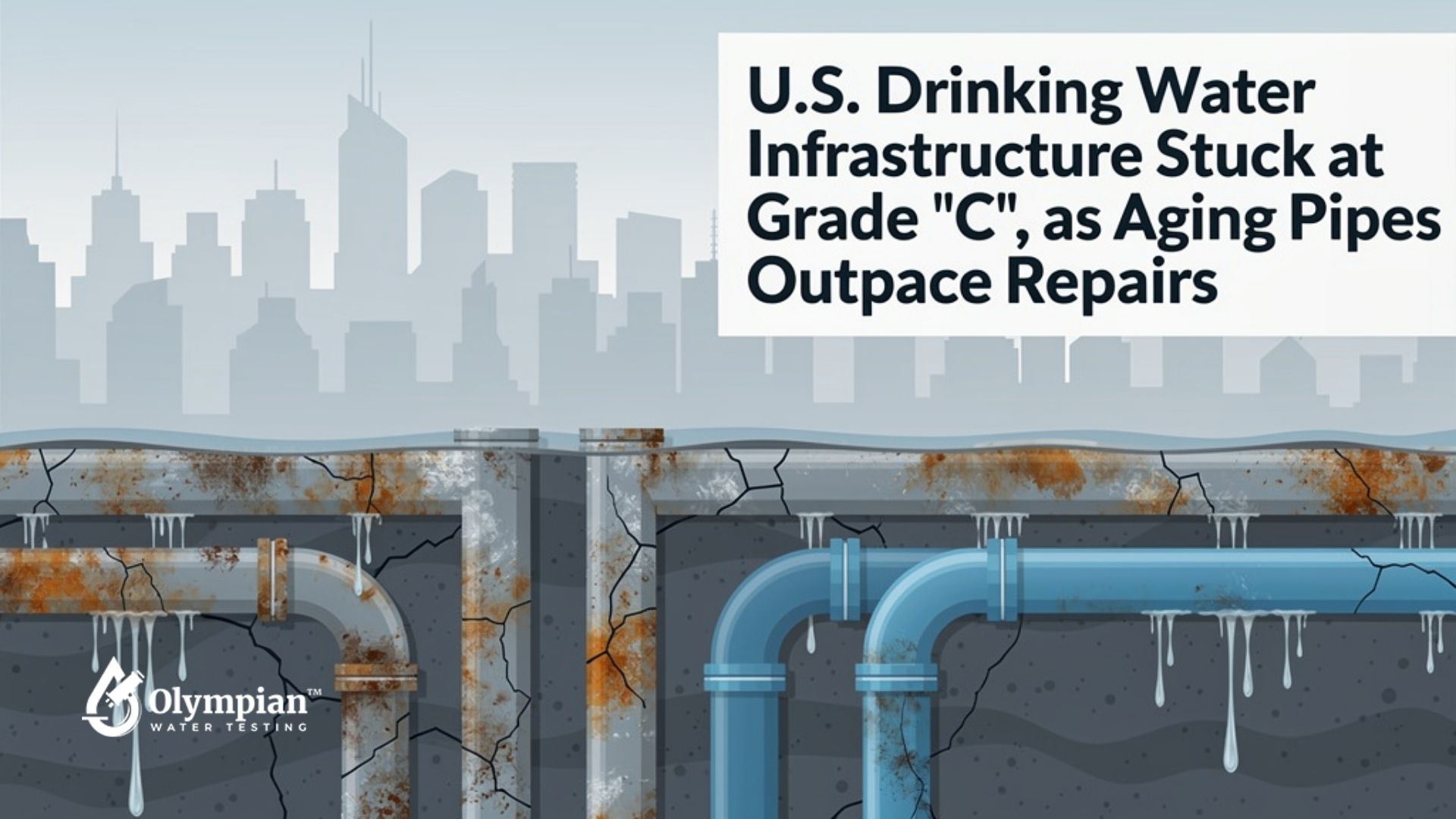
Communities face significant costs when upgrading their sewage systems and stormwater controls. Older treatment plants often lack the modern features needed to handle industrial waste or rapid population growth. Rural areas, with fewer tax resources, struggle to fund essential upgrades like stronger piping networks.
This funding gap hinders efforts to manage pollutants from urban sprawl and the strain on local water supplies. Public-private partnerships are being explored as a solution to share risks and lighten financial burdens. Municipalities are also seeking grants from the Environmental Protection Agency and the United States Department of Agriculture to bridge budget gaps.
These grants support facilities that treat water contaminated by agricultural runoff. New funding models help protect rivers and streams, safeguarding aquatic habitats and public health. Ongoing investments in infrastructure are critical for the well-being of current and future residents.
Importance of Public Awareness
Local communities play a key role in driving change by valuing shared water resources. Public meetings and data from the Environmental Protection Agency (EPA) build trust in local efforts. This connection motivates people to push for stricter policies and better standards.
Community Outreach Programs
Grassroots groups team up with national organizations for events that showcase local ecosystems. Volunteers clean up rivers or beaches and learn about sustainable water management. These events bring neighbors together, fostering new ideas for protecting waterways.
Consumer Behavior and Conservation
Our daily actions significantly affect water quality. By choosing drought-tolerant landscaping, we ease the strain on water supplies. Making simple changes, like reducing chemical fertilizer use, benefits wildlife and supports sustainable water management. This approach promotes long-term care for our water resources.
International Perspectives on the Issue
In many regions, water-quality challenges reflect diverse hurdles. Communities in Ladakh face pronounced depletion of groundwater, while parts of Africa and South America struggle with limited research on pollutant levels. Industrial areas create complex contamination, intensifying threats to local populations. Urban development can modify hydrological patterns, straining shared resources.
Some nations invest in advanced community-based solutions. Others restore wetlands or introduce cutting-edge water treatment systems.
"We must share insights to preserve water resources globally," said a UNESCO representative.
Projects that involve local residents and traditional know-how often bring lasting outcomes.
Global efforts benefit from stronger data collection and open collaboration. The long-term effects of chemical runoff and heavy extraction in developing markets reflect a growing concern. Urban development emerges as both a challenge and a chance for sustainable infrastructure. Coordinated policies and technical expertise may bridge gaps in water protection worldwide.
Predictions for Urban Expansion and Water Quality
Regions experiencing rapid growth are expected to transform landscapes with expanded housing and higher resource demands. This shift involves increased paving, heightened energy needs, and added pressure on water systems. Public health concerns may intensify when already-stressed pipelines and treatment facilities struggle to keep pace with rising consumption.
Forecasts highlight uneven infrastructure capacity in both large cities and smaller communities. Planners often rely on modern mapping tools to pinpoint areas at greatest risk. Strategic decisions, backed by environmental research, aim to protect waterways before further contamination occurs.
Modeling Future Development
Experts use satellite imaging and big data to anticipate where growth will cluster. These models consider population trends, industrial patterns, and land-use changes. Local governments examine these projections to set priorities for filtration upgrades and reservoir expansion. Ongoing vigilance helps detect trouble spots early.
Potential Impact of Climate Change

Long spells of drought can concentrate pollutants, while heavy rains sometimes overwhelm drains and levees. Public health concerns can spike when harmful runoff spills into drinking water sources. Adaptive measures, such as flood management plans, help communities brace for extreme weather.
Projected Population Growth | Expected Water Demand | Risk Level |
Small Urban Centers | Moderate Increase | Medium |
Large Megacities | Significant Spike | High |
Looking to a Sustainable Tomorrow
Efforts to safeguard water resources have intensified, driven by research and a commitment to community health. Lands previously dedicated to heavy industry have been transformed into green corridors. This shift replaces concrete with wetlands and permeable surfaces. New collaborations between government agencies and scientific teams aim to bridge data analysis with practical innovations.
Nature-based solutions are at the forefront of these initiatives. Expanding forest cover aids in filtering runoffs, while local wetland rehabilitation projects effectively manage pollutants. In the United States, leaders are investing in environmental policy solutions that balance economic development with responsible land use. This approach, combining policy with science, offers a beacon of hope for cleaner waterways. It also fosters a greater public understanding of how our daily actions impact water health for generations to come.