Understanding “Forever Chemicals” and Their Growing Presence
PFAS, known as forever chemicals, are synthetic compounds that defy natural degradation. Originating from industrial processes, they find their way into everyday products. Their lasting nature raises concerns about environmental and health impacts.
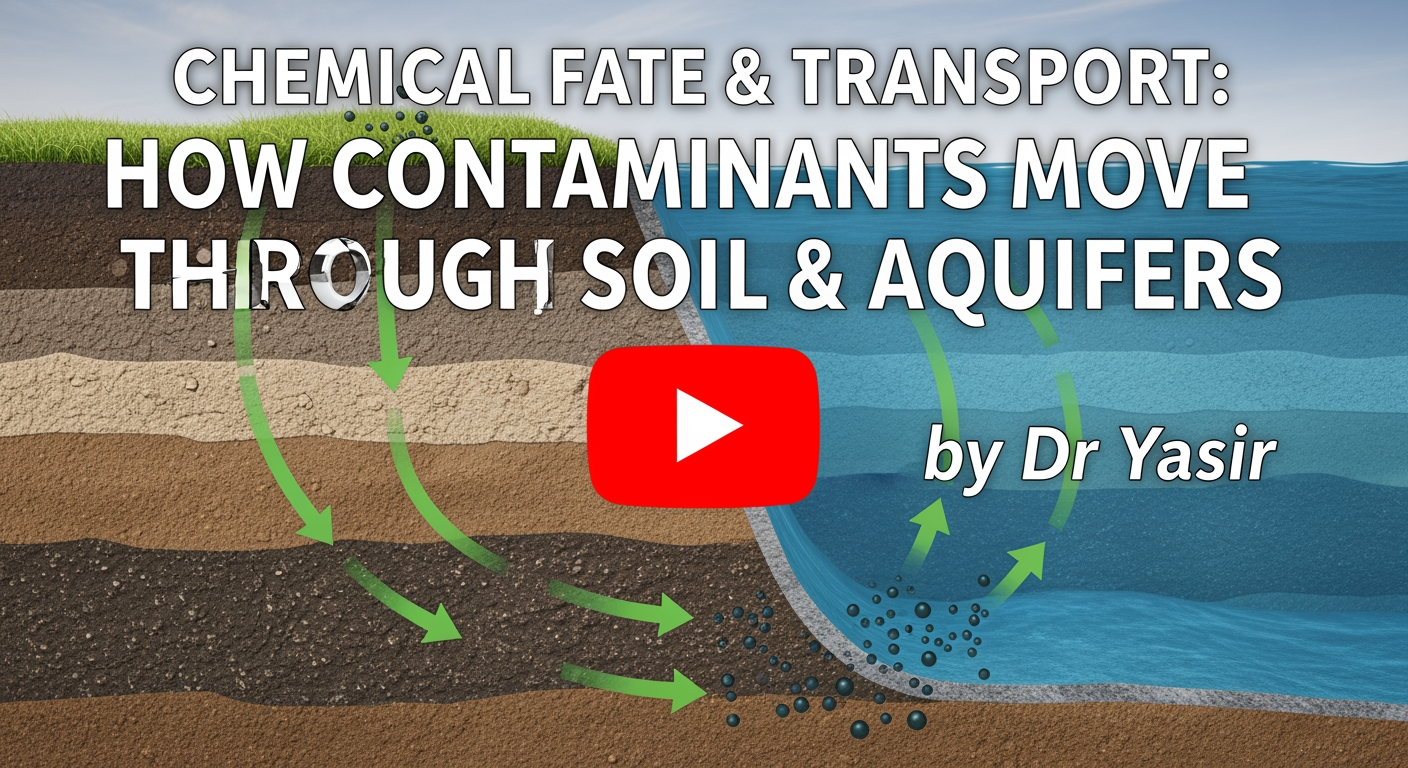
Experts warn that seemingly harmless items can harbor these persistent substances. Companies like DuPont and 3M have incorporated them into products to repel stains or water. These chemicals persist in water systems for decades, highlighting their accumulation over time. They also migrate through soil, posing a significant challenge to communities worldwide.
“We see PFAS as a top priority for environmental and health research,” stated a representative from the National Institute of Environmental Health Sciences.
Research indicates possible health risks when these chemicals enter local waterways. Consumers should be cautious of products such as:
- Non-stick cookware
- Water-resistant clothing
Further investigation into their pathways and persistence is essential. It will help us better understand and implement stronger protective measures.
PFAS Contamination: A Closer Look at the Sources
PFAS enter New York’s drinking water through several channels linked to contemporary production and land use. These synthetic compounds are prized for their heat and stain resistance. Yet, they pose hidden dangers when wastewater and runoff contaminate local water systems. Implementing a combined policy plan and stricter oversight could help mitigate their spread, ensuring the quality of household water supplies.
They are present in everyday items that end up in waterways, where small amounts accumulate over time. Some regions face higher exposure due to local industries or nearby farms. Enhanced vigilance and advanced treatment methods could significantly reduce the impact of these contaminants, protecting public health.
Industrial Discharges

Manufacturing facilities use PFAS for coatings and water-repellent finishes. Inadequate waste management allows these substances to leak into soil and groundwater. Often, unfiltered discharges can reach rivers that supply New York’s drinking water, posing significant health risks.
Agricultural Runoff
Farms may introduce PFAS through certain pesticides and fertilizers. Rainwater washes these chemicals into streams and reservoirs. Wider testing and the adoption of eco-friendly practices can limit this type of contamination, safeguarding the region’s water supply for all.
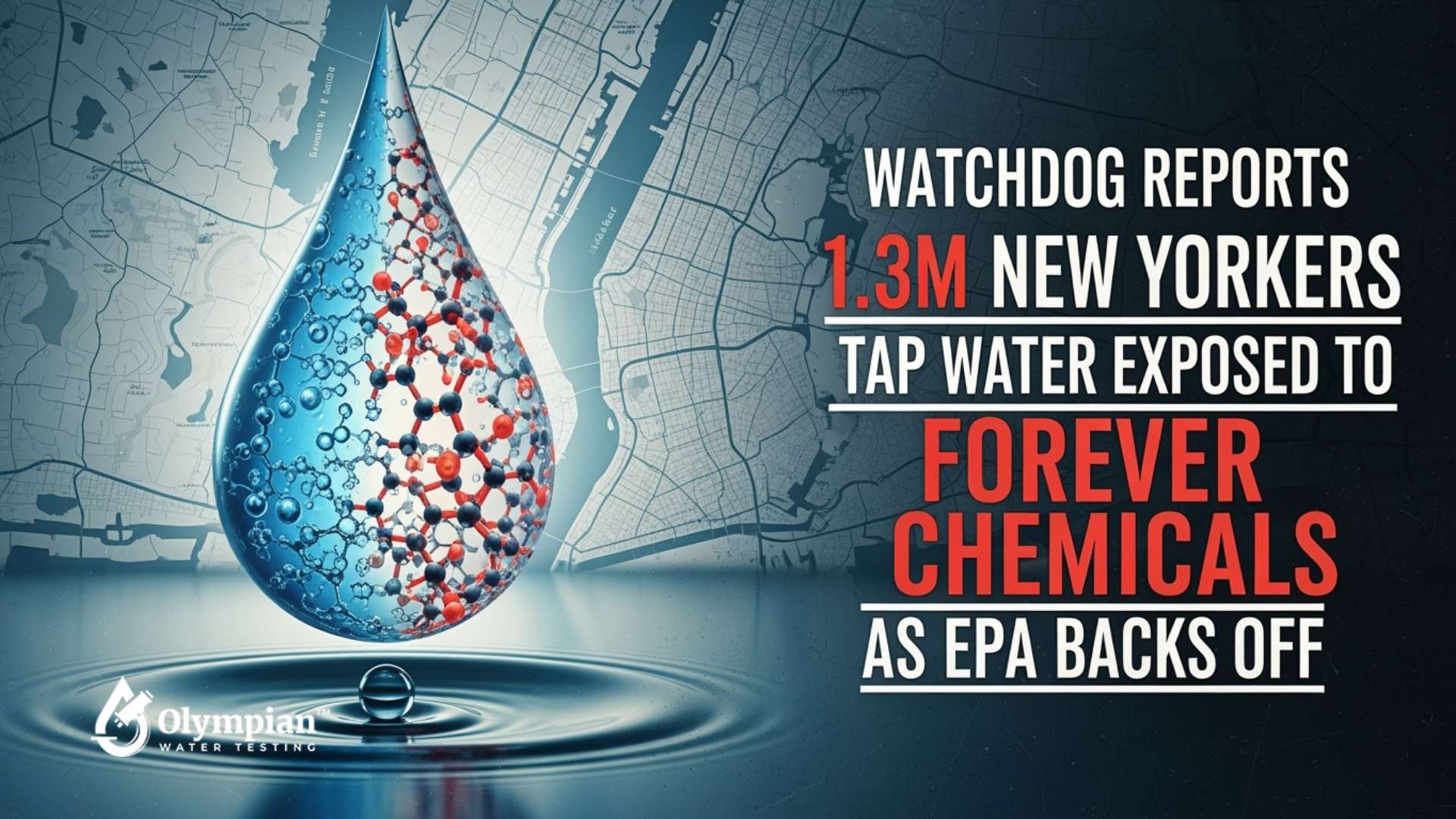
Why 1.3M New Yorkers Are at Risk
Forever chemicals contamination poses a significant threat to water safety in New York’s drinking sources. Even low-level exposure can accumulate over time, putting residents at risk. Budget limitations and scarce testing resources hinder the timely detection of these hidden dangers.
Geographical Clusters
Industrial areas, such as the Hudson River Valley, have been releasing PFAS-contaminated discharge for years. Those living near these sites face a higher risk. Public data reveals high PFAS levels in specific counties, where outdated filtration methods cannot remove harmful substances.
Aging Water Infrastructure
Older suburbs often have pipes and treatment facilities that don’t meet modern standards. Upgrades to improve water safety are frequently delayed, leaving a gap. This gap puts over 1.3 million New Yorkers at risk due to the mismatch between current contamination challenges and outdated systems.
EPA’s Shifting Position on Drinking Water Safety
The Environmental Protection Agency initially aimed to enforce strict PFAS guidelines. These guidelines were designed to reduce harmful pollutants in municipal water sources. Yet, industry lobbying and budget constraints altered the agency’s stance, leaving local residents worried about toxin levels. This shift reveals a complex battle between economic interests and community health.
Recent updates suggest a cautious approach, with new allowable limits based on ongoing research. Officials stress the importance of scientific agreement before stricter regulations can be implemented. Activists fear that these relaxed standards could endanger vulnerable groups, such as children and the elderly. They see the reduced restrictions as a compromise that may not adequately address contamination.
There is a growing demand for transparency from the EPA regarding its revised standards and timelines. Private labs, consumer safety groups, and medical associations advocate for immediate action to address health concerns. Leaders worry that each delay undermines trust in water safety and hampers state responses to emerging challenges.
Health Implications Linked to PFAS Exposure

PFAS compounds pose unique threats when they enter community water supplies. Experts note that prolonged consumption, among pregnant women or children, may amplify vulnerabilities. Critics insist that shifts in EPA regulations should reflect fresh data on dangers. These emerging insights underscore the importance of safer exposure limits.
Individuals seeking more detailed information can explore this resource for further evidence on health outcomes. Frequent monitoring and practical safety measures offer steps toward reducing harm.
Cancer Risks
Researchers connect various PFAS types with possible tumor development. Elevated risks include liver and kidney malignancies, raising alarm among public health advocates. Some communities call for stronger EPA regulations to limit contaminants tied to these diseases.
Early detection through regular screenings may help address any warning signs before more significant complications arise.
Hormonal Disruptions
Specialists emphasize that even small concentrations can affect hormonal balance. These disruptions may alter thyroid function and reproductive processes, leading to ongoing concerns for long-term well-being. Observers suggest vigilant water testing and clearer guidelines to prevent chronic exposure within at-risk populations.
Current Federal and State Regulations
Federal guidelines on PFAS are unclear. Some agencies suggest stricter limits, while others highlight enforcement gaps. States are setting their own standards, leading to a mix of numeric limits. This situation allows some industrial pollutants to slip through the cracks.
New York State has taken steps forward with early detection. It mandated water utilities to test for specific PFAS compounds. Despite this, experts note inconsistencies in threshold levels. They advocate for stronger coordination to reduce confusion and ensure compliance.
There’s a need for a unified standard. A consistent rule would improve drinking water quality across regions. Clear regulations help businesses and communities prepare better. They also encourage faster development of technologies to catch pollutants before they contaminate water supplies.
How Communities Can Protect Themselves

Local groups often look for ways to reduce health risks from PFAS contamination. An organized effort can lead to significant change. It also keeps neighborhoods well-informed. Regular checks on public water sources ensure accountability and encourage research into safer options.
Home Filtration Systems
Residents often opt for specialized installations to address their concerns. Reverse osmosis and activated carbon units are effective against various pollutants. Some households take simple steps to enhance their system’s performance:
- Change filters at recommended intervals
- Check certified brands for proven PFAS reduction
Experts recommend a PFAS resource for understanding filtration options and new research.
Public Awareness Campaigns
Campaigns by schools, local governments, and health advocates highlight the dangers of emerging chemicals. They urge residents to ask for water quality data, attend community meetings, and support open reporting. Grassroots efforts bring people together, pushing for stricter guidelines and widespread testing. These efforts compel agencies to take contamination issues more seriously.
Role of Watchdog Organizations in Water Testing
Independent groups like the Environmental Working Group and the Natural Resources Defense Council fund research in areas with limited official monitoring. They collect water samples, work with local labs, and publish findings that warn communities of risks. Their reports lead to deeper discussions about chemical exposure and ways to protect drinking water.
These organizations make their data available online, ensuring agencies are held accountable. They highlight areas that might be missed, bringing critical information to the public. Their work fuels discussions on public health and responsible management. They stress the importance of water filtration, highlighting the need for effective technology in every home.
- Testing Coordination: They work with accredited labs to identify contamination.
- Public Transparency: Online tools and open-access reports expose exposure risks.
- Actionable Guidance: They promote water filtration as a daily safety measure.
Legal and Legislative Actions Underway

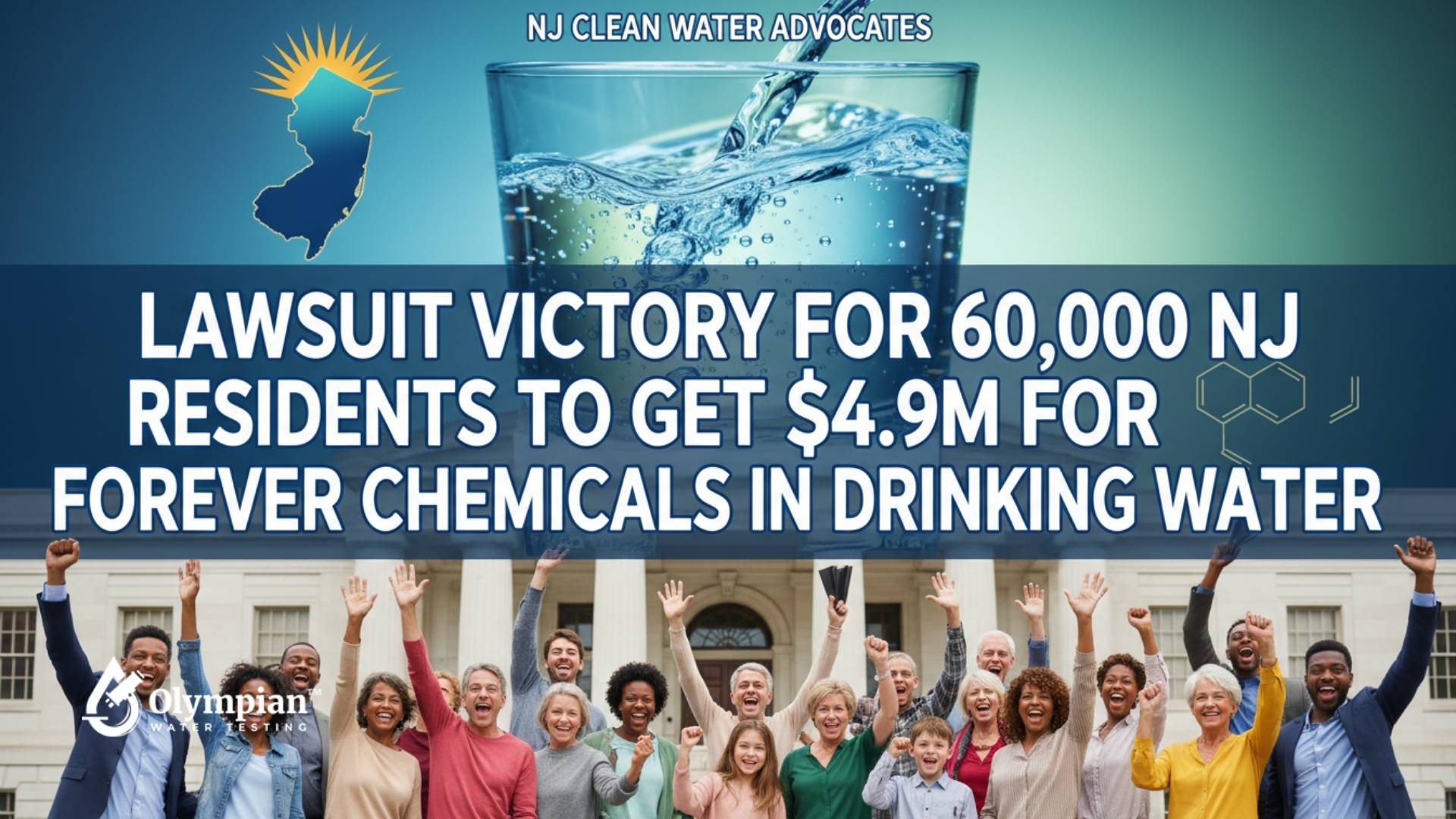
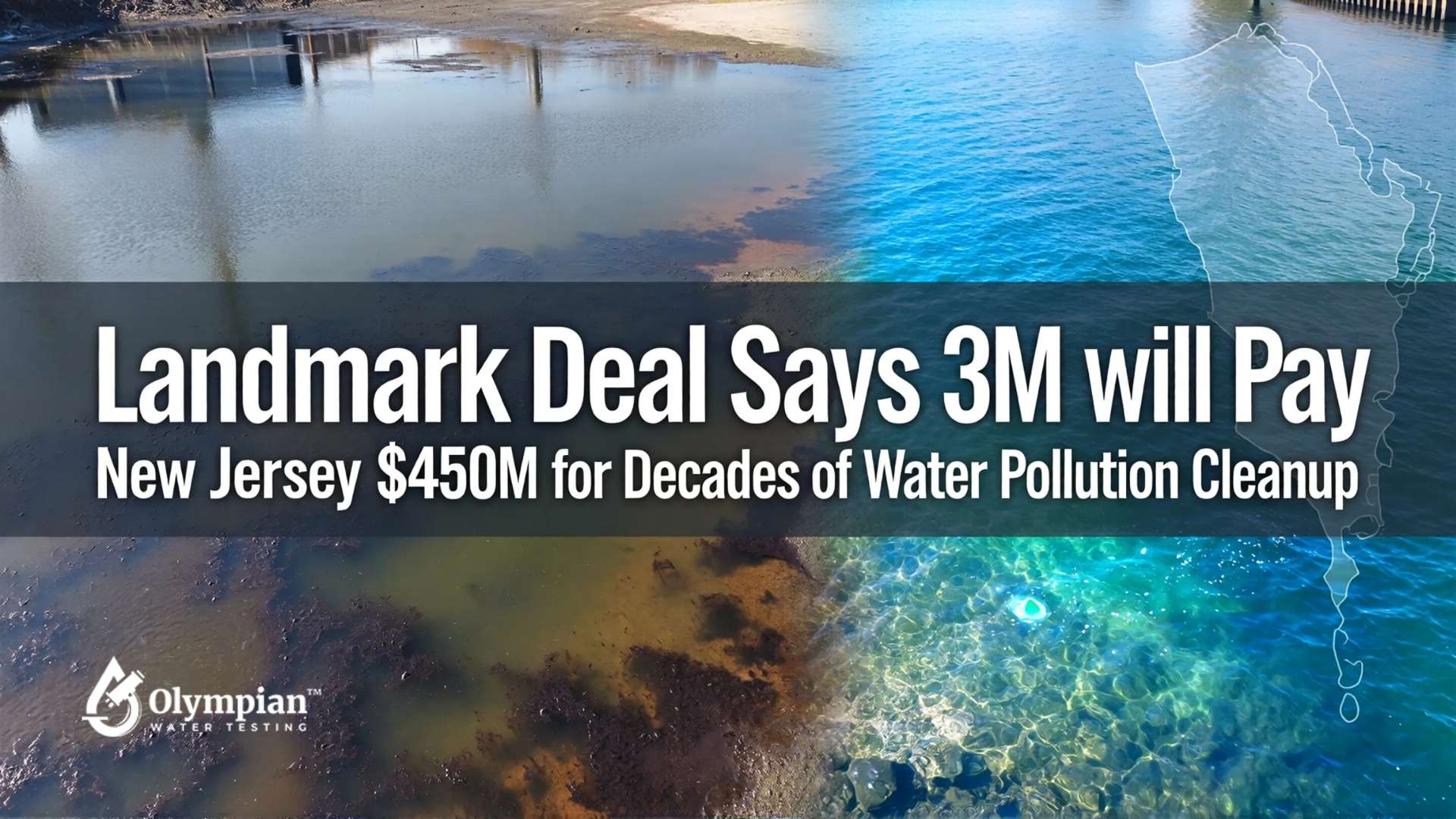
Lawsuits are popping up on various fronts, showing growing discontent over possible groundwater contamination. Corporations are under the microscope by community groups seeking compensation for health expenses. Some claimants are asking for funds to clean up and make local water systems safe again.
Pending Lawsuits
Legal battles are targeting big polluters accused of releasing harmful chemicals into groundwater. Lawyers say these companies broke environmental laws, endangering whole neighborhoods. Residents often join forces in class-action suits, aiming to highlight water quality issues.
Calls for Strict Regulations
Urgent appeals are calling for strict rules that punish repeat offenders and fund large-scale cleanup efforts. Lawmakers are proposing stricter oversight, including:
- Clear liability rules for corporations responsible for hazardous discharges
- Regular testing protocols in high-risk zones
- Increased funding for research on persistent chemical exposure
These steps aim to safeguard public health and push for industry-wide improvements. They encourage companies to adopt safer methods and be more transparent.
The Importance of Transparency in Data Reporting
Public access to credible figures on contamination levels is vital for better decision-making. People deserve detailed insight into any toxic chemicals found in municipal supplies. This allows them to take swift action when necessary. Keeping these findings hidden leads to confusion and erodes trust in official oversight.
Clear information helps doctors and researchers identify emerging threats that may affect long-term health. Watchdog organizations, such as Environmental Working Group, have uncovered critical gaps in water reports. Their findings highlight the need for up-to-date disclosures from industries and agencies.
Open data allows local communities and advocacy groups to respond quickly. It strengthens conversations with policymakers who can implement tighter controls against toxic chemicals. Timely public updates foster shared responsibility and build confidence in protective measures adopted by public health institutions.
Records from the Centers for Disease Control and Prevention reveal how transparent data can guide community outreach and support. Easy access to testing results empowers cautious families. It places stronger pressure on polluters to maintain safer standards.
Guidelines for Safe Drinking Water
Families across the nation benefit from clear steps towards safer water. It’s essential to maintain healthy consumption habits. These habits uphold safe drinking standards and reduce threats from harmful compounds. This involves selecting effective household technologies and following recognized protocols.
Public health agencies encourage routine reviews of water quality. A few practical strategies can limit possible hazards. They keep contaminant levels in check.
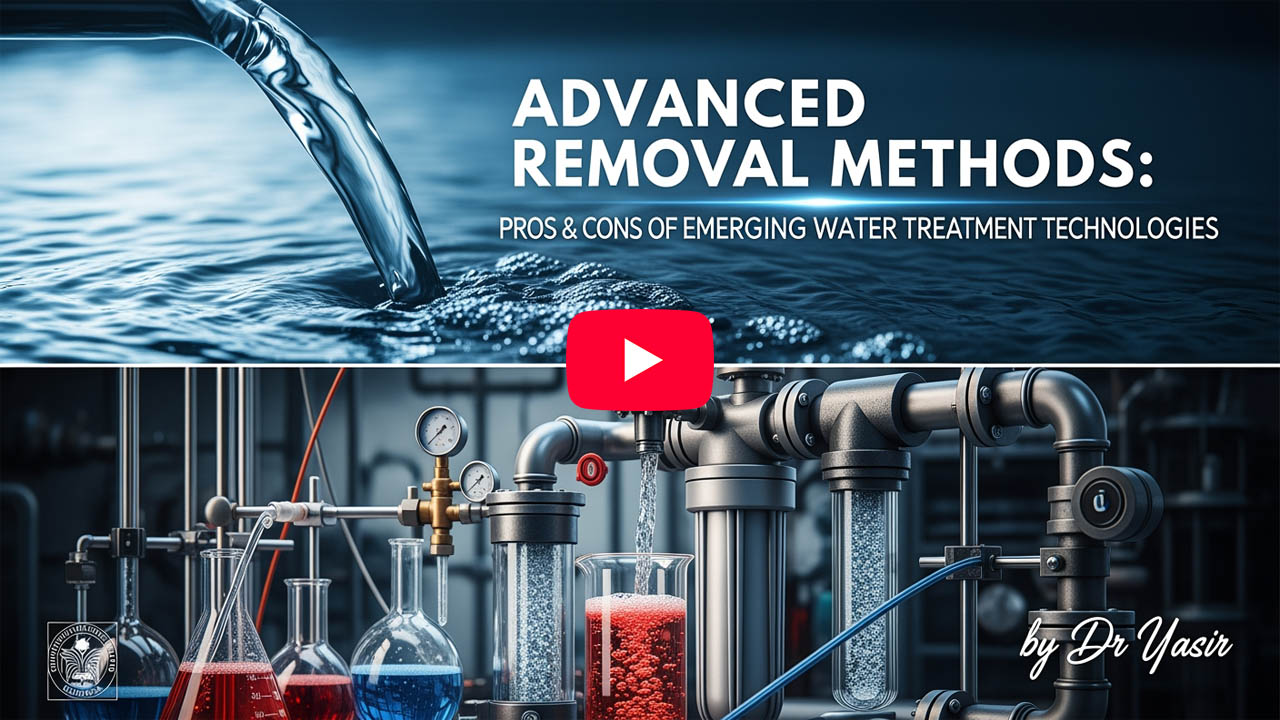
Recommended Filtration Methods

Filtration units deliver added layers of protection by trapping or removing unwelcome particles. Each option offers varying degrees of assurance:
- Activated Carbon Filters: Target unwanted tastes and odors while reducing certain chemicals.
- Reverse Osmosis Systems: Push water through a semipermeable membrane to strip out many contaminants.
- Ion Exchange Resins: Neutralize specific substances, including some PFAS compounds.
- NSF-Certified Pitchers: Provide portable filtration in tight spaces.
Regular Testing Protocols
Local authorities suggest sampling once per year, in areas prone to industrial or agricultural runoff. Routine checks build confidence. They help preserve safe drinking standards.
- Use certified labs for reliable PFAS measurements.
- Record results to track changes over time.
- Share findings with neighbors to promote broader vigilance.
Filter Type | Key Benefit | Maintenance |
Activated Carbon | Removes odors, VOCs, some chemicals | Replace cartridges regularly |
Reverse Osmosis | High-level contaminant removal | Change membrane as directed |
Ion Exchange | Targets various PFAS | Optimize resin replacement |
Moving Forward with Cleaner Water Initiatives
Safe water is a collective effort. City officials, federal agencies, and advocacy groups must work together. They identify contamination sources and track PFAS levels in high-risk areas. This collaboration sets clear guidelines to address emerging risks.
Improving infrastructure is essential. Old pipes allow harmful chemicals to leak in, so upgrading them is critical. This reduces exposure and limits new contamination sources. Testing and filtration methods further enhance water safety, giving residents peace of mind.
Communities nationwide demand immediate action. Lawsuits leading to fair settlements provide resources for broader measures. These include leach-proof coatings and increased oversight of industrial sites. Such steps enhance long-term safety, protecting public health and water quality.
Through shared dedication, New York and other areas can forge stronger policies. These policies protect against contamination sources and ensure reliable water supplies for everyone. This journey leads to safer drinking water and healthier lives.