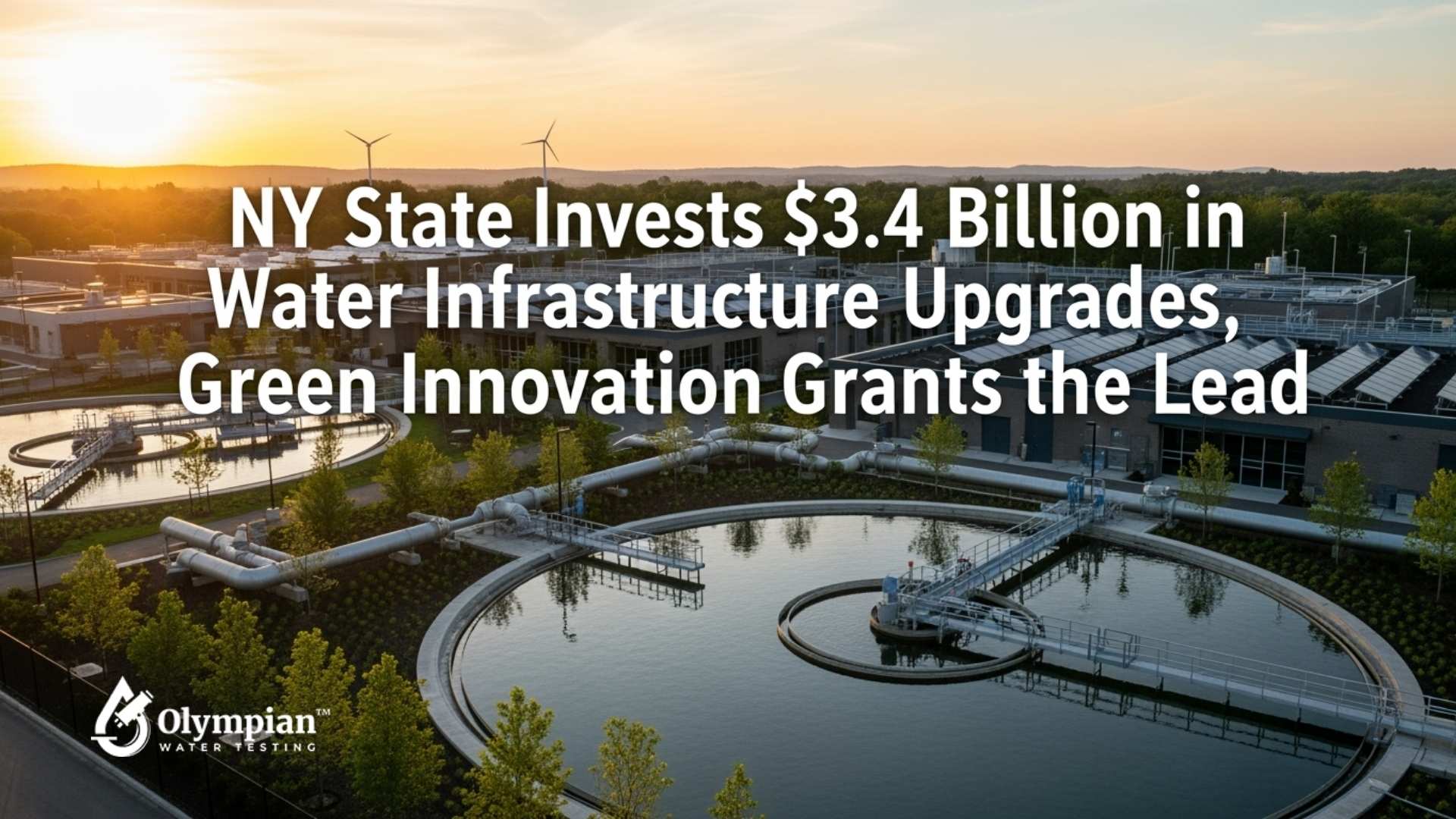
Major Highlights of the $3.4 Billion Investment
Statewide funding has seen a 55% increase this year, providing a boost to water infrastructure projects. This surge is expected to create up to 30,000 jobs, significantly strengthening the workforce and driving local economic growth. The upgrades aim to enhance water quality, improving public health and reducing long-term costs.
The investment goes beyond mere pipe replacement. It focuses on integrating green innovation to tackle contamination risks. This approach not only protects residents but also increases employment opportunities and supports the state’s modernization efforts.
- Significant allocation for pipe replacement
- Focus on naturally sourced treatment methods
- Stronger safeguards for public health
Key Factor | Description |
Funding Increase | 55% jump in year-over-year funding commitments |
Projected Jobs | 30,000 positions expected statewide |
Primary Benefit | Greater public health protection |
Emphasis on | Green innovation for cleaner water systems |
Water Infrastructure Goals Aligned with Public Health
Leaky pipelines and outdated systems often burden communities with high maintenance costs. New York’s modernization efforts go beyond simple repairs. They aim to protect families from health hazards. Stakeholders across the state embrace preventive steps, highlighting the importance of sustainable practices.
Projects showcase new approaches, from enhanced filtration to the replacement of old service lines. Governor Kathy Hochul’s agenda, inspired by scientific research, calls for swift actions against emerging contaminants like PFAS in local supplies.
Addressing Aging Pipelines

Long-standing infrastructure can crack and corrode, posing a threat of lead exposure. Efforts include:
- Replacing vulnerable joints to curb leakage
- Upgrading pump stations for steadier flow
- Installing smart meters for real-time monitoring
Ensuring Safe Drinking Water Standards
Filtration systems use cutting-edge technology to meet evolving rules. Municipal teams collaborate with water authorities to detect contaminants quickly. This ensures reliable delivery, with public health at the forefront.
Priority Action | Outcome |
Pipe Replacement | Reduced contamination risks |
Advanced Filtration | Higher water purity levels |
Real-Time Testing | Faster detection of water quality issues |
Green Innovation Leading the Way
New York is embracing cutting-edge designs to reduce ecological impact and enhance water quality. Thanks to federal funding and state revolving funds, local authorities can access low-interest loans and grants. This approach ensures public utilities are strengthened without overwhelming financial burdens.
Conservation experts hail these initiatives as a step forward. They believe modernized systems will lessen harm to sensitive ecosystems. Local leaders see the Infrastructure Investment and Jobs Act as a key driver for better resource management and technical support.
Hydroelectric Power Prominence

Water treatment facilities benefit greatly from hydroelectric power. Sustainability analysts note that harnessing natural water flow reduces carbon emissions. This energy source meets steady demand, easing the strain on the region’s electric grid.
Blueprints for Eco-Friendly Treatment Plants
Future facilities will focus on minimizing runoff, recycling water, and increasing efficiency. These plants will incorporate solar panels and advanced monitoring systems to detect leaks promptly. New York is setting a precedent for sustainable water solutions, with environmental advocates highlighting these efforts as models for cleaner rivers and lakes.
Timeline and Phased Upgrades
Phased expansions guide each step in modernizing New York’s water systems. Officials schedule tasks by urgency, securing financing and coordinating resources for smooth transitions. This approach promotes steady progress while limiting service interruptions for residents.
“Project milestones from April 2024 through March 2025 serve as a blueprint for ongoing upgrades,” noted the Environmental Facilities Corporation’s annual Program Metrics Report.
Teams plan critical improvements, including lead service line replacement and advanced plant retrofits, during designated intervals. Each milestone paves the way toward a resilient future, safeguarding community access to clean water. Sequential upgrades present a practical way to incorporate emerging technologies, ensuring infrastructure remains up to date.
Existing facilities benefit from careful scheduling, with older systems replaced first. This systematic rollout boosts public confidence and encourages future innovations in treatment methods. The result is a robust network that meets present-day needs and lays the groundwork for tomorrow’s water demands.
Budget Allocation for Local Projects
State officials aim to distribute the $3.4 billion fairly, focusing on both urban and rural areas. This strategy enhances existing systems, protects public health, and boosts local economies. By investing in EFC projects, leaders help each region access new resources and update critical infrastructure.
Smaller municipalities get extra support, with grants covering up to 50% of costs. This support enables them to undertake upgrades previously seen as unaffordable. Funding levels depend on population, project impact, and system condition.
Distribution of Funds by Region
A multi-tier formula guides funding allocations. Urban areas face larger repairs, while rural areas tackle urgent issues like old pipelines. Each region gets its share, allowing for necessary upgrades without sacrificing development goals.
Grant Application Processes
Municipal leaders planning water improvements follow a structured application timeline. They submit detailed plans, cost estimates, and public benefits. EFC investments are a key factor, providing priority support for environmental standards and infrastructure upgrades.
Community Engagement in Planning

Across New York, leaders host interactive sessions to collect insights from residents and local groups. This dialogue shapes the final designs of water utilities, promoting thoughtful infrastructure modernization. State agencies focus on direct feedback, ensuring communities are involved at every step.
Workshops and Public Hearings
Workshops provide a relaxed setting for residents to share their views on system upgrades. Public hearings further enhance openness, allowing individuals to voice concerns or propose alternatives. These forums highlight neighborhood priorities and foster awareness. Transparent communication builds trust and secures long-term support.
Partnering with Local Stakeholders
Environmental advocates, nonprofit organizations, and local businesses collaborate to ensure projects meet community needs. These discussions unveil innovative ideas, leading to job creation and training programs. This cooperation addresses technical needs while uniting diverse interests. Many view this as a reliable way to build enduring infrastructure.
Environmental Benefits Beyond Infrastructure
New York’s approach goes beyond just pipes and pumps. It includes green resiliency grants that reduce stormwater runoff and lessen flood risks. These efforts also strengthen ecosystems, supporting wildlife and managing millions of gallons of water each year. This strategy acts as a buffer against unpredictable weather patterns.
Cleaner waterways lead to healthier habitats for fish and plant life. By reducing pollutants, we preserve biodiversity and protect critical water sources. These programs reinforce natural landscapes, boosting environmental stewardship across the region.
Wetlands restoration projects shield local areas from erosion and nurture habitats for migrating birds. These efforts also safeguard drinking water, a vital resource for residents. The Department of Environmental Conservation works with local partners to advance these objectives.
Initiative | Key Benefit | Outcome |
Stormwater Management | Reduced Flooding | Greater Community Resilience |
Wetlands Preservation | Habitat Protection | Stronger Biodiversity |
Water Quality Monitoring | Safe Drinking Water | Healthier Ecosystems |
Role of Federal and State Collaboration
Federal support boosts New York’s ability to enhance water systems and foster climate resilience. The Infrastructure Investment and Jobs Act is key, providing cost benefits for local governments. This partnership offers low-interest loans, easing financial burdens and encouraging bigger investments in flood defenses and water treatment.
Increased funding has motivated state leaders to adopt strategies for maintaining water quality against rising climate risks. State Revolving Funds, strengthened through joint efforts, offer vital resources for municipalities to upgrade their infrastructure. This cooperation fosters innovative solutions to both urgent and long-term challenges.
Every federal dollar extends local budgets, enabling broader projects and community involvement. This synergy empowers towns and cities to safeguard natural environments, enhance public health, and tackle climate resilience comprehensively. The alignment of national policies with state plans signifies a shared commitment to ensuring safe, dependable water for future generations.
Economic Growth Opportunities

New York’s expanded water infrastructure plan offers significant benefits for diverse communities. It supports sustainable upgrades, boosting local resilience. This is thanks to strong public support and an effective administrative framework. The plan also benefits from the infrastructure investment and jobs act, which enhances planning, funding, and collaboration.
Job Creation and Workforce Development
Estimates indicate around 30,000 good-paying jobs will be created due to increased water infrastructure spending. Roles in pipeline development, treatment plant operation, and services are emerging. Construction and engineering firms are teaming up with the Department of Labor to offer training programs.
These programs are designed to meet the evolving needs of the industry. Many workers gain valuable skills, paving the way for long-term careers. This leads to a more stable labor force across the state.
Boosting Related Industries
The push for upgraded facilities goes beyond job creation, driving steady economic growth in manufacturing, transport, and technology services. Local businesses gain from new contracts for equipment and materials, fostering competition and reducing costs. This encourages broader investments, prompting companies to set up or expand operations reliant on reliable water systems.
The resulting synergy positions New York with strong economic engines for the future.
Critiques and Concerns from Advocacy Groups
Advocacy groups express caution over new water system improvements in sensitive habitats. They emphasize the need for balanced growth that protects local species and natural resources. Experts advocate for more thorough evaluations before proceeding.
“We see the possibility of harmful runoff and temporary wildlife disruption,” stated a spokesperson from Sierra Club.
Leaders push for science-based reviews of each site. They urge policymakers to weigh the risks of hasty planning or insufficient oversight. Detailed studies are seen as key to alleviating concerns and ensuring responsible project implementation.
Potential Environmental Risks
Critics warn that larger treatment facilities could disrupt ecosystems. Construction noise and sediment changes might stress marine life. Increased human activity could lead to excessive land clearing. Effective mitigation strategies are deemed critical.
Funding Transparency Issues
There is a growing demand for clear funding disclosure. Advocacy groups call for open records and user-friendly reports. They aim to keep the public informed and engaged through transparent funding allocation tracking.
New York Stands as a Leader in Sustainable Practices
New York’s commitment to robust water programs places it at the forefront of resource management. EFC’s annual data highlights the state’s investment in modern infrastructure and watershed protection. This surpasses common practices, ensuring the safety and sustainability of local water sources.
Leaders in New York have crafted a framework that merges transparent oversight with science-driven solutions. This framework fosters collaboration, giving residents confidence in the quality of their water and environmental protection at every step.
- Robust financing for pipelines and treatment systems
- Stakeholder engagement in policy-making
- Progressive legislation for green innovation
Comparisons to Other States
New York’s funding for water projects exceeds typical levels. Its plans are executed swiftly, providing communities with a significant lead in clean water and environmental health. Compared to other states, New York’s budgeting and activity stand out for their scale and speed.
Long-Term Policy Initiatives
State officials in New York focus on securing water sources for future generations. They adopt long-term policies that support sustainable treatment networks, climate-resilient designs, and stable funding. These measures are designed to withstand economic fluctuations.
Monitoring Water Quality: Ongoing Strategies

The State Health Department’s Bureau of Water Supply Protection collaborates with the Environmental Facilities Corporation to guarantee safe drinking water. They employ advanced methods to detect contaminants early, protecting communities from harm. This dedication to monitoring water quality is a proactive measure to safeguard residents.
Staff members conduct regular tests to identify changes in chemical levels or the presence of pathogens. They communicate these findings to local officials, who then implement necessary treatment improvements. This continuous monitoring builds public trust and ensures public health is maintained daily. Agencies invest in cutting-edge equipment to detect even the smallest anomalies in reservoirs and pipelines.
- Regular testing of municipal water systems
- Swift reporting channels for possible risks
- Training programs for local laboratories
Transparency is essential for robust public health protection, making these ongoing efforts publicly available. The results foster confidence and guide officials in planning for future infrastructure needs.
Strategy | Key Benefit | Timeline |
Frequent Sampling | Early detection of contaminants | Weekly to Monthly |
Real-Time Alerts | Fast response to threats | Immediate |
Lab Training | Accurate and consistent results | Ongoing |
Balancing Economic Development and Environmental Stewardship
Economic growth and environmental protection can coexist harmoniously. New York exemplifies this by backing projects through Green Resiliency Grants and the Clean Water, Clean Air, and Green Jobs Environmental Bond Act. These initiatives foster low-impact development, addressing both current and future needs.
Sustainable Construction Materials

Projects focusing on sustainable materials reduce waste and use renewable resources. Builders opt for recycled metal, treated timber, or advanced composites to minimize landfill impact. This strategy not only lowers carbon emissions but also enhances local health and economies.
Preventing Habitat Destruction
Environmental assessments are integrated into planning to safeguard wildlife habitats. Strict regulations prevent habitat destruction near critical areas like forests and rivers. Such measures protect biodiversity, support outdoor activities, and preserve landscapes for future generations.
“Responsible growth means protecting natural habitats and fostering innovative solutions,” noted an official from the Environmental Protection Agency (EPA).
Why Public Awareness Matters
Public outreach campaigns and stakeholder groups share real success stories that bring attention to water quality improvements. These examples strengthen community backing for innovations and spark deeper interest in future proposals.
Engagement brings tangible results. Efforts that show before-and-after data on waterways motivate residents to stay informed and support clean water solutions. Neighborhoods that unite under shared goals often see a rise in active volunteering and local fundraising.
Public awareness encourages long-term stewardship. Informed citizens learn how to report contamination concerns, reduce household runoff, and protect sensitive habitats. This focused involvement advances local priorities and bolsters consistent funding commitments.
Approach | Result |
Community Forums | Promotes inclusive water policy discussions |
Success Story Showcases | Builds trust through proven outcomes |
Educational Workshops | Inspires lasting interest in local preservation |
How Community Advocacy Shapes Funding Priorities

Public involvement shines a light on critical water infrastructure needs. Local groups conduct research, mobilize neighbors, and push elected officials to revise policies. This collaborative effort fosters a collective sense of duty for safe, sustainable resources.
Grassroots Movements
These efforts stem from everyday concerns, uniting families, educators, and business owners. Grassroots movements thrive on personal interactions and digital forums to build support. They remind policymakers that residents seek tangible improvements, urging investments in modernization and stricter contaminant standards.
Success Stories of Public Influence
Groups like Citizens Campaign for the Environment have pushed for stricter pollutant standards. Their efforts led to increased funding for pipe upkeep and a decrease in lead exposure. Alongside other influential coalitions, they’ve shown that community advocacy can fundamentally alter the dialogue on clean water solutions.
Today, leaders recognize that a shared vision transcends mere funding. When citizens demand openness, initiatives move closer to aligning with public health and environmental objectives. This progress highlights the significant influence of well-coordinated community efforts.
Looking Ahead to a More Resilient Future
New York’s Environmental Facilities Corporation is investing $3.4 billion in water infrastructure. This marks a significant shift for communities seeking reliable and sustainable solutions. The upgrades aim to modernize systems, ensuring they meet public health and environmental needs. This journey involves strategic innovations and effective resource management, bolstering essential services statewide.
Future readiness is at the core of these initiatives. Environmental resilience is key to helping communities adapt to climate changes and new contaminants. Each improvement builds on previous efforts, fostering unity and a shared vision of sustainability. Water quality projects continue to evolve, reflecting New York’s dedication to sustainable growth. Through eco-friendly design, steady funding, and collaboration, New York serves as a model for others. This legacy promises cleaner, more reliable water for generations to come.