Historical Overview of DuPont’s Legal Challenges
DuPont has faced intense scrutiny over alleged chemical releases, fueling PFAS lawsuits and raising questions about environmental accountability. The company’s history with water contamination spans various regions, catching the attention of media and consumer advocates. This pattern of industrial pollution has led to significant court examinations, each probing the company’s handling and disclosure of health risks.
In past hearings, judges evaluated evidence of repeated infractions. Each legal dispute shed light on corporate choices that shaped public opinion. Corporate pledges to reform sparked debates on lasting responsibility. This scientific publication illustrates the broader impact of prolonged chemical exposure, underscoring the stakes for communities reliant on clean water resources.
“These revelations highlight the urgency for stronger guidelines that protect people from repeated harmful releases,” stated local advocates.
| Year | Location | Key Outcome |
| 2017 | West Virginia | Large settlement for impacted families |
| 2020 | Netherlands | Teflon pollution garnered global scrutiny |
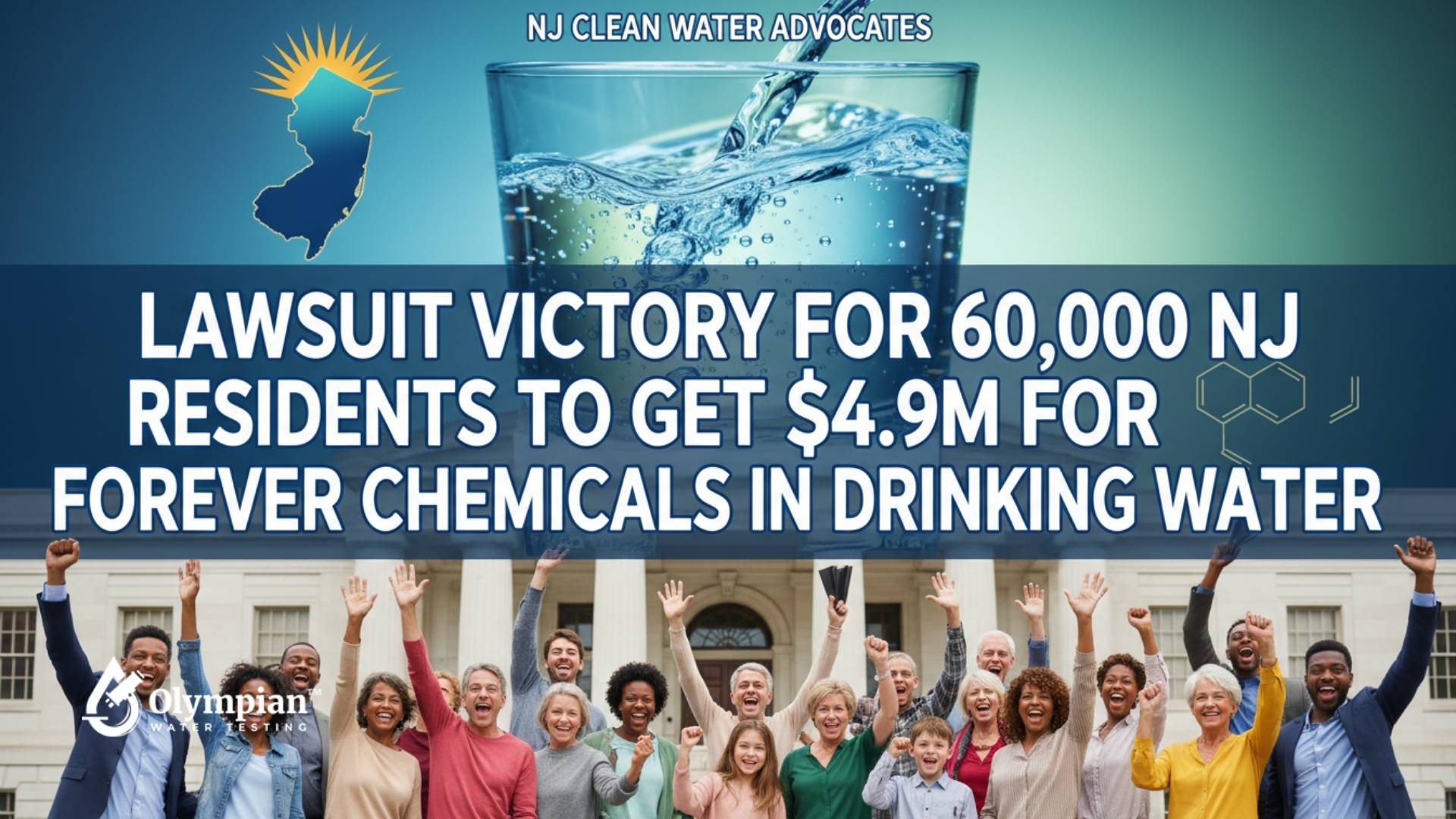
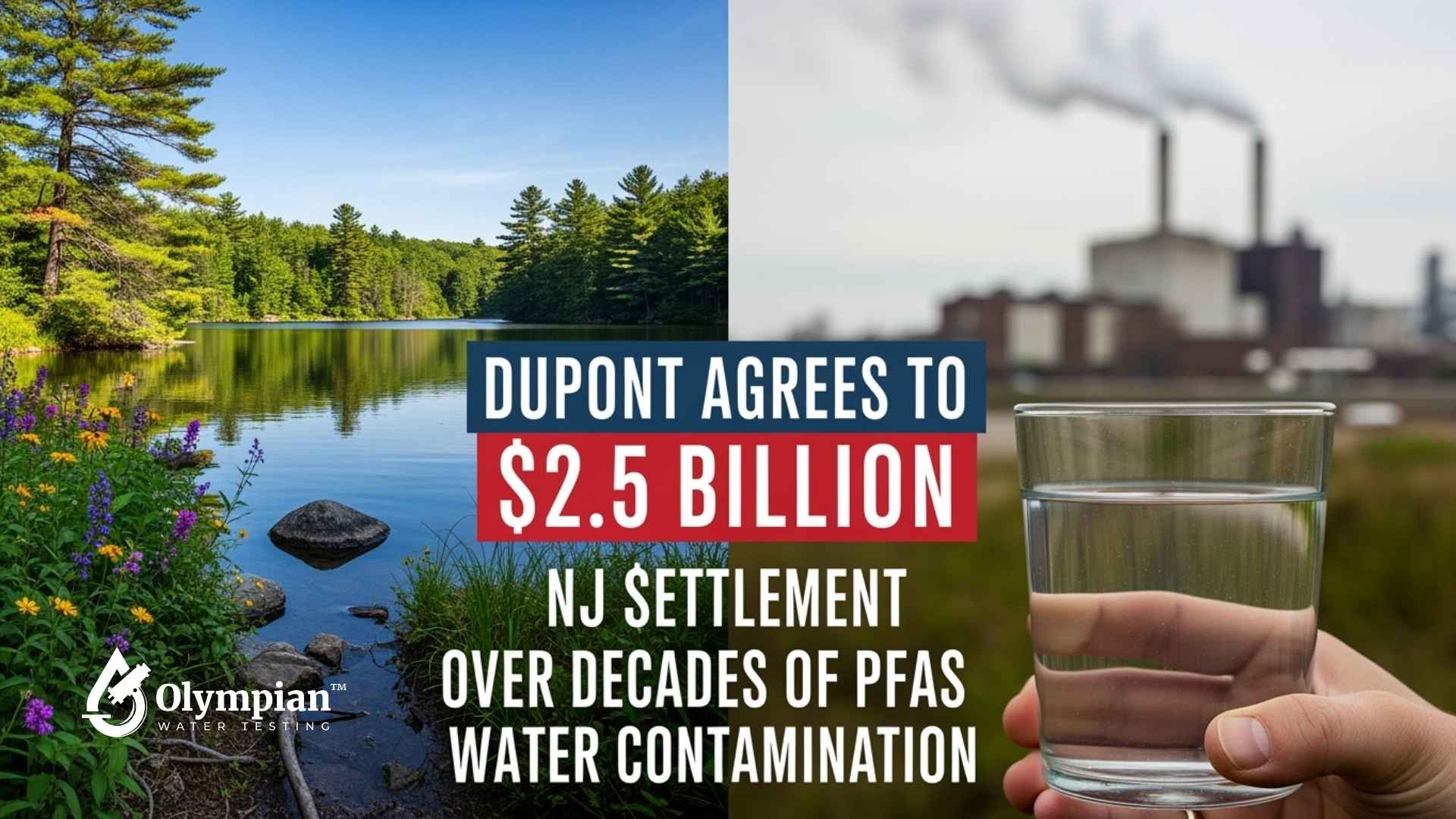
| 2023 | New Jersey | Landmark agreement leading to a multi-billion-dollar resolution |
Breakdown of the $2.5 Billion Settlement
The DuPont settlement breakdown marks a significant milestone, addressing both immediate and long-term financial obligations. Negotiators sought to establish strong measures to safeguard affected residents and water sources. This ensures costs are clearly allocated to rectify past damages.
Duration of Negotiations
State officials and company representatives engaged in extensive discussions over several years. They consulted with experts on the extent of PFAS contamination, coordinated environmental assessments, and evaluated community impacts. These efforts led to a landmark agreement, setting a new standard for holding polluters accountable.
Allocation of Settlement Funds

Specific funds are allocated for remediation funding to initiate cleanup efforts promptly. Reserves are set aside for future challenges. This structured approach demonstrates a commitment to protecting water sources and rebuilding community trust. Each dollar is dedicated to a specific strategy aimed at mitigating future risks.
Impact on New Jersey Communities
Families near DuPont sites express deep concerns about water pollution from PFAS. They worry about the lasting effects of these substances on their communities. Scientists and government officials are working to mitigate further harm and ensure environmental accountability.
Health Concerns in Affected Areas
Chronic exposure to forever chemicals raises unsettling health questions. Local clinics have seen an increase in calls from residents concerned about cancers and developmental issues. Public health studies highlight the need for vigilance in safeguarding drinking water, protecting vulnerable populations.
Role of Local Advocacy Groups
Grassroots organizations are advocating for clear communication and thorough community impact assessments. They stress the need for ongoing measures beyond media attention. These groups push for stricter regulations and provide resources for testing and treatment. Their efforts amplify the voices of those most at risk, demanding stronger environmental accountability.
Why PFAS Chemicals Are Controversial
The public’s concern over PFAS chemicals is rooted in their persistent presence in water and soil. Known as forever chemicals, they defy natural degradation. Their widespread use in products like nonstick cookware and food packaging raises exposure risks.
Scientists are studying the health impacts of these substances. Already, research indicates links to immune system problems and reproductive issues. Their ability to move through groundwater poses long-term threats to ecosystems.
Consumers are demanding answers on why these chemicals are not banned. Many are opting for products labeled as PFAS-free. This scrutiny has prompted brands like Teflon to invest in safer alternatives.
- Ongoing research aims to understand PFAS interactions with human tissues.
- Public education campaigns raise awareness of health risks.
- Regulatory bodies track contamination levels across the country.
| Common Source | Potential Concern |
| Nonstick Coatings | Possible exposure during cooking |
| Food Wrappers | Ingestion of trace chemicals |
| Textile Treatments | Skin contact issues |
Legal Precedents Set by Previous Industrial Polluters

Historic court rulings against major corporations have redefined strategies in pollution cases. Industrials accused of releasing toxic substances often faced heavy fines and strict cleanup orders. PFAS lawsuits stand among these high-profile court battles, signaling a shift in public awareness and legal scrutiny. Many of these legal outcomes now shape corporate responsibility discussions nationwide.
Similar Cases in the United States
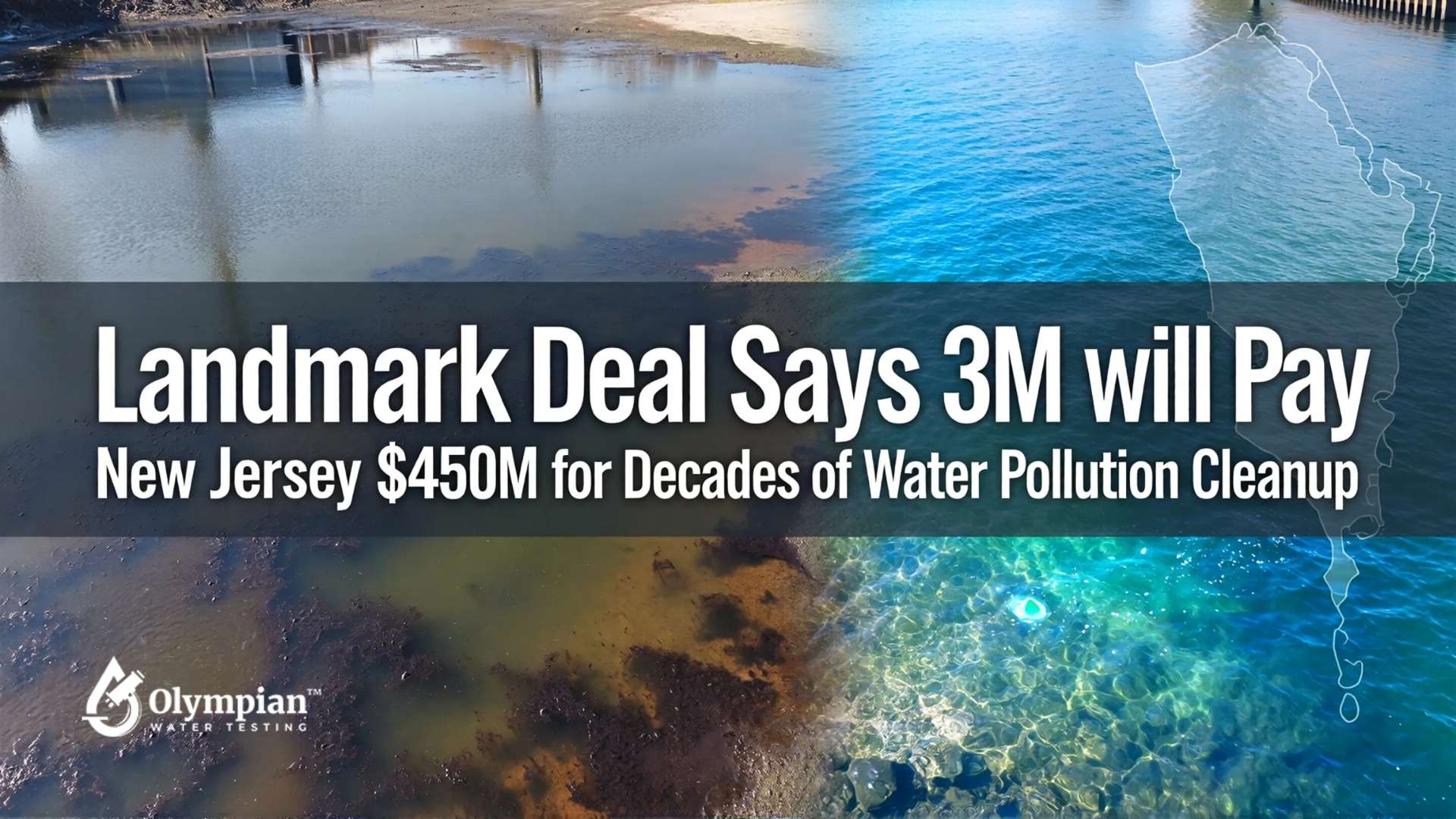
In the United States, key examples include actions against 3M, whose settlements sparked urgent talks on chemical disclosures. These achievements guided policy and informed future claims. Stakeholders pursued an environmental settlement to ensure accountability and assist local remediation efforts. PFAS lawsuits in federal courts revealed the far-reaching consequences of contamination.
Influence on Corporate Accountability
These precedents have reshaped how courts address industrial pollution. Some rulings highlight the need for ongoing corporate responsibility measures, including transparent disclosure of hazards. An environmental settlement can no longer be seen as a final step, as regulators watch for long-term damage. This pattern encourages firms to adopt cleaner strategies before lawsuits escalate.
PFAS and Its Far-Reaching Environmental Impact
PFAS contamination can affect everything from local water sources to distant ecosystems, putting communities and wildlife at risk. The Environmental Protection Agency notes that these substances do not break down naturally. Instead, they persist in soil and groundwater for decades, posing a long-term threat.
- Resistant to heat and water
- Linked to possible health problems
- Can build up in animal bodies
Scientists point out that industrial pollution often allows PFAS to sneak into food chains. This can lead to health concerns in various areas, affecting people’s well-being.
Chemical Properties and Persistence
PFAS compounds have strong carbon-fluorine bonds, making them hard to break down in nature. This makes it challenging to clean up contaminated areas. It also highlights the need for research into safer alternatives.
Regulatory Actions and Gaps
Even with new limits from state and federal agencies, there are regulatory gaps. Health advocates stress the need for stricter testing and application rules to reduce PFAS exposure.
Local groups push for teamwork between scientists, officials, and businesses to tackle ongoing threats. This collaborative effort could lead to stronger water protections and clearer guidance for affected communities.
Negotiations Between DuPont and State Authorities

Negotiations were under intense scrutiny, spanning multiple stages. Local leaders confronted DuPont about its role in industrial pollutants. Settlement negotiations became central to each discussion. Both sides devoted teams of legal experts and independent scientists to assess the full extent of contamination.
State officials pressed for environmental accountability, ensuring impacted waters would be restored. DuPont claimed corporate compliance was part of its long-standing policy. Yet, mounting evidence of PFAS chemicals drove every round of debate. Public advocates demanded swift action to safeguard community interests.
“A clear roadmap emerged from these talks,” stated Shawn M. LaTourette, Commissioner of the New Jersey Department of Environmental Protection. “Our priority was a fair resolution that focused on remediation and public health.”
Key topics shaped each phase:
- Liability for past discharges
- Financial structure for pollution control
- Monitoring plans for water supplies
| Phase | Key Action | Outcome |
| Initial Talks | Verified Scope of PFAS Pollution | Established Severity of Threat |
| Midway Review | Debated Funding Mechanisms | Outlined Financial Provisions |
| Final Agreement | Signed Settlement Documents | Secured Long-Term Cleanup |
Stakeholder Reactions to the Settlement
The settlement has elicited diverse opinions from different groups. State leaders view it as a critical step toward ensuring corporate accountability. They believe it could influence how similar cases are managed across the country. Industry experts foresee ongoing discussions on the legal obligations for ensuring water safety.
Government Officials’ Perspectives
Politicians hail the DuPont settlement as a significant win for clean water efforts. They stress that the largest settlement demonstrates a commitment to protecting communities. They expect ongoing transparency to meet public demands for accountability. Officials underscore the need for consistent policy enforcement.
Environmental Organizations’ Viewpoints
Environmental groups committed to pollution prevention welcome these developments. They see the agreement as a powerful reminder that PFAS lawsuits can drive change. These groups are vigilant about ongoing restoration efforts and advocate for thorough oversight. They emphasize the necessity of independent testing to verify long-term outcomes.
Public Sentiment on Social Media
Citizens are celebrating the settlement, sharing their reactions on various platforms. Many view it as a precedent for corporate accountability in toxic spills. While some remain cautious about its lasting effects, they hope it sparks deeper reforms within the industry. Commentators suggest that lasting progress often hinges on vigilance and continuous advocacy. Many are optimistic that industry leaders will take heed and implement lasting improvements.
Comparisons to Other PFAS-Related Lawsuits

In various parts of the United States, PFAS contamination has led to significant legal battles. These disputes highlight the impact of large payouts on environmental policies. Communities across the nation are pushing for enhanced safeguards, seeking equitable resolutions.
Many lawsuit comparisons reveal common themes. Class-action suits frequently call for remediation funding, research into public health impacts, and increased corporate accountability. Lawyers focus on chemical exposure data, while judges often require transparent settlements in PFAS cases.
Key Similarities
Several elements are common in these legal battles:
- Scope of documented pollution
- Legal strategies employed by both parties
- Level of public engagement
Differences in Settlement Outcomes
Court decisions vary due to factors like the type of pollutants, legal precedents, and community demands. The DuPont settlement is notable for its broad scope, addressing site cleanup and long-term safeguards. Other judgments may offer smaller sums, yet impose stricter penalties or require more extensive monitoring.
Legal Settlements
Settlement Amount
Case
Settlement Amount
3M & Minnesota
$850 million
DuPont & New Jersey
$2.5 billion
Settlements Summary
| Case | Settlement Amount | Year |
|---|---|---|
| 3M & Minnesota | $850 million | 2018 |
| DuPont & New Jersey | $2.5 billion | 2023 |
Economic Considerations for New Jersey’s Water Infrastructure
New Jersey’s growth relies on safe water sources. The DuPont settlement provides funding for local authorities to tackle PFAS contamination costs. This effort aims to ease taxpayer burdens and keep utility rates stable.
Water systems plan to improve drinking water treatment with advanced filters and monitoring tools. These upgrades are critical for family safety and public health. They also foster stronger partnerships with federal agencies, like the Environmental Protection Agency.
An infrastructure investment strategy is key to economic resilience. It involves modernizing pipelines, increasing water storage, and reducing energy use. Leaders see these upgrades as a way to create jobs and protect the environment for future generations. Experts believe modern facilities will lead to more regional collaborations.
Residents may see lower operational costs as a result. This approach could serve as a model for other regions.
- Broader access to high-tech treatment methods
- Fewer disruptions for local businesses
- Greater public trust in water quality
Role of Scientific Research in Shaping Policy
Independent labs are making significant strides in understanding how chemicals like PFAS move through soil and water. This advancement in PFAS research is fueling new policy ideas and driving environmental policy evolution. Studies that identify long-term risks are guiding legislative actions focused on public health protection.
Funding for Environmental Studies

Scientists often depend on grants and funds from settlements to enhance their research. Government agencies and academic institutions provide critical support for sampling programs. These efforts help refine risk indicators, leading to updated guidelines and community confidence in evidence-based actions.
Emerging Water Treatment Innovations
Experts are exploring new filtration and chemical breakdown techniques for water treatment. Field trials and pilot programs are testing materials capable of capturing and degrading harmful substances. These innovations aim to provide safer drinking water and reduce environmental harm.
| Research Focus | Lead Institution | Potential Impact |
| PFAS Detection | EPA Collaboration | Improved hazard tracking |
| Advanced Filtration | University Labs | Cleaner municipal water |
Long-Term Monitoring and Accountability Plans
Ensuring water quality is a continuous effort, not a one-time fix. Environmental accountability is maintained through regular testing and inspections. These actions are backed by regulatory oversight, addressing new issues before they grow. This strategy builds trust and protects our natural environments.
Clear guidelines for regulatory oversight are set by state and federal agencies. This focus on environmental accountability is vital for communities seeking better health.
Scheduled Evaluations
Experts follow a strict schedule to test water samples and measure contamination. Local agencies and independent labs work together to track changes and verify cleanup goals. This routine helps manage risks, increases community trust, and enhances long-term monitoring.
Reporting Mechanisms
Authorities collect data and share it with affected residents. They provide clear reports on progress and areas needing more work. These documents, open to state review, show a commitment to long-term monitoring. They also highlight the shared duty of ensuring public safety and offer channels for unbiased feedback.
Effective monitoring relies on clear protocols and sufficient funding. Advanced equipment is needed to detect low levels of contaminants. Universities and research centers often collaborate, bringing their expertise to the table. This collaboration ensures that strategies are adapted to meet new challenges.
Every test result is a step towards healthier communities. Independent reviews confirm the effectiveness of these methods. This leads to cleaner water and safer neighborhoods. Local nonprofits and philanthropic groups work together to fund regular site reviews and necessary actions.
Looking Ahead: The Future of Corporate Environmental Responsibility

Experts view this settlement as a turning point for PFAS lawsuits, urging a higher level of environmental stewardship. Companies now face increased pressure from lawmakers, citizens, and global standards to adopt safer practices. The public’s trust may depend on immediate action and transparent progress toward cleaner strategies.
Industry leaders foresee this development as a catalyst for new approaches to corporate sustainability. The adoption of non-toxic materials and transparent supply chain reports could become standard. The EPA’s updated guide provides insights into stricter regulations and best practices, addressing public health concerns.
Enhanced collaboration between government agencies, research institutions, and affected communities is expected to shape stronger regulations. Stakeholders look forward to broader prevention efforts and regular assessments of large-scale projects. This could lead to a cultural shift, where sustainable operations and stable profits coexist.