Why Unregulated Wells Pose Unique Risks
Private wells in Georgia may seem safe, but hidden dangers can exist. Radon or methane can accumulate undetected due to limited testing. Without clear regulations, owners often lack guidance and oversight. This can lead to contamination through cracks or runoff, posing serious risks to groundwater safety.
In rural areas, the lack of oversight is a significant concern. Local agencies may not have the resources for regular assessments. This can mean that owners may not discover harmful contaminants until it’s too late. Regular maintenance is critical, but financial and logistical barriers can hinder efforts.
Lack of Oversight in Rural Areas
In remote areas, local agencies may not have the resources for frequent assessments. People who rely on these wells may never learn about harmful bacteria or chemical intrusions until symptoms emerge. Ongoing maintenance becomes essential, yet some owners face financial or logistical obstacles.
Potential Contaminants Beyond Radon and Methane
Heavy metals, nitrates, and microbial organisms can infiltrate water sources, risking illnesses in both children and adults. Signs of contamination can remain undetected for years, leaving unsuspecting homeowners at risk. Regular checks, backed by reliable data and support, help keep families healthy.
Awareness campaigns encourage property owners to schedule routine testing and adopt preventive measures. Some choose filtration systems or deeper drilling to keep out pollutants from the water column. Growing attention to these issues prompts communities to seek funding for improved infrastructure. With thorough inspections, experts can detect subtle changes in smell, taste, or color that might signal problems. This proactive approach goes beyond immediate fixes and highlights the long-term value of consistent care. Preventing hidden contamination today protects future generations.
Vigilance remains the key to safer water and healthier communities.
| Contaminant | Possible Source | Potential Health Impact |
| Radon | Geological deposits | Respiratory ailments |
| Methane | Natural gas pockets | Combustion risk |
| Heavy Metals | Industrial discharge | Nervous system damage |
| Nitrates | Agricultural runoff | Methemoglobinemia |
Understanding Radon and Its Impact on Health

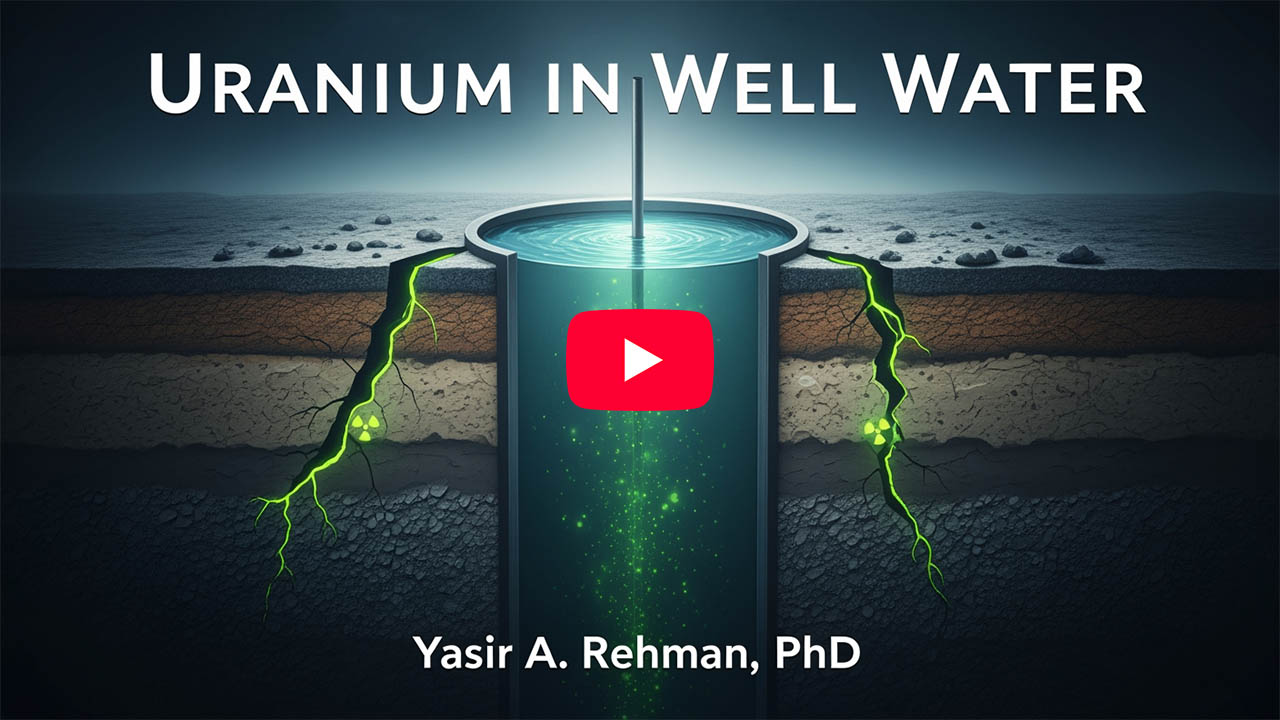
Radon can sneak into private wells without any warning signs. It arises from uranium decay underground, releasing radioactive water that many families use for cooking and cleaning. Levels vary by region, but the concern is widespread for those relying on well water.
Experts warn that radon in well water poses health risks. Testing is critical for those unsure about their water’s long-term quality. Professional evaluations are key, searching for groundwater radon contamination. This raises awareness about hidden dangers beneath the surface.
BIBLIOTEX publication raises alarm about radioactive elements in private wells. It advises homeowners to remain vigilant and seek guidance on testing and mitigation.
According to the American Cancer Society, "Radon is the second leading cause of lung cancer in the United States."
Public health advisors stress the importance of regular radon checks for well-water households. Early detection can mitigate unexpected threats and enhance water security. Regular assessments of local geology help families gauge possible radon infiltration.
How Radon Contaminates Groundwater
Natural bedrock can release radon, which mixes with aquifers over time. Households may face radon exposure if this gas becomes airborne during daily activities. Simple tasks like showering or running faucets can increase indoor radon levels.
Long-Term Exposure Concerns
Lung cancer is a major risk from prolonged radon exposure. Inhaling radon poses a significant threat, more so for those with respiratory issues. Safe water practices and timely testing are essential to reduce dangers from this hidden element.
Geological Factors Behind Methane in Drinking Water
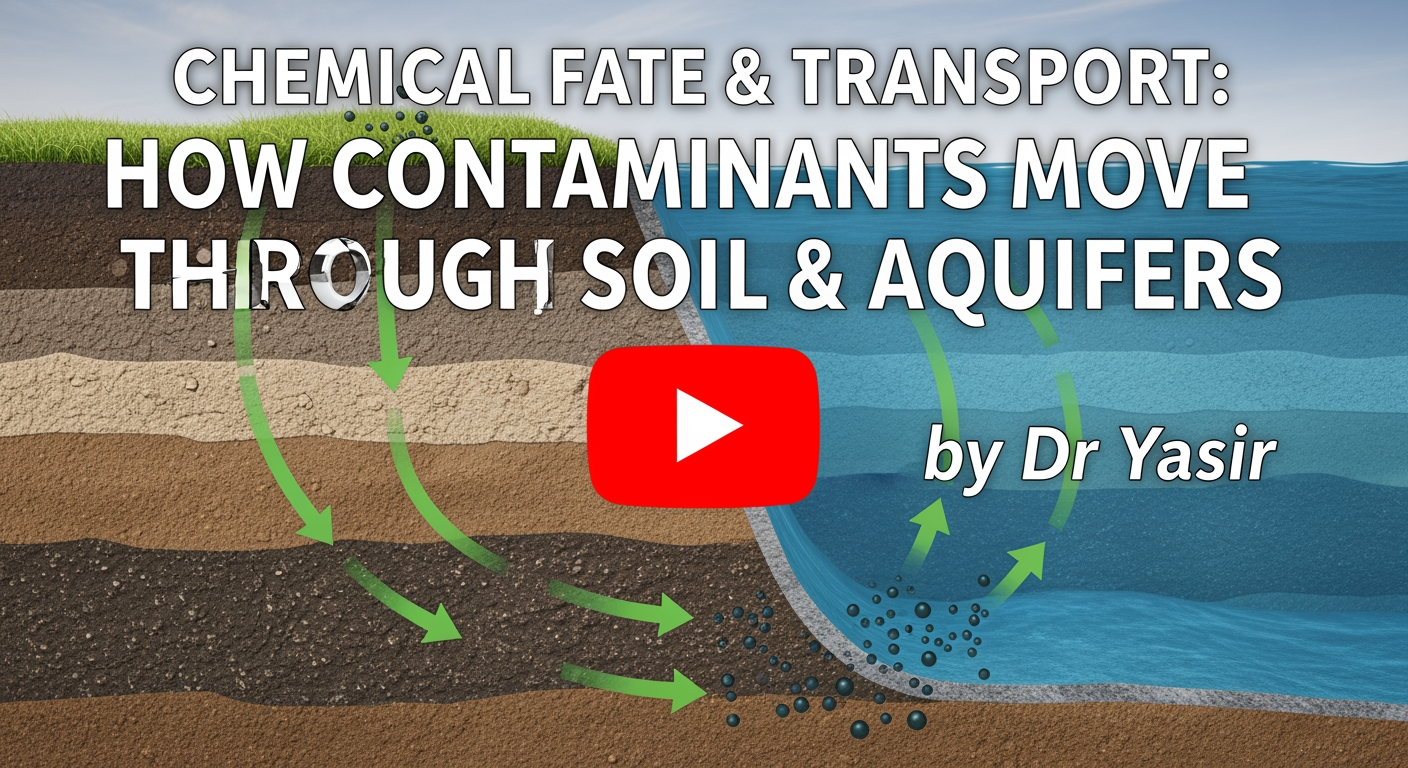
Deep rock formations often trap pockets of methane, which can migrate into nearby aquifers over time. This process occurs when organic matter breaks down and pushes gas through small pathways. Residents in certain areas report flammable water from their faucets, signaling that methane in well water may be on the rise.
Geological methane seepage raises concerns over natural gas contamination and poses hazards. Some homes face a reduction in indoor air quality if gas collects indoors. Well water safety plans focus on detecting shifts in underground pressure, which can warn of new leaks.
A thorough approach includes identifying local rock layers, scheduling routine tests, and applying proper ventilation techniques. Routine checks prevent sudden spikes in methane levels. The table below outlines key factors that influence gas infiltration and recommended measures to protect drinking water.
| Factor | Impact | Action |
| Soil Composition | Encourages seepage routes | Test and monitor vents |
| Geologic Shifts | Increases flow of methane | Consult licensed experts |
| Aquifer Depth | Raises flammable water risk | Install proper sealing |
Testing Methods for Well Water
Many homeowners rely on regular checks to safeguard their water supply. Well water testing is essential to identify contaminants that could harm family health. Changes in geology, climate, or infrastructure can alter water quality, making frequent reviews critical.
Experts recommend a two-pronged approach to detect issues. Some prefer a direct method for immediate results. Others opt for specialized services for more detailed insights. Each method plays a unique role in ensuring home water safety.
Professional Lab Analysis

Trained technicians collect and analyze samples under strict guidelines. This professional water analysis includes radon and methane tests, among others. Laboratories provide detailed reports that reveal exact levels of harmful substances. Homeowners can rest assured that any chemical or biological threats are identified and addressed.
DIY Test Kits
For those looking for a quicker, less expensive option, DIY test kits are available. These kits offer simple steps to detect bacteria or unexpected toxins. They can signal early signs of trouble and prompt further evaluations if readings exceed safe levels.
| Method | Approx. Cost | Scope of Testing |
| Professional Lab Analysis | Medium to High | Broad screening (includes radon and methane tests) |
| DIY Test Kits | Low | Basic surveys of contaminants |
Safety Guidelines for Homeowners
User education is key for safe well water practices. Regular tests and keeping records are essential to catch unknown contaminants. This proactive approach is critical for health protection, given the risks from gas or chemical hazards.
Regular maintenance extends a well’s life and prevents pollution. Professional inspections can uncover structural issues or hidden leaks. A strong cover prevents debris, and a secure wellhead blocks contaminants. Keeping a safe distance from septic tanks or other high-risk areas also helps reduce contamination risks.
Reliable homeowner guidelines emphasize the importance of ongoing learning. Understanding water filtration systems allows families to install the right equipment for radon, methane, or other impurities. Staying in touch with local agencies ensures timely updates on best practices and safety alerts.
Essential Well Care Tasks
| Action | Recommended Frequency |
| Professional Inspection | Once Per Year |
| Water Quality Testing | Every 6–12 Months |
| Filter Replacement | Based on Manufacturer’s Guidelines |
| Well Cap and Seal Check | Monthly |
How Well Water Influences Property Value
When considering a home, buyers often prioritize the safety of the water. The value of a property with well water can increase if regular testing is shown. Upgrades that lower radon risks can also reassure investors.
Appraisers often assess water quality during home evaluations. This is critical in areas where underground sources might contain methane. Taking steps to prevent pollution can boost confidence in a home’s health.
Insurance and Mortgage Considerations
Insurance providers may review lab results before covering wells. Mortgage approvals might have stricter conditions if contaminants are found. Sellers who share recent test results are more likely to close deals quickly.
Potential Resale Challenges

Uncertainty about water safety can deter buyers. Those worried about radon contamination often seek proof of clean water. Early maintenance can lead to stronger offers and better future sales.
| Key Factor | Outcome |
| Water Testing | Boosts property image and buyer trust |
| Certification | Helps ensure smoother financing steps |
| Pollution Mitigation | Decreases possible health risks |
| Documented History | Strengthens future resale value |
Local Resources and Government Support
Homeowners in Georgia can access guidance through outreach programs. These programs encourage proactive steps towards cleaner well systems. Georgia water authorities and the Georgia Department of Public Health provide educational materials. They discuss common contaminants and practical testing approaches.
Local health departments in many counties share updates on new research and resources. These updates address specific well-water issues. State agencies focus on government well regulations to protect both private and public supplies. These rules outline safe drilling procedures and strategies for long-term maintenance.
Certain state programs offer funding or reduced-cost evaluations. This gives families an opportunity to improve their current setups. Some homeowners seek help from the Georgia Environmental Protection Division. They identify environmental resources and proper waste disposal methods.
Universities and extension services are key in groundwater research. They organize workshops and online information hubs. These show property owners how to interpret test results. Collaboration among institutions supports ongoing education, ensuring residents stay informed about new contaminants.
Free or discounted sampling events sometimes occur. This allows anyone with a well to learn about hazards in their area.
"Our goal is to equip every household with reliable resources and timely updates," stated a spokesperson from the Georgia Department of Natural Resources. "When agencies and communities unite, well water quality improves for the entire region."
Residents seeking extra guidance can consult outreach personnel. They can schedule on-site evaluations. Many homeowners find that consistent communication with these experts leads to better water safety for their families.
Action Steps Toward Cleaner Water Systems
Homeowners often focus on testing but overlook structural safeguards. Environmental guidelines emphasize consistent inspection and timely repairs. Protective measures help ensure safe drinking supplies and reduce health risks.
Sealing Cracks and Upgrades
Sealing well cracks builds resilience against debris and runoff. Modern components boost performance, leading to better flow and fewer hazards. Water system upgrades involve corrosion-resistant pipes and improved casing materials. This keeps drip lines secure and discourages intrusions.
Routine Maintenance Plans

Regular water maintenance addresses small issues before they grow. An organized schedule might include pumping checks, sanitary seal evaluations, and detailed sampling. A simple approach involves reviewing steps to disinfect private water wells when needed. Consistent monitoring promotes contamination prevention and contributes to well water improvement.
- Check pump efficiency every six months
- Test chemical balance quarterly
- Inspect casing seals each year
| Action | Purpose |
| Check pump efficiency every six months | Block surface pollutants |
| Test chemical balance quarterly | Reinforce old infrastructure |
| Inspect casing seals each year | Catch leaks early |
| Contamination prevention | Protect household health |
| Well water improvement | Sustain long-term quality |
Looking Ahead to Safe and Sustainable Well Solutions
In Georgia, well owners are embracing new technologies for future well safety and dependability. They’re installing smart filtration systems that monitor water quality in real-time. These systems alert homeowners to any issues, ensuring a steady supply of clean water that meets health standards.
State agencies, like the Georgia Environmental Protection Division, are backing research into advanced water treatment methods. Experts are working on long-term solutions to protect community health from new threats. They’re using remote sensors and drones to check water quality from deeper aquifers. This approach aims to reduce environmental impact while ensuring public well safety.
Education programs across the state are teaching eco-friendly water management. They educate households on proper disposal of pollutants. Homeowners’ associations and non-profits are working together to prevent contamination. This collective effort aims to extend well lifespans and ensure a healthier future for everyone.
Collaboration between government and private innovators is leading to practical solutions. They’re exploring smart coatings and upgraded drilling techniques to protect wells. Neighborhoods are coming together to keep watersheds clean and productive. This focus on efficient practices is setting the stage for safer wells and a healthier tomorrow.