Understanding the Shift in EPA Policy
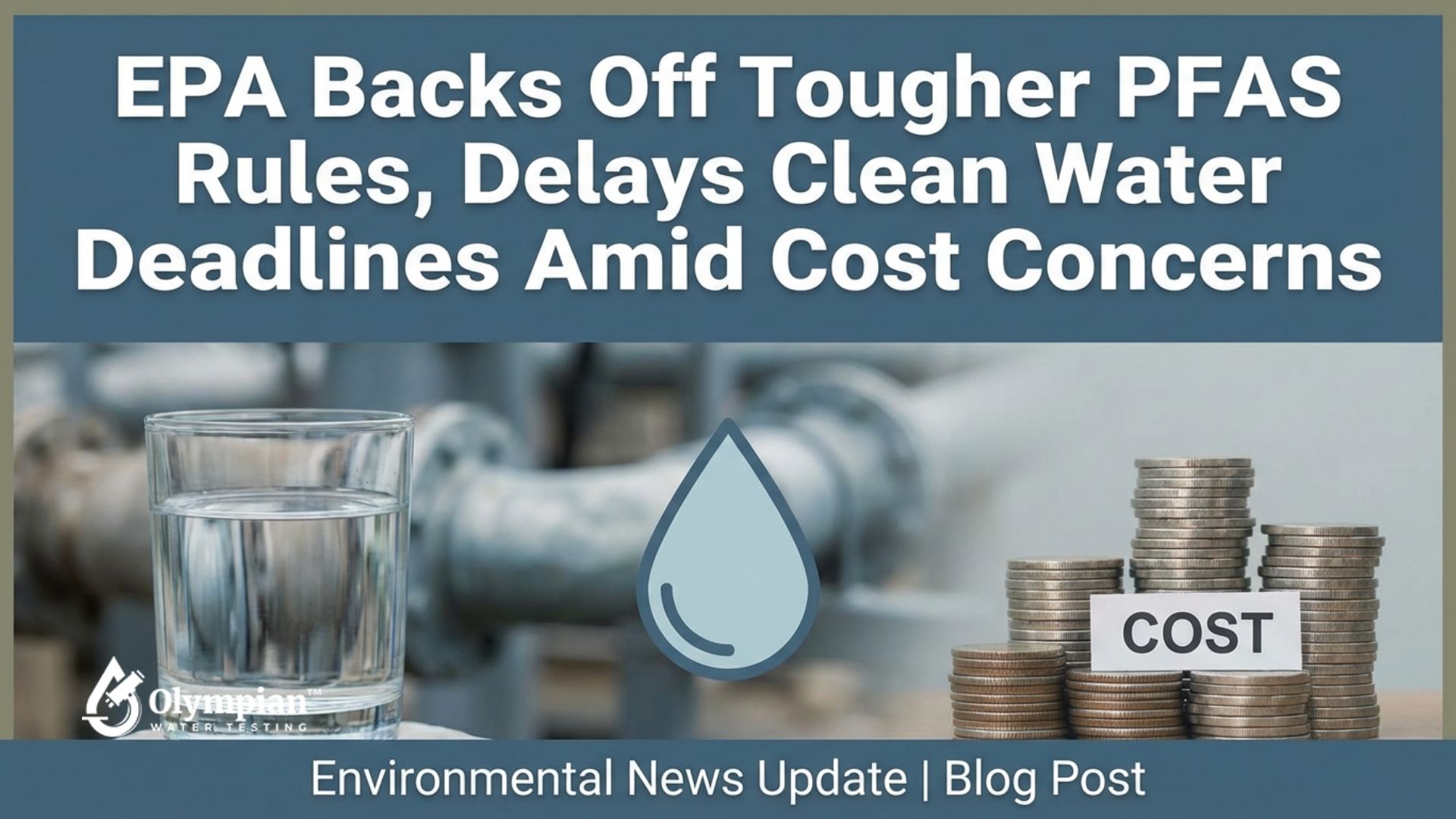
In April 2024, federal leaders set caps on certain PFAS chemicals and aimed for compliance by 2029. New studies questioned the safety of these levels. This led to a revision of the thresholds and a two-year extension of the deadlines. This change has sparked a debate on finding the right balance between acting quickly and allowing time for adaptation.
Many are concerned about how these delays will impact efforts to tackle PFAS water contamination. Public health advocates stress the importance of addressing contaminated sources for community well-being. Industries, on the other hand, highlight budget and infrastructure challenges in meeting drinking water regulations.
Some worry that longer timelines might hinder progress. Others see a chance to improve treatment methods and secure funding. The shift is driven by several factors:
- Growing evidence on chemical persistence
- Financial implications for local utilities
- Emerging technologies for PFAS testing
These considerations guide decision-makers as they reassess strategies to protect public health under evolving drinking water regulations.
Cost Concerns Driving Regulatory Delays

Local officials and industry leaders are under intense pressure to manage the financial burden of new contamination rules. Estimates suggest that water system upgrades could cost around $1.5 billion annually. This raises concerns about the impact on household and small business budgets.
Some cities fear that these investments might not be worth it if funds are tight. Communities are getting frustrated, feeling that federal support is not forthcoming. This leads to public outcry, demanding a fair share of financial responsibility.
Economic Impact on Local Municipalities
Municipal governments are facing budget constraints for essential infrastructure upgrades. The cost of PFAS cleanup is a major concern. Water agencies are debating whether to pass these costs to consumers due to inflation and maintenance needs. A few providers are taking legal action, questioning the current guidelines’ effectiveness.
Balancing Public Health and Budgetary Constraints
Some lawmakers suggest additional support for communities facing expensive upgrades. There are ongoing debates about limiting the use of certain filtration technologies. This is highlighted in a recent commentary. The focus remains on finding sustainable solutions that protect water quality without overburdening taxpayers.
Industry Challenges and Compliance Strategies
Industry groups, including the American Water Works Association and the Association of Metropolitan Water Agencies, show readiness for new standards on emerging contaminants. They stress the need for fair timelines for treatment upgrades and detailed cost-benefit reviews. Some operators invest in advanced purification systems to meet PFAS compliance while maintaining reliable service.
Manufacturers and tech firms collaborate on novel solutions for filtration and remediation. These partnerships aim to reduce operational costs and enhance system efficiency. Water utilities closely monitor legal actions linked to PFAS lawsuits. This prompts them to refine safeguards and minimize future liability.
Compliance Strategy | Key Features | Potential Benefits |
Advanced Adsorption | High affinity for PFAS | Lower contamination levels |
Next-Generation Filtration | Reduced chemical usage | Long-term cost savings |
New Water Safety Standards Under Consideration

Policy makers are exploring new proposals to enhance drinking water regulations. One idea involves a hazard index framework, combining data on various PFAS contamination issues into one metric. This approach is seen as flexible by water utilities, as it can handle different contamination levels. Critics, though, argue that these standards should not weaken protections for communities already facing persistent toxins.
The Environmental Protection Agency is considering extensions for compliance for smaller or remote water systems. These communities often face financial and infrastructure challenges in meeting strict guidelines quickly. Supporters argue that these extensions help maintain progress without setting unrealistic deadlines. Yet, public interest groups raise concerns that these grace periods may extend exposure to PFAS contamination. The push for stricter drinking water regulations continues, but practical solutions must account for the diverse needs of different systems.
Potential Approaches | Description |
Hazard Index | Collective evaluation of multiple PFAS substances |
Compliance Extensions | Extra implementation time for rural or smaller systems |
Research on PFAS and Possible Health Risks
Scientists have found a link between long-term exposure to PFAS and increased cancer rates, thyroid problems, and weakened immunity. These substances, known as forever chemicals, do not break down in water or the human body. As communities learn about PFAS health risks in their drinking water, public awareness grows.
Ongoing Studies and Findings
Researchers from academic teams and independent labs are conducting fieldwork in contaminated areas. They focus on developmental effects in children and immune system responses. Their findings often show higher risks when water contamination levels exceed safe thresholds.
- Potential cancer correlations
- Thyroid imbalances across varied populations
- Immune responses linked to chronic exposure
Public Concern Over Contamination Levels
People living near manufacturing sites worry about the lasting harm from these forever chemicals. Grassroots advocates share research and highlight PFAS health risks, pushing for stricter oversight. They call for thorough testing and proactive measures, as studies reveal broader implications for long-term safety.
How Delayed Regulations Affect Communities
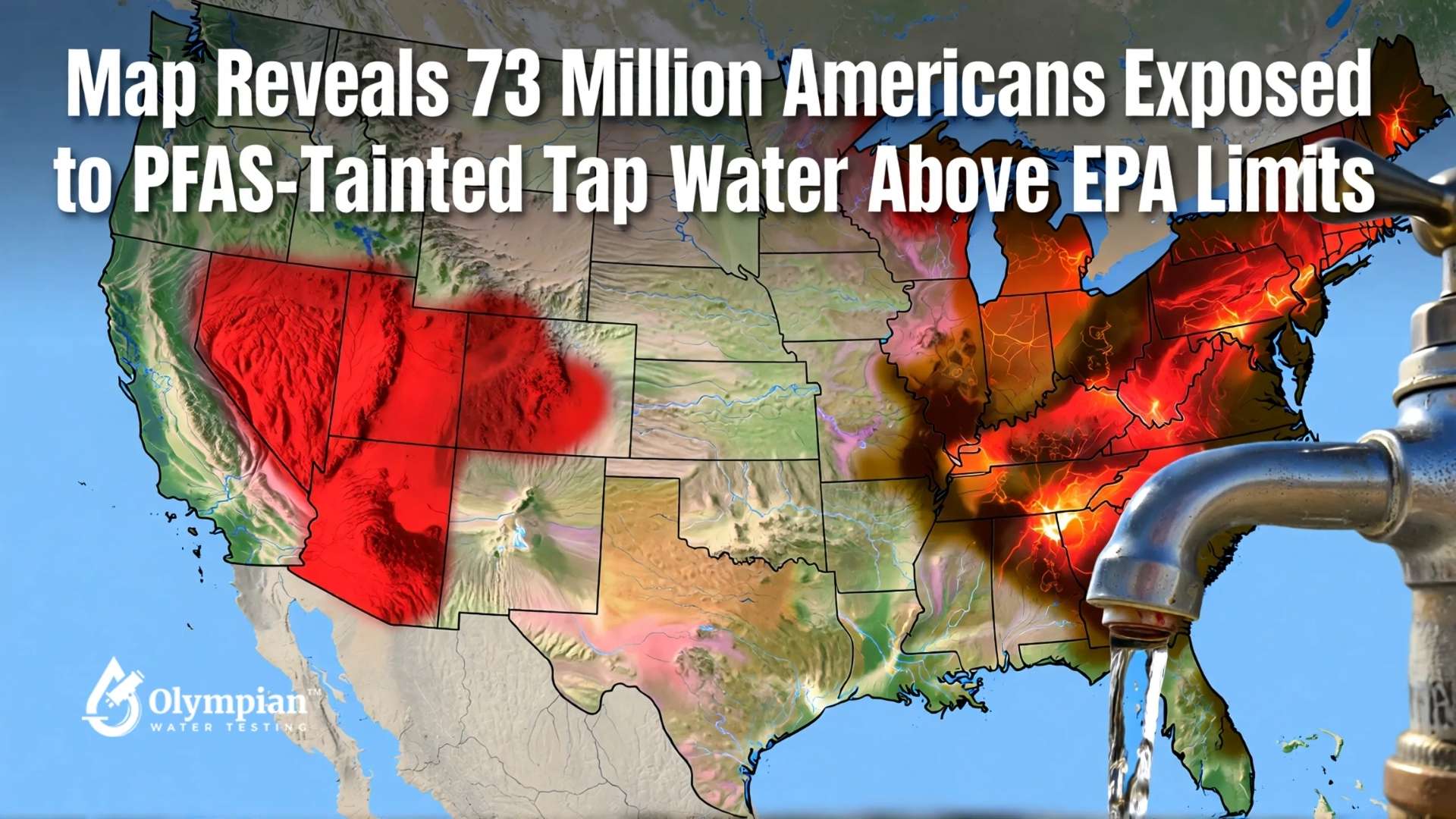
Pending guidelines create uncertainty for towns and cities on how to tackle contamination. Reports suggest 6–10% of U.S. water systems now exceed official limits. This puts up to 100 million individuals at risk. The decision to upgrade old infrastructure is complex, balancing PFAS water contamination with budget constraints.
Rural vs. Urban Water Infrastructure

Smaller communities struggle to meet modern standards due to limited resources. They often rely on outdated treatment methods, leading to significant PFAS cleanup costs. In contrast, urban areas have better filtration systems and larger tax bases, facilitating the adoption of advanced solutions. Rural regions must weigh clean water access against other pressing public needs.
Impact on Vulnerable Populations
Extended exposure to PFAS can exacerbate health risks for those with limited resources. Families with lower incomes, pregnant women, and children are most vulnerable. They rely heavily on local water supplies. Delays in updated guidelines prolong this uncertainty, increasing the risk of harm and highlighting existing disparities.
Comparisons to Other Environmental Policies
Past environmental policies, like TCE worker safety rules, show a consistent pattern of delays. Economic interests often cause administrators to slow or alter regulations affecting major industries. This creates a divide in public opinion, questioning whether cost should take precedence over public health.
Updates to chemical management policies often follow lengthy debates. Critics argue these revisions set a precedent that could impact PFAS compliance and other emerging protections. They stress the need for a stronger commitment to PFAS compliance for consistent outcomes. Manufacturers face feasibility challenges, prompting lawmakers to seek alternatives.
Drinking water regulations also face intense scrutiny. Budget-focused leaders may delay new standards, leaving communities in limbo. The debate raises doubts about local support for Drinking water regulations aimed at protecting residents from health risks. This mirrors the TCE disputes, highlighting the societal dilemma of balancing fiscal concerns with genuine well-being.
Perspectives from Environmental Advocates
Environmental groups, like the Natural Resources Defense Council, see recent policy changes as favoring cost savings over enhanced safety measures. They argue that communities continue to face contamination risks when action is delayed. The Safe Drinking Water Act’s anti-backsliding clause is seen as a critical safeguard for maintaining current standards.
Key Arguments for Stricter Rules
Advocates contend that delaying regulations can exacerbate PFAS health risks. They reference studies showing links between PFAS exposure and health issues in vulnerable populations. The growing concern over PFAS lawsuits is heightened when public health is compromised, often in areas already dealing with water contamination.
Potential Alternatives for Immediate Action
Experts propose immediate use of effective filtration technologies. They recommend enhanced community education programs to alert residents to dangers. Local officials and agencies should conduct advanced testing and monitoring, ensuring water utilities are held responsible. These steps aim to minimize PFAS exposure until federal guidelines are established.
Possible Timeline for Regulatory Revisions
The Environmental Protection Agency anticipates an updated rule by 2026. The April 2024 standards act as a temporary guide. This timeframe allows water providers to enhance monitoring and explore new filtration options.
Public health advocates express concern over the slow pace. Delays in negotiations could leave communities vulnerable, where PFAS contamination is a pressing issue. Water utilities predict that each revision will increase the complexity of PFAS compliance.
Experts believe that proposals, feedback, and legal challenges will influence the final standards. The lead-up to 2026 is critical for data collection, overcoming technical obstacles, and ensuring affordable access to clean water.
State-Level Actions to Fill Federal Gaps

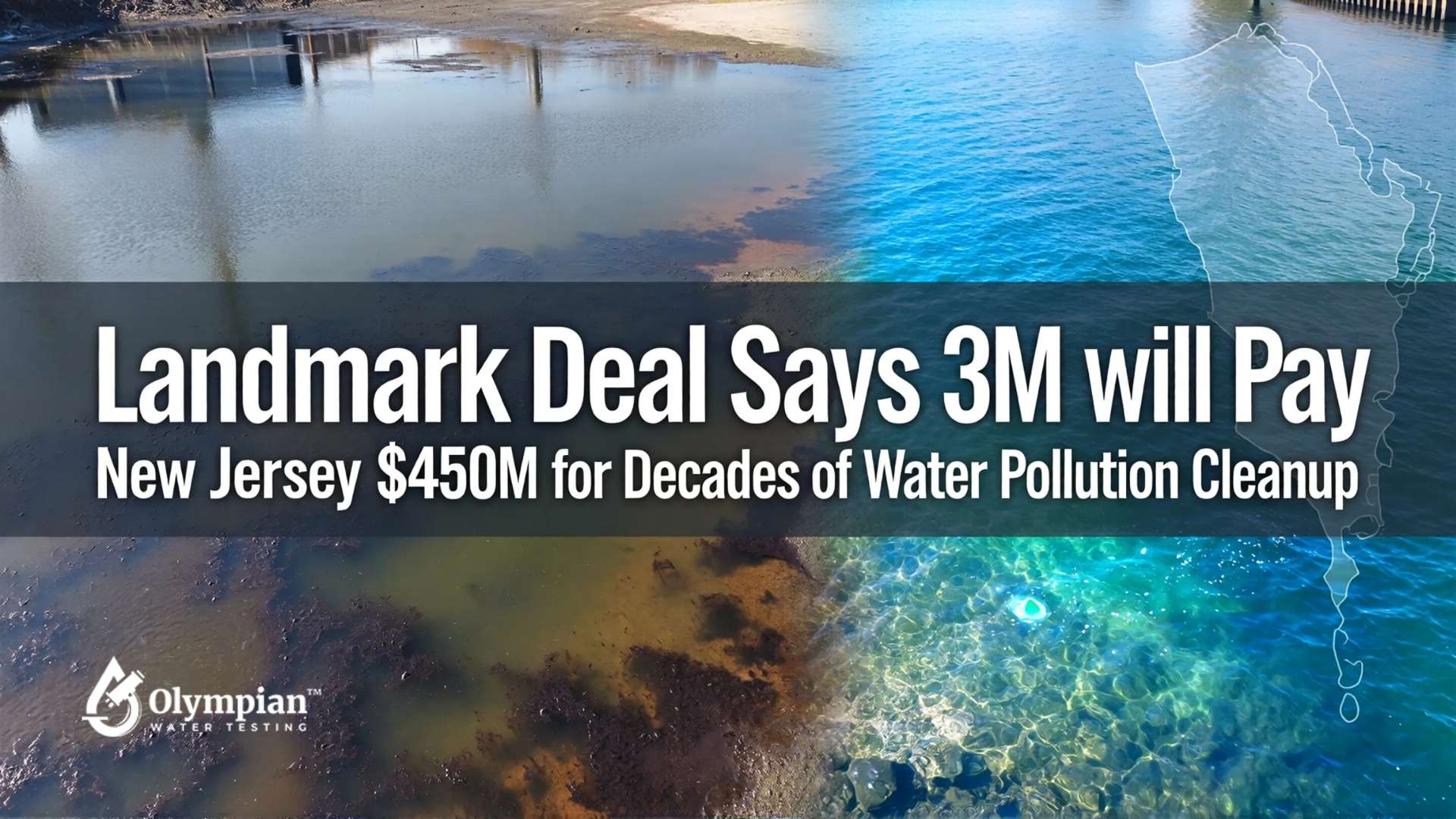
In many states, the push for stricter rules on forever chemicals is a contentious issue. New Jersey has set a precedent with its strict limits and a $2 billion settlement with DuPont, Chemours, and Corteva. This settlement will fund the cleanup of contaminated sites, highlighting the growing trend of PFAS litigation against corporations.
Local politicians often point to health risks as the reason for stricter environmental laws and settlements. They demand more openness from industries that pollute local water sources. While these measures aim to protect residents, their effectiveness can vary greatly depending on the region.
Notable Examples of Local Legislation
Micigan and New York have also adopted their own rules for forever chemicals, following New Jersey’s lead. Public utility officials report better water quality, but the costs of compliance might be too high for smaller towns.
Challenges of a Patchwork Approach
Different regulations in each state make testing and engineering standards inconsistent. Water systems in multiple states face the challenge of meeting various reporting standards, leading to confusion. This situation fuels more PFAS litigation and prompts calls for a unified federal approach.
State | Action | Outcome |
New Jersey | Strict PFAS standards, major settlement | Comprehensive cleanup initiatives |
Michigan | Statewide MCL limits | Reduced contaminant levels |
New York | Required testing and disclosure | Greater public awareness |
Where Water Safety Goes from Here
Public interest in PFAS water contamination is fueling new discussions about local water safety. Ongoing research at EPA-affiliated labs, universities, and private industry is refining detection methods. It’s also exploring more affordable water treatment options. These advancements suggest a path toward greater community peace of mind.
Drinking water regulations face significant cost hurdles, hindering some mandates. Legal and scientific pressures might push for stronger policies if budgets match public health objectives. Collaboration among municipalities, environmental groups, and industry leaders could lead to balanced solutions.
Breakthroughs in filtration systems offer hope for addressing PFAS contamination in both urban and rural areas. Public trust grows as real-time data shows progress toward cleaner water. State-level actions also provide support, filling gaps left by delayed federal rules.
Communities, regulators, and innovators are united in their goal: robust protections for a safe and equitable water supply. Each step forward brings the nation closer to enhanced water safety, with cost-effective treatment options on the horizon.