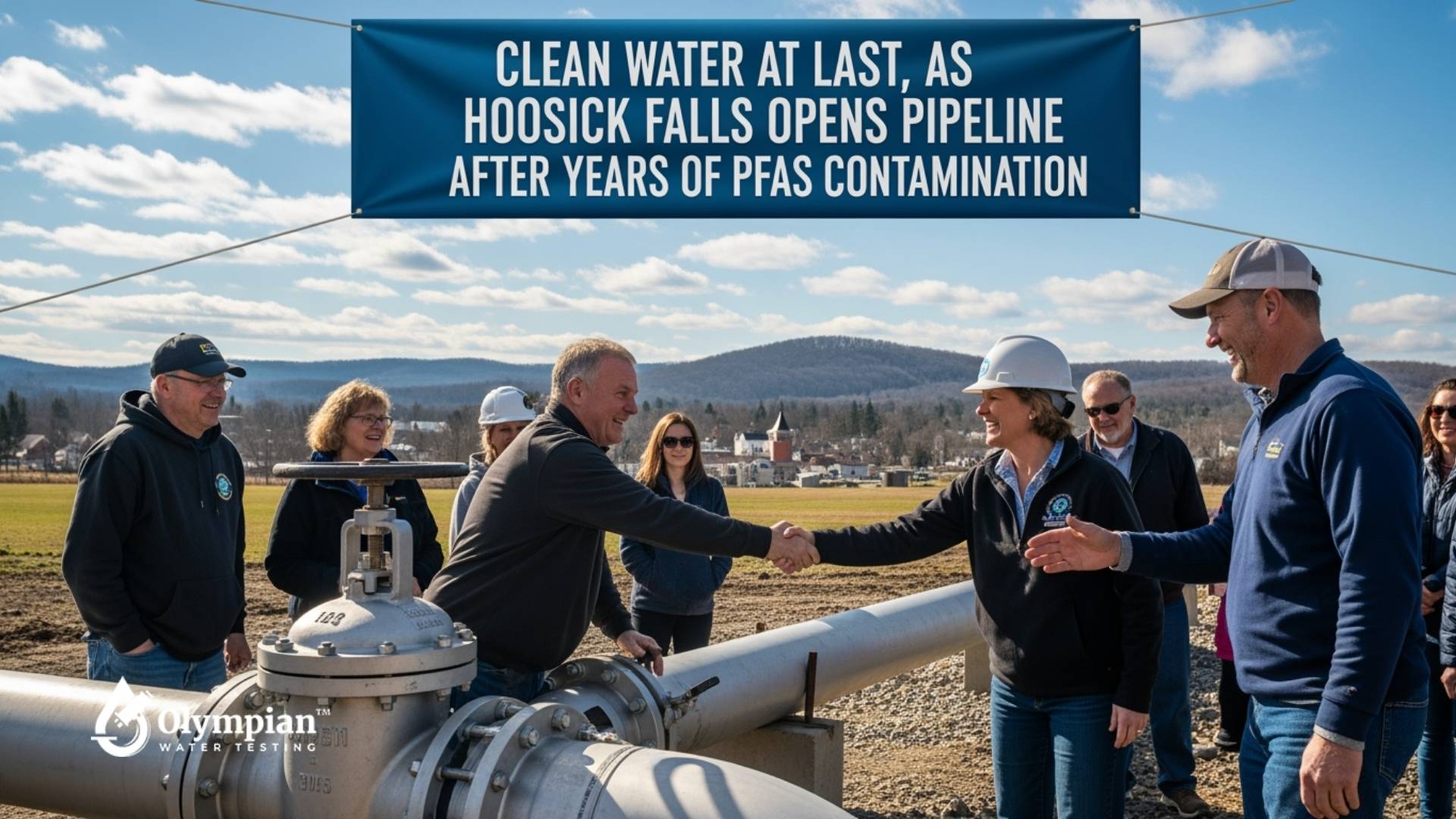
A Look at Hoosick Falls’ Water Crisis Origins
Local suspicions about sickness and unexplained ailments set the stage for a decisive discovery. Resident Michael Hickey dug into medical records after losing his father. His research pointed toward a hidden threat lingering in the water supply for more than a decade. Traces of PFAS chemicals, often called forever chemicals, surfaced in tests. These compounds were linked to industrial manufacturers in the region, including plants operated by Saint-Gobain Performance Plastics.
This problem did not appear overnight, and many felt it had remained unnoticed for too long. Hickey’s initial pursuit of answers turned into a larger investigation that prompted environmental specialists to take deeper samples. In many ways, the findings raised urgent questions about both corporate practices and public health procedures. Worries grew when neighbors realized that forever chemicals could remain in water for years, urging them to demand accountability and spark wide-ranging inquiries into PFAS chemicals in Hoosick Falls.
Revealing the Impact of PFAS Contamination
Residents of Hoosick Falls have faced significant health risks due to environmental contamination from PFAS. These chemicals, found in non-stick cookware and firefighting foam, persist in soil and water for years. The CDC and EPA have linked them to cancer and thyroid problems.
Understanding PFAS and Its Sources
PFAS contamination comes from various sources, including commercial products and industrial processes. These substances are resistant to breakdown and can contaminate local water sources.
Consequences for Resident Health

Long-term exposure to PFAS can have severe health consequences. The rise in medical bills has led to PFAS lawsuits, highlighting the urgency of these issues. Elevated cancer rates and thyroid disease are major concerns, affecting overall health. Continuous exposure necessitates immediate action to mitigate harm.
Why Early Detection Was Crucial
Early detection of PFAS contamination saved countless lives. Prompt action ensured safer drinking water and laid the groundwork for lawsuits against polluters. Enhanced monitoring allowed health advocates to implement effective interventions, preventing further escalation of problems.
Why Clean Drinking Water Matters for Public Health
Hoosick Falls has become a national focus due to its strict water testing protocols. It’s among the most scrutinized tap water sources in the nation. This intense focus showcases the village’s unwavering commitment to ensuring safe drinking water. Clean drinking water is essential for preventing illnesses and reducing exposure to harmful toxins.
The Centers for Disease Control and Prevention stresses the need for continuous monitoring. Implementing filtration systems and conducting regular analyses can protect communities from environmental pollutants. By minimizing contact with these pollutants, residents can significantly improve their long-term health.
These efforts underscore the significance of water safety. Regular monitoring, adhering to stringent safety standards, demonstrates a community’s dedication to public health. Preventing harmful water intake starts with prioritizing clean water sources and relying on frequent evaluations. This approach is key to fostering community well-being.
Addressing PFAS Contamination Through Collaborative Efforts

Hoosick Falls faced a critical challenge with toxic compounds in its water. Elected officials united residents, experts, and advocacy groups. This collaboration led to the implementation of better treatment systems.
Settlements with manufacturers provided millions of dollars for system upgrades. These enhancements boosted confidence in the water’s safety for families.
Local Government Interventions
Village leaders provided regular updates on water quality. They maintained open forums and guided negotiations. Their transparency fostered unity and drove efforts for stronger PFAS regulations.
Support from Environmental Agencies
Groups like the New York State Department of Environmental Conservation offered technical advice and testing protocols. This partnership ensured stricter monitoring. It also highlighted the need for ongoing research into new filtration techniques.
Key Milestones Leading to the New Pipeline
The journey toward safe drinking water in Hoosick Falls marked a significant shift with the discovery of AFFF contamination. Initial reports heightened community awareness, laying the groundwork for legal and environmental actions. Teams conducted well tests, documented chemical presence, and laid the groundwork for future upgrades to address health concerns.
Initial Investigations and Response
State agencies and independent researchers identified alarming signs, leading to a series of PFAS lawsuits against local manufacturers. These lawsuits sought compensation for property damage and supported the installation of essential upgrades. Settlements provided funds for new wells and advanced filtration systems, marking a significant step forward. The contamination linked to AFFF contamination intensified scrutiny from legal experts and advocates.
Community Advocacy Campaigns

Residents, led by figures like Michael Hickey, brought the crisis to the forefront. Their activism compelled officials and polluters to accept responsibility, leading to the construction of new wells and pump houses. Public awareness campaigns referenced the EPA proposal for stricter regulations on these chemicals. This focus on PFAS lawsuits bolstered the financial and political momentum for the new pipeline. The collective efforts of local leaders, neighbors, and health experts ensured progress toward safeguarding families’ health for generations.
Community Involvement in Water Safety Initiatives
Longtime residents came together when they realized the same hazard threatened every household. Their dedication sparked a wave of support across the village. Strong ties were forged, with neighbors sharing stories and resources. Many recalled the early days of the Hoosick Falls water crisis, when discussions often took place around kitchen tables. Each voice carried weight, inspiring fresh ideas for keeping families safe.
Citizens combined their strengths through forums, school-based fundraisers, and neighborhood gatherings. Their enthusiasm sowed the seeds of PFAS community action, illustrating the power of grassroots unity. Volunteers coordinated local events that brought science experts, environmental researchers, and civic leaders into open dialogue. Collaborative efforts helped ensure critical steps were taken toward clean water, including thorough testing and consistent updates from health officials.
Groups stayed vigilant, urging timely decisions on new infrastructure options. Crews eventually built a pipeline that signaled meaningful progress, but residents acknowledged the journey was never easy. Collective advocacy proved that determined individuals could overcome setbacks tied to the Hoosick Falls water crisis. Today, their story stands as a powerful example of PFAS community action at work, reminding everyone that united efforts can shield public health for generations to come.
Technologies Behind the New Pipeline

This cutting-edge system was crafted to combat PFAS contamination with advanced pipeline technology. Engineers incorporated powerful filtration units designed to capture harmful chemicals. This ensures the community’s water supply is safer.
Filtration and Treatment Methods
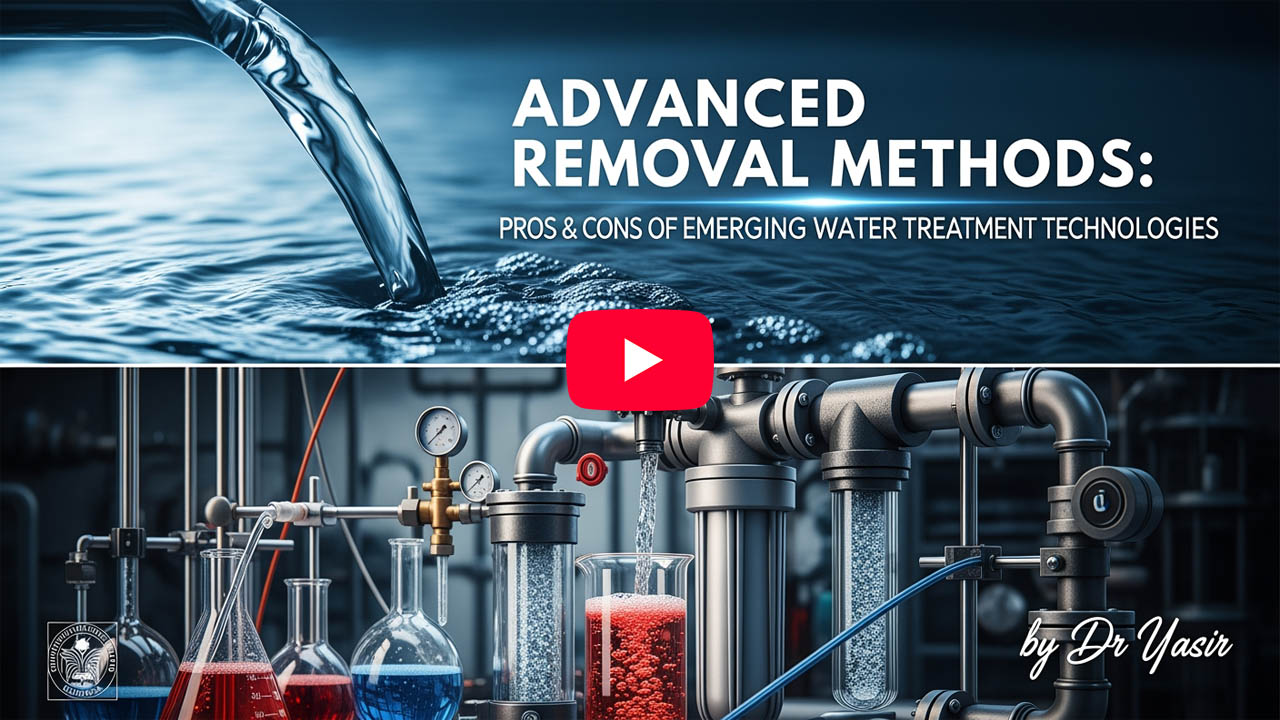
Teams used granular activated carbon filters to capture compounds that threatened water quality. Reverse osmosis acted as an additional defense, removing even the smallest pollutants. If on-site tests showed persistent contaminants, specialized systems were installed. These methods represent a targeted strategy for PFAS remediation.
Engineering and Construction Highlights
Experts charted a mile-long pipeline route to link essential access points. Crews excavated stable ground before laying down reinforced segments capable of handling heavy flow. Skilled technicians oversaw welds and seals, ensuring no gaps or weak spots. Regular inspections maintained the structure’s integrity throughout the project.
Component | Purpose | Benefit |
Granular Activated Carbon | Attracts and locks in contaminants | Reduces PFAS levels effectively |
Reverse Osmosis | Filters at the molecular level | Delivers higher water purity |
Durable Pipeline Segments | Reinforced for high-pressure flow | Guarantees long-term reliability |
Federal and State Regulatory Oversight in Hoosick Falls
Local and state leaders now work with federal agencies to improve water quality. This change is due to new science revealing critical health risks from chemicals in the water system.
The Environmental Protection Agency has set stricter rules for pollutants, raising national drinking water standards. This move aligns with EPA guidelines aimed at safeguarding communities from industrial runoff and emerging toxins.
Officials suggest adding specific compounds to the federal hazardous substances list under CERCLA. This would strengthen the legal framework for site cleanup. New York’s regulatory measures reflect a strong stance, with stricter oversight to prevent PFAS contamination and related hazards.
These policies hold companies responsible for their waste disposal and push for better filtration systems. Statewide monitoring includes routine sampling, record-keeping, and open reporting to the public. Many see these steps as essential for restoring trust and maintaining safeguards in places like Hoosick Falls.
Keeping a close eye on these developments fosters transparency among all stakeholders. Federal funding often supports research on new remediation methods, including advanced filtration technology. Community groups welcome updated standards that reduce long-term risks and encourage cleaner water practices. Clarity in regulations promotes timely action and prioritizes public well-being.
Long-Term Environmental and Health Benefits for Residents

New developments in Hoosick Falls bring renewed hope for households once plagued by forever chemicals in their water supply. Residents enjoy safer pipelines that reduce concerns about invisible toxins. With PFAS-laden water routes halted, day-to-day life feels more secure, and families trust that frequent checks will preserve these improvements. Modern solutions support a healthier outlook for the entire community.
Reduced Chemical Exposure Over Time
Proactive steps have diminished the presence of forever chemicals across local systems. Engineers built filtration processes that confine pollutants before they reach faucets. Findings from a scientific report confirm that constant scrutiny boosts ongoing safety, shielding residents from distressing long-term effects. This approach promotes fewer illnesses and fosters a renewed sense of calm.
Greater Public Awareness and Education
Local campaigns invite citizens to learn about possible dangers and recognize early warning signs. Public health experts collaborate with schools and community centers to bolster shared responsibility for water safety. Workshops guide everyone in identifying risks, sustaining vigilance against contamination, and championing a future that protects public health for generations to come.
Looking Toward a Sustainable Future in Hoosick Falls
Hoosick Falls is leading the way in recognizing the importance of clean water as a collective duty. The village’s journey shows how effective solutions can arise when local leaders, residents, and regulatory bodies work together. Through rigorous water testing and continuous outreach, they ensure transparency and public confidence.
Hoosick Falls serves as a model for other communities aiming to tackle environmental pollution. Many are adopting similar strategies to safeguard public health through research and education. This approach proves that perseverance and cooperation can lead to significant progress. By encouraging responsible water use and introducing innovative treatment technologies, Hoosick Falls is forging a path towards a safer, more sustainable future.