Overview of PFAS Testing Efforts in the United States
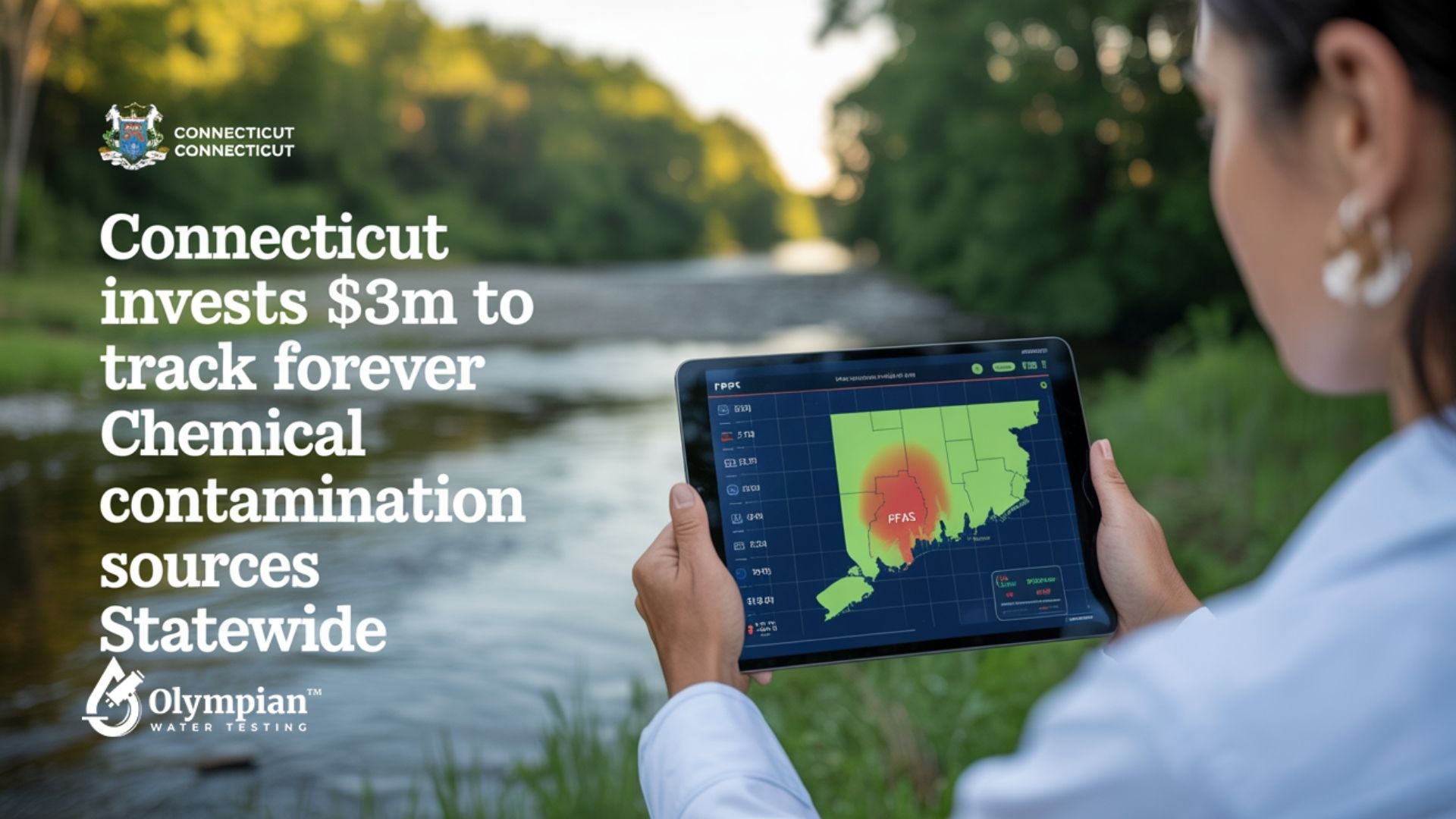
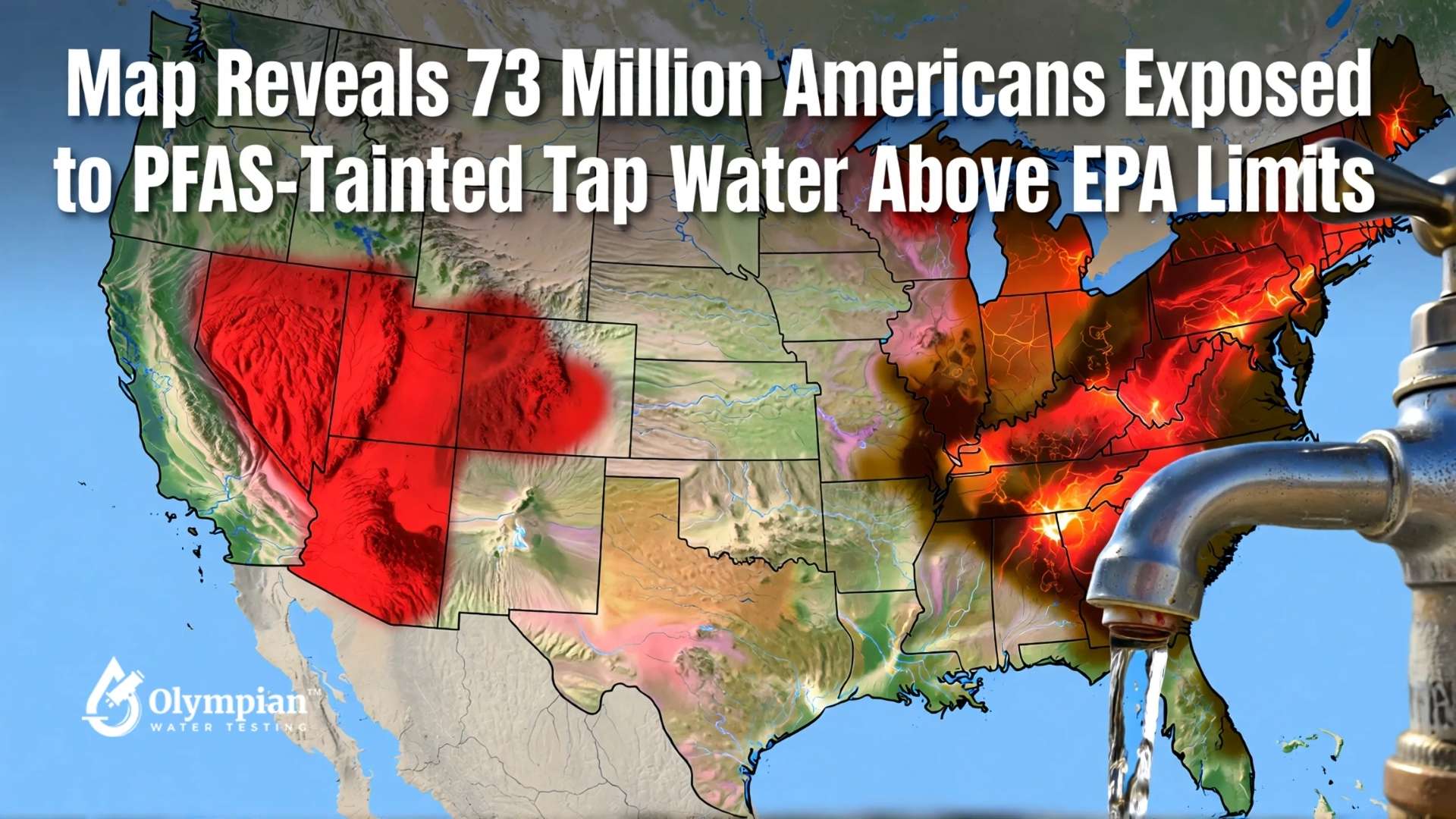
State authorities have stepped up PFAS detection efforts due to growing safety concerns. They aim to safeguard those relying on wells and municipal systems. This is achieved through direct testing and enhanced oversight.
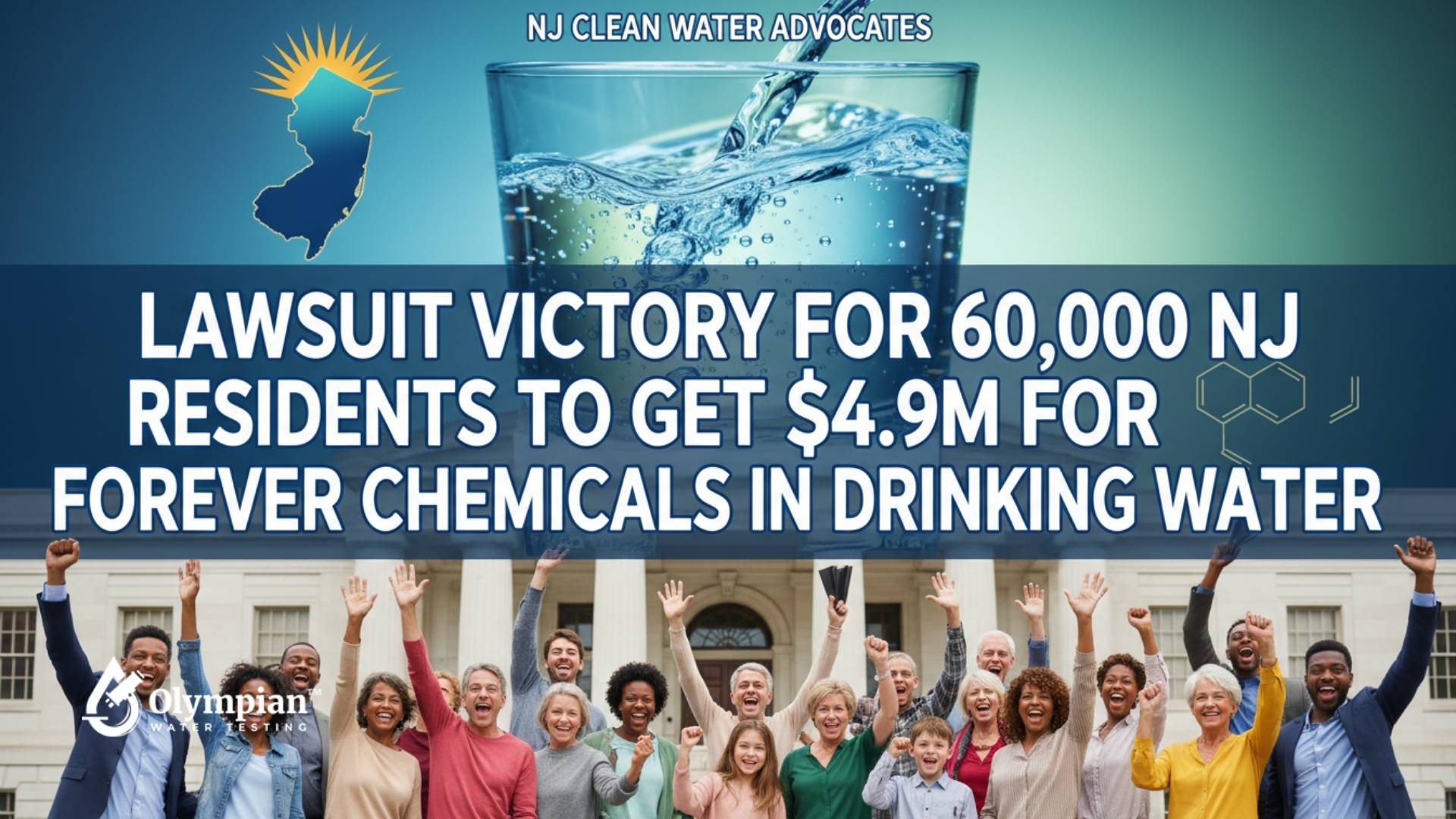
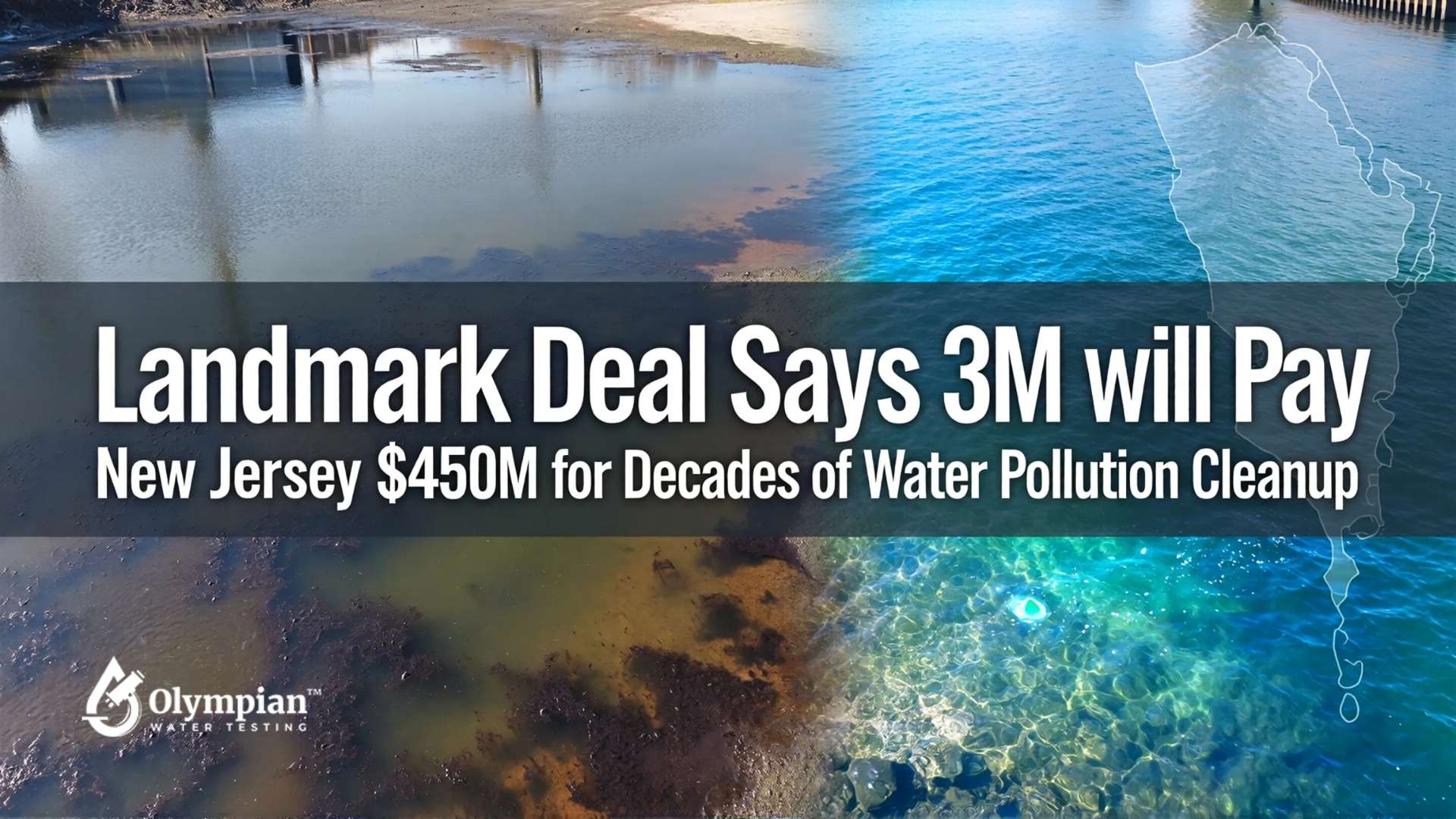
States like New Jersey have implemented cleanup measures and secured large settlements with industrial manufacturers. The Department of Defense has identified hundreds of installations with possible PFAS releases. This has led to calls for thorough evaluations.
Defining PFAS
PFAS stands for per- and polyfluoroalkyl substances. These chemicals are found in nonstick coatings, water-resistant textiles, and some firefighting materials. Their chemical bonds are so strong they resist breakdown, earning them the nickname forever chemicals.
Historical Context of Water Safety Concerns
National debates on drinking water quality have a long history, dating back to early environmental movements. Cases of widespread contamination have prompted federal and state agencies to set stricter guidelines. This has led to the current PFAS investigations.
State | PFAS Initiative | Year |
New Jersey | Strict PFAS limits for drinking water | 2019 |
Michigan | Widespread sampling of municipal sources | 2020 |
California | Detection programs near airports and refineries | 2021 |
Why Well Water Requires Special Attention

Public water systems undergo regular inspections, but private wells often lack such oversight. This disparity puts well owners at a higher risk for undetected contamination, a significant concern in remote areas. PFAS compounds can easily migrate through soil and contaminate groundwater, posing a threat when industrial or military activities are nearby.
Some families may unknowingly live with chemical pollutants for years. Routine lab tests can uncover issues early, but financial hurdles often prevent frequent testing. Those relying on personal wells face higher costs due to the need for specialized analyses to detect emerging contaminants.
Experts stress the need for community-based initiatives to boost awareness. Neighbors can pool resources or organize group testing events. This collective effort reduces costs and promotes timely detection.
Key Consideration | Impact |
Unregulated Wells | Fewer mandatory tests mean greater exposure risk |
PFAS Migration | Chemicals can spread from industrial or military zones |
High Testing Costs | Rural households may shoulder higher fees for certified labs |
How forever chemicals Affect Rural Water Supplies
Communities with private wells are at risk from PFAS compounds, often hidden. The Environmental Protection Agency stresses the need for groundwater testing. This is to detect any signs of increasing exposure.
Chemical Properties That Impact Groundwater
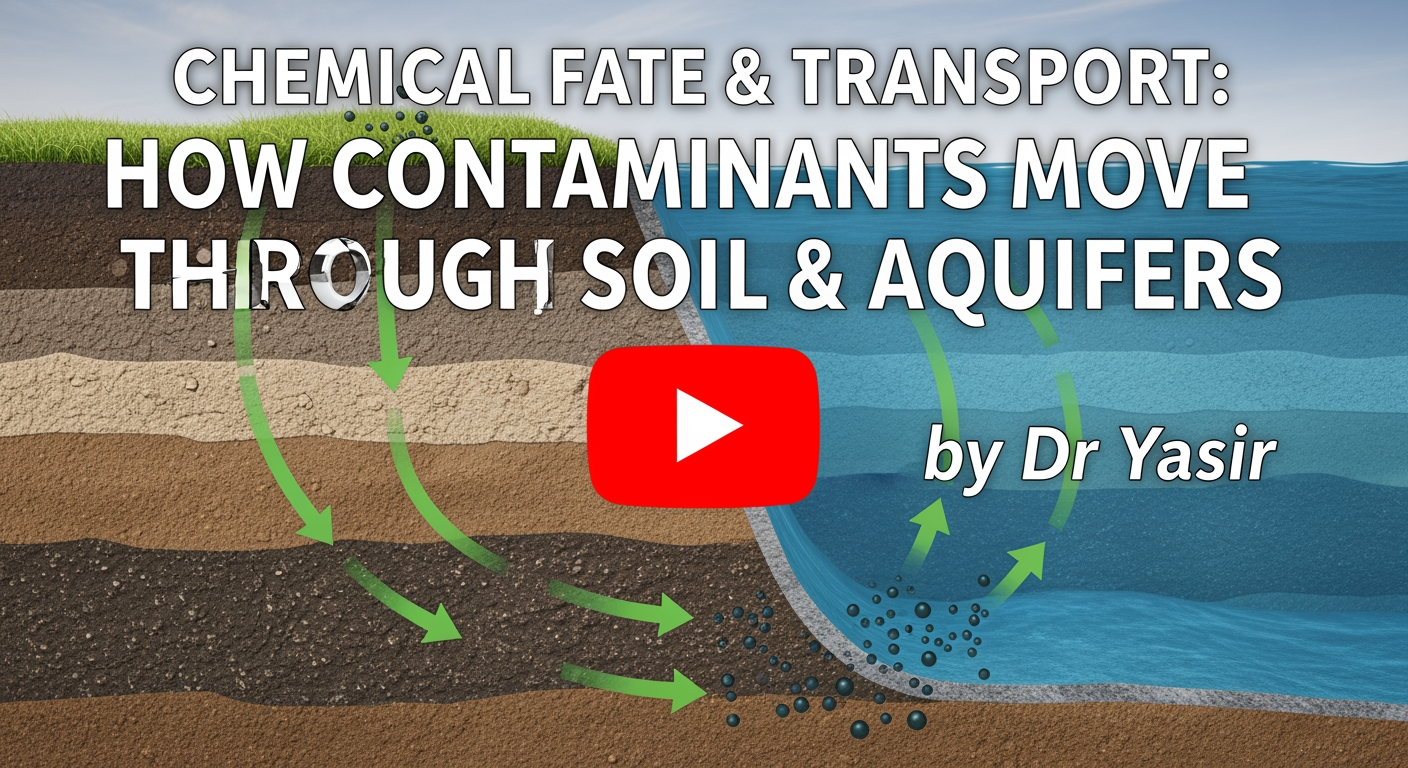
PFAS compounds have unique properties that make them hard to filter. Their dense molecular structures stick to sediment and move through soils at different speeds. This can pose significant challenges for rural water supplies that depend on wells.
Long-Term Environmental Persistence

Experts note that these chemicals persist for years. Their slow breakdown leads to hotspots where contaminated water can seep into surrounding areas. Monitoring and regular sampling are key for homeowners to stay updated on contamination levels.
Possible Contamination Pathways
Industrial runoff, landfill seepage, and firefighting foam residue can contaminate groundwater. The Department of Defense has found instances where materials spread beyond base boundaries, affecting nearby civilian wells. Local campaigns push for regular well checks to mitigate health risks.
The Growing Financial Burden for Rural Homeowners
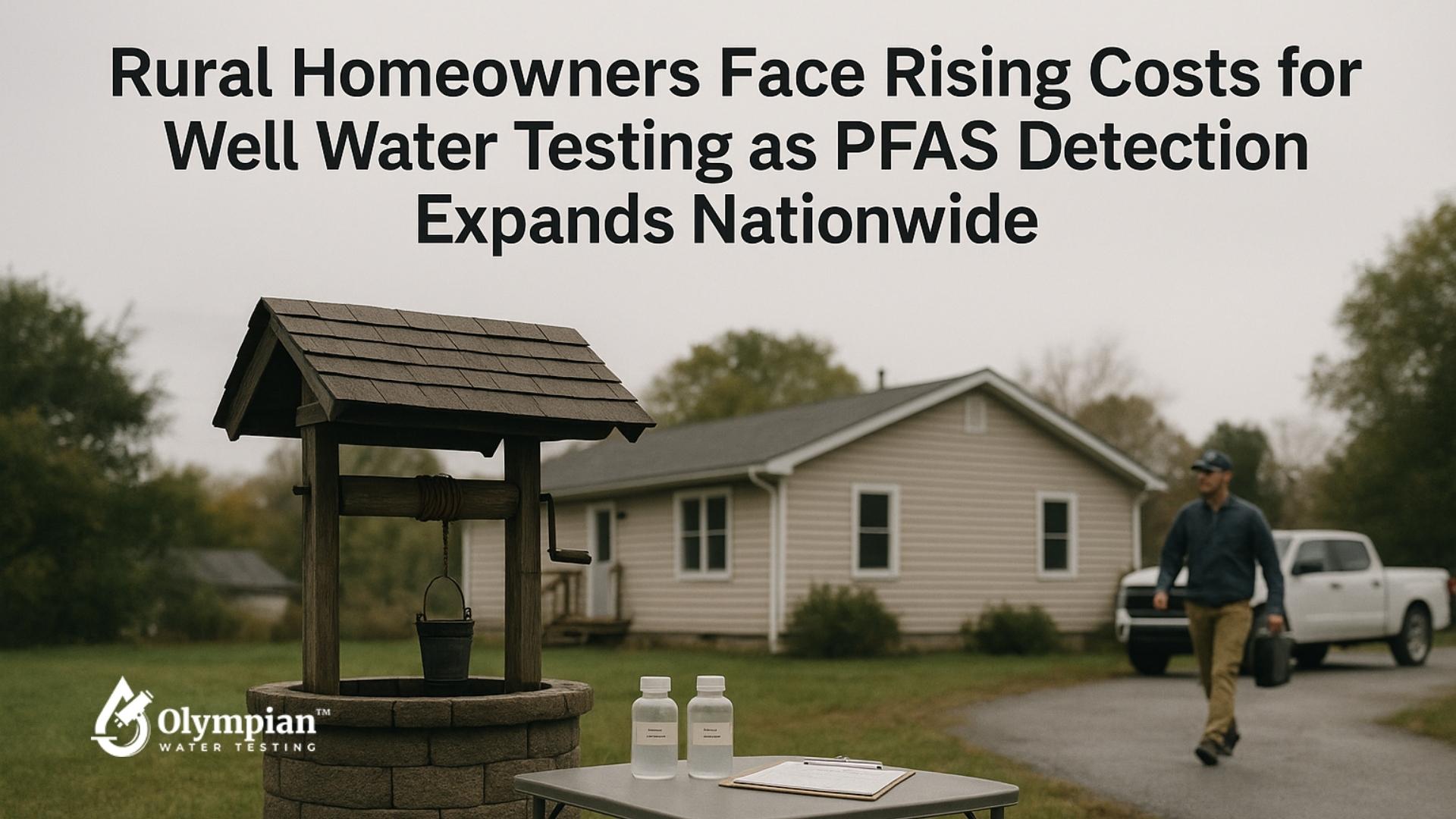
Rural families across the United States are facing increasing costs due to PFAS testing and treatment. Those relying on private wells often have to pay for detailed lab tests. Some may need to invest in new equipment to ensure their water remains safe from contaminants.
Court battles against companies like DuPont and 3M highlight the financial strain on individuals. Homeowners often use their savings for advanced filters or repeated water sampling. They also seek help from local authorities, but budget constraints can hinder progress.
While basic testing kits might seem affordable, more accurate methods come with higher costs. This can be a significant burden on household finances. Some turn to legal advisors, hoping for compensation, but these cases can drag on. Families are then left with a difficult decision: risk exposure to unknown contaminants or spend limited resources on continuous monitoring.
Expense Type | Estimated Cost Range |
Lab Analysis | $150 – $300 |
Filtration Systems | $800 – $2,000 |
Legal Assistance | $2,000 – $10,000 |
State and Federal Regulations Addressing PFAS
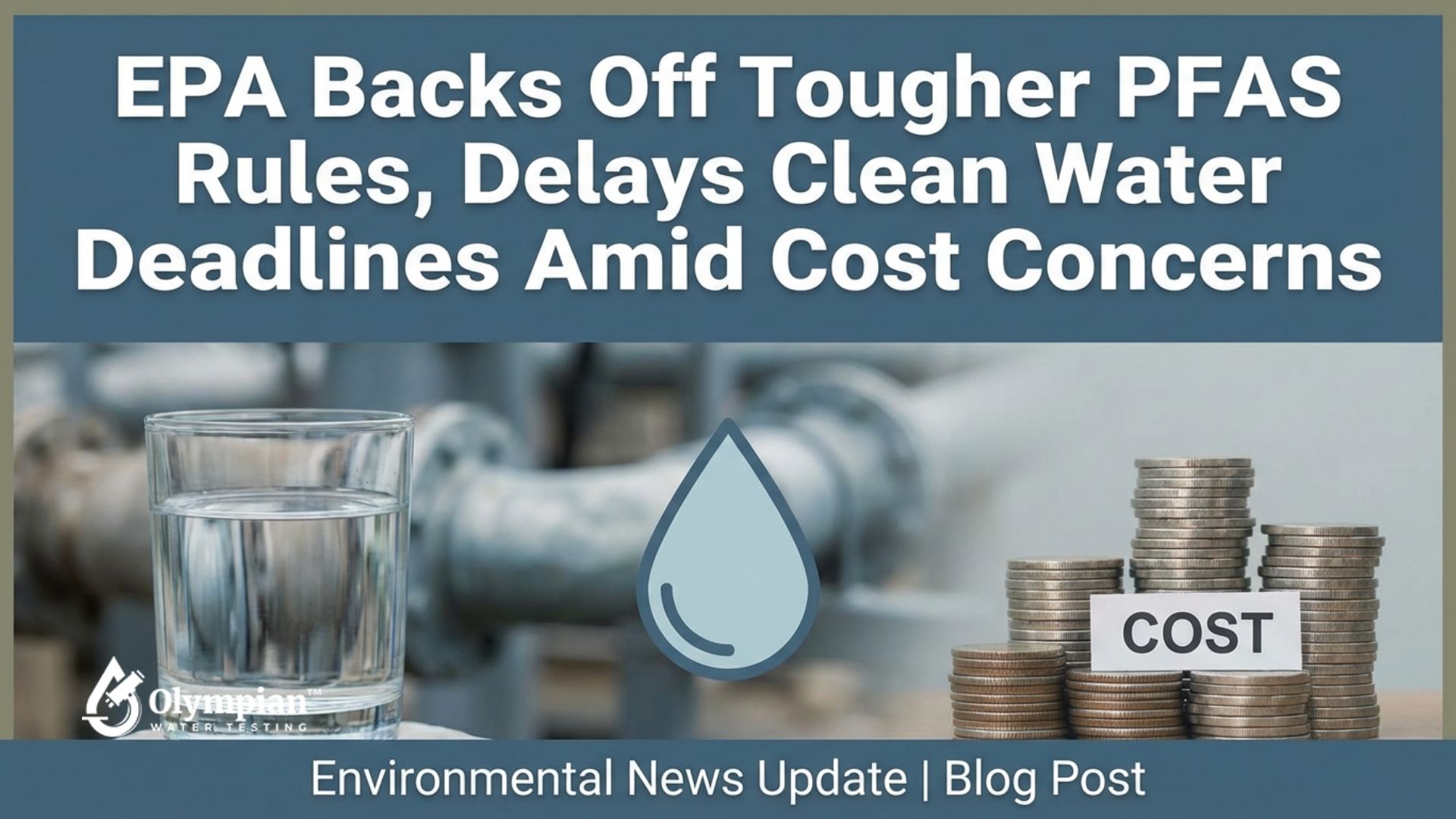
Lawmakers are refining guidelines to protect households from toxic substances in groundwater. Agencies like the EPA are proposing rules that hold corporations accountable for limiting discharges linked to contaminated well water. The federal regulation of PFAS resource outlines changes aimed at reducing health risks across the country.
Emerging Legal Framework
Policymakers are establishing mandatory limits on certain forever chemicals. These rules cover production, disposal, and reporting, making it harder for polluters to avoid oversight. Civil suits are emerging in states pushing for stricter cleanup measures, shaping the next phase of enforcement.
Impact on Local Testing Guidelines
Municipal offices are receiving updated directives to expand well water testing programs. Many counties require rural homeowners to conduct regular checks to ensure safety. Funding options vary, prompting local authorities to consider cost-sharing scenarios to alleviate financial burdens.
Ongoing Debates and Future Policy Shifts

Advocates are pushing for tighter thresholds for hazardous compounds. Industry groups express concerns over high compliance costs. Policy shifts reflect a delicate balance between public health and economic feasibility.
State | Proposed Limit (ppt) | Implementation Date |
Michigan | 8 | 2024 |
Massachusetts | 20 | 2025 |
New York | 10 | 2023 |
Insights from Recent Scientific Studies
Researchers are deeply studying how PFAS move through groundwater and stay in well water for years. Their persistence raises concerns about long-term effects on both people and the environment. Some studies suggest a link between increasing blood levels and risks to organs and vital functions.
The National Institute of Environmental Health Sciences urges for updated risk assessments. The U.S. Government Accountability Office advocates for more precise toxicology methods to tackle both short- and long-chain variants. Despite advancements in analyzing rural water systems, further exploration is essential to fully grasp how PFAS persist in human tissues.
“PFAS presence in groundwater poses urgent concerns for future generations,” stated a representative from the National Academies of Sciences, Engineering, and Medicine.
These studies highlight the need for awareness in rural areas, where regular testing is often the only safeguard against hidden contamination. Scientists also suggest the use of advanced data collection to measure blood serum levels and detect significant health warnings early.
Study | Institution | Key Insight |
PFAS Toxicity (2023) | National Institute of Environmental Health Sciences | Investigates endocrine impacts |
Water Quality Survey (2022) | U.S. EPA | Found PFAS in multiple rural wells |
Serum Analysis (2021) | Centers for Disease Control and Prevention | Tracks accumulation in blood over time |
Common Methods for Detecting PFAS in Well Water

Homeowners often seek effective ways to identify harmful substances in their private wells. Specialists recommend detailed evaluations, including protocols designed to pinpoint traces of these chemicals. MyTapScore experts suggest a thorough inspection outlined in their best way to test for PFAS in drinking water reference.
Sampling Techniques
Accurate sampling begins with sanitized glass or plastic bottles. This step helps lock in the existing chemical profile. Collection points near known runoff areas are prioritized for critical zones. Some technicians label containers with dates and site details, reducing confusion and boosting data reliability.
On-Site vs. Laboratory Analysis
On-site kits offer quick results for immediate decisions. Portable instruments gauge initial readings, though certain compounds may elude basic tests. Laboratory analysis involves sophisticated extraction methods and specialized detection tools, producing more definitive evidence. These professional reports often guide future remediation steps.
Importance of Accurate Data Interpretation
Data review provides clarity on health risks. Analysts compare results with benchmarks set by recognized agencies, guiding local stakeholders toward informed action. Experts emphasize that misreading charts can lead to overlooked contaminants. Meticulous interpretation sets the stage for long-term groundwater safety measures.
Cost-Effective Testing Options for Rural Communities
Testing for PFAS in well water can be a financial burden for those with limited budgets. Rural residents seek affordable solutions that meet their specific needs. Many states follow federal guidelines, promoting cost-effective methods without sacrificing safety.
Collaboration with Community Health Initiatives
Local health programs collaborate with organizations like the National Ground Water Association and county offices. They offer reduced testing fees. Rural counties also partner with nonprofits for discounted evaluations, making it easier to assess contamination risks.
This model connects families with health experts. It provides guidance on safe drinking water.
Grant Programs and Funding Opportunities
Grant awards from the US Department of Agriculture offer vital relief for long-time well owners. These programs support affordable water testing kits and outreach campaigns in underserved areas. Rural households can contact local extension services for information on available funding and application tips.
Potential Health Implications Beyond PFAS

Concerns about health risks go beyond PFAS when industrial runoff contaminates rural water sources. The Department of Defense has identified sites with Trichloroethylene (TCE) issues during cleanup efforts. This highlights the need to understand how different contaminants might interact in private wells.
Researchers from the Centers for Disease Control and Prevention (CDC) have found that related compounds can increase risks. Families depending on private wells might not be aware of the broader health threats they face. Testing for TCE and other pollutants could uncover valuable prevention strategies.
“Protecting groundwater supplies from overlapping contaminants is vital,” states a recent U.S. Environmental Protection Agency (EPA) advisory. “A single source of contamination can shift entire communities toward long-term health challenges.”
Public outreach programs aim to shed light on the health risks associated with chemical combinations. Local clinics encourage residents to test their well water regularly. They offer advice on cost-effective methods and emphasize the importance of ongoing monitoring.
Tips for Working with Third-Party Testing Labs
Collaborating with reputable facilities boosts confidence in PFAS level measurements. It’s essential to select labs with a proven track record in using EPA-recognized methods. Their access to cutting-edge technology and skilled personnel ensures detailed assessments.
Selecting Reputable Providers
Seek out labs with certifications from state or national bodies. Inquire about their adherence to guidelines for contaminant monitoring. Some labs provide client references, highlighting their expertise in well water testing for chemical contamination.
Interpreting Lab Results
Lab reports typically include numerical data, detection thresholds, and safety warnings. Grasping these elements is critical. Consulting with experts helps rural communities decipher these results accurately. This leads to well-informed decisions regarding water safety.
Verifying Compliance with Health Standards

Aligning results with government standards offers reassurance. It’s prudent to ensure any suggested corrective actions align with established advisory levels. This strategy ensures accurate data and minimizes exposure risks.
- Confirm the lab’s protocols are up to date.
- Check if testing methods follow standard operating procedures.
- Maintain open communication for timely result updates.
How Local Authorities Are Responding to Community Concerns
Local officials in various areas have established task forces to tackle PFAS-related worries. County boards and city councils are working closely with the U.S. Environmental Protection Agency. Their goal is to secure funds for groundwater monitoring and cleanup efforts. They believe that by sharing the responsibility, they can expedite the process of identifying and addressing contamination sources.
Some cities have taken legal action against companies suspected of posing health risks. Public health agencies are organizing forums where residents can receive updates and ask questions. Grassroots movements are also gaining momentum, pushing for corporate-funded cleanup efforts. This approach could help alleviate the financial burden on homeowners.
The Department of Defense is working in tandem with local councils on PFAS issues at off-base sites. This collaboration involves data exchange and technical assistance. Public workshops are becoming essential for explaining the latest policies on well water safety. The overarching goal is to safeguard communities while minimizing financial impacts.
Balancing Safety and Budget Constraints
Many rural households face additional costs for well water checks. They often focus on daily expenses over long-term safety. Yet, local experts stress the need for valid test results to detect PFAS and other hazards. Community officials suggest strategies to encourage frequent analysis while keeping costs low.
Prioritizing Essential Testing
The National Ground Water Association advises prioritizing vital tests. Basic scans might seem sufficient, but experts recommend deeper evaluations for health-threatening chemicals. Families planning their testing schedule in stages can save money without compromising safety. Early detection of contaminants reduces health risks.
Identifying Affordable Treatment Solutions

State-funded grants can help reduce costs for filters and other equipment. The Environmental Protection Agency provides guidance on removing persistent pollutants, including PFAS. Rural homeowners can also find group discounts on certified devices through local nonprofits. Combining tested technology with financial support helps maintain safe water supplies without financial strain.
Preserving America’s Drinking Water Future
PFAS contamination is spreading across the country, posing a long-term challenge with huge financial stakes. The Government Accountability Office (GAO) has highlighted this issue in GAO-25-107401. Lawsuits against major companies like 3M and DuPont indicate a significant financial burden if communities demand widespread cleanup.
Rural homeowners can reduce their expenses by adopting effective testing methods and making practical improvements. Grants, community backing, and collaborative funding models often help families avoid harmful chemical exposure.
Working together to ensure well water safety can boost trust in America’s drinking water future. Collaboration between policymakers, researchers, and residents is key. It leads to solutions that safeguard homes today and for years to come. This approach helps rural areas achieve cleaner, more affordable water for future generations.