7 rainwater harvesting tips
- Published:
- Updated: January 17, 2025
Listen to this article
Summary
Rainwater harvesting is a sustainable way to conserve water, reduce utility costs, and support a more eco-friendly lifestyle. By collecting and storing rainwater, homeowners can significantly decrease their reliance on municipal water supplies, especially during dry spells or droughts. However, a common concern arises regarding the quality of this water; many people wonder, ‘is rainwater safe to drink? ‘ While rainwater can be a valuable resource for irrigation and non-potable uses, it’s essential to ensure proper filtration and treatment to make it safe for consumption. Taking these precautions allows individuals to enjoy the benefits of rainwater harvesting while prioritizing their health and safety.
- Learn how to capture and store rainwater efficiently.
- Understand key setup tips for effective rainwater collection.
- Discover maintenance practices to keep your system safe and clean.

1. Choose the Right Collection System for Your Needs
Check the need of your system and select the right collection system before installing rainwater harvesting system. Small gardens or homes might just have a barrel collection system on the gutters. But if you have high demand for water like irrigation or use it at home, go for a system with more large tanks, filtration, and pumps.
There are multiple kinds of systems depending on the water needs, so it’s worth looking at your needs and what the local regulations are in relation to yours. Make sure the system can handle local rain amount, storage and distribution. Choose the correct collection system for the most effective performance, and for a constant supply of water whenever you need it.
2. Install Proper Gutters and Downspouts

You need to have a proper gutter and downspout system to direct rainwater from your roof into your collection tanks or barrels. Go over your gutters every month to ensure they don’t have debris, leaks or blockages that might stop water from flow. Think about putting in mesh screens or leaf guards to prevent leaves and dirt from clogging gutters and minimizing maintenance requirements and water quality.
Be sure downspouts are tied securely to collection tanks and are placed at an angle that directs water. If you have optimal gutters and downspouts, you will get more water, without overflow or stagnant debris to blame.
3. Use First Flush Diverters for Cleaner Water
You need to have first flush diverters in order to prevent contamination from leaking into your water storage tank. As soon as rain comes on your roof, you find dust, bird poop, and so on. This water run is flushed away by a first flush diverter so only cleaner water flows into your storage tank.
These diverters are simple to set up and help improve the quality of harvested rainwater, especially if you’re using it for your home for bathing, laundry or even drinking (after filtering). First flush will remove sediment in storage tanks and make your filtration system last longer, and is an investment for any rainwater collection system.
4. Choose the Right Storage Tank Material
When choosing a storage tank material for your harvested water, the right material matters. : Food-grade plastic, fiberglass or stainless steel tanks are perfect because they are not corrosive and can be used for potable water storage. Don’t use anything that can leach chemicals into the water (some plastics do).
Think tank size and make sure that it is big enough for your water usage without constantly draining. This is especially true of UV resistant tanks which inhibit the growth of algae from sunlight. A dependable, protected tank ensures your water is safe and keeps your rainwater collection system working for years to come.
5. Add Filtration for Versatile Water Use
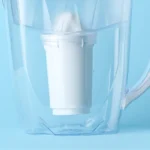
Filter your harvested rainwater if you’re planning to use it for more than just irrigation. Simple filters can pick up smaller particles but, for potable water, multiple filters – activated carbon, sediment filter and UV – are required to keep water pure. It can also be filterted to ensure that the bacteria and contaminants don’t infect the water in your tank.
What kind of filtration system to use is dependent on what you’re going to be using your water for. If, for example, you are going to drink and bathe with rainwater, then you will need a higher-end filtration system. When you filter rainwater, you get a lot more useful water for the home and can experience an independent water supply that’s potable and safe.
6. Regularly Inspect and Maintain Your System
Inspection and maintenance of your rainwater harvester helps keep it up and running and gives you high quality water. Check gutters, downspouts and filters for debris build-up and clear them as needed to keep the water flowing. Check tanks for leaks, cracks or contaminants and address them promptly so you won’t experience loss of water or quality problems.
Also, vacuum your storage tank every year to avoid settling of sediments. Maintaining your system regularly will prolong its life, decrease the possibility of blockages, and make sure you’re gaining the maximum amount of pure water. The simple maintenance of routine maintenance is all that is required to keep your system up and running.
7. Use Overflow Management Techniques
You must maintain overflow control especially when it rains a lot, and when tanks or barrels can get filled. Fit an overflow pipe or spout to drain excess water away from your home’s foundation and save you from soil erosion on your property. Some have a secondary storage tank that will empty when the main tank is full so that you can get the most amount of harvested water.
Even better, reuse the overflow water to water nearby plants or divert it to another area where it could be used to add moisture such as garden beds. Keeping overflow in check means you don’t damage your home or waste all the collected rainwater even when it’s a storm.
Conclusion
Rainwater harvesting is only as good as planning, maintenance and the right equipment. These tricks will help you set up a system that safely captures and stores pure water for use in all applications, from irrigation to household needs. When you put in a good system and keep it maintained, you can have an environmentally sustainable water source that’s still affordable for your family to use day to day.
Share this on social media:
Facebook
Twitter
LinkedIn

Related Posts