Overview of the PFAS Study Findings
The United States Geological Survey has released national estimates on PFAS in raw groundwater. Their analysis of 1,238 groundwater sites provides a detailed look into health threats from PFAS contamination. They used a machine learning model to identify high-risk zones, alerting communities that rely on wells for water.
This research highlights the need for better detection and prevention methods. Private wells are a major concern, as many in states like Michigan and Florida depend on them without regular monitoring. Public facilities have resources for testing, but the data suggest these supplies also need careful observation.
Key Researchers Behind the Data
Experts from the U.S. Geological Survey led the project. They come from backgrounds in hydrogeology and geochemistry. Their work involved collecting samples, interpreting data, and applying new analytical models.
Scope of the Survey and Testing
The study included groundwater samples from various depths, covering both rural and urban areas. This approach allowed for a more complete understanding of well conditions, ensuring no locations were overlooked. Each site was tested for contaminants that could harm local water systems.
Interpreting the Initial Results
Early findings indicate that deeper aquifers face higher risks. Multiple regions show signs of PFAS contamination that goes beyond surface levels.

This emerging picture stresses the importance of tracking contamination over time.
State | Sampling Sites | Potential Concern |
Michigan | 250+ | High PFAS detection |
Florida | 220+ | Private wells at risk |
California | 300+ | Ongoing groundwater surveys |
Why PFAS Contaminated Drinking Water Raises National Concerns
The EPA’s Fifth Unregulated Contaminant Monitoring Rule (UCMR 5) has uncovered PFAS in the water of over 15 million more people. This brings the total number of affected individuals to over 158 million. The widespread nature of this issue highlights a national crisis affecting nearly every corner of the United States.

PFAS chemicals persist in the environment for extended periods, complicating efforts to halt their spread. Products like grease-resistant food containers and firefighting foam often contain these substances. As a result, local utilities are under pressure to enhance their treatment capabilities. Public health officials are calling for stricter PFAS regulations to ensure safe drinking water across the country.
Communities are grappling with how to minimize exposure and prevent additional health risks. There is a broad consensus that the current strategies need immediate overhaul. Many advocate for specific PFAS regulations to enhance transparency, streamline monitoring, and safeguard millions of homes.
Health Risks Linked to PFAS Exposure
Research in the United States continues to uncover the health risks associated with PFAS exposure. The Centers for Disease Control and Prevention found that 99 percent of Americans have these chemicals in their blood. These substances have been linked to cancer and immune system problems.

It’s critical to further investigate these risks, as some groups may be more vulnerable. Taking proactive steps can lead to safer policies and better protection for everyone.
Short-Term vs. Long-Term Health Effects
Short-term exposure to PFAS can affect liver function and cause slight changes in cholesterol levels. Long-term exposure, on the other hand, increases the risk of chronic diseases, including certain cancers. Regular health check-ups and awareness campaigns can help identify symptoms early.
Vulnerable Populations in the United States
Pregnant women and children are at a higher risk due to PFAS exposure, with developmental effects needing urgent attention. Communities near industrial sites or military bases often face higher exposure levels. It’s essential to have transparent communication and community outreach to protect these vulnerable groups.

Recent Government Initiatives in the United States
The U.S. government has proposed enforceable limits for six PFAS chemicals. This is aimed at reducing their levels in public water supplies. It shows a growing effort to protect households from these threats.
States are setting stricter standards than the federal guidelines. Some have labeled certain PFAS substances as hazardous. This move unlocks extra funding for water monitoring and treatment upgrades. It aids municipalities in testing their resources and installing advanced filtration systems.
The EPA PFAS guidelines are at the heart of these efforts. The U.S. Environmental Protection Agency is expanding data collection through UCMR 5. This broader approach enhances our understanding of contamination rates and addresses community concerns.
Public awareness has grown, leading to new research aligned with EPA PFAS guidelines.
Key Areas in the U.S. with High PFAS Levels

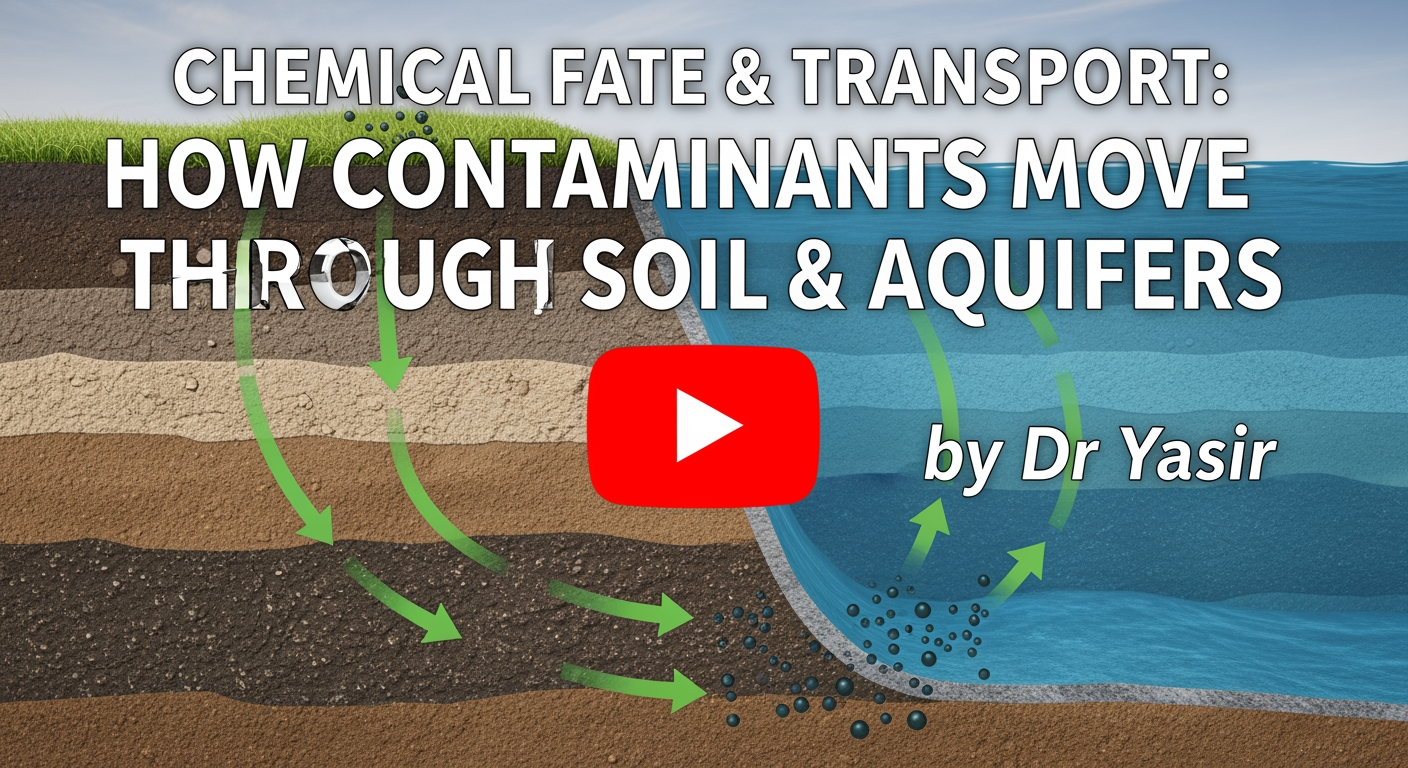
Researchers have identified several regions with PFAS contamination levels above national guidelines. States like Florida, California, Michigan, and North Carolina are of particular concern due to their reliance on groundwater. This groundwater is often at risk of contamination. The data shows that exposure to PFAS varies significantly across different states, highlighting the need for targeted efforts to address contamination.
Identifying Regional Hotspots
In major cities, public wells have shown elevated PFAS levels. Rural areas with private wells also face significant contamination risks. Residents near industrial sites are worried about the long-term impact of PFAS. The demand for effective PFAS removal solutions is growing, driven by community concerns about public health and the financial burden on local budgets.
Community Perspectives and Response
Local efforts are pushing for regular testing and investment in new treatment systems. Communities are forming alliances with environmental agencies and health experts to get the help they need. Solutions like advanced filters and upgrades to water infrastructure are being explored. These efforts aim to mitigate risks for families and businesses across the country.
State | Main Water Source | Contamination Risk | Local Initiatives |
Florida | Public Wells | High in Certain Regions | County-Level Testing |
California | Public Wells | Moderate to High | Advanced Filtration Pilots |
Michigan | Private Wells | Elevated | Community Monitoring |
North Carolina | Mixed Sources | Moderate | Grassroots Advocacy |
Current Water Treatment Technologies
Testing is the primary method for identifying contamination in drinking water. The USGS notes that predictive models alone cannot ensure accurate results. PFAS detection methods are essential for pinpointing areas with high chemical levels. This provides critical data on contamination trends.

The EPA recommends activated carbon filtration and reverse osmosis for addressing harmful substances. Municipal facilities often use bulk treatments, while homeowners opt for certified in-home units. Ion exchange and high-pressure membranes are effective against persistent pollutants when properly designed.
Private wells need regular evaluations to ensure water safety. Communities are benefiting from advancements in PFAS detection methods. These improvements enhance early warning systems and removal strategies. Ongoing research aims to develop more efficient technologies to protect families from long-term risks.
Implications for Local Communities
Across the United States, local towns are racing to upgrade their water systems to combat PFAS forever chemicals. The Environmental Working Group (EWG) has highlighted that smaller communities often face this challenge alone. They lack the technical resources available to larger cities. This situation creates a funding gap and a shortage of expertise, putting a strain on local budgets and personnel.

How Local Infrastructure Is Impacted
Implementing the necessary upgrades to meet new standards is a daunting task for smaller regions. It requires significant investments in pipes, filtration equipment, and monitoring tools. Water departments in rural or economically disadvantaged areas find it hard to manage these projects alongside their daily operations. This makes it difficult to keep up with the evolving EPA PFAS guidelines.
Educational Efforts and Grassroots Movements
Advocacy groups and nonprofits are leading the charge in educating communities about PFAS forever chemicals. Through community events and digital campaigns, they provide critical information on health risks. They also help residents find funding options. By mobilizing people and sharing resources, these grassroots efforts aim to secure safer water systems and ensure compliance with EPA PFAS guidelines.

Role of Environmental Agencies and Advocacy Groups
Environmental bodies merge scientific knowledge with public advocacy. Organizations like the Environmental Working Group monitor contamination levels and advocate for evidence-based research. The U.S. Environmental Protection Agency’s regulatory officials enforce guidelines, holding polluters accountable.
They shape PFAS regulations by analyzing early-warning data and supporting innovative tests. Their efforts include:
- Guiding local authorities on cleanup strategies
- Developing transparent reports for the public
- Partnering with universities for specialized studies
“Protecting water sources from hidden hazards demands an unwavering commitment to science and accountability,” stated EPA Administrator Michael Regan.
Agencies work with community groups to address pressing concerns. Advocacy leaders seek balanced solutions that protect public health. Nonprofits amplify awareness and launch critical outreach campaigns. This synergy drives the push for stricter PFAS regulations across the nation.
Challenges in Regulating PFAS Chemicals
Regulating PFAS is complex due to their sheer number and varied structures. This makes setting universal safe limits a daunting task. The mix of national and state guidelines further complicates efforts to control PFAS in groundwater. The slow pace of federal action and debates over which compounds to prioritize add to these challenges.

At times, the Environmental Protection Agency‘s enforcement levels differ from state guidelines. This inconsistency makes it hard to communicate clear messages to the public. Limited funding for monitoring also hampers data collection efforts. A unified effort from federal and state agencies is essential for effective tracking and protection.
Complexities in Defining Safe Limits
Researchers face significant challenges in testing thousands of PFAS chemicals. Identifying health risks is a slow process, with new variants emerging without complete data. Establishing a single threshold for all PFAS is an ongoing task.
Policy Gaps and Enforcement Issues
A unified policy is lacking, hindering consistent action against PFAS in groundwater. Some states have stricter standards, while others follow looser guidelines. Industries face difficulties in meeting these varied rules. Federal reports stress the need for clearer policies and stronger enforcement nationwide.
Expert Opinions on the Ongoing Crisis
David Andrews from EWG labels the contamination as a public health disaster. He emphasizes the need for stricter standards to safeguard communities and water systems.
Experts highlight the critical need for long-term research on PFAS health implications. They advocate for advanced detection technology to identify trace contaminants. Funding and strategies targeting industrial sources are also essential to prevent water pollution.
Ignoring these factors could exacerbate PFAS health issues for vulnerable populations. Advocates push for cooperation between governments, private sectors, and environmental agencies. They aim to enhance data and research sharing.
The following table outlines critical considerations for policymakers and agencies aiming to reduce exposure:
Focus Area | Recommended Action |
Regulatory Thresholds | Adopt lower limits that reflect updated health studies |
Monitoring Programs | Increase water testing in regions with reported PFAS contamination |
Funding Allocation | Support advanced filtration research and community outreach |
Looking Ahead: Protecting Future Generations
Researchers urge a strong commitment to federal funding, technological innovation, and stricter enforcement. This strategy aims to shield younger populations from ongoing PFAS exposure.
Building long-term resilience requires preventive measures and ongoing research into PFAS removal solutions. Educational initiatives boost awareness and motivate communities to push for stronger protections.
Collaboration among federal agencies, state authorities, and local partners is essential. They share data, develop best practices, and adapt to changes in contamination levels. Through consistent testing and investment in remediation infrastructure, residents gain access to safer water.
Leaders in the United States make policies based on the latest scientific evidence. Experts concur that stable funding and evidence-based methods pave the way for cleaner drinking water. PFAS removal solutions are key to this endeavor.
With collective action, there is hope for future generations and relief from contamination’s burden.