The Growing Impact of Climate Change on Urban Rainfall
Scientists observe changes in weather patterns, leading to more intense downpours in cities across the country. The rise in temperatures and the transformation of storm fronts result in sudden, heavy water releases. These events put a strain on outdated drainage systems, posing significant risks to urban areas.
Stormwater management strategies are evolving to address this surge in runoff. Communities are facing unexpected floods, prompting the development of new protective measures. The focus on climate change adaptation is intensifying, as experts recognize the need to adapt structures built for a different era.
Changing Weather Patterns Across the U.S.
Warm air masses colliding with cooler systems create unstable fronts over both coasts and inland regions. The shifting jet streams direct more intense storm tracks through areas not accustomed to heavy rains. Extreme rainfall events are pushing cities like Seattle and Miami to reassess their drainage systems.

Historical Baselines Versus Present-Day Extremes
Researchers compare historical data with current records, highlighting significant increases in volume and frequency. Past averages, once reliable for planning public works, are now outdated. New forecasts indicate greater variability, underscoring the need for updated flood prevention strategies.
Why Treatment Systems Are at Risk
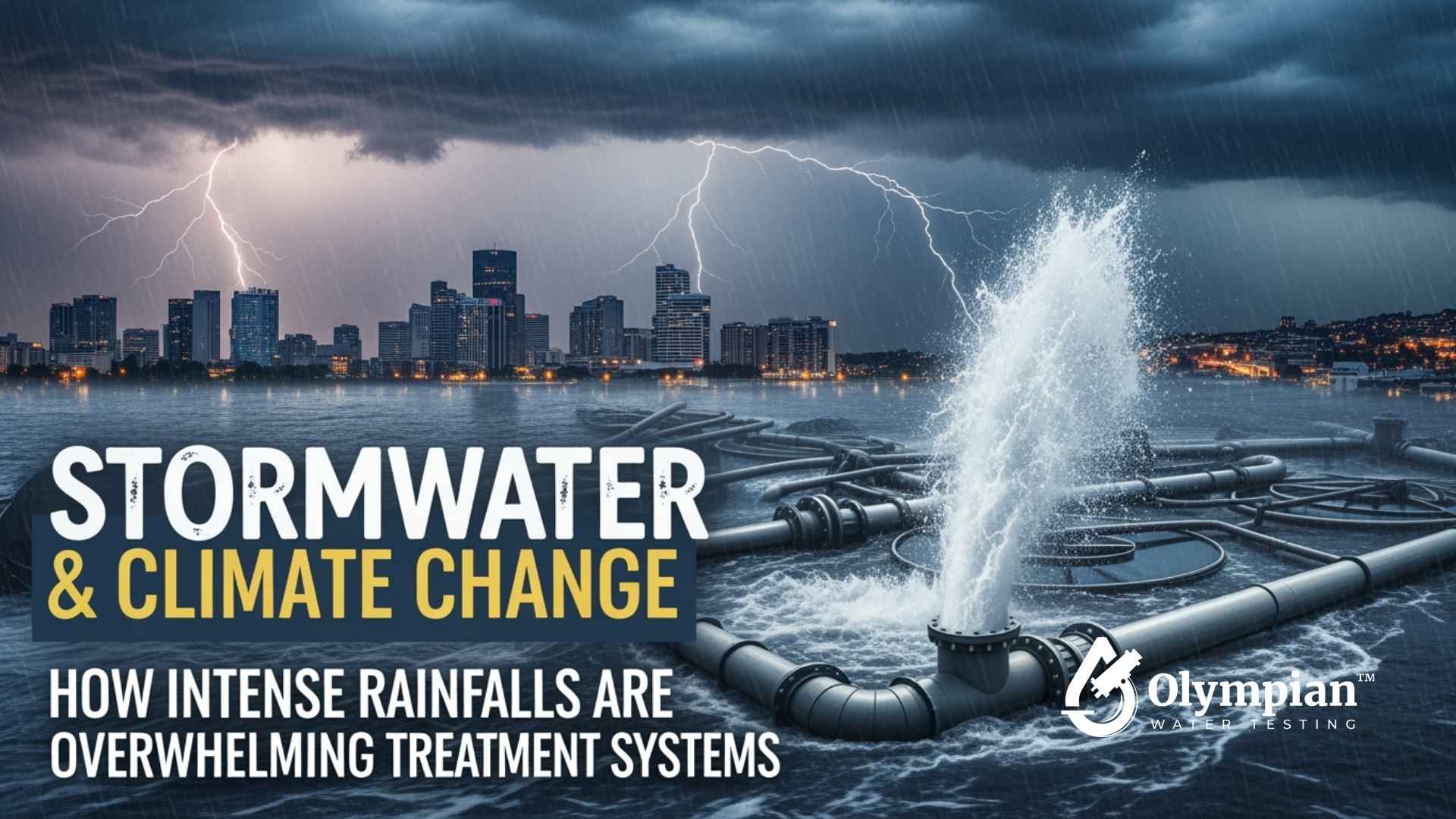
Rising rainfall intensity puts immense pressure on wastewater systems. These systems were designed for smaller, predictable flows. Strong bursts of precipitation can overwhelm pipelines, pushing chemicals, debris, and untreated water into rivers and streams.
Some treatment plants struggle to maintain full processing capacity during sudden surges. This prompts the release of partially filtered water. Aging infrastructure exacerbates these outcomes, revealing cracks and blockages that increase harmful discharges. Regular upkeep and infrastructure upgrades are essential for safeguarding communities and natural habitats.
The danger extends beyond the plant gates. Stormwater impacts can sweep contaminants across roads, lawns, and construction sites. This magnifies the risk to human health. Experts at the U.S. Environmental Protection Agency warn that outdated facilities lack the resilience needed to handle this evolving climate pattern.
“More severe weather events prompt swift responses to prevent damage and protect drinking water,” noted an EPA report.
Stronger protocols and new designs help cities handle intensified conditions. Without strategic measures, repeated strains could disrupt local ecosystems and place residents at risk.
Cities that invest in innovative drainage designs can reduce overflow incidents. This preserves local waterways. Regular monitoring fosters safer conditions for wildlife and populations living near flood-prone zones.
Innovative Solutions for Heavy Rain Events
Innovations for heavy rain events focus on early planning and thoughtful design. Communities across the United States are looking for stormwater solutions that prevent overflow and protect treatment facilities. Engineers and planners favor green infrastructure for its ability to absorb water naturally, reducing strain on urban drainage systems.
Frequent storms often overwhelm traditional systems. Eco-engineering is becoming popular among planners for its flexible designs. Green infrastructure allows for natural absorption of runoff. Combining modern ideas with community engagement enhances stronger flood resilience. When residents understand the effects of runoff, they actively contribute to reducing drainage network pressure.
Eco-Engineering Approaches
Eco-engineering uses living landscapes and constructed elements to filter excess water. Public parks with wetland features or reinforced creek beds help slow down surge volume. This method reduces erosion risk and summer heat, creating spaces beneficial for both people and nature.

Community-Led Rainwater Management
Rain barrel programs, rooftop gardens, and neighborhood workshops empower households to combat flooding. These grassroots initiatives rely on community engagement, directing rainfall into new uses, reducing runoff, and fostering local stewardship. Collective efforts promote shared responsibility and broaden the impact of stormwater solutions.
Flooding Threats to Urban Infrastructure
High-volume storms can weaken roads and disrupt everyday life. Tightly packed cities often struggle with urban flooding because water has nowhere else to go. Heavy runoff places added stress on old drainage networks, damaging foundations and eroding key structures.
Rising water levels bring a serious stormwater impact, posing risks in areas without flood defenses. Power lines and utilities stand at risk when water seeps into critical systems. Property owners face unexpected costs, and entire neighborhoods may deal with lingering issues if roads close or sewer lines fail.
Adaptations such as elevated pavements and enhanced drainage boost infrastructure resilience. The Federal Emergency Management Agency has highlighted projects that expand local capacity to handle surging rainfall. Planning for better water storage, along with improved warning measures, gives communities relief from sudden disasters and helps keep city life running.

Addressing Stormwater Overflows in Urban Centers
In urban settings, heavy storms lead to increased runoff. This runoff often overflows into waterways due to shared pipelines. Such overflows damage streets, contaminate basements, parks, and rivers, posing significant environmental and health risks.
Many drainage systems were built decades ago, lacking the capacity to handle today’s stormwater. Clogged drains and undersized pipes exacerbate the issue, causing water to back up and spill. In some areas, the terrain adds to the strain on sewers, heightening the risk of flooding. Urban planning often neglects future climate projections, leaving residents vulnerable during extreme weather events.
Causes of Overflows
Combined runoff becomes a problem when partial blockages and faulty valves disrupt normal flow. Neglected pipes and poor planning contribute to localized floods. Regular inspections and upgrades can mitigate these issues, safeguarding property and the environment.
Infrastructure Failure Points
Weak spots in infrastructure often occur at pipe junctions or forgotten channels. Budget constraints often lead to neglect of routine maintenance, allowing issues to escalate. Timely repairs can fortify defenses against backups, ensuring public safety and reducing health risks.
Below is an overview of improvements municipalities can implement.
Improvement | Focus | Benefit |
Pipe Upgrades | Replacing outdated piping | Boosts capacity, lowers backups |
Regular Cleaning | Clearing debris | Prevents clogs and overflows |
Expansion Planning | Including climate forecasts | Reduces flood risks |
New Approaches to Forecasting Intense Rainstorms

Modern climate forecasting techniques now spot shifting weather patterns earlier than before. By incorporating satellite intelligence into hydrological models, experts gain a clearer view of where extreme rainfall might hit. This insight allows officials to swiftly mobilize emergency support, improving overall preparedness.
Predictive analytics enhances data management for water flow, aiming to reduce damage. Real-time simulations, powered by machine learning algorithms, help direct resources to high-risk areas. This gives planners the chance to reinforce drainage systems or relocate people before floods strike.
These advanced methods enable localized forecasts, aiding in timely decisions on stormwater diversion and extra storage. Cities worldwide are adopting these tools to protect residents, maintain secure treatment systems, and prevent disruptions caused by overflows. Accurate predictions are key to defending communities and infrastructure against the evolving climate.
Green Infrastructure as a Resilient Alternative
Communities are looking for innovative ways to handle heavy rain while also improving public spaces. Green infrastructure combines natural processes with urban design. This approach reduces runoff and enhances urban environments.
Bioswales and Rain Gardens
Bioswales and rain gardens are shallow channels and planted depressions that slow down water flow. They guide water away from sidewalks and capture pollutants. These features blend functionality with aesthetics, making them a staple in urban landscapes.

Rain gardens, in particular, increase stormwater infiltration and reduce standing water. They also create mini-habitats for pollinators, contributing to biodiversity.
Permeable Pavements in Urban Spaces
Permeable pavements allow water to filter through the material, reducing sudden flooding. This design relieves the burden on drainage networks. It also protects streets by directing runoff underground, promoting better water balance in urban areas.
Risks to Public Health and Safety
Intense rainfall puts aging infrastructure under strain. Sewage overflows occur when drains cannot handle sudden surges, placing communities at risk. Standing water may foster bacteria and viruses that threaten public health. Flooding can wash debris and chemicals from roads, leading to water pollution in local rivers and lakes.
Contaminant exposure often happens when compromised water lines mix with storm runoff. Researchers from the EPA report that heavy downpours can spread oil, pesticides, and untreated wastewater across vast urban areas. People who engage in recreational activities near these sites may face hazards if they ingest or come into contact with tainted water.

Precautionary measures help safeguard residents, such as regular inspections of drainage systems and prompt cleanup initiatives after major storms. Local governments in the United States encourage collaborative efforts with healthcare providers and environmental agencies, including the CDC. This strategy lessens long-term harm to communities and preserves vital resources for future generations.
Designing resilient streetscapes helps manage sudden surges and prevents erosion. Experts from the American Society of Civil Engineers suggest installing permeable walkways and tree canopies for better water absorption. Community workshops raise awareness about preventing misuse of drains, leading to fewer blockages. Each action reduces hazards and bolsters community well-being.
Examples of States Coping with Extreme Weather
States across the nation face harsh weather with varied strategies. Areas hit by snow and ice employ specific tactics to mitigate flooding as temperatures climb. Many focus on storm preparedness and invest in climate change mitigation to tackle rising rainfall. Local authorities collaborate with research institutions to refine forecasts and allocate resources to protect infrastructure.
Northern Region Storm Response
In the northern region, states like Maine enhance water channels to manage intense snowmelt and early spring floods. This approach combines upgraded drainage with wetland conservation. Snowmelt projections guide decisions to protect communities from growing threats. New York also invests in infiltration basins to handle spring runoffs, reducing overflow in vulnerable areas.
Southern Region Resilience Plans
In the southern region, states such as Florida strengthen building codes and levee systems. These efforts defend against tropical storms and floods, ensuring public safety. Local officials implement modern drainage designs and reinforce coastal barriers, protecting vital infrastructure and boosting community stability. Texas introduced protective dunes to limit storm surge damage along the Gulf Coast, highlighting the importance of proactive planning. This strategy fosters safer, healthier communities.

The Role of Federal and Local Agencies in Storm Management
Federal teams and municipal leaders play vital roles in protecting cities from severe rain events. They follow EPA guidelines to develop response plans and enhance drainage systems. These systems manage runoff effectively.
National stormwater regulations influence the design of facilities and long-term projects. Leaders invest in monitoring networks to track precipitation. This allows for more precise risk assessments.
Strong local governance empowers every office to take responsibility for protective strategies. Interagency collaboration enables police, emergency units, and utility managers to work together. This reduces delays that compromise public safety.
- Coordinate risk evaluations with health departments
- Allocate funds for essential flood mitigation upgrades
These unified efforts lead to operational plans that adapt to changing weather patterns. They help neighborhoods withstand rising waters. The mutual support between federal and regional teams boosts confidence in citywide defense measures.
Funding and Policy Implications for Mitigation
Securing robust financial support is critical for communities hit by severe rainfall. Planners must balance immediate projects with long-term strategies to build strong defenses. Infrastructure funding is essential for updating drainage networks, and policy implications guide how these funds are allocated.
Federal Grants for Infrastructure
Federal grants are key for upgrading old treatment facilities and boosting resilience. These funds often come from agencies like the EPA or HUD, promoting sustainable designs. Applicants compete for these grants, which provide financial support for significant construction and technology upgrades.
Cost-Benefit Analysis of Upgrades
Local governments conduct a detailed cost-benefit analysis to make informed decisions. This analysis considers public health benefits, lower flood recovery costs, and reduced strain on emergency services. By identifying strategies with lasting value, such as reduced contamination and longer asset lifespans, planners ensure long-term benefits.
Collaboration among municipal agencies, environmental groups, and private industry drives lasting results. This teamwork fosters shared responsibility and aligns future projects with sustainable goals. Stable funding agreements and targeted training enhance these efforts. These steps build a climate-ready foundation, capable of withstanding changing weather patterns. Expanding data-sharing networks also builds trust among affected residents.
What the Future Holds for Climate-Driven Rainfall
NASA and the National Oceanic and Atmospheric Administration have conducted major analyses. They predict a rise in intense downpours across the nation. This could lead to increased rainfall volumes, putting pressure on older drainage systems. Urban areas face the risk of flash flooding and damage to infrastructure due to extreme weather trends.
City planners are now turning to updated models to protect homes and public utilities. They aim to safeguard against the rising deluges. This shift is critical for the resilience of urban environments.
Adaptive management strategies are being explored, allowing for flexible responses to changing conditions. Experts emphasize the importance of long-term planning for stormwater systems. A scientific report highlights how communities can use real-time data and resilient engineering to mitigate flood risks. This approach includes coordinated outreach to educate residents and encourage local participation.
Private companies, including engineering firms and nonprofits, bring specialized skills to the table. They help municipalities fortify their defenses. Incentives for sustainable practices can foster innovation in flood-prone zones. Builders might adopt advanced materials or water filtration technologies to manage sudden surges.
Sharing research among agencies can lead to quicker adaptation when storms intensify. This collaboration is essential for effective strategies against rising flood threats globally.
Moving Forward with Preparedness and Innovation
Cities across the United States face growing challenges from intense storms. Stormwater planning that merges natural and engineered defenses can boost readiness. Policymakers, engineers, and citizens can unite around preparedness strategies that support both existing infrastructures and new ideas. Research on advanced modeling tools informs real-time weather predictions, guiding shared actions before rainfalls grow dangerous.
Resilient solutions, such as constructed wetlands and permeable pavements, ease pressure on drainage systems. These features work best when paired with thoughtful public engagement and tested policies. Strong funding structures can accelerate projects that safeguard the environment and communities.
A path toward future sustainability lies in building alliances across sectors. Continuous research fosters improvements in design and implementation, while public awareness campaigns keep everyone involved. Innovative planning can protect roads, sewers, and neighborhoods, preserving safety and health for years to come.