Context Behind the EPA Intervention
GenX was first detected in the Lower Cape Fear River in 2013, sparking widespread concern among locals. The discovery of a cancer-causing chemical in municipal water sources led to urgent demands for accountability. Community groups pushed for regular testing, updates, and responsible corporate actions.
Experts found that industrial water pollution had been ongoing for years, thanks to lax oversight. Asheboro implemented improved filtration systems and pending wastewater tests in response to contamination reports. Burlington, on the other hand, sought to limit federal involvement, highlighting disagreements over cost and trust in local leadership to safeguard public health.
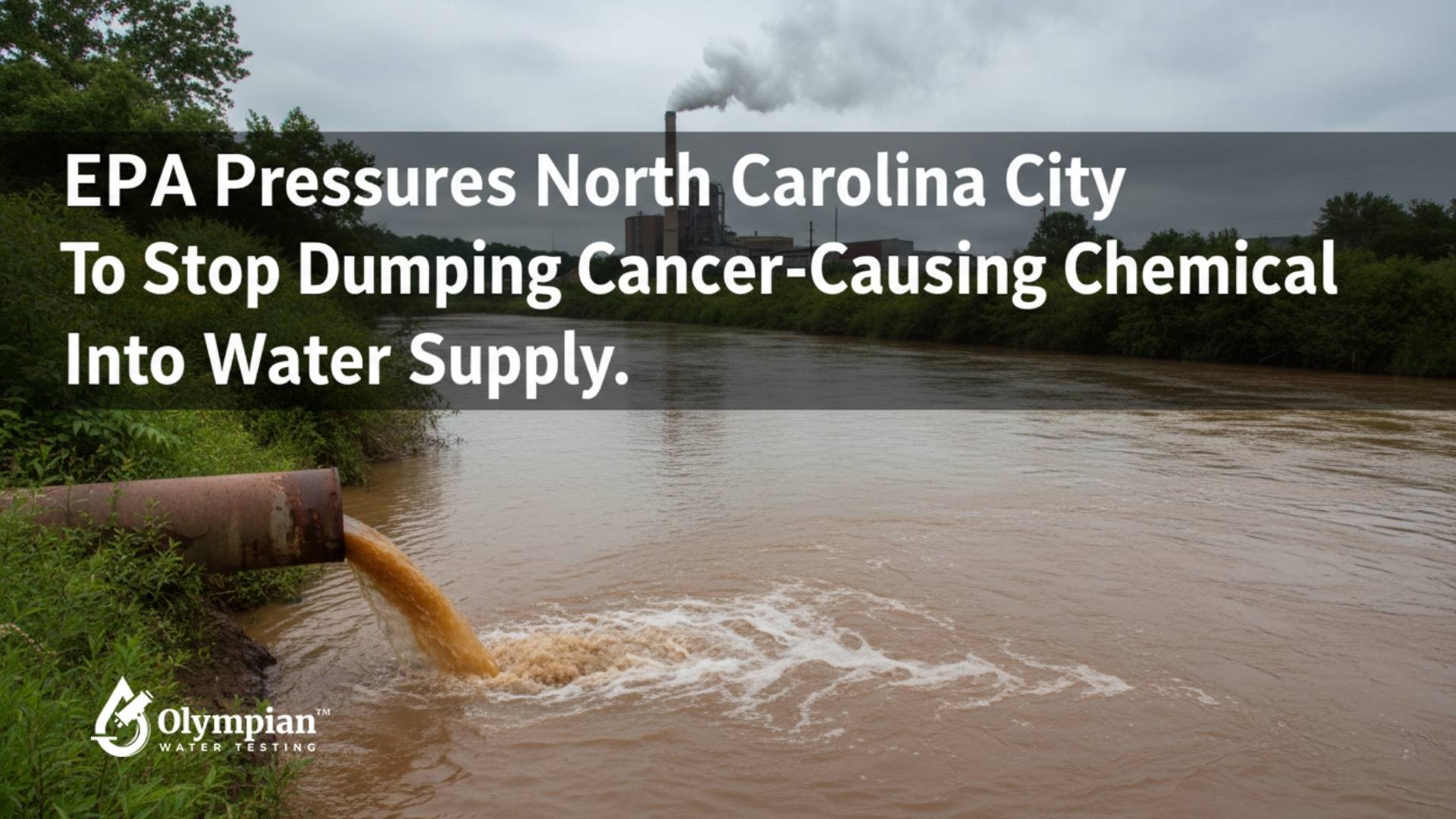
The EPA stepped in after repeated violations showed little improvement. It criticized the lack of compliance and questioned how toxins like 1,4-dioxane continued to pollute rivers. Enforcement teams also pointed out weaker state regulations that allowed unchecked discharges. The pressure mounted as neighboring counties called for lasting solutions and transparent monitoring.
Year | Key Development | Impact |
2013 | GenX Discovery | Immediate Regulatory Scrutiny |
2015 | EPA Warnings | Increased Public Demands |
Present | Active Enforcement | Pressure on Municipal Practices |
Key Causes of Water Contamination
Streams and reservoirs face significant challenges due to waste that treatment systems cannot handle. In places like Asheboro, manufacturers release compounds without proper filtration. This leads to persistent problems. The presence of forever chemicals raises ongoing concerns for public safety.
Industrial Discharge Patterns

Facilities with high output often release harmful elements that harm nearby ecosystems. The lack of updated methods allows chemical discharge to enter streams and wells. Communities face increased risks from pollutants like 1,4-dioxane and related toxins.
Agricultural Contributions
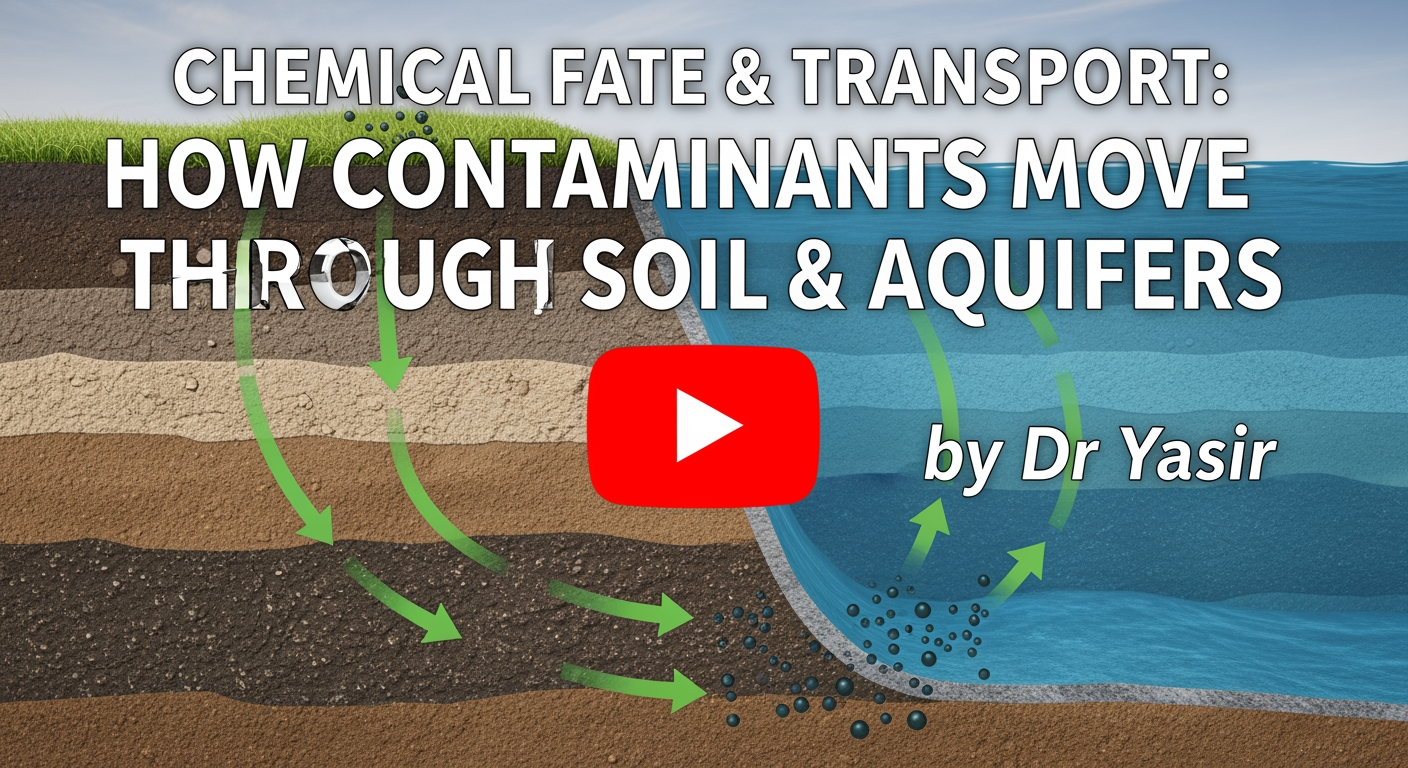
Large farmlands introduce fertilizer and livestock waste into the water table. Compost linked to PFAS compounds adds to the forever chemicals in rivers and ponds. This contamination affects aquatic life and continues downstream.
Source | Key Pollutants |
Industrial Effluents | 1,4-dioxane, PFAS |
Agricultural Runoff | Pesticides, Livestock Waste |
Health Risks Linked to the Chemical Discharge
Residents who rely on local water supplies are concerned about the presence of pollutants. Reports indicate that certain chemicals can cause skin or throat irritation. They also raise concerns about long-term effects on vital organs.
Immediate Symptoms
Those living near affected areas often experience sudden discomfort when water quality drops. Minor rashes, respiratory distress, and eye irritation are common in households using tap water with high chemical levels.
Long-Term Exposure Concerns
Communities along the Cape Fear River have reported links to kidney, liver, and thyroid conditions. Figures like Emily Donovan and groups such as Clean Cape Fear have highlighted PFAS contamination. They suggest it may be linked to various cancers and chronic ailments. Health advocates stress the need for thorough monitoring, citing these findings as evidence of urgent chemical hazard investigation.
Regulatory Framework for Safe Water
Federal advisories evolve with changes in leadership at the Environmental Protection Agency. The agency sets guidelines for compounds like GenX and PFOA. State authorities, such as the North Carolina Department of Environmental Quality, handle the practical enforcement. This gap in oversight can lead to challenges in safe water regulations, mainly when resources are limited.
Consent orders are key tools to reduce PFAS discharge. They reshape wastewater protocols and demand stronger accountability. Communities welcome these legal measures, seeking swift safeguards against contaminants that threaten public health.
“We cannot safeguard public health without timely legislation and consistent oversight,” stated a spokesperson from the North Carolina Department of Environmental Quality.
Many advocates stress the need for integrated policies at both federal and state levels. They see updated rules as a path to more robust safe water regulations. Environmental groups also highlight the importance of additional funding. This would enable agencies to track emerging risks more effectively and ensure cleaner resources for future generations.
Local Community Reactions and Concerns

Residents are rallying, determined to safeguard their families and neighbors from ongoing threats. They highlight the emotional strain of unexplained illnesses and the fear for their children’s future. The focus now shifts to local activism and community involvement as key drivers for dialogue and action towards safer water.
Grassroots Movements for Clean Water
Groups like Clean Cape Fear, spearheaded by Emily Donovan, have launched testing events and collected petitions to hold polluters accountable. Local radio stations, nonprofits, and faith communities have convened in churches and civic centers to disseminate the latest information. Ashley Sorg’s reports detail these meetings as sparks for community-led initiatives, where neighbors share concerns and push for swift solutions.
Demands for Transparent Communication
Advocates stress the need for immediate, accurate data from officials and industry to every home. They demand open forums and transparent water quality reports. The public seeks better reporting tools to track the effects of new policies or technologies on their lives. The quest for clear information fuels ongoing community involvement in the quest for change.
EPA’s Mandated Corrective Measures
Federal directives play a key role in promoting responsible water management. They require corrective measures that force communities and industries to adopt new practices. For example, the consent agreement with Chemours led to significant reductions in GenX emissions. It also mandated testing of local wells.
This approach serves as a model for municipalities facing similar challenges. It guides them in addressing environmental hazards effectively.
Targets for Contamination Reduction
Authorities set clear goals for contamination reduction. These targets often demand a specific percentage decrease in pollutants within a set timeframe. Facilities must upgrade their filtration systems and handling procedures.
This ensures fewer harmful byproducts reach rivers and groundwater. It’s a critical step towards environmental protection.
Proposed Timelines and Penalties
Each mandate includes specific deadlines to speed up compliance. If these targets are missed, facilities face hefty fines and possible license suspensions. This strict enforcement encourages the quick adoption of new technologies.
It protects public health and the environment for generations to come. It’s a vital measure to ensure environmental safety.
Legal Implications for Noncompliance

Entities that ignore legal compliance face lawsuits, settlements, and damage to their reputation. Public interest groups often team up with legal teams to ensure violators are held accountable. They track water safety infractions closely.
The Southern Environmental Law Center has recently shown the reality of environment litigation. They have taken cities like Asheboro to court over 1,4-dioxane pollution. Such cases can lead to severe consequences, including stricter oversight and heavy penalties.
Ignoring contamination concerns can result in facility closures or demands for better treatment systems. When communities learn of health risks, public pressure increases. Engaging with regulatory bodies becomes essential. Maintaining water quality standards is key to reducing risks and ensuring safer environments.
Laws Governing Water Use | Consequences of Violation | Notable Example |
Clean Water Act | Fines, Court Injunctions | Asheboro Litigation |
Superfund Provisions | Federal Oversight, Facility Closure | Industrial Sites in NC |
Funding and Infrastructure Upgrades
Modernizing treatment facilities comes with significant costs for communities. Burlington faced financial challenges with advanced filtration and PFAS destruction. Leaders sought partnerships with research institutions to overcome these hurdles. They turned to infrastructure funding programs to ease budget pressures, avoiding sudden rate increases for residents.
Some towns have adopted updated water systems to combat emerging contaminants. Grants and low-interest loans help cover costs, enabling the installation of cutting-edge technology. This upgrade replaces outdated units with more reliable ones and expands monitoring to track new risks. It reduces pollution and protects taxpayers from excessive expenses.
- Reverse osmosis initiatives targeting stubborn chemicals
- Specialized filtration aimed at PFAS removal
- Sensor upgrades that detect contaminants in real time
- Financial relief through steady infrastructure funding
“Extensive modernization can mitigate future contamination risks,” noted the American Water Works Association.
Investments in updated water systems bring peace of mind to citizens. These efforts transform water management into a proactive strategy. It ensures public health is safeguarded for generations to come.
Best Practices for Municipal Treatment
Municipalities aim to remove industrial pollutants while safeguarding local resources. This calls for a mix of proven methods and innovative approaches to tackle unwanted byproducts.
Adopting Green Technologies
Some facilities test Zimpro or advanced oxidation systems to combat tough contaminants. Targeted filtration and bio-based solutions directly attack pollutants. Yet, new processes can lead to unforeseen reactions, necessitating constant monitoring.
- Targeted media: Lowers specific chemical concentrations
- Biofiltration: Reduces reliance on chemical agents
- Oxidation practices: Enhances overall purity
Routine Monitoring Strategies

Frequent sampling is key to detecting resilient compounds from complex reactions. Routine water monitoring tracks shifts in water quality systematically. Open data sharing builds community trust and ensures quick responses to threats.
Technology | Benefit | Challenge |
Carbon Filtration | Traps chemical impurities | Requires periodic replacement |
Advanced Oxidation | Breaks down stubborn toxins | Potential for byproduct formation |
Stories of Impacted Residents
In Brunswick County, families faced the harsh reality of contamination. They saw it in the form of expensive medical bills and the fear of rare diseases. The public health impact became evident as neighbors expressed concerns about the safety of their drinking water. This worry grew, as documented in a report on the water crisis, showing the devastating effects on people’s lives.
Firsthand Accounts of Health Issues
Emily Donovan took action after discovering that infants were unknowingly baptized with contaminated tap water. Residents have reported chronic conditions and reduced home values due to official warnings. Many have seen loved ones develop persistent ailments, leading to demands for urgent action and open communication with local agencies.
Community Solidarity Efforts
Grassroots groups have come together to share vital updates and distribute filtration tools. Local fishers have voiced concerns about PFAS levels in seafood, echoing personal health scares. Small gatherings have organized petitions for stricter monitoring, highlighting the urgent need for solutions that protect community well-being.
Collaborations with Environmental Agencies
NCDEQ, USDA, and the EPA frequently team up to tackle water quality issues quickly. They hold public meetings and expand testing to address chemical runoff and industrial waste. Nonprofits amplify their reach by partnering with local radio stations and universities. This strategy strengthens support from both residents and policymakers.
Through environmental collaboration, data is shared to identify critical areas. Federal scientists and state regulators focus resources on these hotspots. Local groups work with foundations to fund advanced monitoring and community education. This approach fosters trust and develops solutions backed by research.
Unified planning enhances efficiency. By combining insights from various sources, they balance scientific data with public feedback. This synergy reduces redundant efforts and guides cities toward cleaner rivers and safer drinking water.
Looking Toward a Cleaner Future for All
Cities like Burlington have shown the impact of focused policies and innovative solutions on water quality. By reorganizing industrial activities, they’ve dramatically lowered PFAS levels. This example proves that determination, scientific research, and effective laws can protect public health.
Continued investment in research and technology equips public water providers with better tools for sustainable management. Collaboration among employers, farmers, and community leaders is key to reducing chemical runoff and treating wastewater. Active residents who demand transparency from their leaders play a critical role in fostering responsible governance.
By focusing on prevention, communities avoid costly cleanups and safeguard the health of future generations. A cleaner future is built on solid legislation, ethical business practices, and collective action. Through knowledge sharing and support, communities across the country can strive for a healthier environment for all.