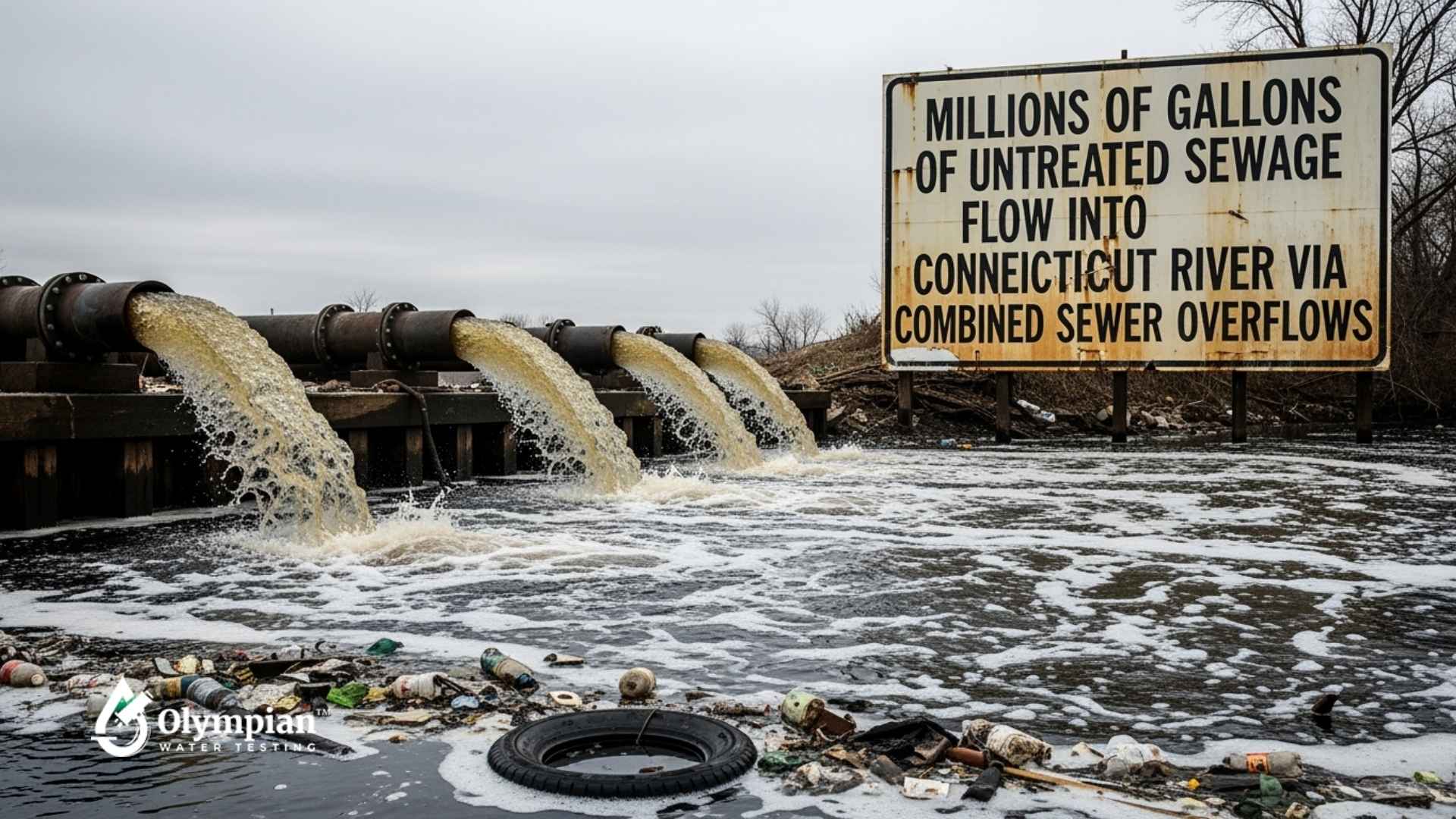
Overview of the Sewage Overflows
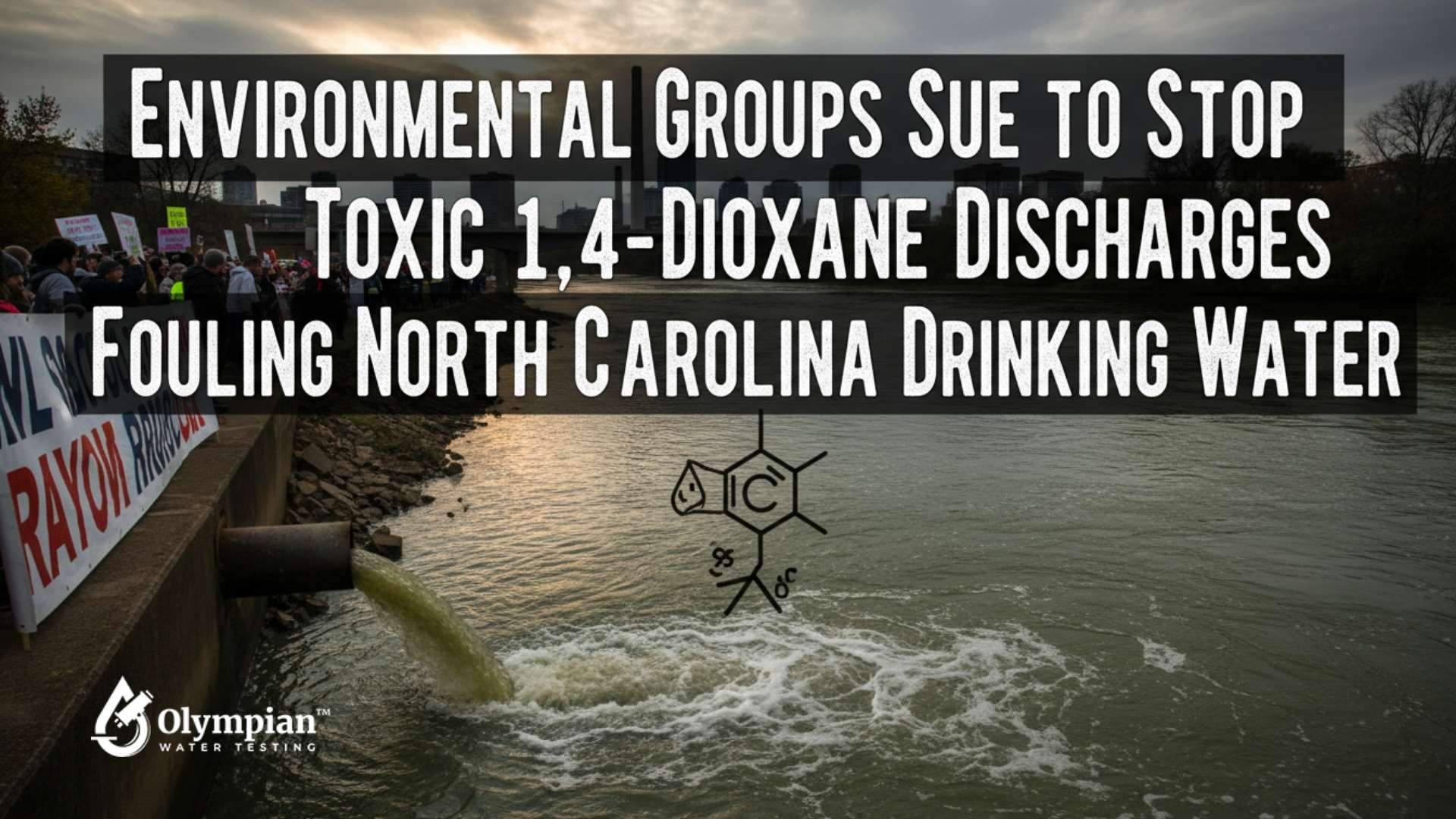
Recent reports highlight the urgent need to tackle discharges into the Connecticut River. Municipalities struggle to manage raw effluent, sparking debates among environmental agencies, public officials, and residents. Many see combined sewer overflow solutions as a viable solution.
The Scale of the Incident
Connecticut officials have shared video footage showing waste and toilet paper flowing downstream. Massachusetts records reveal that Springfield released over 301 million gallons, Holyoke 112 million, and Chicopee 23 million gallons by July. These figures underscore the need for effective containment and infrastructure improvements.
“The severity of such overflows demands immediate intervention,” stated the Environmental Protection Agency.
Immediate Community Concerns
Concerns have shifted to health alerts, fishing restrictions, and recreation warnings. Families fear exposure risks, while conservation groups advocate for combined sewer overflow solutions to protect water quality. Many await clear directives and stronger measures from state officials to prevent future contamination.
Historical Context of Combined Sewer Overflows
Early engineers designed combined sewer networks to manage both rainwater and household waste in one system. At that time, discharging untreated waste into rivers was common. Growing awareness of environmental health led to a shift towards cleaner practices.

Efforts to reduce pollution face significant hurdles due to outdated infrastructure. Cities built these systems in the 1800s, when pollution was seen as normal. Today, the focus is on minimizing overflows and improving water quality.
Origins of Combined Sewer Systems
The need for these systems arose from rapid urban growth. Planners focused on quick drainage to avoid flooding, merging stormwater and sewage in the same pipes. This approach simplified urban development but exposed waterways to pollution during heavy rains.
Regulatory Shifts Over Time

Laws like the Clean Water Act have set strict limits on pollution. Increased public awareness and enforcement have pushed cities to update their systems. Despite these efforts, challenges persist, with many Northeast cities struggling with outdated sewer systems.
Era | Infrastructure Focus | Primary Goal |
1800s | Unified Sewer Systems | Prevent Urban Floods |
Mid-1900s | Basic Treatment Concepts | Limit Trash in Waterways |
Today | Separation and Upgrades | Meet Clean Water Regulations |
Connecticut River’s Environmental Significance
The Connecticut River is a vital waterway that nurtures a wide array of fish, birds, and plant species. Its scenic banks draw families and visitors, creating a sense of unity among riverside communities. Cities along its path profit from tourism, farming opportunities, and a safe drinking water supply that depends on the river’s clarity.
Local experts warn that a single spill can offset the delicate balance of nutrients and oxygen levels. Recreational clubs and fishing shops depend on a stable ecosystem, which drives home the need for proactive steps. Many see wastewater treatment upgrades as critical measures that lower contamination risks and protect local commerce.
This flowing corridor supports a web of flora and fauna. It offers endless avenues for boating, trail exploration, and meaningful encounters with wildlife. Stakeholders recognize that wastewater treatment upgrades bolster the region’s future, ensuring the river remains a thriving habitat and a reliable source of well-being for generations to come.
The Volume of Sewage Released
Recent reports reveal millions of gallons of sewage entering the Connecticut River in a short time. This situation raises critical questions about public infrastructure and environmental impact. Local experts note that years of neglect in upgrades have left communities exposed during heavy rains.
Data Provided by Local Authorities
Springfield alone has seen over 300 million gallons of sewage released, with Holyoke and Chicopee adding millions more. Engineers blame surging stormwater for stressing aging pipes during severe weather. Recordkeeping shows that volumes surge during rainy seasons, highlighting weaknesses in municipal systems.
Reflections on Previous Sewage Events
Decades of overflow incidents are documented. Despite some efforts to slow contamination, stagnant lines and increasing storms extend the river’s pollution. Advocates push for tracking past spills to inform targeted improvements. They stress the need for lasting solutions.
Potential Impact on Local Ecosystems
In Suffield, Enfield, and other areas, communities have seen raw sewage debris harming fish and amphibians. This debris can lead to oxygen depletion, as excess nutrients fuel rapid algae growth. Such conditions stress aquatic life, underscoring the need for long-term infrastructure planning to modernize outdated systems.
Detrimental changes in water chemistry harm critical breeding grounds, disrupting the balance needed for species diversity. Unchecked pollutants can spread through food chains, endangering river habitats and limiting conservation efforts.

Threats to Aquatic Life
Experts at the Connecticut Department of Energy & Environmental Protection warn that depleted oxygen and contaminated water weaken fish populations. A decline in healthy breeding zones may shift entire ecosystems toward harmful algae blooms.
- Reduced oxygen levels limit fish survival
- Debris in spawning sites interrupts lifecycle patterns
- Excess nutrients encourage invasive species
Risks for Nearby Wildlife
Mammals and birds that depend on the river’s resources may face bacterial infections or toxic exposure. To maintain healthier waterways, strategies that reflect long-term infrastructure planning and consistent upkeep are essential. These efforts protect vital habitats for all living creatures in the region.
Health Implications for Nearby Communities
State Rep. Tami Zawistowski and other leaders have highlighted the dangers of direct contact with contaminated water. Boy Scout troops and individuals who canoe or fish near outfall points often find remnants of sewage. This exposure can lead to gastrointestinal distress and bacterial infections in families.

Children and older adults are at a higher risk due to weaker immune systems. Swimmers or those wading in affected areas may face complications in their ears, noses, and throats. Local officials emphasize the importance of federal regulations, like reducing raw discharge under the National Pollutant Discharge Elimination System. They argue that compliance with these regulations protects the public interest.
Health Concern | Possible Symptoms | Preventive Measures |
Bacterial Infection | Fever, nausea, vomiting | Handwashing, disinfecting items |
Skin Irritation | Rashes, itching | Showering after contact, wearing protective gear |
Local Government Response and Regulations

Local leaders have focused on short-term measures to safeguard river users from immediate dangers. Connecticut officials have reached out to the U.S. Environmental Protection Agency, seeking collaboration with Massachusetts authorities. They highlight public health concerns in addressing the risks from untreated wastewater.
Emergency Actions Taken
Public notices advise residents to stay away from the river during heavy rainfall. Crews intensify monitoring near outfalls and conduct targeted cleanups. These actions reduce exposure and mitigate threats to local recreation.
Long-Term Enforcement Plans
Cities like Holyoke are under judicial orders to enhance overflow management. Springfield and Chicopee are pursuing system upgrades. These projects often depend on the Clean Water State Revolving Fund or federal grants to alleviate financial burdens. Leaders foresee long-term projects spanning decades, aiming to decrease discharges.
City | Action | Funding Source |
Holyoke | Overflow improvements | Clean Water State Revolving Fund |
Springfield | Phased infrastructure upgrades | Federal Grants |
Chicopee | Sewer separation projects | State & Local Funds |
Role of Environmental Advocacy Groups
Environmental advocacy groups bring together concerned citizens and policymakers to tackle Connecticut River pollution. They often label municipalities as polluters due to ongoing wastewater discharges. City officials argue that aging sewer systems and extreme weather exacerbate overflow issues. They seek more financial backing from federal and state agencies to upgrade infrastructure.
These groups organize educational workshops to raise awareness about ecological harm and public health risks. They also push for legislative changes to strengthen sewage regulations.
“We cannot stand by while cities release harmful waste into cherished waters,” stated a spokesperson from the Sierra Club. “Our planet deserves better solutions and sustained oversight.”
Volunteer programs are a key part of their mission to improve water quality near urban areas. Their goal is to protect habitats and safeguard people from toxins in local waters.
Historically, these alliances have worked with scientific bodies to collect data and monitor pollution trends. They emphasize the need for swift action to protect natural resources. They believe that through collective advocacy and sufficient funding, the Connecticut River can be restored to its former glory, ensuring a healthier environment for future generations.
Infrastructure Challenges Leading to Overflows
Hidden within aging pipes lies a significant threat to modern wastewater management. Cities like Holyoke, Springfield, and Chicopee have invested hundreds of millions in system upgrades. Despite this, they face overflows when rainfall exceeds their capacity. Crews regularly find century-old piping, hindering modernization efforts.
The quest for temporary fixes is overshadowed by the need for lasting solutions to combined sewer overflows. Local officials aim to reduce discharges, focusing on large storm events. They must adapt to stricter standards and growing public concern.
Aging Sewer Systems

What was once considered state-of-the-art now requires advanced retrofits. Corrosion, soil shifts, and outdated materials increase risks. Municipal teams label some pipe replacements as urgent, yet cost and scale can slow progress.
Funding Barriers
Budgets are stretched to the limit, leaving taxpayers with limited means for overhauls. State support is available but often insufficient. Leaders are exploring grants, partnerships, and innovative funding methods.
For more on strengthening infrastructure, this guide provides essential insights. Officials must navigate inflation while upgrading, knowing each improvement lessens the risk of harmful overflows.
“We must modernize these outdated systems or risk repeated sewage releases,” said a local representative.
- Pipe inspections to address immediate weaknesses
- Identifying grants that fund rehabilitation projects
- Community research into combined sewer overflow solutions
Public Awareness and Community Engagement
Local residents frequently come together in public forums to discuss sewage overflow concerns. These gatherings in Connecticut and Massachusetts show a deep-seated frustration among homeowners, businesses, and environmental advocates. They emphasize the need for shared responsibility in reducing personal waste and protecting waterways.
Importance of Education Campaigns

Schools, libraries, and community groups host sessions to educate on water conservation. People learn about sewer upgrades and support policies that prioritize clean water. Simple actions like proper trash disposal and pollution reduction can significantly improve living conditions.
Grassroots Initiatives
Volunteers team up with groups like the Connecticut River Conservancy for riverbank cleanups. Social media campaigns unite neighbors, urging them to back sewer improvement funding. These efforts foster community unity and boost confidence in clean water projects.
Future Outlook for Sewage Management
State officials foresee significant efforts to reduce sewer overflows in the next few years. They plan to upgrade infrastructure with designs that can handle floods and hold more excess water. These upgrades aim to safeguard the Connecticut River and its surroundings.
Over the next two decades, programs will focus on improving collection systems and implementing advanced filtration technologies. In many areas, wastewater treatment upgrades are seen as a key strategy to combat the effects of more intense storms. The use of green infrastructure, such as permeable surfaces and modern drainage systems, will help alleviate the strain on aging pipelines.
Experts from the Department of Energy and Environmental Protection stress the need for consistent funding. They suggest the use of advanced monitoring tools to detect early signs of overflows. Others propose constructing additional storage tunnels to manage the increased water flow from storms.
- Boost sewer capacity with stronger piping
- Improve basin design for surplus rainwater
- Adopt cutting-edge sensors for flow tracking
Municipalities are also prioritizing wastewater treatment upgrades to maintain the health of vital waterways. These efforts align with broader goals set by the U.S. Environmental Protection Agency.
Initiative | Timeline | Outcome |
Green Infrastructure | 5-10 Years | Reduce Overflows |
Plant Expansion | 10-15 Years | Handle Higher Volumes |
Enhanced Monitoring | Ongoing | Improve Early Detection |
Possible Preventive Measures for Municipalities
City planners are now looking into new ways to ease the burden on local water systems. They focus on upgrading infrastructure and forming strong partnerships. This approach aims to reduce overflow risks and minimize environmental harm. Holyoke’s sewer separation projects and Springfield’s increased storage capacity are notable examples for future development.
Infrastructure Upgrades
By expanding treatment plants, cities can manage more water before it’s released. Green roofs and permeable pavements help absorb rainwater, reducing pressure on combined sewers. Separate stormwater lines prevent raw sewage from entering rivers, protecting both habitats and neighborhoods from pollution.
- Green roof conversions
- Permeable paving materials
- Enhanced storage facilities
Collaborative Funding Solutions
Municipalities use federal and state revolving funds for low-interest loans and grants. Regional partnerships make projects more feasible and share costs among communities. This collective effort strengthens safeguards, reducing environmental harm during heavy rains. It empowers local leaders to build sustainable systems quickly.
Initiative | Benefit |
Sewer Separation | Reduces combined overflows |
Green Facility Upgrades | Promotes natural water retention |
Expanded Capacity | Handles surges from heavy storms |
Moving Forward Toward a Cleaner River

Massachusetts communities face a strict deadline to meet overflow compliance by the mid-2030s. This timeline mirrors Connecticut’s goal to cut down and eventually eliminate combined sewer overflows. Metropolitan commissions report a decrease in untreated discharges annually, proving that focused investments can make a difference.
The need for funding grows as aging sewer pipes struggle under the pressure of changing weather. Local governments collaborate with the U.S. Environmental Protection Agency and state agencies to upgrade these systems. At the core of these efforts is long-term planning, integrating new technologies with ongoing monitoring.
Environmental groups advocate for enhanced public awareness campaigns to educate families about water quality risks. With each improvement, these regional stakeholders are crafting a future where the river supports both recreational activities and aquatic habitats safely. The mission to restore the Connecticut River demands consistent progress, financial backing, and unwavering dedication to cleaner, healthier waterways.