Understanding the Salinity Increase
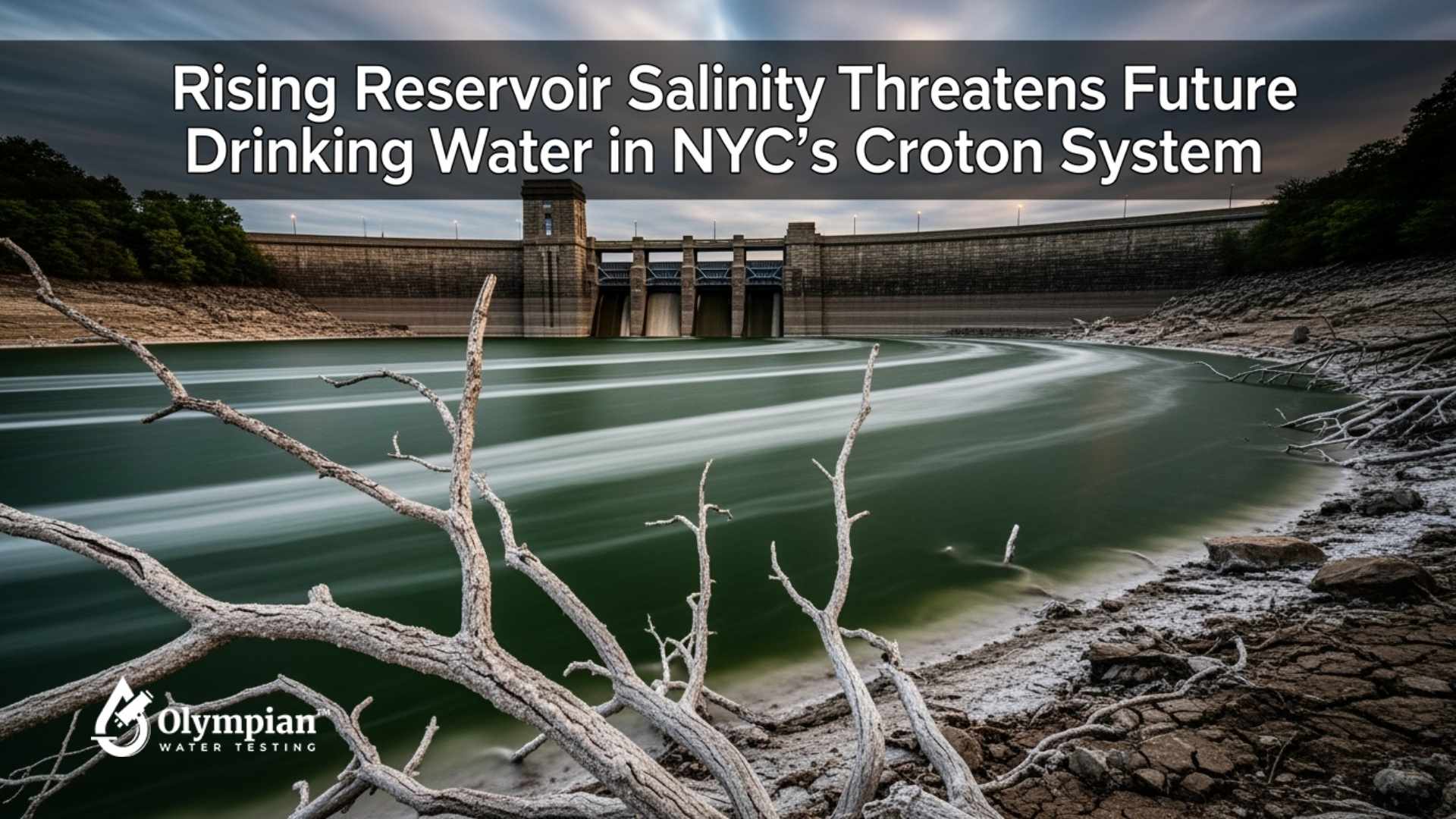
Experts attribute rising chloride levels to changes in land use and sediment runoff near NYC reservoirs. The salinity increase is linked to human activities that intensify salt concentrations in the Croton system. Through clear monitoring, we can identify the factors driving this trend.
Salt Sources in the Croton Watershed

Road salt is a major contributor during winter, flowing into streams and tributaries as snow and ice melt. Sewage treatment facilities also release effluent with dissolved minerals. Private water softeners add sodium and chloride, further stressing local waterways. These sources cumulatively increase the salt load, affecting reservoir balances.
Seasonal Effects on Reservoir Water Chemistry
In the cold months, de-icing efforts intensify, adding more brine to the watershed. Warmer temperatures lead to faster evaporation and sporadic rainfall, altering dilution patterns. These changes require constant adjustments in water chemistry, raising long-term salinity concerns.
Common Source | Primary Impact | Peak Season |
Road Salt | Elevated Chlorides | Winter |
Sewage Treatment | Continuous Mineral Discharge | Year-Round |
Water Softeners | Increased Sodium | Year-Round |
Historic Significance of the Croton System
In the mid-1800s, city visionaries saw the need for a stable reservoir network. This was to fuel rapid growth and improve public health in NYC. The Croton System emerged as a groundbreaking infrastructure project. It set new standards in engineering and safeguarded essential resources for NYC.
This monumental achievement holds historic significance due to its massive scale. Brick-lined tunnels channeled water across miles, reducing disease outbreaks and driving urban development. The use of untapped rural waters and innovative aqueduct design marked a new era of progress.
Water from these reservoirs became a lifeline, supporting the city’s population boom. It showed how thoughtful innovation can reshape a region. Despite standing the test of time, the Croton System now faces salt-related pressures that threaten its legacy.
Impact of Rising Salinity on Aquatic Ecology
Increasing salt levels disrupt local waterways near NYC. Experts warn that higher chloride levels alter the chemical balance, posing risks to fish, amphibians, and other species. This shift in aquatic ecology demands attention, given how quickly sensitive organisms can lose their habitats.
Threats to Native Fish Species
Some freshwater fish struggle with abrupt salinity spikes. Their eggs and larvae face complications, reducing survival rates. More adaptable predators may outcompete these native populations, leading to imbalances that affect the entire food web.
Potential Shifts in Algal Growth Patterns

Elevated salt affects nutrient cycles and can trigger algal blooms. Blooms reduce water clarity and deplete oxygen, placing stress on aquatic life. Environmental advocates, including Riverkeeper, suggest that mitigating excessive chloride is key to sustaining healthy ecosystems.
Salinity Level (mg/L) | Ecological Impact |
Low | Stable fish populations |
Moderate | Stress on sensitive species |
High | Frequent bloom formation |
Why the Salinity Should Concern NYC Residents
Officials warn that parts of the Croton System may become obsolete for drinking water if salt levels continue to climb. This could disrupt daily routines for individuals who count on consistent tap quality and taste.

The increase in dissolved minerals poses a real salinity concern for people on sodium-limited diets. Any uptick in sodium content can change water’s overall flavor profile. This creates worries about long-term consumption.
- Medical risks for those with specific health conditions
- Potential strain on household water filters
- Possible rise in household expenses
NYC residents look for ways to stay informed about reservoir protection efforts. Feedback from public health experts suggests that remaining vigilant is key to preserving safe water access in the years ahead.
How Salinity Impacts Drinking Water Quality
The increase in salt content can change the nature of NYC tap water, affecting its purity and mineral balance. Elevated levels of chloride and sodium pose a threat to drinking water quality. This quality has been a hallmark of NYC’s tap water for its freshness and safety. Researchers highlight the importance of this shift, warning of possible long-term effects.
Human Health Implications

Medical professionals caution that higher sodium levels in public water supplies may increase daily intake for those with pre-existing conditions. This could lead to concerns about cardiovascular health and blood pressure. The challenge is compounded when the water itself adds to the salt content, making it harder to manage salt intake from other sources.
Possible Changes in Taste and Odor
Salt intrusion might introduce subtle changes in taste and smell. Long-time residents value the city’s tap water for its crisp flavor. A noticeable saline taste could alter this experience, raising questions about the long-term quality of drinking water.
Climate Change and the Croton Watershed
Warmer winters, a result of climate change, raise concerns for local reservoirs. Road crews use more salt to combat icy roads, and much of it ends up in nearby streams. These streams flow towards the reservoirs, increasing salinity levels. NYC officials closely monitor this trend as part of a broader strategy to ensure a steady water supply.
Unpredictable weather patterns lead to sudden snowmelt or intense rainfall. This accelerates salt runoff into the reservoirs. To counteract this, extra chemical treatments are often used. This adds stress to the delicate aquatic habitats, highlighting the need for careful planning to avoid long-term damage.

“Road salt can raise chloride levels in freshwater, which may affect water quality and aquatic life,” noted the National Oceanic and Atmospheric Administration.
Managing climate change is a priority for public agencies and local stakeholders. Implementing revised de-icing practices, upgrading infrastructure, and conducting research are key steps. These efforts aim to protect NYC’s drinking water while ensuring public safety. A balanced approach is essential to maintain reservoir stability for the future.
Infrastructure Concerns for NYC
NYC faces significant infrastructure challenges due to changing water chemistry. This shift threatens the integrity of its pipes and tunnels. The Department of Environmental Protection warns of corrosion risks, which could compromise delivery systems. This has sparked discussions on how to allocate funds effectively.
Emergency repairs could put a strain on local budgets, affecting city agencies. While partial desalination might reduce salt exposure, it comes with high costs. To ensure public safety, substantial investments are necessary to modernize treatment plants.
Corrosion Risks in Piping Systems
Piping systems, exposed to salt-laden water, are at risk of corrosion. This deterioration can lead to faulty faucets, mineral contamination, and affect water taste. Tunnels serving areas like the Bronx, Brooklyn, and beyond also face these threats.
Maintenance Costs and Funding Challenges

As salinity increases, routine maintenance becomes more complex. Officials anticipate higher costs for cleaning, protective linings, and equipment upgrades. Budget constraints might hinder necessary repairs, increasing the risk of service disruptions.
- Deploying corrosion-resistant materials
- Securing stable funding for ongoing repairs
- Expanding oversight committees to foster accountability
Community leaders are calling for immediate action to avert a larger crisis. NYC must prioritize both immediate repairs and long-term solutions. This ensures safe drinking water for future generations. Ongoing research into water chemistry aims to mitigate risks across all five boroughs.
Local Environmental Policies and Regulations
Experts foresee a rise in chloride levels in the Croton System’s reservoirs by 2108. This development is alarming for NYC’s watersheds. To safeguard public health, there’s a push for stricter controls on de-icing chemicals. Implementing lower limits on road treatments is seen as a critical step to curb salt runoff.
New mandates are proposed to promote environmentally friendly snow management and enhanced chloride tracking. The goal is to maintain the health of NYC’s aquatic ecosystems. Plans include setting higher standards for wastewater treatment facilities to ensure better effluent quality.
Engagement from the community is essential for shaping future environmental policies. Input from citizens, advocacy groups, and local agencies is invaluable. A transparent approach will help meet infrastructure demands while protecting reservoirs for future generations.
Collaborative Efforts to Address Salinity
Leaders across NYC are coming together to tackle the salinity threat to vital reservoirs. They share a unified goal: safeguard drinking water through strategic plans and cutting-edge technology.
Government Agencies and Their Roles
The Department of Environmental Protection (DEP) and Riverkeeper lead fieldwork, policy, and data collection efforts. Senator Pete Harckham and local officials push for a unified stance on salt management. They focus on advanced wearables for road crews and real-time tracking of de-icing materials. This strategy aims to enhance precision, cut down on waste, and protect sensitive water sources.
Community Engagement and Public Awareness
Residents are integral to these collaborative efforts. Neighborhood groups advocate for clear updates on reservoir conditions. They also support open forums, encouraging citizens to stay abreast of salt reduction goals. Hands-on workshops foster dialogue, building trust among communities, government teams, and nonprofits.
Strategy | Benefit |
Real-Time Salt Usage | Limits excess application and preserves water quality |
Wearable Tech for Crews | Improves accuracy and data sharing in severe weather |
Public Awareness Campaigns | Fosters joint action and informed decision-making |
Monitoring and Testing Initiatives
Officials use both historical data and modern tools to check reservoir health. From 1987 to 2019, chloride levels in the water tripled. The DEP’s Salinity Management Assessment suggests using electronic devices to detect small changes. This will help NYC respond faster to water quality issues.
Water Quality Metrics to Watch
Teams monitor chloride rates, pH levels, and conductivity for signs of salt. They follow strict protocols to ensure data accuracy. This systematic approach helps identify early warning signs, leading to quicker action.
Advanced Salinity Detection Technologies
New sensors track salinity levels in real time, sending alerts when they reach danger zones. These tools pinpoint where salt levels are rising. This information aids in both short-term fixes and long-term planning, improving water quality.
Metric | Significance |
Chloride Levels | Key indicator of salt infiltration |
pH Balance | Shows chemical stability in reservoirs |
Conductivity | Indicates ion changes affecting taste and odor |
Comparisons with Other Major Cities
Cities in the Northeast and Midwest struggle with road salt runoff, a common issue. This method keeps roads icy but harms water quality. NYC, with its vast watershed, faces rising salinity levels. Such changes can harm local ecosystems and infrastructure in many urban areas.
Boston and Philadelphia see salt residue linger as winter fades. Growing populations exacerbate the problem. Major city comparisons show NYC’s watershed impacts are more severe on wildlife and drinking water.
“We face significant challenges with salt runoff,” stated Mayor Eric Adams in a recent meeting with city engineers.
Public officials closely watch these trends in regional planning. Safe drinking water is a top concern, leading to the search for affordable solutions. Reports show that salinity is more severe in large watersheds. NYC works with state agencies to protect resources, ensuring clean water for the future.
Potential Solutions and Innovations

City planners are exploring ways to combat rising salinity in the Croton reservoir. Their efforts aim to protect NYC’s water supply and find practical methods to limit chloride buildup. Various strategies could help reduce salt levels without harming aquatic life.
One option being considered is partial desalination. This method can quickly lower salt levels in emergency situations. Despite its effectiveness, it comes with high operating costs and energy consumption. Before scaling up, thorough research is essential.
Desalination Approaches
Some facilities propose smaller-scale plants that treat only a portion of the intake. This approach reduces the strain on the main system. Public funding and partnerships with environmental groups are key to implementing these potentials solutions effectively.
Reservoir Management Strategies
Enhancing reservoir operations can help manage salinity levels. Mixing water from the Catskill or Delaware systems with Croton water can dilute salt. Also, redirecting storm runoff and controlling road salt near the watershed are potentials solutions to extend the life of NYC’s critical infrastructure.
- Limit salt usage through regional initiatives
- Promote local stewardship programs
- Advocate for efficient water distribution methods
Intervention | Pros | Cons |
Partial Desalination | Rapid salt reduction | High energy and cost |
Blending Waters | Reduces chlorine intake | Supply limits if drought occurs |
Salt Control | Slows reservoir contamination | Requires community coordination |
Role of Public Education on Water Conservation
In New York City, public education campaigns play a vital role in promoting responsible water usage. Local initiatives focus on workshops that teach environment-friendly de-icing methods. These methods help reduce salt runoff, protecting reservoirs by lowering salt concentrations in waterways.
Community programs educate residents and businesses on water conservation practices. Participants learn about manual snow removal and chemical-free alternatives to keep pavements safe. This approach aims to limit chloride buildup in local waterways.
Workshops led by city officials highlight daily actions that ease infrastructure stress. They emphasize shared responsibility and the link between healthy water sources and local well-being. Businesses see reduced maintenance costs, while residents enjoy cleaner tap water.
According to the NYC Department of Environmental Protection, hands-on training for households remains an essential tool in curbing excessive salt use.
These efforts demonstrate that public awareness and basic conservation habits are key to sustaining a reliable drinking supply for all.
Media Coverage on the Croton Salinity Issue

Recent stories from The New York Times and CBS News have shed light on concerns over rising reservoir salinity. This media coverage raises the possibility that the “champagne of tap water” might lose its famous clarity. Salt infiltration is identified as a major worry, along with questions about health effects.
Outlets have echoed calls for swift, decisive actions to secure NYC’s water supplies. Reports highlight worries about possible changes in water taste, prompting residents to follow updates more closely. This media coverage emphasizes the urgency for NYC leaders to maintain drinking water quality.
Impact of News Outlets and Social Media
Media coverage spanned TV segments and trending posts on Twitter, amplifying the salinity issue nationwide. New Yorkers shared personal accounts of changing flavors, raising concerns within online communities. Press reports underscored the need for data-driven solutions, placing pressure on agencies to pursue collaborative strategies.
Public Response and Sentiment
Residents expressed dismay at the risks to their drinking options. Many voiced support for increased testing and resource allocation. Advocates insisted on public updates about possible solutions in NYC. Citizen-led petitions and calls for transparency show the significance of every voice in shaping water policy.
Ensuring a Secure Water Future
The Department of Environmental Protection emphasizes the importance of integrated policies and community outreach. These efforts aim to reduce salinity extremes in the Croton System. This protection is vital for maintaining the quality of New York City’s tap water. If these measures are insufficient, advanced technologies serve as a backup.
City leaders are committed to preserving the region’s legacy of fresh and pure water. Achieving a secure water future demands a balance between cost, feasibility, and scientific evidence. They consider climate trends, land use, and resource management in their long-term planning.
Citizens, lawmakers, and environmental advocates must come together to protect clean water. Public education plays a key role in promoting responsible salt use and environmental stewardship. Continuous assessment and strategic funding are essential for New York City’s resilience. By taking action now, policymakers ensure a healthy future for the next generation.