Millions of Americans Exposed to Contaminated Drinking Water
The safety of tap water has become a pressing concern for many Americans. Recent studies have shown numerous contaminants in drinking water systems across the country. Gallup polling reveals that contaminated drinking water is the top environmental worry for U.S. citizens.
An Environmental Working Group (EWG) survey in 2022 found over half of respondents doubting tap water safety. About 40 percent refused to drink it directly. This fear is justified, given the EWG’s latest Tap Water Database update. It analyzed nearly 50,000 water systems, finding 324 contaminants in drinking water.
Widespread Concern About Tap Water Safety
The EWG’s analysis showed almost all drinking water systems contain detectable contaminants. Many chemicals exceed health-based standards, despite being below EPA’s outdated legal limits. This toxic mixture of contaminants includes PFAS, hexavalent chromium, nitrates, and disinfection byproducts.
The presence of these unregulated contaminants in drinking water is alarming. They have been linked to health issues like cancer, hormonal disruption, liver damage, and reproductive problems. Over 143 million Americans drink water contaminated with PFAS, also known as "forever chemicals." More than 250 million have drinking water containing hexavalent chromium.
EWG’s Groundbreaking Study on Cancer Risk from Drinking Water Contaminants
In a 2019 peer-reviewed study, EWG scientists found that U.S. drinking water contaminants could cause over 100,000 cancer cases. This finding highlights the urgent need for stronger health protections and updated federal regulations.

Despite growing evidence of health risks from contaminated drinking water, federal action has been slow. This leaves millions of Americans exposed to unregulated contaminants. The EWG advocates for stronger drinking water protections. It urges consumers to stay informed about their tap water quality and invest in filtration systems to reduce exposure to harmful substances.
EWG’s Tap Water Database: Empowering Consumers with Vital Information
The Environmental Working Group (EWG) has created a groundbreaking tool for consumers to stay informed about their drinking water. The Tap Water Database is a free, user-friendly resource. It allows individuals to access detailed local water quality reports by simply entering their zip code.
EWG’s database, which includes data from nearly 50,000 water systems collected between 2021 and 2023, identified a staggering 324 contaminants in drinking water across the United States. This tool empowers consumers to make informed decisions about their water consumption and treatment options.
User-Friendly Tool to Access Local Water Quality Reports
With just a few clicks, users can generate detailed reports on the contaminants in their local water supply. These reports include associated health risks and any compliance violations. The database also offers personalized water filter recommendations based on the specific contaminants found in a user’s zip code. This ensures that consumers can effectively reduce their exposure to harmful substances.
| Statistic | Value |
|---|---|
| Water systems analyzed | Nearly 50,000 |
| Contaminants identified | 324 |
| People exposed to PFAS in drinking water | Over 143 million |
Filling the Gaps Left by Federal Regulations
The Tap Water Database serves as a critical resource for consumer awareness. It fills the gaps left by outdated federal regulations. Despite growing scientific evidence linking low-level exposure to certain chemicals with adverse health effects, the Environmental Protection Agency (EPA) has set only one new maximum contaminant limit in the past 30 years. This targets just six PFAS compounds.
By providing accurate, up-to-date information on a wide range of contaminants, EWG’s database empowers consumers to take proactive steps to protect their health. Even when federal standards fall short, this tool allows consumers to take action. As the fight for cleaner, safer drinking water continues, tools like the Tap Water Database will remain essential for driving change and advocating for stronger regulations.
What’s Really in U.S. Tap Water?
The Environmental Working Group’s (EWG) latest analysis of nearly 50,000 water systems nationwide has revealed a disturbing truth about the state of America’s drinking water. The study identified 324 contaminants in tap water across the country, with detectable levels found in almost all community water systems.
Among the most concerning findings are the presence of pfas levels in the drinking water of over 143 million people. These "forever chemicals" have been linked to cancer and immune suppression, yet they persist in our water supply. Volatile organic compounds like TCE and benzene, known to cause cancer and neurological issues, were also detected in many water systems.
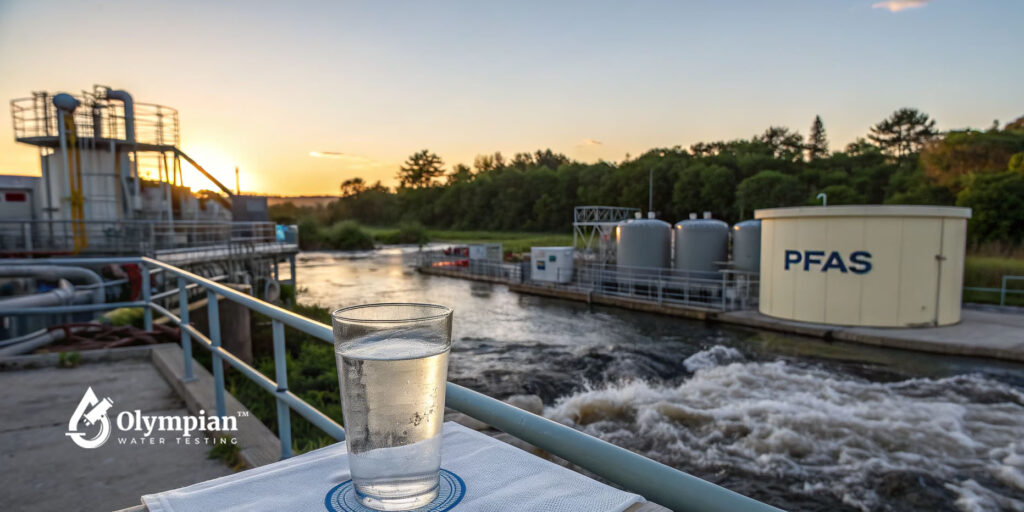
PFAS: The “Forever Chemicals” in Drinking Water
PFAS, or per- and polyfluoroalkyl substances, are a group of man-made chemicals that have been used in various industries for decades. They are resistant to degradation, earning them the nickname "forever chemicals." The EWG’s analysis found that over 143 million Americans are drinking water contaminated with these substances, which have been linked to numerous health problems, including cancer and immune system dysfunction.
Volatile Organic Compounds and Their Health Risks
Volatile organic compounds (VOCs) are another group of contaminants found in tap water across the United States. These chemicals, which include industrial solvents like TCE and benzene, can evaporate easily and have been associated with cancer and neurological damage. The EWG’s study highlighted the prevalence of VOCs in drinking water systems nationwide, underscoring the need for stronger regulations and monitoring.
Nitrate Contamination from Farm Runoff and Wastewater
Nitrate contamination, mainly from agricultural runoff and wastewater, is a growing concern in many communities. Nitrates are dangerous for infants, as they can cause a condition called methemoglobinemia or "blue baby syndrome." The EWG’s analysis found that nitrate levels often exceed their health-based standards, even when they fall below the EPA’s legal limits.
Heavy Metals like Arsenic and Chromium-6
Heavy metals, such as arsenic in water and chromium-6, were also detected in numerous water systems. These contaminants have been linked to cancer and organ damage, yet federal regulations have not established a legal limit for chromium-6 despite its presence in the drinking water of over 250 million Americans.
Disinfection Byproducts Linked to Cancer and Reproductive Issues
Disinfection byproducts, which form when chemicals used to treat water react with organic matter, were another common finding in the EWG’s analysis. These substances have been associated with an increased risk of cancer and reproductive health issues. The study highlights the need for a reevaluation of water treatment methods to minimize the formation of these harmful byproducts.
Other contaminants of concern identified in the EWG’s study include lead in water, radiological substances, and a wide range of industrial and agricultural pollutants. The findings underscore the urgent need for updated federal regulations and more stringent monitoring of our nation’s drinking water supply to protect public health.
Outdated Federal Regulations vs. Health-Based Standards
The Environmental Working Group’s (EWG) Tap Water Database reveals a stark contrast between outdated federal regulations and health-based standards for drinking water contaminants. The EPA sets maximum contaminant levels (MCLs) for certain chemicals. Yet, many of these legal limits are grossly inadequate for safeguarding public health.
The EWG’s analysis of nearly 50,000 water systems across the United States uncovered a staggering 324 contaminants in drinking water. Almost every water system contains detectable pollutants. Many of these chemicals lack federal safety limits or are underregulated, putting millions of Americans at risk of health problems.
| Contaminant | Health Risks | EPA Regulation Status |
|---|---|---|
| PFAS (Forever Chemicals) | Linked to various health issues; accumulate in the human body | No established national safety standard |
| Hexavalent Chromium (Chromium-6) | Carcinogenic; exposure linked to cancer | No established national safety standard |
| Nitrates | Particularly harmful to infants; linked to "blue baby syndrome" | Regulated, but concerns persist about agricultural runoff |
The EPA’s outdated method of assessing health risks from individual contaminants is the core of the problem. It fails to account for the cumulative impact of multiple pollutants. This approach does not mirror real-world exposure scenarios, where Americans are exposed to a mix of chemicals through their drinking water.
While most water systems meet federal standards, it’s important to note that legal compliance does not equate to safety. The EWG’s health-based standards, which are often stricter than the EPA’s maximum contaminant levels, offer a more accurate reflection of the health risks associated with long-term exposure to these pollutants.
EWG’s New Tap Water Database: Key Findings and Updates
The Environmental Working Group (EWG) has unveiled an updated tap water database, highlighting the quality of drinking water across the United States. This detailed analysis, based on nearly 50,000 nationwide water utility tests from 2021 to 2023, uncovers disturbing facts about detectable pollutants in our water.
EWG’s study found 324 different contaminants in American tap water, with almost all community water systems showing detectable levels. While some contaminants exceed federal limits, most are above EWG’s stricter health-based guidelines. These guidelines are based on the latest toxicological research.

Analysis of Nearly 50,000 Water Systems Nationwide
The scope of EWG’s study is impressive, covering data from nearly 50,000 water networks across the country. This extensive coverage provides a more accurate and representative view of tap water quality in the United States.
| Key Statistics | Value |
|---|---|
| Water networks surveyed nationwide | Nearly 50,000 |
| Different contaminants detected | 324 |
| People exposed to cancer-causing PFAS | More than 143 million |
| Americans with chromium-6 contaminated water | Over 250 million |
324 Contaminants Identified in Drinking Water
The discovery of 324 unique contaminants in American tap water is a stark reminder of the challenges in ensuring safe drinking water for everyone. These pollutants include "forever chemicals" like PFAS, heavy metals such as arsenic and hexavalent chromium, as well as nitrates and disinfection byproducts.
Detectable Levels Found in Almost All Community Water Systems
The widespread presence of these contaminants is alarming, with detectable levels found in nearly every community water system tested. This highlights the urgent need for stricter regulations and better water treatment infrastructure to protect public health.
EWG’s updated tap water database provides a more accurate comparison of contaminant concentrations against health-based standards. It empowers consumers to make informed decisions about their drinking water and advocate for change at both local and national levels.
Protecting Yourself from Harmful Contaminants in Tap Water
The Environmental Working Group’s Tap Water Database has exposed numerous contaminants in drinking water across the United States. It’s imperative for consumers to take proactive measures to safeguard their health. The Environmental Protection Agency (EPA) has set legal limits for about 90 contaminants. Yet, many argue these standards are outdated, neglecting the latest scientific research on health risks from long-term exposure to pollutants.
Investing in the Right Water Filter for Your Needs
Choosing a high-quality water filter is a key step in reducing exposure to harmful tap water contaminants. When picking a filter, focus on the pollutants found in your local water. Carbon filters are great at removing PFAS, chlorine, and lead. On the other hand, reverse osmosis systems can get rid of heavy metals, PFAS, and fluoride. For total protection, consider a whole-house filtration system that cleans both drinking and bathing water.
Staying Informed and Advocating for Stronger Regulations
Using water filters is just the beginning. It’s also vital to stay updated on your tap water’s quality and push for stronger regulations. Check the EWG’s Tap Water Database regularly for updates on contaminants in your area. Support groups advocating for stricter water safety standards. By raising awareness and demanding action from officials, consumers can ensure clean, safe drinking water for everyone.
Caution Against Relying on Bottled Water as a Safe Alternative
Switching to bottled water might seem like a safer choice than tap water, but caution is advised. Many bottled water brands are opaque about their sources and treatment methods. The industry faces less stringent testing and regulation than municipal water systems. If you choose bottled water, pick brands that share their water quality test results. For long-term use, investing in a reliable water filter and pushing for stricter tap water regulations are more sustainable and effective.
The Fight for Cleaner, Safer Drinking Water Continues
Public awareness about harmful contaminants in tap water is growing. A recent survey by the Environmental Working Group (EWG) shows over half of respondents doubt their tap water’s safety. About 40 percent avoid drinking it directly from the faucet.
The quest for safer tap water is ongoing. EWG’s latest analysis found 324 contaminants in drinking water across nearly 50,000 water systems from 2021 to 2023. Some alarming findings include:
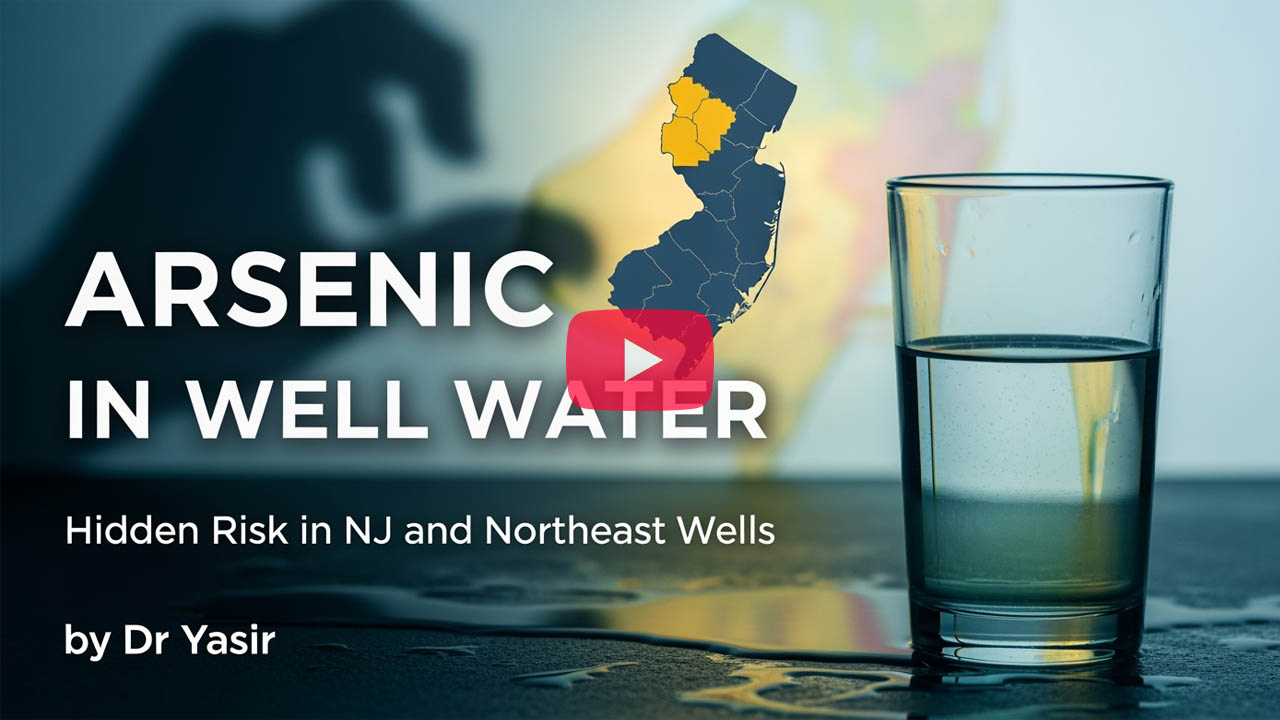
- Arsenic, linked to cancer, is found in drinking water in all 50 states.
- Hexavalent chromium (chromium-6) is present in the drinking water of over 250 million Americans, with no federal limit established.
- Disinfection byproducts formed from chlorine disinfectants are consistently found in large water systems serving millions of people.
- Long-term exposure to high nitrate levels can cause serious health problems, particular for infants when used in baby formula.
Consumer Awareness as a Driving Force for Change
Gallup polling shows drinking water contamination is the top environmental worry for Americans. Consumer awareness is a powerful force in shaping safer tap water policies and regulations.
While state and federal regulators and infrastructure improvements are responsible for cleaner drinking water, informed consumers can drive change. They can:
- Stay informed about local water quality and contaminants
- Invest in appropriate water filtration systems for their homes
- Advocate for stricter regulations and updated maximum contaminant levels (MCLs)
- Support initiatives that hold polluters accountable and protect water sources
The fight for cleaner, safer drinking water is ongoing. With increased consumer awareness and pressure on policymakers, we can work towards a future where tap water meets the latest health-based standards. Everyone deserves access to clean, safe drinking water without relying on expensive filtration systems or bottled water.
Landmark PFAS Limits in Jeopardy: The Need for Stricter Regulation
The U.S. EPA has recently set new drinking water protections. They established health-protective maximum contaminant limits for six PFAS chemicals. This is the first time in over 20 years. These new protections aim to safeguard 100 million people from PFAS exposure. Yet, most other contaminant limits have not changed in over two decades. This neglects new findings on the risks of certain pollutants.
While the new PFAS standards mark a significant step, they are just a start. Much more is needed to ensure stricter regulation and protect public health.
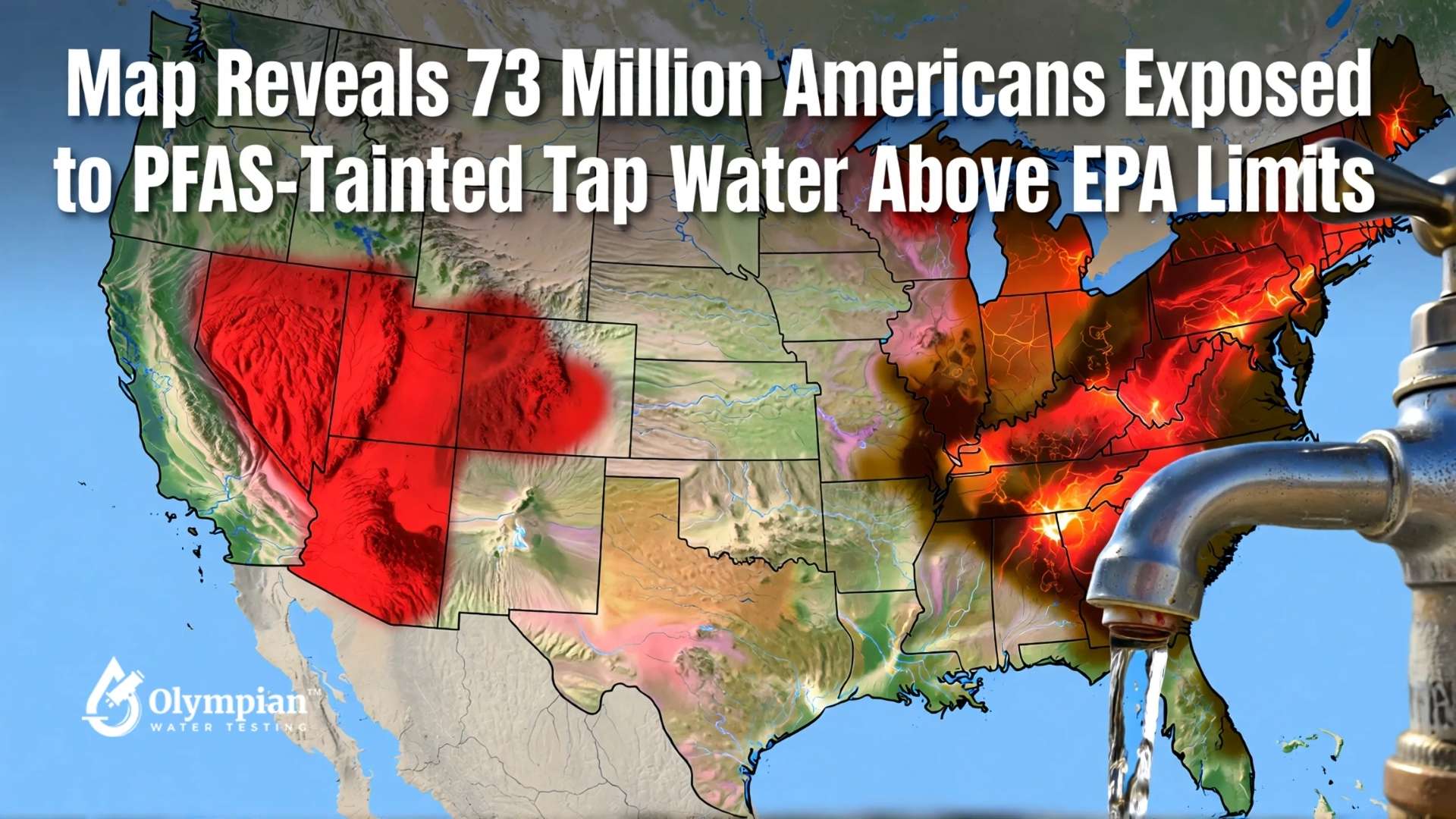
EWG’s groundbreaking tap water database includes data from nearly 50,000 water systems. It identified 324 contaminants in drinking water across the United States. The analysis found that over 260 million Americans have hexavalent chromium (chromium-6) in their tap water. Over 143 million people are drinking water contaminated with PFAS.
Despite these alarming findings, many locations’ contamination levels are below the EPA’s outdated legal limits. Yet, they exceed EWG’s health-based standards. This highlights the urgent need for stricter regulation.
The landmark PFAS limits set by the Biden EPA could be at risk if the current administration attempts to roll them back. Weakening other steps taken to tackle PFAS pollution is also a concern. Safe drinking water shouldn’t be a political debate. It’s a fundamental right that requires pushing for stronger, science-based regulations.
The fight for cleaner, safer drinking water continues. Consumer awareness must serve as a driving force for change. Advocating for stricter regulation and complete drinking water protections is essential. We must ensure that all Americans have access to clean, safe water.