PFAS Contamination: A Growing Crisis in America’s Water Supply
Reading Time: 3 minutes
Per- and polyfluoroalkyl substances (PFAS), often called "forever chemicals," have become a significant public health concern as they increasingly contaminate water supplies across the United States. These synthetic chemicals, used in various industrial and consumer products like nonstick cookware, food packaging, and firefighting foam, are being detected in water sources at an alarming rate, potentially affecting millions of Americans.
Research indicates that high levels of PFAS exposure can lead to serious health issues, including kidney and testicular cancer, high cholesterol, and reduced vaccine effectiveness. Despite ongoing studies, the full extent of the health risks remains under investigation. However, the prevalence of PFAS in the blood of the U.S. population is undeniable, with those in heavily contaminated areas facing the greatest risks.
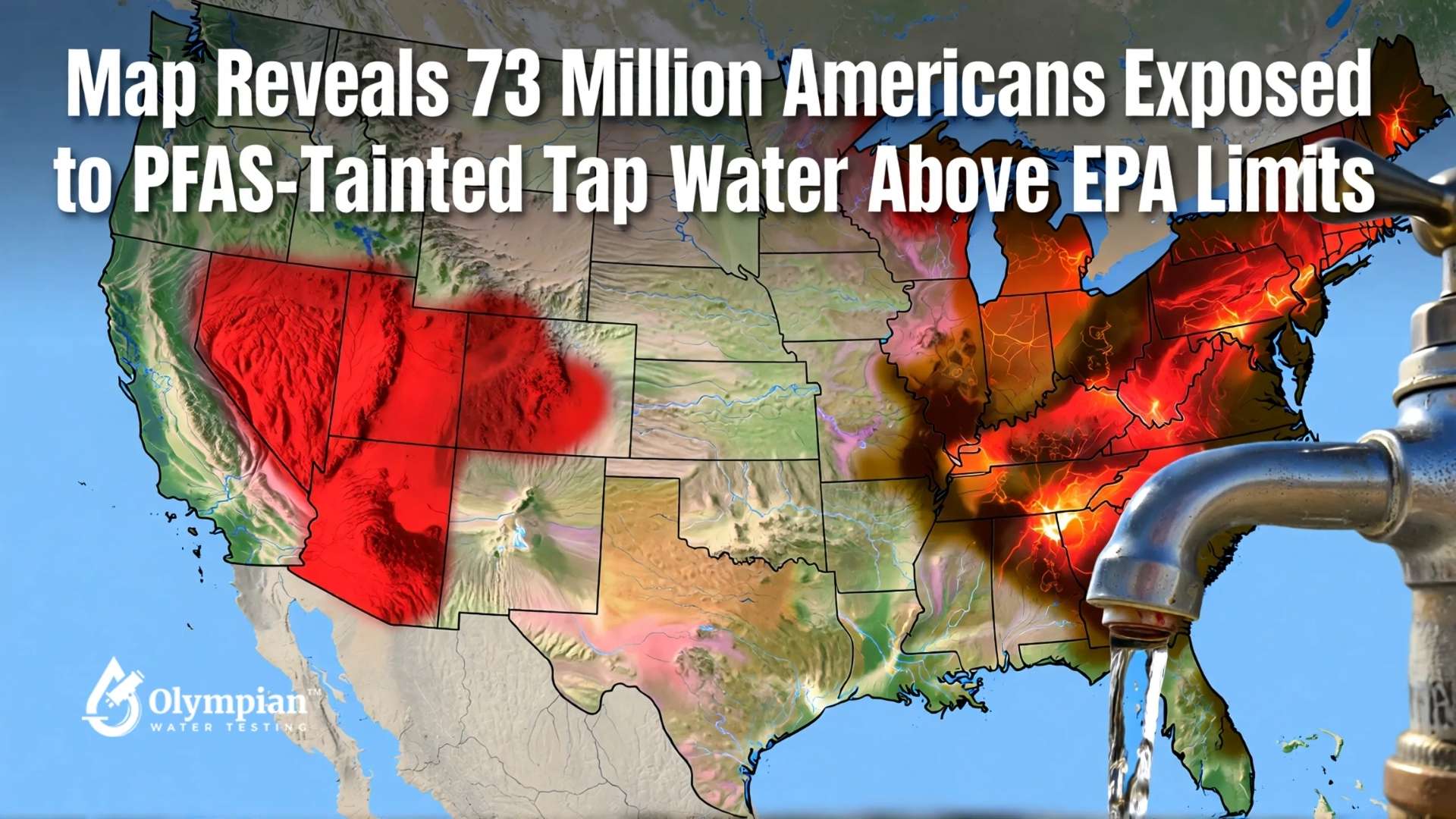
A recent analysis found that 43% of U.S. ZIP codes have reported at least one PFAS-contaminated water source over the past two decades. The number of new detections in water supplies has risen sharply, with over 14,100 instances recorded from 2004 to 2023. This equates to approximately 143 million Americans potentially exposed to PFAS through their drinking water.

Particularly concerning is the disproportionate impact on marginalized communities. PFAS contamination is more prevalent in areas where residents are poorer or more racially diverse than the national average. Nearly half of the affected ZIP codes have median household incomes below the national average, and many have a higher proportion of non-white residents.
North Carolina’s Cape Fear region is one of the most significant sites of PFAS contamination in the U.S. The 191-mile Cape Fear River, heavily industrialized and a critical water source for over 1.5 million people, has been polluted by PFAS chemicals for nearly 40 years, primarily due to discharges from a chemical plant initially owned by DuPont. The facility, now operated by Chemours, continues to address the legacy pollution, but the impact on local communities persists.
Residents of the region, such as those in New Hanover and Brunswick counties, have been found to have PFAS levels in their blood far above the national average. The health effects of this exposure are becoming increasingly apparent, with many residents, like Carolyn McDonald of Fayetteville, North Carolina, linking their severe health issues to contaminated water.
In response to the widespread contamination, the Environmental Protection Agency (EPA) has proposed the first federal limits on certain PFAS chemicals in drinking water, setting a threshold at the lowest level that can be accurately measured. The EPA’s strategy aims to hold polluters accountable and establish clear regulations to protect public health.
The situation in Cape Fear and other affected regions underscores the urgent need for comprehensive action to address PFAS contamination. As communities across the nation grapple with the consequences of these "forever chemicals," the call for stronger regulations, increased funding, and more effective clean-up efforts grows louder.
The broader implications of PFAS contamination are part of a larger crisis facing America’s water infrastructure. As environmental pollution, climate change, and aging systems continue to threaten the nation’s water supply, it is clear that ensuring safe and potable water for all Americans will require significant and sustained efforts.
Share this on social media: