Background on the New Jersey Contamination Lawsuit
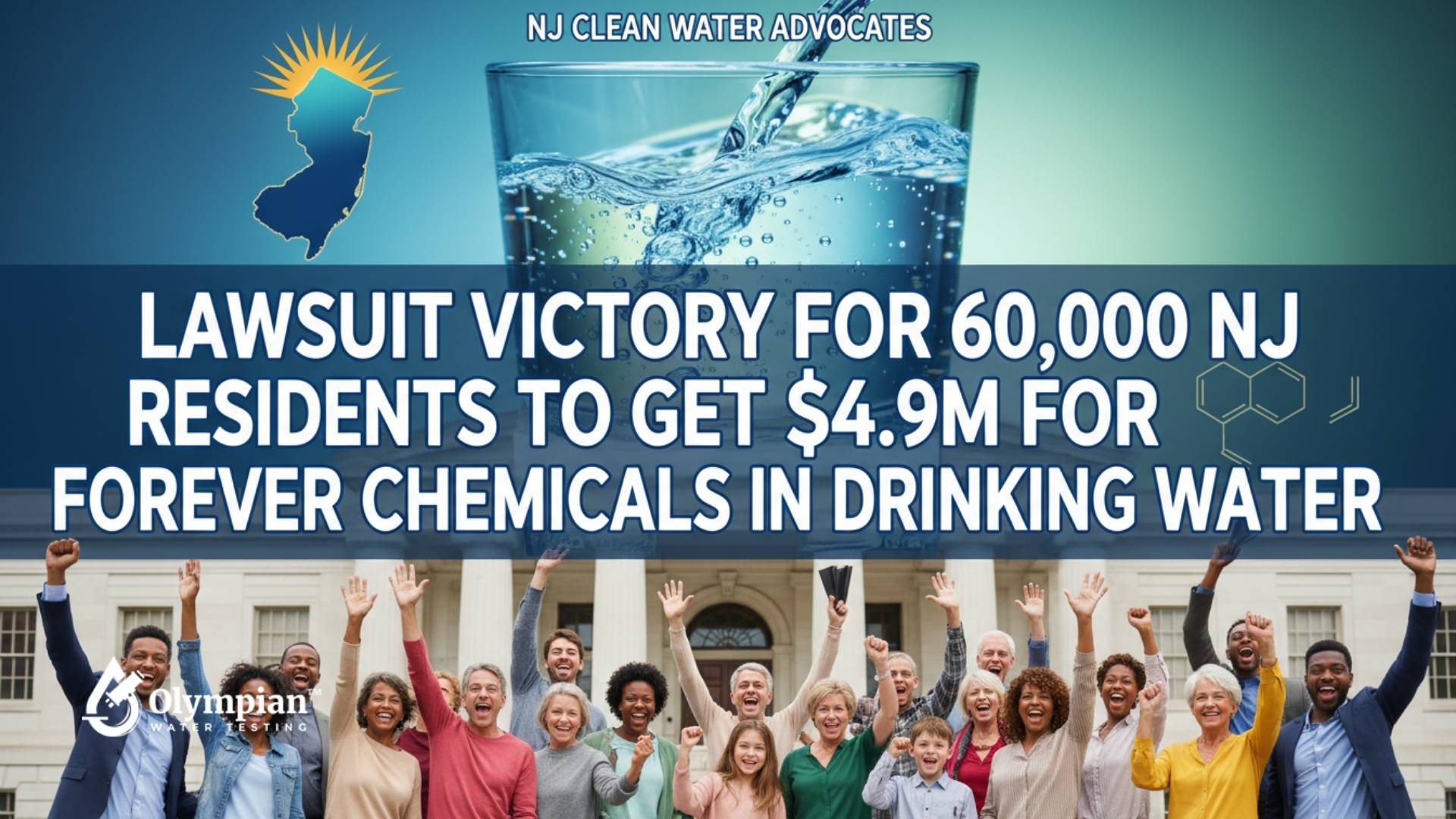
New Jersey’s water sources were threatened by chemicals linked to PFAS contamination found in various communities. State officials claimed these persistent compounds harmed local ecosystems and posed health risks. The lawsuit against 3M was sparked by evidence showing industrial practices were responsible for these hazards.
Leaders stressed the importance of protecting drinking water and wildlife habitats. Ongoing efforts focus on tracing the origins of chemical releases that span decades. New Jersey authorities are seeking compensation for the damage, highlighting the costs for cleanup and restoration.
New regulations have emerged in response to environmental concerns raised by residents and activists.
“We remain committed to holding companies accountable for PFAS contamination, as these toxins affect families across our communities.”
- Elevated water treatment expenses
- Threats to fisheries and local habitats
- Rising calls for stricter corporate regulations
Officials believe this lawsuit highlights the state’s broader pursuit of justice. They aim to remediate damage and prevent future pollution.
Role of Forever Chemicals in 3M’s Liability
The spotlight has turned to synthetic compounds known as PFAS, leading to a PFAS lawsuit against 3M. The company is under scrutiny for its ongoing production of these substances in firefighting foam, non-stick cookware, and stain-resistant fabrics. The concern is the possible harm they could cause to both humans and wildlife.
Origins and Properties of PFAS
Initially, PFAS were hailed for their heat and water resistance. Their chemical structure is so robust that it resists natural breakdown. This makes them invaluable in both industrial and consumer applications.
Why They Are Classified as Forever Chemicals
PFAS do not break down at the same rate as other pollutants. Their durability means they can persist in water sources, soil, and even the human body for extended periods. This characteristic has earned them the label of "forever chemicals."
Extent of Environmental Damage
Contamination has occurred in areas where PFAS were heavily used. Water treatment facilities often find it challenging to remove these persistent chemicals. This poses significant risks to public health. Many argue that the PFAS lawsuit highlights the urgent need for stricter safeguards and effective remediation efforts.
Impact on Local Communities and Water Sources
Families in affected areas face uncertainty when they turn on their faucets. They worry about chemical runoff from industrial sites potentially contaminating their drinking water and farmland. Municipal treatment facilities try to remove harmful compounds. Yet, trace contamination might remain, requiring advanced filtration methods.
Public concern grows over PFAS health risks due to reports of metabolic disorders and immunological issues. The Environmental Protection Agency links these chemicals to possible birth defects and an increased cancer risk. Local health clinics see patients with symptoms possibly linked to exposure, prompting demands for stricter safety standards.
Many communities depend on wells near factories that produce materials with per- and polyfluoroalkyl substances. Water managers monitor toxin levels in nearby reservoirs. Some neighborhoods invest in updated testing procedures. Each step highlights the need to prevent long-term harm from these persistent chemicals.
Insight into 3M’s Environmental History

In various parts of the United States, 3M’s manufacturing methods have raised concerns about chemical disposal and safety. The New Jersey PFAS settlement is a prime example of the growing demand for companies to be held accountable for long-term environmental damage.
Previous Legal Challenges
Previous legal battles have highlighted issues with polluted water, harm to wildlife, and public health risks. A significant case in Minnesota saw 3M agree to a $850 million settlement over PFAS-related claims. This was dwarfed by a $12.5 billion agreement on a broader scale, showing the financial burden of such cases.
These legal outcomes have led many industry leaders to reevaluate their production methods. Residents and advocacy groups have called for increased oversight of potentially harmful substances.
Evolution of Corporate Environmental Policies
These settlements have prompted 3M to rethink its approach to chemical use and waste management. The New Jersey PFAS settlement serves as a stark reminder that stricter environmental goals can influence corporate decisions. It has directed attention towards safer alternatives and more transparent operations.
Timeline of the Case and Key Legal Developments
The legal battle over 3M’s actions intensified as worries about groundwater and soil contamination grew. An in-depth look at critical moments can be found by examining this timeline on PFAS policy changes. The public’s focus on effective PFAS cleanup methods led to a reevaluation of advanced techniques to manage chemical residues.
Lawsuit Initiation and Early Filings
Initial court documents highlighted New Jersey’s complaints, echoing community fears of long-term pollution. Residents pointed to health risks and economic losses from environmental damage. The case soon gained national attention, underscoring the importance of robust regulations to protect water sources.
Regulatory Bodies Involved
The New Jersey Department of Environmental Protection and the state Attorney General’s office led the legal fight. They worked closely with the Environmental Protection Agency. These agencies’ guidelines raised awareness of PFAS issues and led to stricter chemical testing and disposal standards.
“Protecting public health is our priority. We will not relent in holding any responsible party accountable,” stated Attorney General Matthew Platkin.
Efforts to address PFAS contamination rely on cooperation between state and federal authorities. The steps outlined by regulators show a commitment to environmental justice. They continue to scrutinize 3M’s involvement and responsibilities in this matter.
New Jersey’s Approach to Environmental Accountability
New Jersey has established a stringent standard for protecting water sources and reducing harmful pollutants. The state mandates that corporations responsible for contamination face severe penalties. Enforcement teams work closely with the New Jersey Attorney General’s Office to tackle cases involving PFAS discharge.
“We stand firm that preserving public health demands swift action against harmful practices.”
The state’s commitment to environmental accountability is evident in its proactive policies. It is dedicated to conducting thorough investigations and collaborating transparently with advocacy groups. This commitment ensures fair remediation strategies, compelling polluters to fund cleanup efforts and restore affected communities.
- Strict guidelines on pollutant limits
- Specialized teams for contamination oversight
- Partnerships with local stakeholders
Initiative | Description |
Regulatory Action | Issuing legal measures to control PFAS discharge |
Financial Penalties | Imposing fines and settlements on corporate offenders |
Resource Allocation | Funding water testing and community outreach programs |
Examining Possible Health Risks Linked to PFAS

Recent studies indicate that exposure to PFAS can affect various bodily systems. The NIH and EPA have found links to developmental delays, hormonal imbalances, and increased cancer risks. Many communities face these chemicals through industrial emissions or contaminated water.
Common Medical Concerns
People living near PFAS-affected areas often see higher cholesterol levels. Some experience immune system issues, making them more susceptible to infections. Reproductive health problems have also been reported, leading to calls for more medical screenings in these areas.
Public health advocates recommend routine checkups to detect early signs of PFAS-related complications before they escalate.
Long-Term Effects on Public Health
Researchers are studying the long-term effects of PFAS exposure. They worry about the gradual buildup in tissues, potentially affecting future generations. Families and healthcare professionals are on the lookout for signs of hormone imbalances and tumors linked to these substances. Preventive measures are now a top priority to reduce these risks.
Settlement Details and Financial Implications
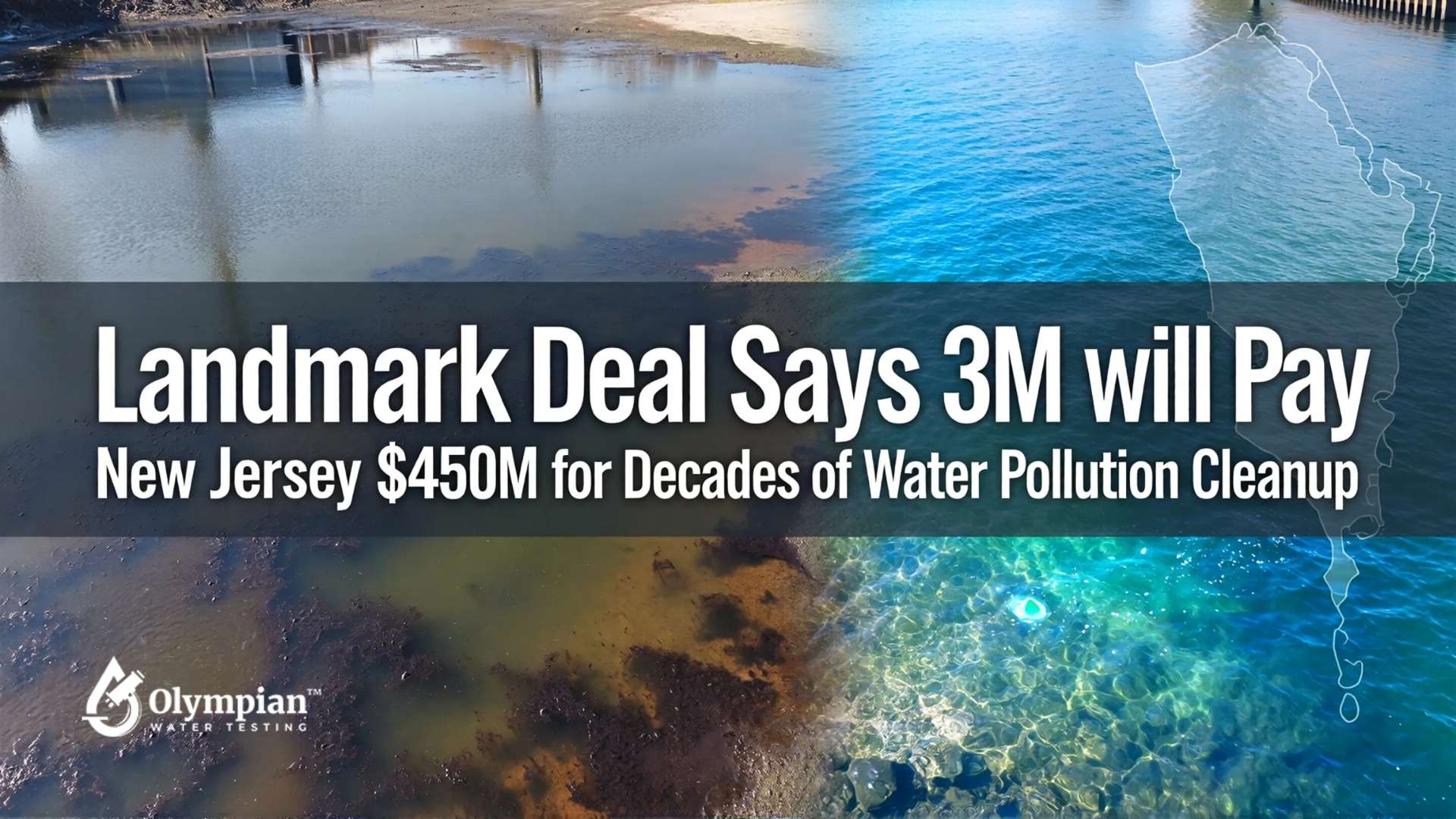
3M’s newest agreement involves structured payments over 25 years. It highlights accountability for contaminating local environments and water sources. This PFAS settlement is a significant step towards addressing these issues.
The plan allocates a substantial amount for cleanup, water treatment, and compensation for damaged natural resources. Experts view this financial plan as a sign of ongoing oversight and environmental responsibility. It shows a commitment to lasting environmental health.
Allocation of the $450 Million
A significant portion of the funds is set aside for the first four years. This is to expedite immediate actions. An ever-growing focus on public health drives the allocation of resources. These resources are directed towards statewide projects, ensuring water supplies meet safety standards.
Projected Timeline for Remediation
Once the first funds are released, dedicated teams will start restoration efforts. Monitoring programs will extend beyond urgent repairs, ensuring long-term protection. Officials predict that key milestones will be achieved in phases. This reflects the complexity and scale of the PFAS settlement.
Public Reaction to 3M’s Decision
In New Jersey, many locals greeted 3M’s recent announcement with a mix of hope and caution. They view the agreement as a step toward holding corporations accountable. Yet, some community groups are pushing for a more detailed plan to tackle PFAS contamination. They call for resources that effectively mitigate ongoing health and environmental hazards.
Advocates stress the need for thorough cleaning of drinking water systems. They highlight the distress families face when their water sources might be contaminated. Across the state, people are sharing their personal struggles with PFAS contamination. They seek clear timelines for restoration and regular updates on progress.
“This development reminds us that clean water is a right, not a privilege,” said a Clean Water Action organizer. “Communities deserve meaningful funding and real commitment to fix what has been damaged.”
Local leaders point out that these reactions underscore a growing need for stronger protections against harmful chemicals. Forums and public hearings are seen as essential. They aim to build trust in the long-term safety measures being implemented.
Perspectives from Environmental Groups
Environmental advocates, like the Environmental Working Group, are sounding the alarm about PFAS’s impact on pregnant women and children. They point to scientific studies suggesting a link to birth defects. They’re pushing for settlement funds to finance more research in this critical area.
These groups advocate for safeguarding communities vulnerable to birth defects. They seek ongoing monitoring and enhanced healthcare services. They encourage state officials to collaborate with local health networks. This would enable early detection and effective treatment for those exposed.
Public awareness is key. Activists stress the need for transparent reporting from chemical companies and policymakers. They hope this transparency will prevent further harm and drive stronger environmental protections.
Industry Impact and Ongoing Corporate Responses

Legal battles over PFAS contamination have reshaped the chemical industry. DuPont, Chemours, and Corteva have agreed to settlements in New Jersey. This highlights the increasing legal focus on environmental impacts. It shows how manufacturing can harm groundwater and ecosystems.
Companies are now working to lessen their environmental impact. They are monitoring PFAS health risks and exploring alternatives. Some fund research for better cleanup methods. These actions aim to create safer products and processes for communities.
Scrutiny of Similar Chemical Companies
Competitors are under closer watch for their waste management and product life cycles. The demand for corporate accountability has led to discussions on transparency and disclosure. This includes the release of information on hazardous substances.
Potential Shifts in Environmental Policies
National environmental standards are evolving with new data on water quality. Scientists and lawmakers are working together to set limits on harmful substances. Their goal is to build public trust through stronger environmental protections.
Federal Oversight and Regulatory Measures
The Environmental Protection Agency (EPA) is stepping up efforts to tackle forever chemicals nationwide. It has set new limits for PFOA and PFOS in drinking water at 4 parts per trillion. States are encouraged to adopt stricter standards to cut pollution and protect public health.
Congress is discussing ways to enhance accountability for these substances. They look to New Jersey’s legal victories as a model for holding companies responsible for contamination. Advocates push for stricter standards and more testing to identify ongoing risks from forever chemicals.
- Limits at 4 parts per trillion for PFOA and PFOS
- Encouragement for states to develop tighter regulations
These steps aim to safeguard communities, water sources, and ecosystems. Agencies aim to create a framework for consistent oversight, better research, and corporate responsibility.
Challenges in Remediation and Cleanup Efforts
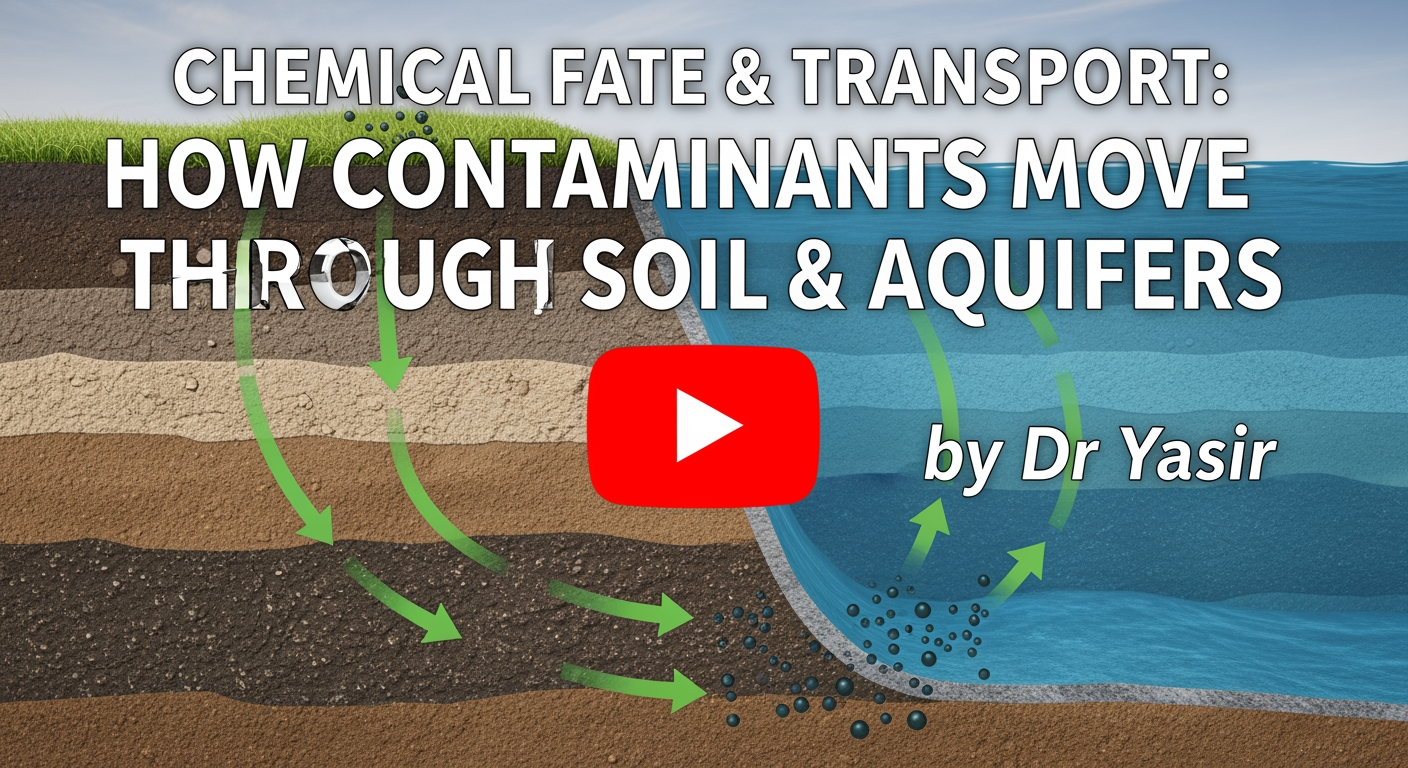
State authorities and industry leaders face significant challenges in treating areas contaminated by these chemicals. Soil and aquifers often retain lingering contaminants, complicating every stage of PFAS remediation. This results in extended timelines, as progress depends on thorough testing and reliable infrastructure.
Technological Solutions and Associated Costs
Several methods exist for water and land purification. Scientists use specialized processes to remove or destroy problematic compounds before releasing water back into local systems. The cost of large-scale installations is high, raising budget questions for public agencies and private firms.
- Carbon filtration units for targeted removal
- Reverse osmosis systems to catch smaller particles
- High-temperature incineration to break down resistant elements
As costs rise with each step, discussions about funding and project feasibility become prolonged.
Role of Community Engagement
Local organizations provide essential insight and help shape transparent communication. Public forums strengthen trust by allowing residents to track PFAS remediation progress and voice concerns. Detailed updates encourage accountability and foster a sense of shared purpose in affected areas.
Expert Commentary on Future Legal Trends

Attorneys and policy analysts foresee a surge in legal battles. They point to the growing body of research linking certain chemicals to health problems, such as birth defects. This calls for stricter regulations, setting the stage for new legal arguments and verdicts.
Scientists are also noting the evolving landscape of contamination cases. The PFAS lawsuit is emblematic of a larger trend towards stricter oversight and more transparent corporate practices. Companies that have historically employed persistent chemicals are now under intense scrutiny from health advocates.
Experts highlight several key areas to monitor:
- Increased litigation based on emerging medical evidence
- Higher accountability as states refine environmental guidelines
- Greater emphasis on corporate transparency in chemical usage
Key Focus | Potential Implications |
Medical Research | Stronger case arguments for future lawsuits |
Policy Shifts | Revised guidelines and heightened corporate responsibilities |
Looking Ahead for Greater Environmental Protections
The New Jersey PFAS settlement is a beacon of environmental accountability. It shows the power of collaboration in reducing industrial pollution and safeguarding public health. This settlement heralds a future where industries will face more stringent oversight. Leaders and community groups are pushing for more extensive remediation efforts in water sources and local habitats.
This development could spark a national policy shift. Experts predict a rise in legal frameworks that emphasize environmental accountability and enhance cleanup efforts. The New Jersey PFAS settlement might become a blueprint for other states. Organizations are keeping a close eye on the 3M settlement, seeing it as a sign of increased corporate responsibility. This change indicates a move towards cleaner practices, protecting people from harmful exposures. It highlights the impact of dedicated efforts and vigilance in reshaping business practices.