Where is the best place to install a water softener
- Published:
- Updated: January 10, 2025
Listen to this article
Summary
The best place to install a water softener involves considering accessibility, plumbing layout, and proximity to drainage systems. Proper placement ensures efficiency, easy maintenance, and long-term benefits for your water system and appliances.
- Install near the main water supply line for consistent soft water.
- Choose accessible locations like basements, utility rooms, or garages for easy maintenance.
- Ensure a nearby drainage point to handle wastewater from the softener.

A water softener is a device designed to remove hardness-causing ions, primarily calcium and magnesium, from your water supply. The process involves ion exchange, where these hardness ions are replaced with sodium or potassium ions, thereby mitigating the adverse effects of hard water. This exchange process effectively reduces the mineral content that can lead to scale buildup, thus preserving the integrity of your plumbing system and appliances.
Water softeners come in various sizes and capacities, designed to accommodate different water usage levels. Selecting the appropriate model for your needs depends on factors such as household size, water usage, and the specific hardness level of your water supply. Understanding these factors can help you choose a water softener that efficiently meets your requirements, ensuring optimal performance and cost-effectiveness.
Why Install a Water Softener?
Hard water can cause numerous issues, including scale buildup in pipes and appliances, reduced efficiency in heating systems, and skin and hair problems. Scale buildup not only decreases the efficiency of water heaters and other appliances but also increases energy consumption, leading to higher utility bills. Furthermore, hard water can leave unsightly stains on dishes and clothes, affecting their appearance and longevity.
Therefore, installing a water softener can significantly improve water quality, enhance appliance longevity, and provide a better experience in daily water usage. By eliminating the adverse effects of hard water, you can enjoy softer skin and hair, extend the lifespan of your appliances, and reduce maintenance costs. Additionally, softened water can enhance the effectiveness of soaps and detergents, leading to cleaner clothes and dishes, and ultimately a more comfortable living environment.
Key Considerations for Water Softener Installation
Before selecting the installation site, consider factors such as accessibility, plumbing layout, and proximity to the water supply line. These considerations are crucial in ensuring that the water softener operates efficiently and that maintenance tasks can be performed with ease. Proper planning can prevent future issues and ensure a smooth installation process.
Accessibility and Maintenance
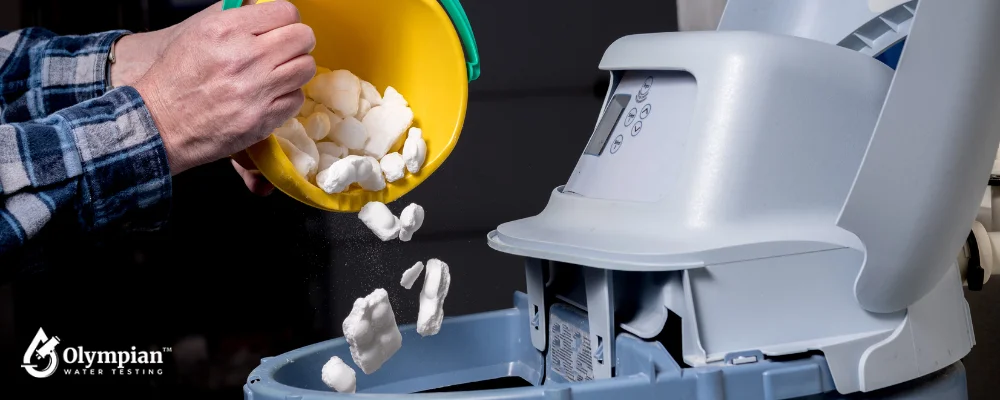
The water softener should be installed in a location that is easily accessible for regular maintenance and monitoring. This includes refilling salt, conducting routine checks, and performing necessary repairs. Accessibility is key to ensuring that the unit remains in good working order and that any issues can be quickly addressed. An ideal spot would be a utility room, garage, or basement where there is ample space for both the unit and maintenance activities.
Regular maintenance is essential to the longevity and efficiency of your water softener. This includes periodically checking the salt levels, cleaning the brine tank, and inspecting the system for any signs of wear or damage. By choosing a location that allows for easy access, you can simplify these tasks and ensure that your water softener continues to function at its best.
Plumbing Layout
The water softener should be installed at a point where water enters the building, before it branches off to the rest of the plumbing system. This ensures that all water entering your home is softened. The main line is typically the best location, which can often be found in a basement or utility area where the water main enters the building. Installing the softener at this point ensures that every tap in the house receives softened water, providing consistent protection against hard water damage.
It’s important to assess the existing plumbing layout to determine the most efficient installation point. This may involve consulting with a plumber or reviewing your home’s plumbing plans. By understanding the flow of water through your system, you can make informed decisions about the best placement for your water softener.
Proximity to Drainage
A water softener requires a drain for the backwash discharge. Therefore, it is crucial to install the unit near a suitable drainage point to facilitate the efficient removal of wastewater. This could be a floor drain, utility sink, or any other appropriate drainage system that can handle the volume of discharge. Proper drainage is essential to prevent water damage and ensure the smooth operation of the water softener.
Inadequate drainage can lead to overflow issues and potential water damage to your property. Ensure that the chosen drainage system can handle the softener’s discharge volume and that the drain line is securely connected. This step is vital in maintaining the integrity of your water softening system and avoiding costly repairs.
Ideal Locations for Water Softener Installation
Basement or Utility Room
For many households, the basement or utility room is the most practical location for a water softener installation. These areas are typically situated near the main water supply line and have adequate space for the unit and related maintenance activities. Additionally, these locations often have easy access to drainage systems. The basement or utility room also offers protection from temperature extremes, which can be a concern in outdoor installations.
Basements and utility rooms often provide the ideal environment for a water softener, with stable temperatures and protection from external elements. Furthermore, these areas are generally out of the way, minimizing any disruption to daily household activities. When planning your installation, consider the available space and ensure there is room for any future expansions or additional equipment.
Garage
If a basement or utility room is not available, the garage can serve as an alternative installation site. Ensure that the garage is adequately insulated to prevent the water softener from freezing during colder months. Proper insulation is crucial in maintaining the functionality of the unit and preventing damage from temperature fluctuations. Also, confirm that the garage’s plumbing layout allows for the unit to be installed close to the main water line.
Installing a water softener in the garage offers the advantage of easy access for maintenance while keeping the unit out of the main living areas. However, it is essential to consider the environmental conditions within the garage, such as humidity and temperature changes, which could affect the unit’s operation. Taking these factors into account can help ensure a successful and efficient installation.
Outdoor Installations
In some cases, outdoor installations may be necessary. However, this requires careful consideration of environmental factors such as temperature fluctuations and exposure to elements. Outdoor installations should be housed in protective enclosures that shield the water softener from adverse weather conditions and potential damage. The enclosure should be well-ventilated to prevent overheating and ensure proper operation of the unit.
When opting for an outdoor installation, it’s important to choose materials and designs that can withstand the local climate. This includes selecting weather-resistant enclosures and ensuring that the unit is protected from rain, snow, and extreme temperatures. Properly securing the unit in its outdoor location can prevent issues such as freezing or damage from debris, ensuring the longevity of the system.
Installation Procedure
Once the location is determined, the installation process can commence. It is advisable to engage a professional plumber to ensure proper installation and compliance with local regulations. Professional installation can prevent potential issues and ensure that the system operates efficiently from the start. Here is a brief overview of the installation steps:
- Shut off the Water Supply: Before installation begins, ensure that the main water supply is turned off to prevent any leaks or spills. This step is crucial in maintaining a safe work environment and preventing water damage during the installation process.
- Cut into the Main Water Line: The main line should be cut to accommodate the water softener’s inlet and outlet pipes. This step requires precision to ensure a seamless connection. Accurate measurements and careful cutting are essential to avoid leaks and ensure a tight seal.
- Connect the Water Softener: Attach the inlet and outlet pipes of the water softener to the main line. Ensure that all connections are secure and leak-free. Proper sealing and tightening of connections are vital to prevent water loss and maintain system efficiency.
- Attach the Drain Line: Connect the drain hose to the water softener and ensure it leads to an appropriate drainage point. The drain line should be securely fastened to prevent dislodgement and potential water damage.
- Configure the Unit: Follow the manufacturer’s instructions to configure the water softener settings, including setting the regeneration cycle and adding the appropriate type of salt. Proper configuration is key to the system’s performance and longevity.
- Test the System: Once installation is complete, turn the water supply back on and test the system to ensure it is functioning correctly. Checking for leaks and verifying that the water is being softened effectively are essential final steps in the installation process.
Conclusion
The strategic installation of a water softener is integral to enhancing water quality and maximizing the efficiency of water-using appliances. By considering factors such as accessibility, plumbing layout, and drainage proximity, you can determine the best location for your water softener. Remember, while DIY installation is possible, hiring a professional can ensure the process is executed flawlessly, safeguarding your investment and providing peace of mind.
Proper installation not only extends the life of your plumbing system but also offers a tangible improvement in water quality, making it a worthwhile endeavor for any property owner. The benefits of softened water extend beyond immediate improvements, contributing to long-term savings on maintenance and energy costs.
By understanding the complexities of water softener installation and considering the outlined factors, you can make informed decisions that align with your specific needs and circumstances. With the right planning and execution, your water softener will provide years of reliable service, enhancing your home environment and protecting your valuable appliances.
Share this on social media:
Facebook
Twitter
LinkedIn

Related Posts