How to Check Salt Levels in Water Softeners
- Published:
- Updated: January 13, 2025
Listen to this article
Summary
Maintaining proper salt levels in your water softener is vital for its efficient operation. Salt facilitates the ion exchange process during regeneration, and monitoring levels ensures effective water softening. This guide outlines how to check salt levels, handle salt bridges and mushing, and maintain optimal performance through regular inspections and professional servicing.
- Checking Salt Levels: Inspect the brine tank for salt levels, aiming for half to three-quarters full, and address issues like salt bridges and mushing.
- Maintenance Best Practices: Regularly monitor water hardness and schedule professional servicing to keep the system functioning properly.
- Troubleshooting: Address issues like inadequate softening, excessive salt usage, and salt bridging through system checks and maintenance.

Maintaining the optimal function of water softeners is integral to ensuring water quality and prolonging the lifespan of plumbing systems. For individuals keen on water softener upkeep, understanding how to monitor and adjust salt levels is essential. This comprehensive guide aims to provide you with detailed insights into checking salt levels in water softeners, bolstered by practical advice drawn from decades of experience in environmental consulting and water quality analysis.
Understanding Water Softeners and Their Importance
Water softeners play a pivotal role in mitigating the adverse effects of hard water. Hard water, characterized by high concentrations of calcium and magnesium ions, can lead to scale buildup in pipes, decreased appliance efficiency, and compromised water quality. By exchanging these ions with sodium or potassium ions through a process known as ion exchange, water softeners significantly reduce water hardness, safeguarding plumbing infrastructure and enhancing water quality.
The Role of Salt in Water Softeners
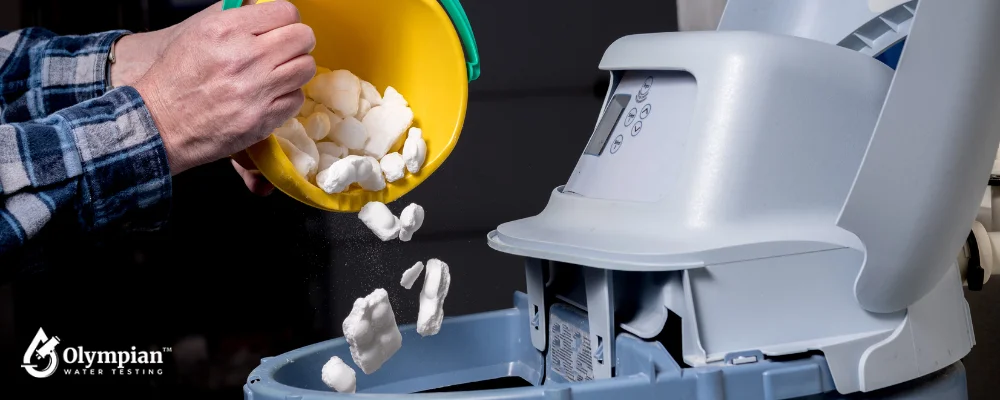
Salt is a critical component in the operation of water softeners. It facilitates the ion exchange process by replenishing the sodium ions in the resin bed of the softener. Over time, as the resin bed becomes saturated with calcium and magnesium ions, the system requires regeneration, wherein salt brine is used to flush away the accumulated hardness ions, restoring the resin‘s capacity to soften water.
Steps to Check Salt Levels in Water Softeners
Ensuring an adequate salt level in your water softener is vital for its continued effectiveness. Here is a step-by-step guide to checking salt levels:
1. Safety Precautions
Before proceeding, ensure you adhere to safety measures. Disconnect any electrical connections and wear protective gear, such as gloves and goggles, to prevent exposure to salt or other chemicals.
2. Locate the Brine Tank
The brine tank is typically a separate compartment adjacent to the main water softener unit. It houses the salt used in the regeneration process. Remove the tank lid to access the contents.
3. Visual Inspection
Perform a visual inspection of the salt level. Ideally, the salt should be maintained at a level that is approximately half-full or more, but not exceeding the tank’s three-quarters capacity to allow for adequate brine formation.
4. Assess Salt Bridges and Mushing
Salt bridges occur when salt forms a crust above the water level, leading to a false impression of adequate salt levels. Gently break any such crusts using a tool like a broom handle. Additionally, check for salt mushing—where salt turns into a sludge at the bottom of the tank, impeding regeneration. If present, remove the sludgy salt and replenish with fresh salt pellets.
5. Refill the Salt
When refilling, opt for high-purity salt pellets designed for water softeners to minimize the risk of bridging and mushing. Pour the salt carefully into the brine tank, ensuring it remains dry and free-flowing.
Maintenance and Best Practices for Optimal Performance
Regular maintenance of your water softener extends beyond merely checking salt levels. Here are additional strategies for effective water softener maintenance:
Regular System Checks
Conduct routine inspections of the entire water softener system, including the resin tank, control valve, and bypass valve. Check for any leaks or signs of wear that might necessitate repair or replacement.
Monitor Water Hardness Levels
Use a water hardness test kit to periodically assess the hardness of your water. This will help determine the effectiveness of your water softener and indicate when regeneration is necessary.
Schedule Professional Servicing
Consider scheduling annual professional servicing of your water softener system. Technicians can perform a comprehensive checkup, including cleaning the resin bed and ensuring all components are functioning optimally.
Keep a Maintenance Log
Maintain a log of all maintenance activities, including salt refills and system inspections. This documentation aids in tracking performance and identifying patterns that may require attention.
Troubleshooting Common Issues
Despite routine maintenance, issues may occasionally arise. Here are solutions to common problems associated with water softeners:
Inadequate Softening
If you notice a return of hard water symptoms, it may indicate insufficient salt levels, a malfunctioning control valve, or a clogged resin bed. Verify salt levels first, then inspect and clean the control valve and resin tank as needed.
Excessive Salt Usage
Should you find your water softener consuming an unusually high amount of salt, it could result from incorrect settings or a leak in the brine tank. Reassess the regeneration frequency settings and inspect the brine tank for leaks.
Salt Bridges and Mushing
As addressed earlier, salt bridges and mushing can disrupt the regeneration process. Regularly break up salt crusts and replace mushy salt with high-quality pellets.
Conclusion
Water softener maintenance is an essential aspect of ensuring water quality and protecting plumbing systems from the detrimental effects of hard water. By diligently checking and maintaining salt levels, along with adhering to best practices for system upkeep, you can optimize the performance and longevity of your water softener.
This detailed guide, rooted in years of environmental consulting and water quality expertise, equips you with the knowledge to confidently manage your water softening system. Whether you are an environmental science student seeking to apply theoretical concepts in practical settings or an individual grappling with water quality issues, this comprehensive resource provides the insights needed to ensure effective water softener maintenance.
Share this on social media:
Facebook
Twitter
LinkedIn

Related Posts