How 1,4-Dioxin is Threatening New York’s Environment
- Published:
- Updated: February 17, 2025
Listen to this article
Summary
- 1,4-dioxin is a toxic byproduct of industrial processes, persisting in New York’s environment and posing severe risks.
- The chemical has contaminated soil, water, and air, affecting ecosystems and public health.
- Addressing the threat requires a comprehensive approach, including stringent regulations, cleanup efforts, and public awareness.

New York’s soil is a particularly vulnerable one for 1,4-dioxin, an extremely toxic industrial chemical waste. This chronic pollutant has polluted the state’s soil, water and air causing mass destruction of environmental habitat and severe health effects for wildlife and people. And even as it is increasingly controlled and reduced, 1,4-dioxin is still a big issue for the environment agencies and local communities. In this blog, you will learn about how 1,4-dioxin is destroying the state’s environment, how it is difficult to deal with and how it is being managed to preserve New York’s natural resources and health.
The Industrial Origins of 1,4-Dioxin in New York
The 1,4-Dioxin problem in New York has a long industrial history. New York, for example, was a nation of chemical plants, incinerators and factories that during the 20th century made 1,4-dioxin from their waste. This chemical often got released into the atmosphere via unsound waste management and became extremely contaminated. Eventually, 1,4-dioxin sat in the soil, water and air, causing ecological issues down the road. It is imperative that the industrial sources of this pollution are known so that it can be mitigated and not used to contaminate the state again.
Environmental Persistence of 1,4-Dioxin
What’s especially alarming about 1,4-dioxin is its persistence in the environment. As with many other pollutants, 1,4-dioxin isn’t easily metabolised and can remain in soil, water and air for decades. That persistence can accumulate in small quantities and, over time, become extremely contaminated. 1,4-dioxin was found in many ecosystems in New York, from city waterways to farmland. This chemical is so difficult to contain because it will persist and propagate through the air, and its effect will need to be monitored and cleaned up for years in order to minimise its effects.
Impact on New York’s Waterways
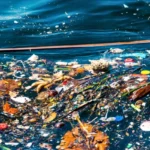
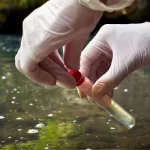
1,4-Dioxin wreaks havoc on New York’s water supplies, poisoning rivers, lakes and underground water. The chemical’s discharge into waterways kills fish, ruins ecosystems and makes water unfit for human use. And polluted waters also affect leisure and quality of life in cities. If you live in an area contaminated with 1,4-dioxin, it is a serious threat from drinking water. Water pollution will need advanced technologies and continuous monitoring to make sure that water sources are kept free from this long-term, noxious poison.
Soil Contamination and Its Consequences
The 1,4-dioxin contaminant in soil is another big New York problem. The chemical attaches to particles in the soil and lives for years, affecting plants and going into food sources. Soil that has been contaminated will lower agricultural yields and cause injury to wildlife and people who touch it. Suburban soil contamination may reach public parks, playgrounds and residential communities, exposing people further. Scrubbering contaminated soil is expensive and often involves digging up, chemical treatment or bioremediation to lower 1,4-dioxin and get the soil back on track.
Air Quality Concerns
1,4-Dioxin can also be problematic in the air, especially around factories or incineration facilities. The chemical can be exhaled during manufacture or when toxic wastes are burned. 1,4-dioxin is highly mobile in the air, so it contaminates an extensive region. If breathed in, 1,4-dioxin is dangerous for the health – respiratory diseases, cancer, and other long-term health effects. Air quality can be safeguarded only through tight industrial emission controls and use of sophisticated air-filtration systems to intercept and thereby eliminate the emission of 1,4-dioxin.
Health Implications for New Yorkers
New Yorkers’ health suffers when they find 1,4-dioxin in the air. The chemical also carries a higher probability of cancer, liver and kidney damage, fertility problems and developmental disorders in people who use it. Particularly dangerous are communities living near polluted areas, where it can be consumed by drinking water, the soil or through breathing. Public health authorities are trying to keep tabs on these dangers, but since 1,4-dioxin is always present, there are no short-term health effects that can be predicted. There is no one way to address these health effects other than to reduce exposure and decontaminate the site.
Regulatory Challenges and Efforts
There is no easy solution for 1,4-dioxin contamination in New York. The chemical is so persistent and widespread that safe exposure limits are hard to define and enforce. The Environmental Protection Agency (EPA) and the New York State Department of Environmental Conservation (DEC), have regulations for safe levels of 1,4-dioxin in soil, water and air, but the process to enforce them is murky. It’s often expensive to clean up, and needs cutting-edge technology to get the chemical out of the environment. But regulatory agencies still seek to decrease 1,4-dioxin levels and maintain public health by monitoring, enforcing, and remediating them.
The Path Forward: Mitigation and Prevention
To respond to the 1,4-dioxin crisis in New York, mitigation and prevention must be part of the picture. Especially in heavily polluted regions remediation should focus on sanitising soil, water and air with cutting-edge technology. Additional regulation of industrial activities and waste disposals are also needed to avert further ozone-depletion. Crowds’ awareness and engagement are also crucial to getting tougher protections for the environment and accountable to polluters. With all of this work, New York will curb the release of 1,4-dioxin and save the world from its environmental and public health legacy.
Conclusion
1,4-Dioxin is an ongoing and threatening pollutant that threatens New York’s environment and health. Its ubiquity in soil, water and air speaks to the persistence of industrial pollution over time and to the urgency of action. The haze is being cleaned up by regulators and locals, but the road to recovery is taking time, innovation and cooperation. Cleanup, tighter regulations and education are some of the measures that New York could take to control 1,4-dioxin and make New York a better, safer place for everyone. Despite the efforts being made, the battle against 1,4-Dioxin continues to be complicated by Long Island City’s industrial history. This area has a legacy of manufacturing practices that contributed significantly to the contamination, making remediation efforts all the more challenging. By acknowledging this past and focusing on sustainable development, New York can foster not only environmental recovery but also a brighter future for its residents.
Share this on social media:
Facebook
Twitter
LinkedIn

Related Posts