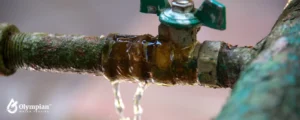
Methane and Water Safety: Evaluating the Risks and Protective Measures
- Published:
- Updated: November 30, 2024
Listen to this article
Summary
Water safety is paramount, particularly with the increasing threat of methane contamination. Learn about the sources of methane, its impact on health and the environment, and measures to detect and mitigate its presence in water systems.
- Sources of Methane: Natural processes like decomposition and human activities such as fracking contribute to methane in water.
- Health Concerns: Although non-toxic when ingested, methane poses risks when released into the air, potentially causing explosions and health issues.
- Environmental Impact: Methane acts as a potent greenhouse gas, affecting global warming and aquatic ecosystems.

Water safety is a top priority for people and communities around the world. In these times of environmental instability, knowing which contaminants are at play in our water is imperative. Of these, methane is especially problematic because it can damage both human and natural environments.
The Science Behind Methane
The gas, which is white and smellless, is mainly associated with natural gas that’s used for heating and cooking. It’s made of one carbon atom and four hydrogen atoms (represented as CH4). Methane is also generated, of course, when organic material breaks down in sulphur-poor soils, such as swamp and pond bottoms. Not only that, but methane also emanates from cows and other ruminant digestion.
But natural sources of methane are not all natural. For years, humanity had added a huge load of methane to the atmosphere. These are human sources of methane – from industry, waste generation and agriculture. Production and transportation of coal, oil and gas for example add to the methane emissions, as does the breakdown of organic material in city solid waste landfills.
How Methane Gets into Our Water Supply

The methane that we find in our water is often the result of natural events. Wetlands with soaked soils can be important source of methane, and this gas leaks into nearby waterways. The same goes for groundwater, which can be contaminated with methane if it flows through methane-rich soils or passes through natural gas fields along the way.
But the entry of methane into water is not an arbitrary result of nature. There’s also the influence of human behaviour, especially during the crucible of hyper-industrialisation. Exploitation techniques such as hydraulic fracturing or fracking (of oil and gas) have been touted as sources of methane contamination in groundwater. Either, or leakage from landfills in which organic material dies without oxygen, and sewage discharge from treatment facilities that releases methane into water.
Immediate Health Concerns of Methane-contaminated Water
The direct health risks of drinking a solution of methane-contaminated water are small because methane is non-toxic. But what happens is that it gets released into the air from wells. People may become nauseated, dizzy or headaches after ingesting or exposing it, because oxygen has been pulled out of the atmosphere, especially in narrow places. Methane, too, easily makes explosive powders when mixed with air, which makes methane-heavy landscapes dangerous.
What’s more, when methane is present in excessive quantities, it can be explosive. Someone living in a home with methane-laced water needs to be careful around electric appliances or lighting a candle. Home methane have already blown up causing devastating explosions, so be aware and take steps to mitigate it.
Long-term Environmental Implications
It is not just humans who are affected by methane in an immediate way. Once put into the atmosphere, methane is a powerful greenhouse gas: more than 25 times more warming than carbon dioxide over a century. And this is why it is such a major factor in global warming and the associated climatic transformations.
Aquatic ecosystems aren’t spared either. Methane at high concentrations in lakes and rivers upsets the natural order – for plants and animals alike. And methane oxidises to make carbon dioxide, another greenhouse gas. The result can be more acidic water bodies that have a negative impact on sea creatures, particularly shellfish and corals that need carbonate ions for their bones.
Detecting Methane in Water Sources
- Common signs of contamination:
- Bubbling in water bodies or faucets.
- An unusual or rotten egg smell, although methane itself is odorless, other accompanying gases might produce an odor.
- Dead or distressed aquatic plants and animals.
- Available testing methods:
- Gas chromatography: a water testing laboratory method to identify and quantify methane.
- Flame ionization detectors: portable tools for on-site methane detection.
- Dissolved gas analysis: a method to assess the concentration of dissolved gases, including methane, in water.
Treatment Solutions for Methane-contaminated Water
The common technique of treating methane-contaminated water is aeration. When you add oxygen, methane is leached out of the water since it goes away into the atmosphere rather than stay in the water. Typical of large-scale treatment facilities are diffused aeration systems that push air through the water to remove methane.
But aeration may not be possible in every case, especially in the home. This is where activated carbon treatment comes in. Activated carbon filters are also effective at removing methane by adsorption: the molecules of methane bond to the surface of the carbon. However, there are downsides to the technique — you have to change the carbon often, and it could not work well in very high methane concentrations.
Preventative Measures to Limit Methane Contamination
Our water must be shielded from methane pollution on a multipronged scale. The protection of abandoned wells comes first. These old structures can serve as pipelines for methane from below to escape into the soil. Similarly important is industry regulation, so that things such as fracking happen in a way that is safe and has minimal impacts on the environment.
Wetland conservation is not about just saving the wetlands. Wales can be a source of methane, but they are also critical buffers that trap excess methane from other sources and divert it away from bodies of water. So maintaining these ecosystems is not only healthy for biodiversity but also prevents methane depletion.
Case Studies: Regions Impacted by Methane Contamination
In Pennsylvania, the US, the hazards of methane contaminating their landscape were firsthand. Fracking activities produced dangerous levels of methane in the tap water here. Researchers found that six times as much methane was present in houses within a kilometre of fracking sites as homes further away. This was an episode that made it clear that regulation and industry need to improve.
In Bangladesh too, naturally occurring methane in the groundwater was particularly dangerous. The issue here was double: methane was explosive and there were other toxic substances in there, such as arsenic. Community members and international agencies worked together to make detection devices and provide better water, showing how community is key to solving environmental issues.
Methane Regulations and their Impact
In the world today, the methane rules are constantly evolving as we understand its corrosive nature. The Environmental Protection Agency in the US established standards for reducing methane pollution from industries, landfills and other sources. These rules are meant to curtail methane’s role in climate change and save water.
But the regulatory regimes are all in most countries, but their effectiveness is controversial. There are critics who say that current regulations don’t do enough, especially in regard to measuring smaller-scale methane emissions. The difficulty is to find a middle ground between prosperity and sustainability, where we can leave a long way to go.
Share this on social media:
Facebook
Twitter
LinkedIn

Related Posts