What size water softener do you need
- Published:
- Updated: January 9, 2025
Listen to this article
Summary
Choosing the right water softener size is essential for optimizing water quality, appliance longevity, and overall household efficiency. This article explores the importance of properly sizing water softeners, highlighting factors like water hardness, household size, daily water usage, and flow rate. The goal is to prevent inefficiencies, improve water quality, and reduce maintenance costs.
Key Points:
- Water Hardness: Hard water, containing calcium and magnesium, can damage pipes and appliances, making softeners necessary.
- Sizing: Proper sizing prevents overworking or underutilizing the system, maintaining water pressure and minimizing unnecessary costs.
- Types of Softeners: Salt-based softeners are common and effective, while salt-free conditioners use physical processes to prevent scale buildup.
- Maintenance: Regular salt replenishment, resin bed cleaning, and inspections ensure the system’s longevity and efficiency.
In the realm of water quality management, determining the appropriate size of a water softener is paramount for ensuring optimal performance and efficiency. A well-sized water softener can dramatically improve water quality by reducing hardness, enhancing appliance longevity, and contributing to overall environmental sustainability. This article explore the nuances of selecting the best water softener for your needs, offering a detailed water softener size guide and examining the critical factors influencing water softener sizing.
Selecting the right water softener size is not a one-size-fits-all process; it involves understanding your household’s specific water usage patterns and hardness levels. An appropriately sized system ensures that your water softener operates within its optimal capacity, reducing the need for frequent maintenance and extending its lifespan. Beyond the immediate benefits, a properly sized water softener can lead to long-term cost savings by preventing the inefficiencies associated with hard water, such as increased energy consumption and appliance wear.
Understanding Water Hardness
Water hardness is primarily caused by the presence of calcium and magnesium ions in the water. These minerals, while naturally occurring, can lead to a host of problems including scale buildup in pipes, reduced efficiency of household appliances, and unsightly spots on dishes and glassware. Understanding the level of hardness in your water supply is the first step in selecting an appropriately sized water softener.
The presence of hard water minerals can also affect personal grooming and laundry. Hard water makes soap less effective, leading to the need for more detergent and soap, which can increase household expenses. Moreover, it can leave hair feeling sticky and skin feeling dry. Recognizing these issues is essential for homeowners who want to enhance their overall quality of life by addressing water hardness effectively.
Measuring Water Hardness

Water hardness is typically measured in grains per gallon (GPG) or milligrams per liter (mg/L). A water hardness test kit is an essential tool for homeowners and businesses to accurately determine the degree of hardness. Generally, water with less than 3.5 GPG is considered soft, while water with more than 7 GPG is classified as hard.
To measure water hardness accurately, homeowners can either purchase a test kit or hire a professional service. Test kits often come with straightforward instructions, allowing for quick and easy testing. They usually involve taking a sample of tap water and adding a specific reagent that reacts with calcium and magnesium, providing an immediate reading of hardness levels. For those unsure about interpreting results, consulting with a water treatment specialist can provide additional insight and recommendations tailored to specific water conditions.
Impact of Hard Water
The consequences of hard water can be significant, affecting both economic and environmental aspects. From increased energy consumption due to inefficient heating elements to the premature failure of plumbing systems, the ramifications are extensive. Thus, understanding and addressing water hardness is crucial for maintaining water quality and minimizing environmental impact.
Additionally, hard water contributes to the frequent replacement of household items such as water heaters, dishwashers, and washing machines due to scale buildup and corrosion. This not only incurs additional costs but also increases environmental waste. Furthermore, regions with hard water often experience greater challenges in water conservation efforts, as the excess use of detergents and cleaning products can lead to higher pollution levels in waterways. Addressing hard water is not just about convenience; it’s a step toward a more sustainable living environment.
The Importance of Proper Water Softener Sizing
Choosing the right size of water softener is critical to ensure it operates efficiently without unnecessary waste or expense. An undersized system will be overworked and ineffective, while an oversized system can lead to unnecessary costs and resource use.
Proper sizing is also essential for maintaining water pressure. An undersized softener may struggle to keep up with high demand, leading to reduced water pressure during peak usage times. Conversely, an oversized system may cycle too infrequently, causing stagnation and potential water quality issues. By selecting a water softener that matches your household needs, you ensure a consistent and reliable supply of soft water.
Factors Influencing Water Softener Sizing
- Water Hardness Level: The harder the water, the larger the capacity required to effectively soften it. Hardness levels directly impact the frequency and volume of regeneration cycles needed.
- Household Size: The number of individuals in a household directly influences water usage and, consequently, the size of the water softener needed. More residents typically mean higher water consumption.
- Daily Water Usage: Understanding the average daily water consumption can help in calculating the requisite softener capacity. This includes all water used for bathing, cooking, cleaning, and laundry.
- Flow Rate Requirements: The flow rate, measured in gallons per minute (GPM), should align with household demand to ensure sufficient water pressure and availability. This ensures that water softeners do not become a bottleneck during peak usage.
Additional factors such as water source and specific household habits can also play a role in determining the appropriate size. Homes with high-efficiency appliances or those utilizing water-saving fixtures may have different requirements compared to traditional setups. Therefore, a comprehensive assessment that considers all these elements is recommended before purchasing a water softener.
Calculating Water Softener Size
To determine the correct size of a water softener, you need to calculate the total daily softening requirement by multiplying the hardness level by the daily water usage. For instance, a household with four individuals using 300 gallons per day with a hardness of 10 GPG would require a water softener capable of handling 3,000 grains per day (300 gallons x 10 GPG).
This calculation ensures that your system can handle the daily workload without excessive wear and tear. It’s important to account for peak usage days, such as weekends or holidays, when water consumption might increase. Consulting with a water treatment professional can provide additional insights, ensuring that the selected system is capable of meeting both average and peak demands.
Selecting the Best Water Softener
Selecting the best water softener involves more than just sizing; it requires consideration of the system’s features, efficiency, and maintenance requirements.
Different water softeners offer unique benefits and drawbacks, so understanding these distinctions is crucial for making an informed decision. For instance, some systems are better suited for large families, while others are designed for smaller households or specific water conditions. Additionally, the choice between salt-based and salt-free systems can impact both performance and environmental footprint.
Types of Water Softeners
- Salt-Based Ion Exchange Softeners: These systems are the most common and effective at removing hardness minerals through an ion exchange process. They are known for their reliability and effectiveness in reducing water hardness.
- Salt-Free Water Conditioners: While not traditional softeners, these devices prevent scale buildup using a physical process that alters mineral crystals. They are often chosen for their low maintenance requirements and environmental benefits.
- Dual-Tank Systems: Ideal for large households or businesses, these systems ensure continuous soft water supply by alternating between two resin tanks. This design minimizes downtime and maximizes efficiency, even during high demand.
Each type of system comes with its own set of advantages and potential drawbacks. For example, salt-based systems require ongoing maintenance and salt replenishment, while salt-free conditioners may not be as effective in extremely hard water conditions. Understanding these nuances can help guide the selection process.
Key Features to Consider
- Regeneration Cycles: Look for systems with efficient regeneration cycles to minimize water and salt use. Efficient cycles can lead to significant cost savings over time.
- Control Valve Technology: Advanced control valves offer precise control over softener operation and regeneration timing. This technology enhances the overall efficiency and lifespan of the system.
- Certification and Compliance: Ensure the water softener complies with industry standards and certifications for performance and safety. Certifications provide assurance of quality and reliability.
Additionally, consider user-friendly features such as digital displays, programmable settings, and easy maintenance access. These features can enhance the overall user experience and make managing the water softener a hassle-free process.
Practical Advice for Installation and Maintenance
Proper installation and maintenance are vital for the longevity and efficacy of a water softener system. Professional installation ensures optimal setup and function, while regular maintenance, such as resin bed cleaning and salt replenishment, keeps the system running smoothly.
Ignoring maintenance can lead to decreased performance and potential system failures. Regular check-ups and timely interventions can prevent costly repairs and extend the lifespan of your water softener. By prioritizing maintenance, homeowners can ensure consistent water quality and system efficiency.
Installation Considerations
- Location: Choose a location with easy access for maintenance and proximity to the main water supply line. This facilitates routine checks and any necessary repairs.
- Drainage: Ensure proper drainage for the regeneration process to prevent flooding or water damage. Adequate drainage is crucial for maintaining a clean and dry installation area.
- Electrical Requirements: Verify that the installation site has the necessary electrical supply for system operation. This ensures uninterrupted performance and prevents electrical issues.
Consider potential future needs, such as expanding your household or upgrading appliances, when planning the installation. A flexible setup can accommodate changes, saving time and resources in the long run.
Maintenance Tips
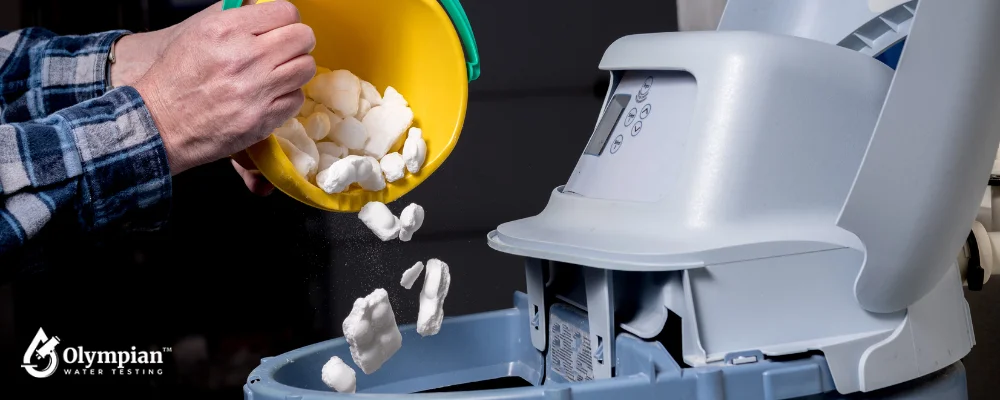
- Regular Salt Checks: Maintain the appropriate salt level in the brine tank to ensure effective softening. Without adequate salt, the system cannot regenerate properly, leading to hard water issues.
- Resin Bed Cleaning: Periodically clean the resin bed to prevent fouling and maintain efficiency. This helps to remove any accumulated impurities that could hinder performance.
- System Inspections: Conduct regular inspections to identify and address any operational issues promptly. Early detection of problems can prevent major disruptions and costly repairs.
Incorporating a maintenance schedule into your routine can simplify the process and ensure that your water softener continues to operate at peak efficiency. Engaging with professional services for annual check-ups can also provide peace of mind.
Conclusion
Determining the appropriate size of a water softener is a crucial step in managing water quality effectively. By understanding the factors influencing water softener sizing and selecting a system that aligns with your specific needs, you can achieve significant improvements in water quality, appliance efficiency, and environmental sustainability. Whether you’re a homeowner or an environmental science student, the insights provided in this guide aim to equip you with the knowledge needed to make informed decisions in water softening.
Investing time in researching and selecting the right water softener system can lead to long-term benefits, such as reduced maintenance costs and a more comfortable living environment. By prioritizing water quality, you not only enhance your household’s daily life but also contribute to broader environmental conservation efforts. Embrace the journey towards softer water and experience the positive impacts it can bring to your home and community.
Share this on social media:
Facebook
Twitter
LinkedIn

Related Posts