Effective Solutions for Hard Water Problems
- Published:
- Updated: February 17, 2025
Listen to this article
Summary
Hard water, caused by high levels of calcium and magnesium, can damage appliances and plumbing systems. Effective solutions include ion-exchange water softeners, salt-free conditioners, and scale inhibitors, all of which can mitigate hard water’s impact.
- Ion-exchange water softeners replace hardness minerals with sodium or potassium ions to prevent scale buildup.
- Salt-free conditioners use template-assisted crystallization to alter the structure of minerals without removing them.
- Regular water testing and maintenance of plumbing systems are essential to ensure long-term efficiency and address emerging hard water problems.

Before delving into solutions, it is essential to understand what constitutes hard water. Hard water is primarily defined by its mineral content, specifically calcium and magnesium. These minerals are picked up as water percolates through limestone, chalk, or gypsum deposits. As such, the hardness of water can vary significantly based on geographical location and local geological conditions. While not harmful to health, the presence of these minerals can lead to undesirable effects on plumbing systems and appliances, often requiring frequent repairs or replacements.
The Impact of Hard Water
The consequences of hard water extend beyond mere inconvenience. The accumulation of mineral deposits, or scale, can drastically reduce the lifespan and efficiency of water heaters, dishwashers, and other appliances. Over time, this buildup can lead to blockages in pipes, reduced water pressure, and higher energy bills as appliances work harder to perform their functions. In addition, the soap’s reduced ability to lather with hard water can lead to increased consumption and costs, as more detergent is needed to achieve desired results. Hard water can also affect skin and hair, causing dryness and irritation, which can be particularly troublesome for individuals with sensitive skin. Understanding these impacts highlights the necessity for effective hard water treatment solutions, which can save both time and money in the long run. Moreover, the presence of minerals in hard water can exacerbate existing skin issues from contaminated water, leading to further discomfort for affected individuals. This makes it crucial to not only address hard water problems but also to consider the overall quality of water being used in households. Investing in appropriate filtration and softening systems can mitigate these adverse effects, promoting healthier skin and a more efficient household environment.
Hard Water Filtration Solutions

One of the most common and effective methods for dealing with hard water is through the use of water softeners. These systems typically employ ion-exchange technology, which replaces calcium and magnesium ions with sodium or potassium ions. This exchange effectively reduces the hardness of the water, mitigating scale formation and improving the performance of soaps and detergents. By softening the water, these systems can enhance the efficiency of household chores, reduce energy consumption, and prolong the life of plumbing fixtures and appliances.
Ion-Exchange Water Softeners
Ion-exchange water softeners are widely regarded as the standard solution for hard water issues. These systems consist of a resin bed that facilitates the exchange of calcium and magnesium ions for sodium or potassium ions. The softened water is then free of the minerals that contribute to hardness. While effective, it is important to note that ion-exchange systems require regular maintenance and periodic replenishment of salt to ensure optimal performance. Additionally, the choice between sodium and potassium ions can be influenced by personal preferences or health considerations, as some may wish to avoid increased sodium levels in their water supply.
Salt-Free Water Conditioners
An alternative to traditional water softeners is the salt-free water conditioner. These systems do not remove calcium and magnesium ions but instead alter their chemical structure to prevent scale buildup. Through a process known as template-assisted crystallization (TAC), these conditioners transform hardness ions into stable crystals that do not adhere to surfaces. This method offers a maintenance-free solution for those concerned with sodium intake or environmental impact, as it does not require the regular addition of salt. Furthermore, salt-free systems can be ideal for individuals looking for a more sustainable and eco-friendly approach to water treatment, as they do not discharge excess salt into the environment.
Comprehensive Hard Water Treatment
While filtration systems address the symptoms of hard water, a comprehensive approach to treatment involves multiple strategies. This includes regular maintenance of plumbing systems, the use of scale inhibitors, and the implementation of water testing protocols to monitor water quality. By combining these strategies, homeowners can ensure that their water systems remain efficient and free from scale-related issues.
Scale Inhibitors and Descalers
Scale inhibitors and descalers provide a chemical solution to hard water problems. These substances, often phosphates or polyphosphates, bind to hardness ions, preventing them from precipitating as scale. Descalers, on the other hand, dissolve existing scale deposits, restoring the efficiency of affected systems. The selection and application of these chemicals should be guided by a thorough understanding of the specific water chemistry involved. Moreover, it’s crucial to consider the environmental implications of these chemicals, as they can sometimes have adverse effects on local ecosystems if not used responsibly.
The Importance of Drinking Water Testing
Ensuring the safety and quality of drinking water is paramount. Regular testing for hardness and other parameters is crucial in identifying potential issues early. Comprehensive water analysis can determine the concentration of hardness ions, as well as other contaminants, allowing for informed decisions regarding treatment and filtration. By staying informed about water quality, individuals can take proactive steps to address any emerging problems before they escalate.
Testing Methodologies
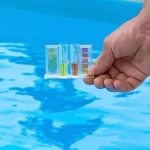
Various methodologies exist for testing water hardness. Simple test strips provide a quick, albeit less accurate, assessment of hardness levels. For more precise measurements, titration methods and electronic hardness meters are recommended. These tools offer a detailed analysis of the water’s mineral content, facilitating targeted treatment strategies. Furthermore, professional water testing services can provide comprehensive reports, offering insights into other potential contaminants that may affect water quality, such as lead or bacteria, ensuring that all aspects of water safety are addressed.
Practical Recommendations for Hard Water Management
Implementing effective hard water management strategies requires a combination of technological solutions and regular maintenance practices. The following recommendations can help mitigate the effects of hard water in your home or business: Regularly testing water quality is essential to identify the specific mineral content and tailor treatment options accordingly. Additionally, employing water softeners can significantly reduce mineral buildup in plumbing, leading to improved appliance longevity and efficiency. Always keep hard water safety considerations in mind, such as monitoring for any potential health impacts and ensuring that treatment systems are functioning properly to maintain water quality.
- Install a Water Softener or Conditioner: Choose between ion-exchange softeners and salt-free conditioners based on your specific needs and preferences. Consider the long-term costs and maintenance requirements associated with each option.
- Conduct Regular Water Testing: Routine testing ensures that your water treatment system is functioning effectively and allows for adjustments as needed. This proactive approach can prevent potential issues from becoming significant problems.
- Maintain Plumbing Systems: Regular inspection and maintenance of pipes and appliances can prevent scale buildup and prolong their lifespan. This includes flushing water heaters periodically to remove sediment and checking for leaks that could exacerbate scale issues.
- Educate and Inform: Understanding the nature of hard water and its impacts empowers you to make informed decisions about water treatment. Stay updated on new technologies and methods that may offer improved solutions for managing hard water.
Conclusion
Addressing hard water issues requires a multifaceted approach that includes filtration, treatment, and ongoing monitoring. By implementing the solutions outlined in this article, you can protect your plumbing systems, improve appliance efficiency, and ensure the quality of your drinking water. Regular testing and maintenance are key to managing hard water effectively, allowing you to enjoy the benefits of softened water without the drawbacks of scale buildup and inefficiency. By investing in these strategies, you can enhance the longevity and performance of your water systems, ultimately leading to cost savings and a better quality of life.
Share this on social media:
Facebook
Twitter
LinkedIn

Related Posts