Water Sources in Illinois
Illinois draws water from various sources to fulfill the needs of its people and industries. The state’s main water source is Lake Michigan, vital for the densely populated northeastern region. Rivers and groundwater also contribute significantly to water supply across Illinois.
Lake Michigan: The Lifeline of Northeastern Illinois
Lake Michigan is the primary water source for northeastern Illinois, home to 7.89 million people. In this area, 90 percent of municipal water comes from the lake. Despite expected growth, water withdrawals are set to decrease by 8 percent by 2050, reaching 938 million gallons per day.
Chicago, the state’s largest city, relies heavily on Lake Michigan for its water. The city’s water diversion is regulated by international treaties and the Great Lakes Compact. This ensures that the diversion does not exceed set limits. Chicago’s diversion is balanced by Ontario’s, with an average of 1.7 liters added to Lake Superior for every liter removed by Chicago.
Rivers and Groundwater: Supporting Illinois’ Water Needs
Beyond Lake Michigan, Illinois’ water supply is bolstered by rivers and groundwater. These sources are essential for communities without direct lake access. It’s vital to manage these sources sustainably for future water reliability.

Groundwater, including shallow and sandstone aquifers, needs careful management to avoid overuse. Demand-to-sustainable supply ratios show that some areas face challenges in meeting future water needs. Several Illinois counties must align their water demand with sustainable supply estimates by 2050.
| County | Reduction Needed (MGD) |
|---|---|
| Cook | 0.54 |
| DuPage | 2.44 |
| Kane | 12.59 |
| Lake | 0.11 |
| Will | 4.02 |
Kane County’s water demand already exceeds its supply, with a worsening situation expected by 2050. To address this, Kendall and Will counties plan to access Lake Michigan water in 2030 and 2035. Lake Zurich aims to switch to Lake Michigan water by 2028.
Water Treatment Processes in Illinois
In Illinois, ensuring tap water safety and quality involves a series of rigorous processes. These steps are designed to remove contaminants, enhance taste and odor, and meet strict standards. Let’s explore the key steps in the water treatment process.
Sedimentation and Flocculation
Sedimentation is a critical step, where chemicals like alum or ferric chloride are added. These chemicals cause fine particles to clump, forming larger flocs. As these flocs settle, the water clarifies, making it easier to filter.
In Chicago, the water treatment method is shifting from blended phosphate to orthophosphate. This change, advised by the EPA, aims to better prevent lead leaching. While there’s no current discoloration, residents are warned about possible future issues, mainly in dead-end areas.

Filtration Methods
After sedimentation, filtration removes remaining particles. The water passes through sand, gravel, and activated carbon layers. These materials trap particles as small as 0.1 microns, including harmful bacteria and viruses. The filtered water then moves to clear wells for the final treatment stage.
In Streator, Illinois, a $4.27 million ultraviolet treatment system was installed in 2023. It targets chlorine-resistant pathogens. Also, two older filters are being upgraded, expected to be completed by late 2024 for $3.5 million.
Disinfection with Chlorine
The final step is disinfection, achieved by adding chlorine. Chlorine effectively kills harmful microorganisms, ensuring water safety. The chlorine level is carefully managed to maintain a residual effect throughout the system, preventing recontamination.
| Water Treatment Step | Purpose |
|---|---|
| Sedimentation and Flocculation | Remove fine particles by clumping them together |
| Filtration | Remove remaining particles, including bacteria and viruses |
| Disinfection with Chlorine | Eliminate harmful microorganisms and maintain water safety |
Illinois’s commitment to these water treatment processes ensures clean, safe tap water for residents. Regular testing, monitoring, and infrastructure investments maintain water quality standards.
Regulatory Compliance and Water Quality Standards
In Illinois, tap water safety is a top priority, with strict regulations in place. The U.S. Environmental Protection Agency (EPA) and the Illinois EPA set maximum contaminant levels (MCLs) for drinking water. Water utilities across the state strive to meet or exceed these standards.
The Clean Water Act (CWA) governs Illinois tap water, covering a broad spectrum of water quality and discharge rules. Issues with compliance are often resolved through National Pollutant Discharge Elimination System (NPDES) permits. These permits are critical for both direct and indirect industrial dischargers. Publicly-owned treatment works (POTWs) are key in overseeing industrial dischargers, ensuring they adhere to effluent limitation guidelines.
Batavia, Illinois, is a prime example of regulatory success. The city has invested nearly $18 million to meet federal and state drinking water standards. Batavia has consistently passed all regulated testing, with an average water hardness of 25 grains per gallon. Notably, the city has no detectable lead in its water, despite the risk of lead contamination from home plumbing systems.
| Compliance Measure | Result |
|---|---|
| Passed all regulated testing, 2007 | Yes |
| Average water hardness | 25 grains per gallon |
| Lead detected in drinking water | None |
In Illinois, antidegradation assessments are performed for industrial facilities to ensure compliance with effluent guidelines. Legal professionals have successfully addressed Clean Water Act violations, including discharges into "waters of the United States." They have also negotiated Consent Decrees to rectify sanitary sewer overflows (SSO) and stormwater discharge infractions.
Illinois’s dedication to regulatory compliance and water quality standards ensures safe drinking water for its residents. Regular testing, monitoring, and infrastructure investments are essential to meeting EPA guidelines and safeguarding public health.
Lead Contamination Concerns in Older Buildings
In Illinois, tap water safety is a pressing issue due to lead contamination in old plumbing systems. Water treatment removes lead, but contact with lead pipes or fixtures in older buildings can lead to contamination. This is a major concern in cities like Chicago, where about 400,000 homes have lead service lines.
Studies show nearly 70% of young children in Chicago are exposed to lead from their tap water. About 1 in 5 children use lead-contaminated tap water as their primary drinking source. Yet, fewer than 10% of households in Chicago have tested their water for lead.

Measures to Address Lead Contamination
Illinois is taking steps to combat lead contamination in tap water. This includes replacing lead service lines and treating water to reduce corrosiveness. The Illinois Department of Public Health offers guidance on identifying and mitigating lead in drinking water.
The EPA’s Lead and Copper Rule requires local water systems to take action if lead levels exceed 15 parts per billion. Yet, about 90% of cases where local water systems exceeded lead limits were not reported to the federal government. The EPA plans to finalize "Lead and Copper Rule Improvements" by late October 2024, which could affect cities like Chicago’s timeline for replacing lead pipes.
Importance of Plumbing System Maintenance
Keeping plumbing systems up to date is key to preventing lead contamination.

Homeowners and building managers should check the age and materials of their plumbing. Replacing lead pipes and fixtures is essential for safe drinking water.
| Chicago Lead Contamination Statistics | Percentage |
|---|---|
| Blocks with lead contamination in drinking water | 75% |
| Samples containing at least 1 ppb of lead | 70% |
| Samples containing 5 ppb or more of lead | 33% |
| Children under 6 exposed to lead-contaminated water | 70% |
Regular testing and monitoring of tap water are vital for ensuring safety in Illinois. Transparency in reporting results is also essential. By tackling lead contamination and investing in infrastructure, Illinois can provide safe tap water for all its residents.
Illinois Tap Water Safety: A Regional Perspective
Illinois boasts a variety of water sources, treatment methods, and distribution systems. These elements contribute to the state’s tap water safety. The Illinois Environmental Protection Agency (IEPA) regulates water quality statewide. Yet, regional differences in water sources, infrastructure, and local issues can affect tap water safety.
Recent data shows Illinois has the most lead service lines in the U.S., posing a significant health risk. A 2022 state law requires replacing all lead service lines, with a 10-year deadline set by the Environmental Protection Agency. The Bipartisan Infrastructure Law offers federal funding for these replacements, but future support is uncertain. Experts believe up to 900,000 infants could be protected from lead poisoning annually under these new regulations.
Water Quality in Chicago
Chicago, Illinois’s largest city, has a well-established water treatment and monitoring system. Its water comes from Lake Michigan and undergoes extensive treatment, including sedimentation, filtration, and disinfection. The Chicago Department of Water Management tests the water regularly and publishes annual reports to inform residents about tap water safety.
Despite these efforts, concerns about chicago water quality persist due to aging infrastructure. Chicago has more lead water lines than any other city, potentially leading to high lead levels in tap water. The city’s lead service line replacement program aims to address this, but progress is slow due to funding constraints.
Water Safety in Other Major Illinois Cities
Major Illinois cities like Aurora, Rockford, and Naperville also focus on water safety, adhering to strict standards. These cities test and monitor their water supply regularly to meet or exceed state and federal guidelines.
| City | Water Source | Treatment Process |
|---|---|---|
| Aurora | Fox River, groundwater | Coagulation, sedimentation, filtration, disinfection |
| Rockford | Rock River, groundwater | Coagulation, sedimentation, filtration, disinfection |
| Naperville | Lake Michigan, groundwater | Coagulation, sedimentation, filtration, disinfection |
Regional water quality challenges, such as agricultural runoff, industrial pollution, and aging infrastructure, affect tap water safety in these cities. Collaboration between local governments, water utilities, and community stakeholders is vital to tackle these issues. This cooperation ensures safe, clean drinking water for all residents.
Regular Testing and Monitoring of Illinois Tap Water
Illinois prioritizes tap water safety by conducting extensive water quality testing. Water departments across the state perform thousands of tests annually. These tests check pH levels, chlorine levels, turbidity, and harmful substances. This proactive approach helps identify and address any issues promptly.
The Illinois Environmental Protection Agency (IEPA) ensures compliance with drinking water standards. In November 2023, the IEPA issued two Tier 3 violations to Illinois State University. These violations indicate whether drinking water meets health standards. Public water testing in December 2023 and 2024 showed no E. coli presence and chlorine levels within the acceptable range.

Illinois is also tackling emerging contaminants like per- and polyfluoroalkyl substances (PFAS). Several Chicago area towns have reported PFAS levels above the new EPA standard. The Illinois EPA investigated PFAS in 1,749 community water supplies from 2020-2021. With half of Americans affected by PFAS pollution, the EPA plans to invest a billion dollars over five years to monitor and reduce PFAS levels.
| Contaminant | EPA Action Level | Maximum Contaminant Level Goal (MCLG) |
|---|---|---|
| Lead | 15 parts per billion (ppb) | 0 ppb |
| PFAS (per- and polyfluoroalkyl substances) | Varies by specific chemical | No known or expected risk to health |
Lead contamination is a significant concern, mainly in older homes and buildings. The City of Highwood found elevated lead levels in some homes. The EPA notes that up to 20% of lead exposure comes from drinking water. Regular monitoring practices and testing, like those by the Lake County Health Department, help mitigate lead risks.
Illinois is dedicated to maintaining tap water safety through rigorous testing and monitoring. By being vigilant and transparent, the state ensures residents can trust their drinking water quality and safety.
Consumer Confidence Reports and Transparency
In Illinois, residents receive detailed consumer confidence reports annually. These reports provide insights into tap water quality and detected contaminants. They are accessible to everyone, promoting transparency and empowering people to make informed water choices.
Accessing Water Quality Information
Every water customer in Illinois gets a consumer confidence report by July 1st. These reports include vital water quality information. They detail:
- Compliance with Safe Drinking Water Act (SDWA) regulations
- Monitoring by the U.S. Environmental Protection Agency (EPA) and Illinois Environmental Protection Agency (IEPA)
- Maximum allowable levels of contaminants established by the EPA
- Water treatment processes, such as sedimentation, flocculation, filtration, and disinfection
For instance, the City of Chicago conducts tens of thousands of water quality tests yearly. They provide consumer confidence reports to residents, detailing tap water quality and contaminants.
Understanding Detected Contaminants
Consumer confidence reports offer insights into tap water contaminants. Illinois cities report various contaminants and their levels. Here are some examples:
| Contaminant | City | Detected Level | Maximum Contaminant Level (MCL) |
|---|---|---|---|
| Chlorine | Naperville | 1.2 ppm | 4 ppm (MRDL) |
| Haloacetic Acids (HAA5) | Naperville | 25.8 ppb | 60 ppb |
| Total Trihalomethanes (TTHMs) | Naperville | 57.3 ppb | 80 ppb |
| Lead | Naperville | 5.06 ppb (90th percentile) | 15 ppb (Action Level) |
| Copper | Naperville | 0.0675 ppm | 1.3 ppm (Action Level) |
| Barium | Chicago | 0.0195 ppm | 2 ppm |
| Nitrate (as nitrogen) | Chicago | 0.33 ppm | 10 ppm |
| Combined Radium 226/228 | Chicago | 0.95 pCi/L | 5 pCi/L |
While contaminants are detected, their levels are often below EPA limits. This ensures tap water is safe for consumption.
Comparing Illinois Tap Water to Other States
Illinois stands out in tap water quality and safety when compared to other states. The state’s rigorous treatment processes, consistent monitoring, and strict adherence to regulations set high standards. In the state water quality comparison, Illinois ranked 10th with 4,469 Safe Drinking Water Act (SDWA) violations in 2023. Pennsylvania led with 24,525 violations, followed by Texas with 15,340 and West Virginia with 7,473.
Despite its relatively low violation count, Illinois faces significant challenges. The state has identified 679,292 known lead service lines, with an additional 782,246 lines of unknown material that may also be lead. This totals over 1.4 million possible lead service lines. Chicago alone has 387,000 lead service lines, underscoring the need for ongoing efforts to address this issue.
In terms of fluoridation, Illinois ranks third in the nation, with 98.21% of its population receiving fluoridated water. This high percentage reflects the state’s commitment to dental health, as fluoride helps prevent tooth decay. In contrast, states like Idaho (34.37%) and Louisiana (37.87%) have significantly lower fluoridation rates.
| State | SDWA Violations (2023) | Known Lead Service Lines | Population Receiving Fluoridated Water (%) |
|---|---|---|---|
| Illinois | 4,469 | 679,292 | 98.21 |
| Pennsylvania | 24,525 | N/A | N/A |
| Texas | 15,340 | N/A | N/A |
| Kentucky | 139 | N/A | 99.73 |
| Idaho | N/A | N/A | 34.37 |
Considering the Illinois water quality ranking, it’s important to note the state’s unique challenges. The aquifer serving Joliet is projected to be depleted by 2030. A $1 billion water diversion project from Lake Michigan to Joliet is planned, involving 65 miles of piping. This project highlights the need for ongoing investments in water infrastructure to ensure long-term water quality and safety for Illinois residents.
The Impact of Agricultural Activities on Water Quality
Agriculture significantly influences Illinois’ water quality. These activities are essential for the state’s economy and food supply. Yet, they can lead to water contamination through runoff containing pesticides and fertilizers. It’s vital to understand how these contaminants affect water sources to ensure clean drinking water for Illinois residents.
Pesticides and Fertilizers in Water Sources
In Illinois, pesticides like atrazine and fertilizers with nitrogen and phosphorus are used to boost crop yields and fight pests. When these chemicals enter water sources through runoff, they pose health risks and environmental damage. Atrazine, for instance, is often found in tap water, sometimes exceeding the EPA’s legal limit. It has been linked to health issues, including mammary tumors in rats and certain cancers.
Fertilizers with nitrogen and phosphorus can also pollute water when used excessively. The Kansas River near DeSoto, KS, saw a 27% increase in nitrogen levels from 2016 to 2019. This highlights the impact of runoff on water quality. Excessive nutrients can cause algal blooms, depleting oxygen and harming aquatic life, creating "dead zones" like the nearly 4 million acres in the Gulf of Mexico.
Efforts to Mitigate Agricultural Runoff
In Illinois, efforts are underway to combat agricultural runoff’s effects on water quality. Constructed wetlands are being explored as a solution. Studies show they can significantly reduce excess nutrients in runoff. A long-term Illinois study found that small wetlands can cut nitrogen levels by nearly 50% and phosphorus by 53-81%. These wetlands act as natural filters, mitigating runoff’s impact on water sources.
Other strategies include best management practices like precision farming, cover cropping, and reduced tillage. These aim to optimize fertilizer and pesticide use while minimizing runoff. Promoting these practices through education, incentives, and regulations can safeguard Illinois’ water quality for the future.
| Wetland Size (% of Tile-Drained Farmland) | Nitrate Nitrogen Reduction | Dissolved Phosphorus Reduction |
|---|---|---|
| 3% | 15-38% | 53-81% |
| 6% | 39-49% | – |
| 9% | 49-57% | – |
Table: Nutrient reduction in agricultural runoff using constructed wetlands of varying sizes in Illinois.
Illinois Tap Water Taste and Hardness
In Illinois, tap water, often sourced from groundwater, can taste distinct and have higher mineral content. This contributes to water hardness. While hard water is not harmful to health, it can alter the taste and cause scale buildup in plumbing and appliances. The presence of minerals like calcium and magnesium determines water hardness levels.
In Rockford, IL, the municipal water supply meets federal and state safety standards. Yet, tap water may contain contaminants like lead, heavy metals, and volatile organic compounds (VOCs). Regular water testing is vital to detect these contaminants and ensure safety. Water utilities cannot guarantee water quality once it leaves their systems.
Residents in Rockford may notice a pink residue in bathrooms, often in toilet bowls and shower stalls. This residue is due to airborne bacteria, such as Serratia marcescens, which can cause health issues. The residue’s appearance is linked to new construction or remodeling, suggesting a connection to airborne dust and moisture. Environmental factors, like open windows, also play a role in its prevalence.
| Water Hardness Level | Mineral Content (mg/L) | Potential Effects |
|---|---|---|
| Soft | 0-60 | No significant taste or scale issues |
| Moderately Hard | 61-120 | Slight taste difference, minimal scale buildup |
| Hard | 121-180 | Noticeable taste, moderate scale buildup |
| Very Hard | Over 180 | Strong mineral taste, significant scale buildup |
To combat the pink residue, using chlorine bleach is recommended. Adding three to five tablespoons to the toilet tank can control bacterial growth. Yet, using activated carbon filters, which remove chlorine, might worsen the bacterial problem.
Ensuring access to safe drinking water is critical for Rockford, IL’s community well-being. HomeWater provides detailed Water Quality Reports based on zip code input. This service helps residents make informed decisions about their tap water safety and protect their families’ health.
Fluoridation of Illinois Tap Water
Illinois has been a strong supporter of water fluoridation, seeing its benefits for dental health. In 1967, the state mandated that community water systems adjust fluoride levels. Initially, these levels were set between 0.9 and 1.2 milligrams per liter. Later, in 2016, they were adjusted to 0.7 milligrams per liter, aligning with U.S. Department of Health and Human Services recommendations.
According to the Illinois Department of Public Health, 1,658 out of 1,842 community water systems fluoridate their water. This serves over 98% of the state’s population. Illinois ranks third in the U.S. for the number of people receiving fluoridated water from community supplies.
Benefits and Controversies Surrounding Fluoridation
The Centers for Disease Control and Prevention (CDC) calls water fluoridation one of the top public health interventions of the 20th century. It shows that drinking fluoridated water reduces tooth decay by about 25% in both children and adults. In children, cavities are reduced by 50% to 70% in communities with fluoridated water compared to those without over 15 years.
Despite its benefits, fluoride controversies continue. Concerns include dental fluorosis, which has increased in American teenagers. A recent federal judge found fluoride poses an "unreasonable risk of reduced IQ in children." Yet, the U.S. Environmental Protection Agency denied a petition to ban fluoride in water, citing lack of evidence of neurotoxic harm.
| Fluoride Level | Recommendation/Limit | Source |
|---|---|---|
| 0.7 mg/L | Optimal concentration | U.S. Department of Health and Human Services |
| 4 mg/L | Maximum limit in public systems | U.S. Environmental Protection Agency |
| 0.7-0.9 mg/L | Recommended range in Illinois | Illinois Department of Public Health |
Illinois closely monitors water fluoridation levels. The Illinois Department of Public Health collects monthly data from community water systems. The Illinois EPA enforces state regulations. The regulated fluoride concentration in Illinois is less than half of the 1.5 mg per liter from a National Toxicology Program study. This study found insufficient data to determine the effects of the recommended 0.7 mg per liter on children’s IQs.
While the dental health benefits of water fluoridation are clear, ongoing research and public debate highlight the need for safe, optimal levels in Illinois tap water.
Emergencies and Boil Water Advisories
In Illinois, tap water is generally safe, but boil water notices can be issued in rare cases. These advisories are a precaution to protect public health. They are issued during events like water main breaks or water contamination.
When a boil water advisory is in effect, residents must boil their tap water for at least five minutes. This is before using it for drinking, cooking, brushing teeth, or preparing food. This step helps eliminate harmful bacteria that may have entered the water supply. It’s essential to follow these emergency protocols until the advisory is lifted by local authorities.
Boil water advisories can be either planned or emergency in nature. Planned advisories happen during scheduled repairs or replacements. Emergency advisories are issued due to unexpected events like water main breaks or security breaches at treatment facilities. Affected customers are usually notified through door hangers, official websites, and social media channels.
| Criteria | Details |
|---|---|
| Boil Order Trigger | Water system pressure falls below 20 PSI |
| Boil Duration | Minimum of 5 minutes for safe consumption |
| Advisory Length | 72 hours or until negative bacterial tests (min. 24 hours) |
| Notification Methods | Door hangers, official websites, social media |
| Lifting Advisories | After negative bacterial tests or 72 hours if no samples obtainable |
Recently, a Skokie water main break in February led to a boil water advisory. The advisory was lifted after testing 70 locations. Residents were also advised to run cold water at all taps for 5 minutes to flush any sediment once the advisory ended.
It’s vital for residents to stay informed about any ongoing boil water advisories in their area. Following the provided guidelines diligently is essential. By adhering to these emergency protocols and staying alert to official communications, Illinois residents can ensure their safety and well-being during these rare but critical events.
Investing in Illinois Water Infrastructure
Illinois is dedicated to the long-term safety and quality of its tap water. It’s investing in critical water infrastructure upgrades. The state aims to modernize aging water systems and implement advanced treatment technologies. This ensures residents have reliable access to clean drinking water.
In the fiscal year 2024 (FY24-Q3), Illinois has allocated $204,757,797 in water infrastructure loans. This includes $20,653,089 in loan forgiveness. The State FY24 loans carry an interest rate of 1.81%, making it more affordable for communities to undertake essential water projects. The Illinois Environmental Protection Agency’s State Revolving Fund (SRF) operates two loan programs: the Water Pollution Control Loan Program and the Public Water Supply Loan Program.
Upgrading Aging Water Systems
Many Illinois communities are benefiting from these infrastructure investments. The City of Joliet has been allocated $76,484,000 to replace deteriorated water mains. The Village of Rantoul received $17,932,603 for wastewater treatment improvements. The Christian County Water Reclamation District secured a $25,000,000 loan for essential upgrades.
The Metropolitan Water Reclamation District was granted $46,337,284 for the rehabilitation of the North Shore Intercepting Sewer. Smaller communities are also receiving support through principal forgiveness. The City of Belvidere was awarded $1,478,842 for well decommissioning. The Village of Dakota received $1,748,150 for lagoon aeration system replacement.
The City of Montgomery secured $3,693,725 for treatment plant modifications. In total, $75,204,811 in loan principal forgiveness has been granted to projects addressing critical water infrastructure needs.
Ensuring Long-Term Water Quality and Safety
In addition to the SRF loans, Illinois has awarded $41 million in funding for public infrastructure projects. These projects benefit 32 communities and over 52,000 residents. Local governments can receive grants of up to $1.5 million, with an average grant size of $1.2 million.
Preference is given to projects in underserved areas and opportunity zones. Here, 57% of residents are classified as low-to-moderate income. Over the past 7 years, Illinois has invested nearly $165 million in water and sewer infrastructure. This supports more than 230 communities.
As the Community Development Block Grant (CDBG) program marks its 50th anniversary in 2024, the state remains dedicated to providing essential funding for water projects.
| Community | Grant Amount | Project Type |
|---|---|---|
| City of Abingdon | $1,500,000 | Water Infrastructure |
| City of Arcola | $1,320,000 | Water Infrastructure |
| Village of Beecher City | $1,500,000 | Water Infrastructure |
| City of Bushnell | $1,499,999 | Water Infrastructure |
| City of Cairo | $1,490,400 | Water Infrastructure |
By investing in water infrastructure, upgrading water systems, and prioritizing long-term water safety, Illinois is taking proactive steps. It ensures that its residents have access to clean, reliable tap water for generations to come.
Filtration Systems and Home Water Treatment Options
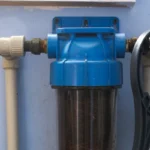
In Illinois, tap water generally meets safety standards. Yet, some residents might want extra assurance with water filtration systems or home water treatment options. These solutions can tackle specific issues, like lead in older buildings or personal taste. Water purification methods, like activated carbon filters and reverse osmosis systems, can improve water quality at home.
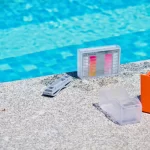
Water testing services help find contaminants and measure water hardness. This might show the need for a water softener. There are many water filtration systems available, including whole-home, under-sink, and reverse osmosis filters. These systems can enhance taste, remove harmful substances, and support healthier living while cutting down on plastic waste from bottled water.
Companies like Trust Tiger offer water filtration system maintenance and repair for all brands. They also provide regular filter replacements as part of ongoing home water treatment. Prices are clear upfront. Whole-house water purification systems can handle thousands of gallons daily, lasting 5 to 25 years. Filters usually need to be replaced every 3 to 6 months.
Reverse osmosis (RO) filters are great at removing contaminants, including harmful bacteria. The cost of a whole-home water filtration system depends on the type, treatment method, and installation. These systems can lower health risks from tap water contaminants, giving Illinois residents better drinking water at home.
The Future of Illinois Tap Water Safety
Illinois is tackling the challenges of emerging contaminants and evolving water safety standards head-on. The state is committed to ensuring tap water safety for future generations. To address groundwater overuse and inadequate administration, proactive measures are being taken. The 2022 State Water Plan calls for updates to the 1983 Water Use Act to effectively tackle current water issues.
Illinois is upgrading its water infrastructure and monitoring systems. The Chicago Department of Water Management (DWM) has pinpointed noncompliance issues with water mains and sewer lines. This highlights the necessity for regular inspections and remediation. While these efforts may be costly and time-consuming, they are essential for maintaining water quality and public health.
To ensure future water safety, Illinois is investing in research and technology. The state aims to adapt its treatment processes to address emerging contaminants. Illinois is also improving water-use reporting systems and standardizing data collection. This will enhance planning efforts and transparency. By being vigilant and proactive, Illinois seeks to provide high-quality, safe tap water to its residents for years to come. This commitment ensures a sustainable and healthy future for all.
FAQ
What are the primary water sources in Illinois?
Illinois mainly depends on Lake Michigan for its water, with cities like Chicago benefiting the most. Rivers and groundwater also play significant roles across the state.
How does Illinois ensure the safety of its tap water?
Illinois uses advanced water treatment methods like sedimentation, filtration, and disinfection with chlorine. The state follows EPA and Illinois EPA guidelines. These set limits for contaminants in drinking water.
Is lead contamination a concern in Illinois tap water?
Lead can be a problem if water touches lead pipes or fixtures in older buildings. Illinois works to replace these lines and treat water to reduce corrosion. Yet, residents in older homes should be cautious about lead risks.
How does tap water quality vary across different regions in Illinois?
Tap water quality varies in Illinois. Chicago, being the largest city, has a strong water treatment and monitoring system. This ensures high-quality water. Other major cities also focus on water safety, conducting regular tests and following standards.
How can I access information about my tap water quality in Illinois?
Illinois provides detailed reports on tap water quality and contaminants. These reports are available to residents, promoting transparency. They help people make informed choices about their water use.
Can agricultural activities impact tap water quality in Illinois?
Yes, agricultural activities can affect water quality in Illinois. Pesticides and fertilizers from farms can run off into water sources. Efforts are underway to reduce runoff and protect water sources.
Why does Illinois tap water sometimes taste different or feel hard?
Tap water in Illinois, often from groundwater, may taste different and have higher mineral content. This can make water hard. Hardness doesn’t harm health but can affect taste and cause scale buildup in plumbing.
Is Illinois tap water fluoridated?
Many Illinois communities fluoridate their tap water to improve dental health. Health organizations support fluoridation for preventing cavities. Illinois ensures fluoride levels are safe in tap water.
What should I do if there is a boil water advisory in my area?
In cases of water main breaks or contamination, Illinois may issue boil water advisories. Residents should boil tap water before drinking until the issue is fixed.
Are there any additional steps I can take to ensure the quality of my tap water?
While Illinois tap water is generally safe, some may choose additional filtration systems. Options like activated carbon filters or reverse osmosis systems can improve water quality at home.